Aluminum vs Carbon Steel Cookie Trays: Which Material Is Best for Baking?
Aluminum vs Carbon Steel Cookie Trays: Which Material Is Best for Baking?
When shopping for bakeware, one of the most common questions is whether an aluminum cookie tray or a carbon steel cookie tray delivers better baking results. While both materials are widely used in home kitchens and commercial bakeries, they perform differently in terms of heat conductivity, durability, weight, browning, and long-term value.
Choosing the right cookie tray isn't just about price—it's about selecting the material that matches your baking style and the types of recipes you prepare most often. The material of your bakeware directly affects how evenly cookies bake, how crispy the edges become, and even how long the tray will last.
In this comprehensive guide, we'll compare aluminum and carbon steel cookie trays side by side, explain their strengths and weaknesses, and help you determine which material is the best choice for your kitchen or baking business.
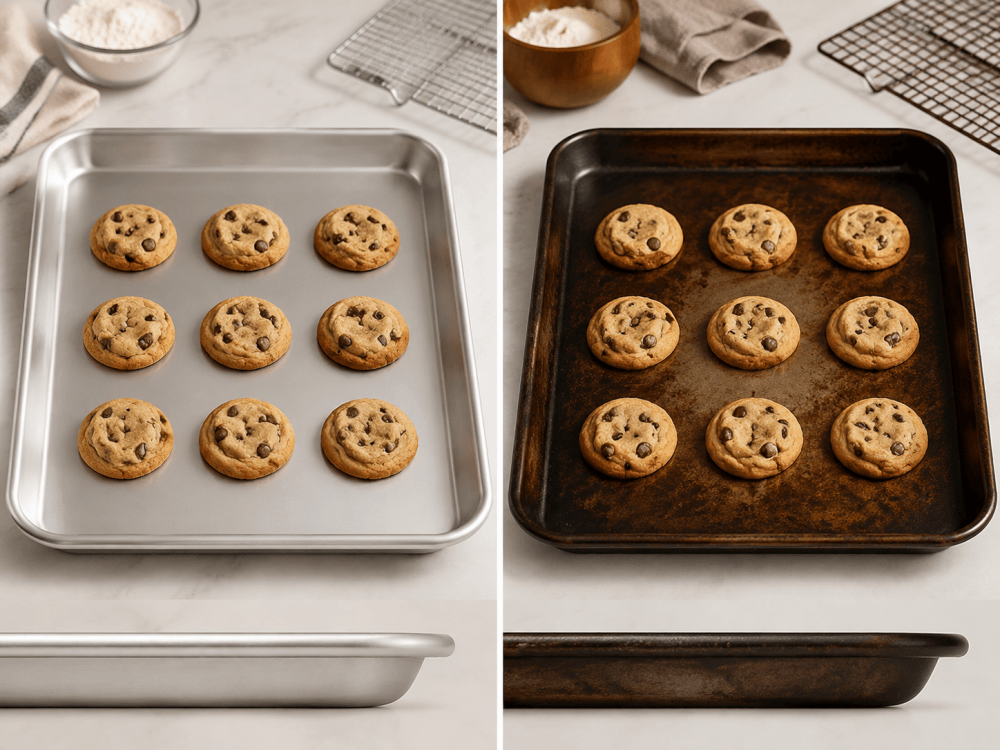
Aluminum cookie trays heat up quickly and distribute heat evenly, making them excellent for delicate baked goods such as cookies and pastries. Carbon steel cookie trays retain heat better, resist warping, and are generally more durable, making them ideal for everyday baking, roasting, and commercial kitchens.
Why Cookie Tray Material Matters
Many bakers focus on recipes, ingredients, or oven temperature, but overlook one critical factor: the material of the baking tray.
The material determines how heat moves through the pan, how evenly cookies bake, and how resistant the tray is to warping over time.
A high-quality cookie tray can improve:
- Even heat distribution
- Consistent browning
- Cookie texture
- Baking efficiency
- Product lifespan
- Cleaning convenience
Conversely, poor-quality bakeware can create hot spots, uneven baking, burnt bottoms, or warped pans after repeated use.
What Is an Aluminum Cookie Tray?
An aluminum cookie tray is made from either pure aluminum or aluminum alloy and is known for its exceptional heat conductivity. Because aluminum transfers heat rapidly and evenly, it has become one of the most popular materials for cookie sheets and baking trays worldwide.
Professional bakeries often use commercial-grade aluminum trays for producing large batches of cookies with consistent results.
Advantages of Aluminum Cookie Trays
- Excellent heat conductivity
- Fast and even baking
- Lightweight and easy to handle
- Naturally rust-resistant
- Ideal for cookies, biscuits, pastries, and macarons
Because aluminum responds quickly to temperature changes, it helps prevent overbaking and produces evenly browned cookies with crisp edges.
Potential Drawbacks
- Can warp if made from thin material
- May dent more easily than steel
- Usually requires parchment paper or a non-stick coating
- Less rigid than heavy-gauge carbon steel
Premium aluminum bakeware often includes reinforced rolled edges to improve strength and reduce warping.
What Is a Carbon Steel Cookie Tray?
Carbon steel cookie trays are manufactured from steel containing a small percentage of carbon. They are typically heavier and stronger than aluminum trays, offering excellent durability and heat retention.
Many premium non-stick bakeware collections use carbon steel as the base material because it provides excellent structural strength while supporting high-performance coatings.
Advantages of Carbon Steel Cookie Trays
- Outstanding durability
- Excellent heat retention
- Highly resistant to warping
- Ideal for heavy daily use
- Commonly available with premium non-stick coatings
Because carbon steel retains heat longer than aluminum, it can produce cookies with deeper browning and slightly crispier bottoms.
Potential Drawbacks
- Heavier than aluminum
- Slower to heat up
- Can rust if protective coatings are damaged
- Usually more expensive than entry-level aluminum trays
Aluminum vs Carbon Steel Cookie Trays: Side-by-Side Comparison
| Feature | Aluminum Cookie Tray | Carbon Steel Cookie Tray |
|---|---|---|
| Heat Conductivity | ★★★★★ | ★★★★☆ |
| Heat Retention | ★★★★☆ | ★★★★★ |
| Weight | Light | Medium to Heavy |
| Warp Resistance | ★★★★☆ | ★★★★★ |
| Durability | ★★★★☆ | ★★★★★ |
| Rust Resistance | ★★★★★ | ★★★★☆ |
| Ease of Handling | ★★★★★ | ★★★★☆ |
| Commercial Use | Excellent | Excellent |
| Average Lifespan | 8–15 Years | 10–20 Years |
How Heat Conductivity Affects Baking Results
Heat conductivity refers to how quickly a material transfers heat from the oven into the dough.
Aluminum is one of the best heat-conducting metals used in bakeware. It heats quickly and distributes heat evenly across the baking surface, reducing the risk of hot spots.
This makes aluminum particularly well suited for:
- Chocolate chip cookies
- Sugar cookies
- Butter cookies
- Shortbread
- Macarons
- Delicate pastries
Carbon steel heats slightly more slowly but stores heat for a longer period. Once fully heated, it provides stable temperatures throughout the baking process.
If your goal is evenly baked cookies with consistent color across the entire batch, both aluminum and carbon steel perform well. Aluminum responds faster to temperature changes, while carbon steel delivers more stable heat during extended baking sessions.
Which Material Produces Better Cookies?
Both materials can bake excellent cookies, but they create slightly different results.
| Cookie Characteristic | Aluminum | Carbon Steel |
|---|---|---|
| Even Browning | ★★★★★ | ★★★★☆ |
| Crispy Edges | ★★★★☆ | ★★★★★ |
| Soft Centers | ★★★★★ | ★★★★☆ |
| Bottom Browning | Moderate | Slightly Darker |
| Batch Consistency | Excellent | Excellent |
Home bakers who prefer lightly golden cookies often favor aluminum trays, while those who enjoy crispier cookies with deeper browning may prefer carbon steel.
Heat Retention: Which Material Maintains Temperature Better?
While heat conductivity determines how quickly a cookie tray heats up, heat retention refers to how well the tray maintains its temperature throughout the baking process.
This characteristic can significantly influence cookie texture, baking consistency, and overall efficiency—especially when baking multiple batches.
Aluminum Cookie Trays
Aluminum heats rapidly and cools quickly once removed from the oven. This fast thermal response gives bakers greater control over delicate recipes and helps reduce the risk of overbaking.
Advantages include:
- Fast preheating
- Quick recovery between batches
- Ideal for temperature-sensitive cookies
- Excellent for frequent recipe changes
Carbon Steel Cookie Trays
Carbon steel takes slightly longer to reach the desired temperature, but once heated, it retains warmth much longer than aluminum.
This stable heat helps maintain consistent baking conditions, especially when producing large batches of cookies.
Advantages include:
- Stable oven temperature
- Excellent heat retention
- More consistent results during continuous baking
- Reduced temperature fluctuation
Commercial bakeries often prefer carbon steel bakeware for continuous production because its superior heat retention ensures consistent baking performance throughout multiple oven cycles.
Warp Resistance: Which Cookie Tray Lasts Longer?
Warping occurs when bakeware expands unevenly due to rapid temperature changes. Over time, warped trays can affect heat distribution, reduce stability, and shorten product lifespan.
Aluminum Cookie Trays
High-quality aluminum trays resist warping well, especially when made from thick-gauge aluminum with reinforced rolled edges.
However, thinner aluminum pans may bend or warp if exposed to:
- Very high baking temperatures
- Sudden cooling with cold water
- Heavy daily commercial use
Carbon Steel Cookie Trays
Carbon steel offers superior structural strength and is naturally more resistant to warping.
Its rigid construction allows it to withstand repeated heating and cooling cycles without significant deformation.
| Performance | Aluminum | Carbon Steel |
|---|---|---|
| High-Temperature Stability | ★★★★☆ | ★★★★★ |
| Resistance to Warping | ★★★★☆ | ★★★★★ |
| Structural Strength | ★★★★☆ | ★★★★★ |
| Commercial Durability | ★★★★☆ | ★★★★★ |
Durability and Lifespan
Both aluminum and carbon steel are durable materials, but their longevity depends on manufacturing quality, coating performance, and maintenance.
Aluminum Bakeware Lifespan
Premium aluminum cookie trays can last 8–15 years with proper care.
To maximize lifespan:
- Avoid using sharp metal utensils
- Do not expose hot trays to cold water immediately after baking
- Store trays carefully to prevent dents
Carbon Steel Bakeware Lifespan
Heavy-duty carbon steel trays often remain in excellent condition for 10–20 years or longer.
Proper maintenance includes:
- Keeping the protective coating intact
- Drying thoroughly after washing
- Avoiding prolonged exposure to moisture if the coating becomes damaged
Non-Stick Performance
Most modern cookie trays feature a non-stick coating regardless of the base material.
However, the base material still influences coating durability.
Aluminum with Non-Stick Coating
Aluminum provides an excellent foundation for non-stick coatings because of its smooth surface.
Benefits include:
- Easy cookie release
- Reduced need for oil
- Simple cleanup
- Excellent baking consistency
Carbon Steel with Non-Stick Coating
Carbon steel's rigidity helps prevent flexing, which may reduce stress on the coating over time.
This often results in:
- Longer coating life
- Better resistance to peeling
- Improved durability under frequent use
Weight Comparison
The weight of a cookie tray affects handling, storage, and user comfort.
| Feature | Aluminum | Carbon Steel |
|---|---|---|
| Overall Weight | Light | Heavier |
| Easy to Carry | ★★★★★ | ★★★★☆ |
| Commercial Stability | ★★★★☆ | ★★★★★ |
Home bakers often appreciate lightweight aluminum trays, while commercial kitchens frequently prefer the stability of heavier carbon steel.
Which Material Is Better for Different Baking Tasks?
Different recipes benefit from different bakeware characteristics.
| Baking Task | Recommended Material | Reason |
|---|---|---|
| Chocolate Chip Cookies | Aluminum | Even browning and fast heat transfer |
| Sugar Cookies | Aluminum | Excellent color consistency |
| Macarons | Aluminum | Precise temperature response |
| Brownies | Carbon Steel | Better heat retention |
| Roasted Vegetables | Carbon Steel | Superior durability |
| Frozen Foods | Carbon Steel | Excellent heat stability |
| Commercial Baking | Carbon Steel | Long lifespan and structural strength |
Which Material Do Professional Bakers Prefer?
There is no universal answer because professional kitchens have different priorities.
Commercial bakeries producing cookies in large quantities often use heavy-gauge aluminum sheet pans because they deliver fast, even heating and consistent baking results.
Restaurants and catering kitchens frequently choose carbon steel trays due to their durability, rigidity, and resistance to warping during intensive daily use.
Many professional kitchens actually use both materials:
- Aluminum for pastries, cookies, and delicate baked goods
- Carbon steel for roasting, everyday baking, and heavy-duty applications
If you're building a complete bakeware collection, owning both aluminum and carbon steel cookie trays provides the greatest flexibility. Each material excels in different baking scenarios, allowing you to achieve the best results for a wider variety of recipes.
Buying Guide: How to Choose the Best Cookie Tray
Beyond choosing the material, several additional factors influence bakeware quality.
1. Thickness (Gauge)
Choose heavy-gauge construction whenever possible.
Thicker trays:
- Resist warping
- Distribute heat more evenly
- Last significantly longer
2. Rolled Edges
Reinforced rolled rims strengthen the tray and reduce the risk of bending during repeated heating and cooling.
3. Non-Stick Coating Quality
Look for food-grade, PFOA-free non-stick coatings that provide easy food release and simplified cleaning.
4. Tray Size
Select a size that matches your oven dimensions and baking needs.
- Quarter Sheet – Small households
- Half Sheet – Most home kitchens
- Full Sheet – Commercial bakeries
5. Intended Use
Ask yourself whether you'll mainly bake cookies, roast vegetables, prepare frozen foods, or use the tray for multiple cooking tasks. This will help determine whether aluminum or carbon steel is the better long-term investment.
How to Care for Aluminum and Carbon Steel Cookie Trays
Proper maintenance not only extends the lifespan of your cookie trays but also helps preserve baking performance and the condition of the non-stick coating. Whether you choose aluminum or carbon steel, following a few simple care practices can keep your bakeware performing like new for years.
Cleaning Tips
- Allow the tray to cool completely before washing.
- Wash with warm water, mild dish soap, and a soft sponge.
- Avoid steel wool or abrasive scouring pads.
- Soak stubborn baked-on residue instead of scraping aggressively.
- Dry thoroughly before storing, especially for carbon steel trays.
Protecting the Non-Stick Coating
If your cookie tray has a non-stick coating, proper handling is essential.
To extend coating life:
- Use silicone, nylon, or wooden utensils.
- Avoid cutting cookies directly on the tray.
- Do not stack trays without protective liners.
- Avoid overheating empty trays.
Preventing Warping
Even premium bakeware can warp if exposed to extreme temperature changes.
To minimize warping:
- Never place a hot tray into cold water.
- Avoid using temperatures beyond the manufacturer's recommendations.
- Allow trays to cool naturally after baking.
- Choose heavy-gauge bakeware with reinforced rims.
Environmental Impact and Sustainability
For environmentally conscious consumers and brands, material sustainability has become an increasingly important purchasing factor.
Aluminum
Aluminum is one of the world's most recyclable metals. Recycled aluminum requires significantly less energy to produce than primary aluminum, making it an environmentally friendly option when sourced responsibly.
Advantages include:
- Highly recyclable
- Long product lifespan
- Lightweight for reduced transportation emissions
Carbon Steel
Carbon steel is also recyclable and offers exceptional durability. Because it lasts for many years, replacement frequency is reduced, helping minimize long-term material consumption.
Its durability makes carbon steel a sustainable choice for both commercial kitchens and home bakers.
Choosing durable, high-quality bakeware that lasts for many years is often more environmentally friendly than frequently replacing inexpensive trays.
Frequently Asked Questions
Is aluminum or carbon steel better for baking cookies?
Both materials produce excellent cookies. Aluminum heats more quickly and provides exceptionally even browning, while carbon steel retains heat longer and creates slightly crispier bottoms.
Do professional bakers use aluminum cookie trays?
Yes. Many commercial bakeries use heavy-gauge aluminum sheet pans because they heat evenly, cool quickly, and provide consistent baking results across multiple batches.
Does carbon steel rust?
Carbon steel can rust if its protective coating is damaged or if it is stored while wet. Proper cleaning and drying help prevent corrosion.
Which material lasts longer?
Carbon steel generally has a longer lifespan due to its superior strength and resistance to deformation. However, premium aluminum trays can also provide many years of reliable service when properly maintained.
Are aluminum cookie trays safe?
Yes. Food-grade aluminum bakeware is widely used throughout the baking industry and is considered safe for baking when manufactured according to food safety standards.
Which tray is better for non-stick coatings?
Both aluminum and carbon steel work well with modern food-safe non-stick coatings. Carbon steel's greater rigidity may help reduce coating stress during long-term use.
Can I bake other foods on a cookie tray?
Yes. Cookie trays can be used for pastries, biscuits, frozen snacks, and certain roasted foods. However, recipes that produce liquids or grease are generally better suited to baking trays with raised edges.
What thickness should I choose?
Heavy-gauge cookie trays are recommended because they resist warping, distribute heat more evenly, and provide greater durability than thinner alternatives.
Final Verdict: Aluminum vs Carbon Steel Cookie Trays
Both aluminum and carbon steel cookie trays offer outstanding baking performance, but they excel in different areas.
Choose an aluminum cookie tray if you want:
- Fast and even heat distribution
- Lightweight bakeware
- Excellent cookie color and consistency
- Superior performance for pastries and delicate baked goods
Choose a carbon steel cookie tray if you want:
- Exceptional durability
- Better heat retention
- Greater resistance to warping
- Reliable performance for frequent or commercial baking
Ultimately, the best material depends on your baking habits, preferred recipes, and long-term expectations. Many experienced bakers keep both aluminum and carbon steel trays in their kitchen so they can choose the ideal bakeware for each recipe.
Looking for Premium Cookie Trays for Your Brand or Business?
Kitlucy manufactures high-quality cookie trays and bakeware designed for home kitchens, professional bakeries, and global retail brands. Our OEM and private label services include customizable materials, sizes, non-stick coatings, packaging, and branding solutions to meet your market requirements.
Explore our baking tools collection:
//www.kitlucy.com/baking-tools.html
Contact our team for OEM & bulk inquiries:
Related Blogs