


Kitchen Tools Blog : help you source, sell, and grow your kitchenware business
November 14, 2026
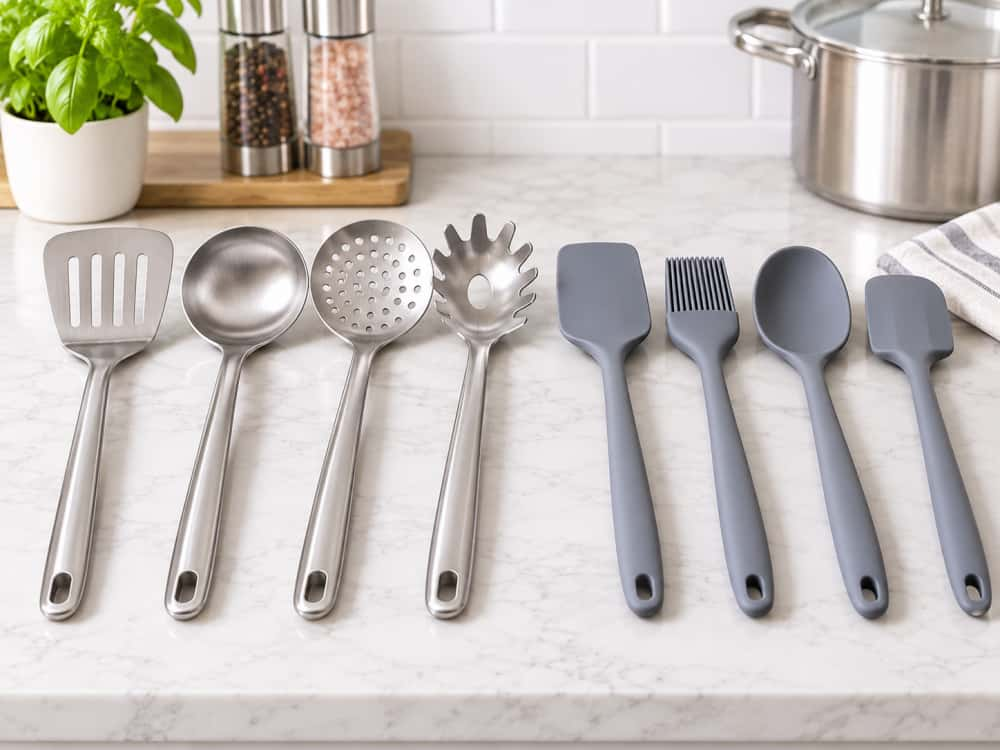
When choosing kitchen utensils, material matters just as much as design. Stainless steel and silicone are two popular options, but they serve different purposes. Stainless steel offers strength, rigidity, and a durable working edge, while silicone provides flexibility and helps protect delicate cookware surfaces. So, which material is better for everyday cooking? The answer depends on the utensils you use, the cookware you own, and the way you prepare food.
November 14, 2026
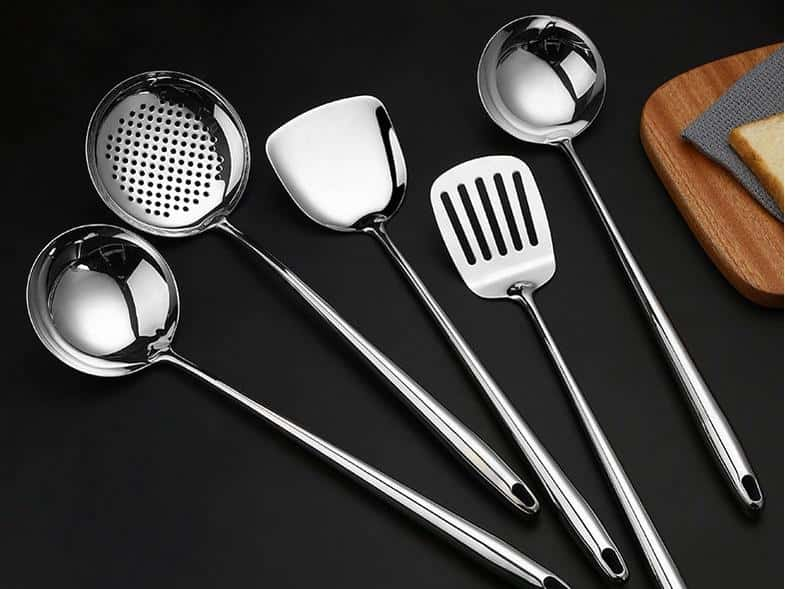
When comparing stainless steel kitchen utensils, 304 and 430 are two grades buyers may encounter. They can look almost identical, but their composition, corrosion resistance, magnetic properties, and cost are different. Choosing the right one affects product performance, manufacturing decisions, and the value of a kitchen utensil collection.
November 13, 2026
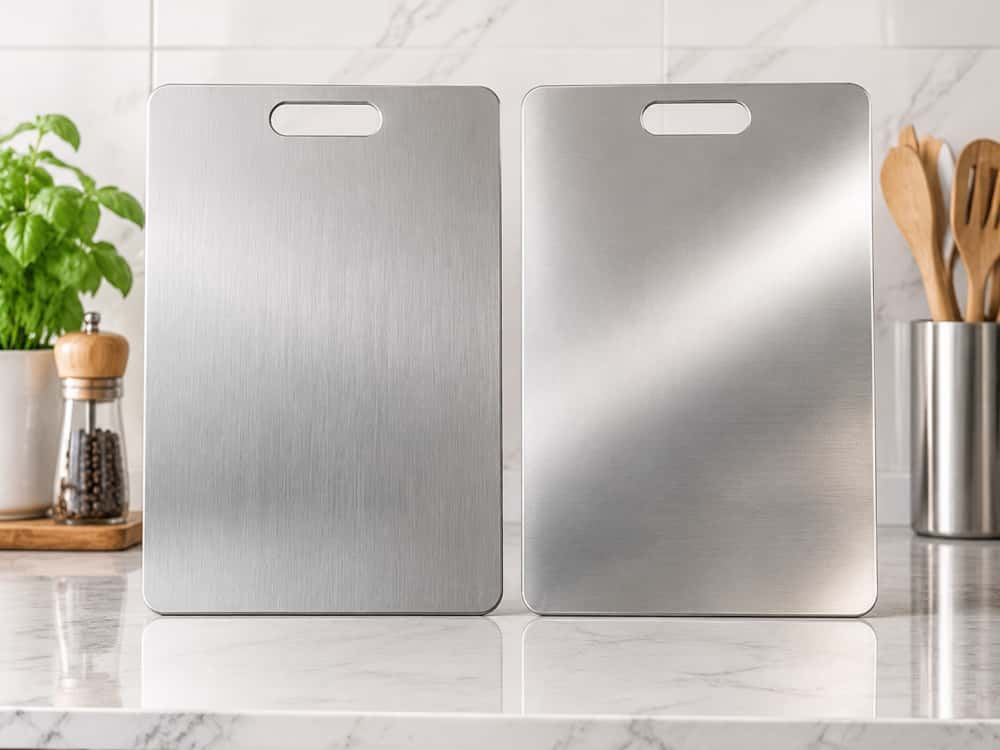
When comparing stainless steel cutting boards, the material grade is one of the first things worth checking. Two common options are 304 and 316 stainless steel. Both are austenitic stainless steels used in food-related applications, but they differ in chemical composition, corrosion resistance, and material cost.

November 12, 2026
Metal cutting boards have become increasingly popular among consumers looking for alternatives to traditional wood and plastic boards. Stainless steel and titanium are two materials attracting particular attention because of their nonporous surfaces, modern appearance, and resistance to moisture.
November 11, 2026
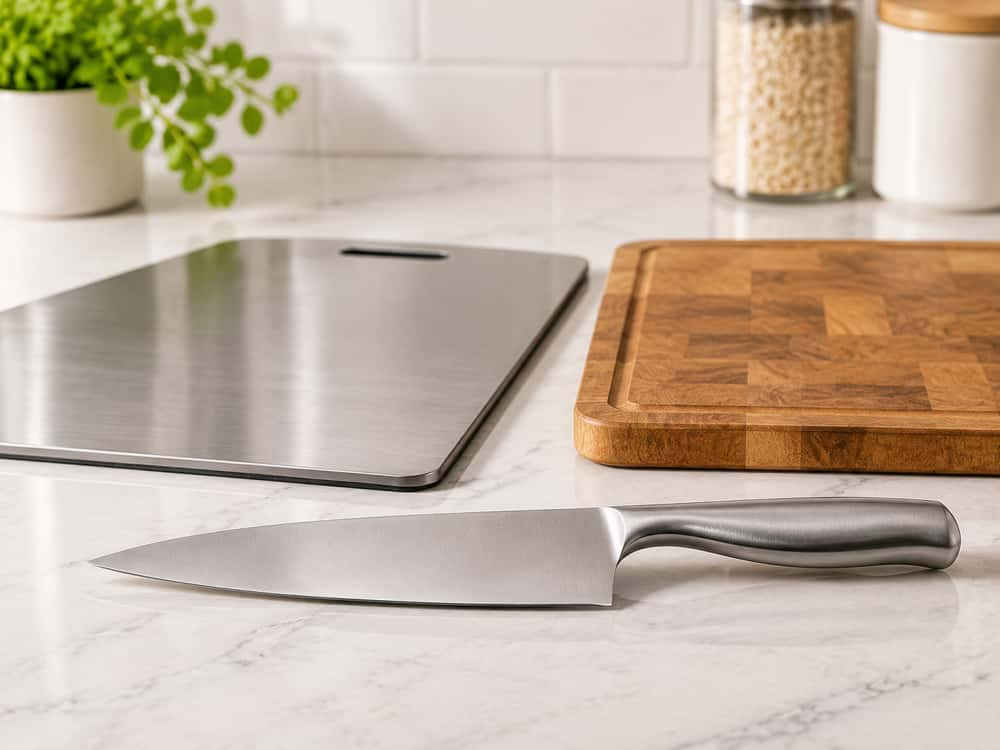
Stainless steel cutting boards have attracted attention for their sleek appearance, nonporous surface, and easy-clean design. But there is one important question many home cooks and professional chefs ask before buying one: Are stainless steel cutting boards bad for knives?

November 10, 2026
Choosing the right pizza cutter can make a noticeable difference in how cleanly and efficiently you slice a pizza. A traditional pizza wheel rolls across the crust, while a rocker cutter uses a long blade and a downward rocking motion. Both tools can produce good results, but they work differently. So, is a pizza wheel or rocker cutter better for your kitchen?
November 9, 2026
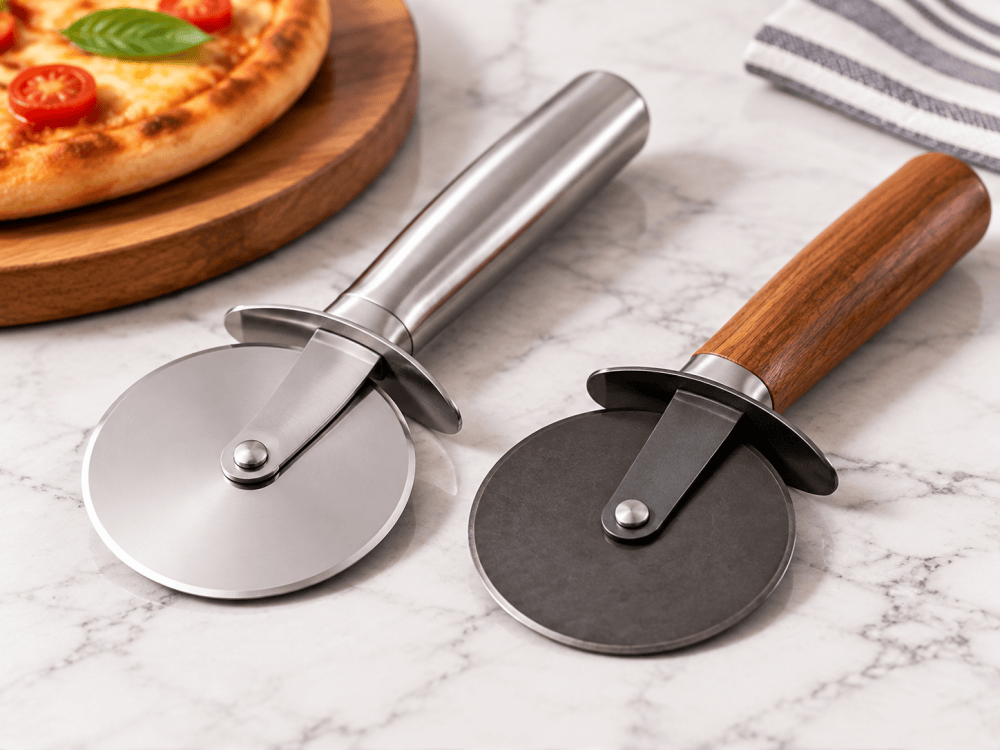
A pizza cutter may look like a simple kitchen tool, but its blade material has a direct impact on cutting performance, corrosion resistance, durability, and maintenance. When comparing stainless steel vs. carbon steel pizza cutter blades, which material offers the better balance for everyday kitchens and professional pizza operations?
November 7, 2026
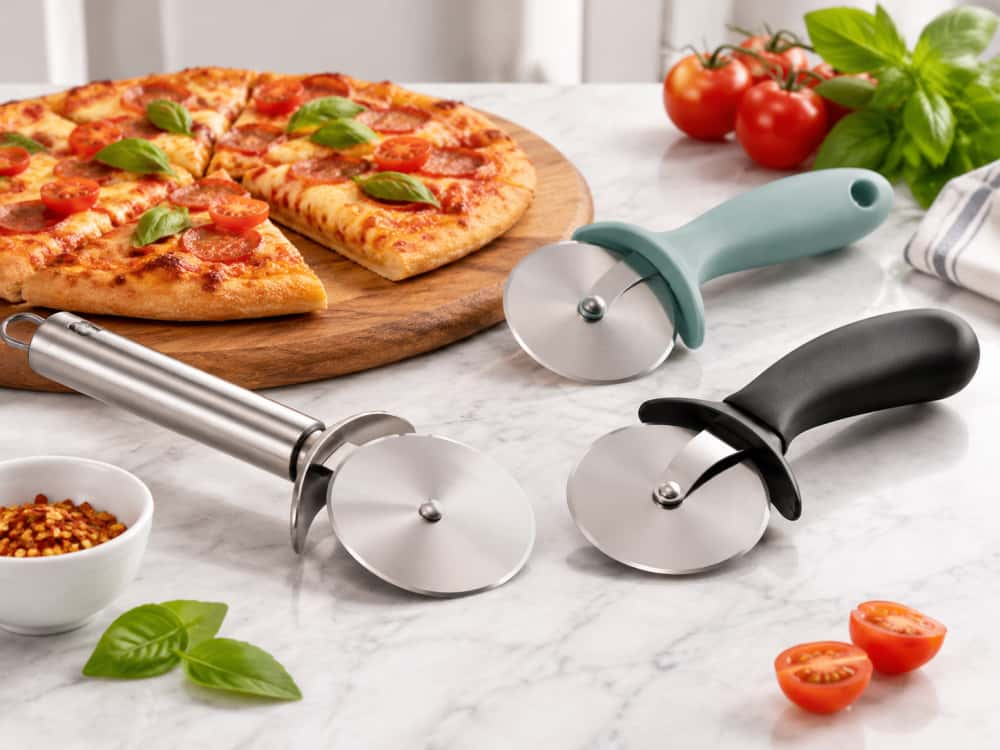
A good pizza cutter should do more than simply divide a pizza into slices. It should cut through the crust cleanly, handle toppings without excessive dragging, feel comfortable in your hand, and be easy to clean after use. With different blade styles, materials, sizes, and handle designs available, choosing the right one can be harder than it looks. This guide explains the key features to consider so you can find a pizza cutter that suits your cooking habits and kitchen needs.
November 6, 2026
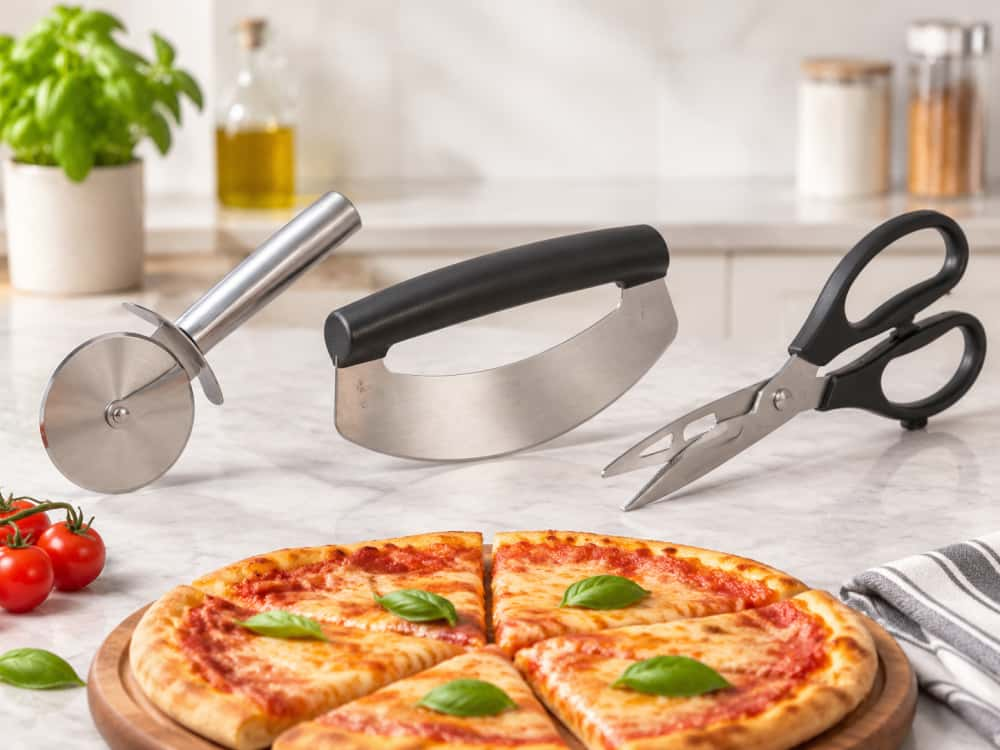
Choosing the right pizza cutter can make a noticeable difference in how easily and cleanly you slice a pizza. While the traditional rolling pizza wheel is familiar to most home cooks, rocker pizza cutters and pizza scissors offer different cutting methods and advantages. Understanding the differences between these pizza cutter types can help you select the right tool for your kitchen, restaurant, or product range.