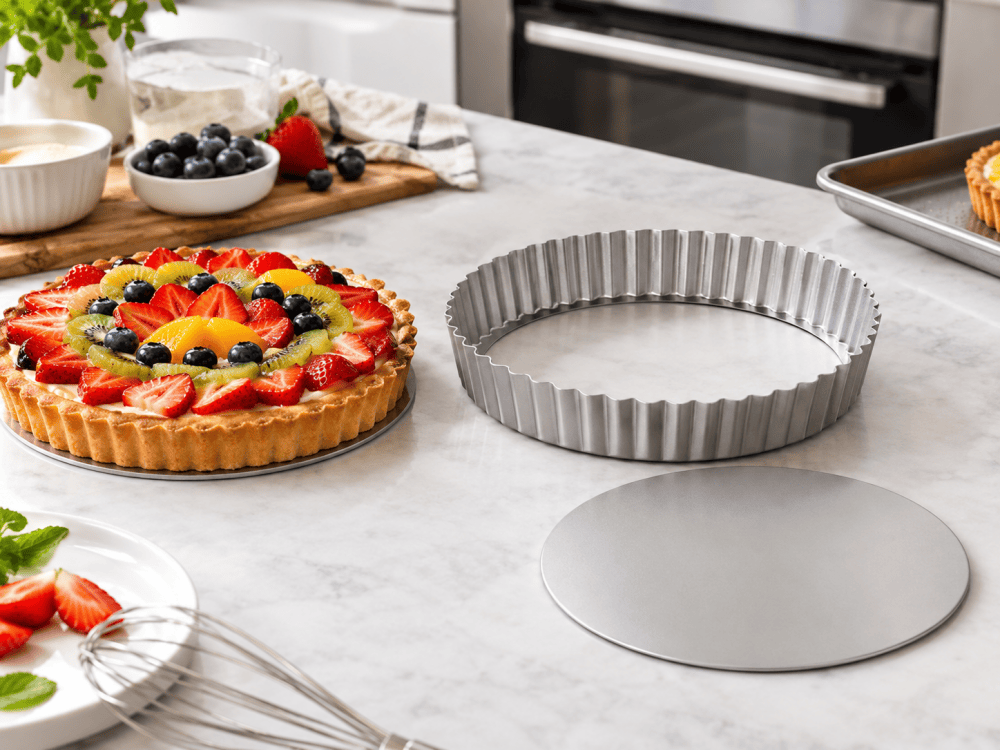
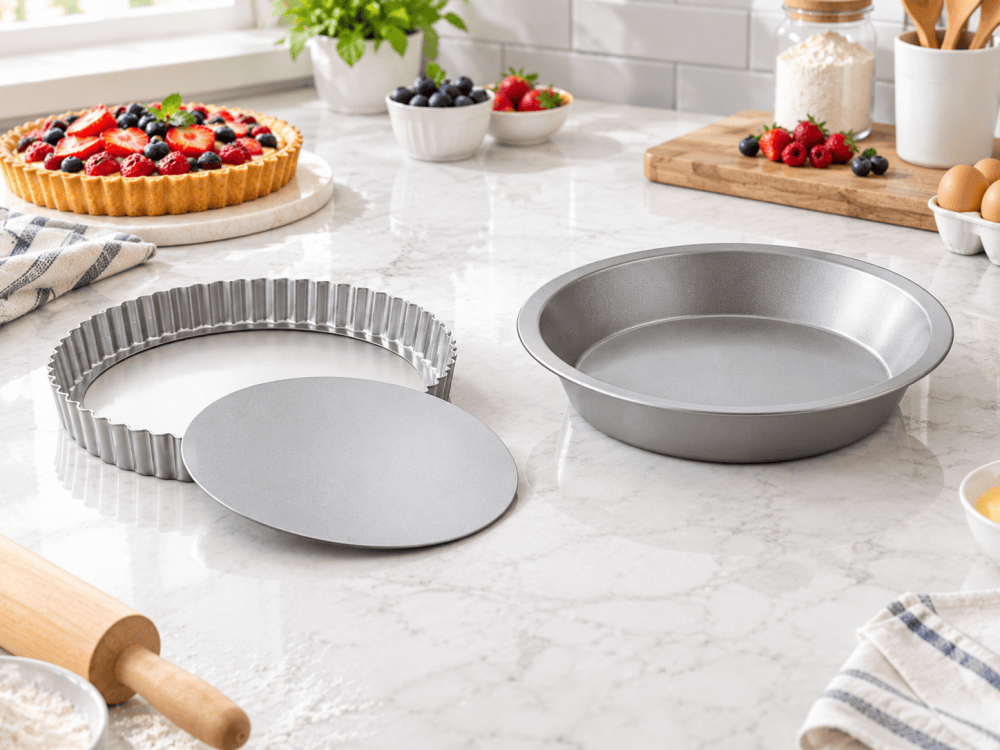
How to Choose the Best Baking Pan for Your Kitchen (2026)
How to Choose the Best Baking Pan for Your Kitchen (2026)
Choosing the right baking pan can significantly affect baking results. Whether you are making cakes, bread, cookies, brownies, or roasted desserts, the material, shape, size, and coating of a baking pan all influence heat distribution, baking performance, and food release.
With hundreds of bakeware options available in the market, many consumers and professional buyers ask the same question: How do you choose the best baking pan for your kitchen?
This guide explains different types of baking pans, compares common materials, and provides practical buying tips for home users, retailers, and kitchenware buyers.

The best baking pan depends on your baking needs. Aluminum pans provide excellent heat conductivity, carbon steel pans offer durability, and non-stick coated pans provide easier food release and cleaning.
Why Choosing the Right Baking Pan Matters
A baking pan is more than just a container for ingredients. Its material and design directly affect baking temperature, cooking time, texture, and final appearance.
A suitable baking pan can help achieve:
- Even heat distribution
- Better baking consistency
- Easy food release
- Simple cleaning and maintenance
- Longer product lifespan
Main Factors to Consider When Choosing a Baking Pan
1. Baking Purpose and Usage
The first step is identifying what type of food you plan to bake. Different baking pans are designed for different applications.
| Baking Application | Recommended Pan Type |
|---|---|
| Cakes | Cake pans, springform pans, round pans |
| Bread | Loaf pans, bread tins |
| Cookies | Cookie sheets, baking trays |
| Pizza | Pizza pans |
| Roasting | Deep baking trays |
2. Baking Pan Material
Material is one of the most important factors when selecting bakeware because it affects heat transfer, durability, and maintenance.
Common Types of Baking Pan Materials
Aluminum Baking Pans
Aluminum is one of the most widely used materials for baking pans because it provides excellent thermal conductivity.
- Fast and even heating
- Lightweight design
- Suitable for commercial baking
- Cost-effective production
Aluminum baking pans are commonly used for baking sheets, pizza pans, cake molds, and commercial bakeware.
Carbon Steel Baking Pans
Carbon steel baking pans are known for their strength and durability. They provide excellent heat retention and are suitable for frequent baking applications.
- Strong and long-lasting
- Good heat performance
- Suitable for professional kitchens
Stainless Steel Baking Pans
Stainless steel bakeware offers excellent corrosion resistance and durability, making it suitable for long-term kitchen use.
- Rust resistant
- Easy to maintain
- Premium appearance
Silicone Baking Pans
Silicone baking pans have become increasingly popular because of their flexibility, lightweight design, and easy food release performance.
- Flexible and easy to remove baked goods
- Non-stick surface without additional coating
- Easy storage due to foldable structure
- Suitable for cakes, muffins, and desserts
Non-Stick Baking Pans: Are They Worth Choosing?
Non-stick baking pans are among the most popular bakeware products because they make baking easier and reduce cleaning time.
A quality non-stick baking pan usually features a food-grade coating designed to improve food release and baking convenience.
For long-term use, choose non-stick bakeware with durable coatings, proper thickness, and food-contact safety compliance.
Advantages of Non-Stick Baking Pans
- Easy removal of cakes and baked goods
- Requires less oil or butter
- Simple cleaning after baking
- Suitable for beginners and daily home baking
How to Protect Non-Stick Coatings
- Avoid using sharp metal utensils
- Do not overheat empty pans
- Clean with soft sponges
- Store carefully to avoid scratches
Baking Pan Shape and Size Guide
The shape and size of a baking pan determine the final appearance, baking time, and portion size of your food.
| Pan Type | Common Uses | Recommended For |
|---|---|---|
| Round Cake Pan | Layer cakes, sponge cakes | Home baking and bakeries |
| Loaf Pan | Bread, pound cakes | Daily baking |
| Baking Sheet | Cookies, pastries | Large batch baking |
| Muffin Pan | Cupcakes, muffins | Dessert baking |
| Pizza Pan | Pizza and flatbread | Home and restaurant use |
Baking Pan Material Comparison
| Material | Heat Performance | Durability | Maintenance | Best Application |
|---|---|---|---|---|
| Aluminum | Excellent | Medium | Easy | Cake pans, baking sheets |
| Carbon Steel | Very Good | High | Medium | Professional baking |
| Stainless Steel | Medium | Very High | Easy | Premium bakeware |
| Silicone | Medium | Medium | Very Easy | Cakes and desserts |
| Non-Stick Coated | Good | Medium-High | Very Easy | Daily baking |
How to Choose the Best Baking Pan for Different Foods
Best Baking Pan for Cakes
For cakes, aluminum and non-stick cake pans are popular choices because they provide even heating and easy release.
Round cake pans, springform pans, and silicone molds are commonly selected depending on cake style and baking requirements.
Best Baking Pan for Bread
Bread baking usually requires stronger materials with good heat retention. Carbon steel and aluminum loaf pans are widely used for bread production.
Best Baking Pan for Cookies
Cookie baking requires flat baking surfaces with consistent heat distribution. Aluminum baking sheets are commonly preferred because they heat quickly and evenly.
Best Baking Pan for Pizza
Pizza pans should provide good heat transfer and structural stability. Aluminum and carbon steel pizza pans are commonly used in both home and commercial kitchens.
Professional Buying Guide for Wholesale Baking Pans
For importers, distributors, and kitchenware brands, selecting the right baking pan involves more than appearance. Product performance, production capability, and market positioning are equally important.
Material Quality
Buyers should evaluate:
- Metal thickness and durability
- Food-contact safety standards
- Coating quality
- Heat resistance performance
OEM Customization Options
Modern kitchenware buyers often require customized baking pans including:
- Custom sizes and shapes
- Private label packaging
- Custom coating colors
- Logo printing
- Retail-ready packaging solutions
For brands and wholesalers, working with an experienced bakeware manufacturer helps ensure consistent quality and stable supply.
Market Trends in 2026 Baking Pans
- Non-stick bakeware continues to dominate home baking markets
- Eco-friendly and recyclable materials are becoming more popular
- Multi-functional baking tools attract online consumers
- Premium appearance and packaging influence purchasing decisions
How to Maintain Baking Pans for Longer Lifespan
Proper maintenance can significantly extend the lifespan of baking pans, especially non-stick and coated bakeware products.
1. Clean Baking Pans Properly
After baking, allow the pan to cool before cleaning. Sudden temperature changes may affect some materials and coatings.
- Use warm water and mild detergent
- Avoid abrasive cleaning pads
- Remove baked-on residue gently
- Dry completely before storage
2. Protect Non-Stick Surfaces
Non-stick baking pans require special care to maintain coating performance.
- Avoid metal scrapers and knives
- Use silicone or wooden baking tools
- Avoid stacking pans without protection
- Store in a dry environment
3. Prevent Rust on Metal Bakeware
Carbon steel and some metal baking pans require proper drying and storage to prevent corrosion.
- Dry immediately after washing
- Avoid long-term water exposure
- Apply protective oil when necessary
Common Mistakes When Buying Baking Pans
Many consumers choose baking pans based only on appearance or price. However, the wrong material or size can negatively affect baking results.
Choosing the Wrong Material
Different baking applications require different materials. For example, aluminum is suitable for fast heat transfer, while carbon steel is better for durability and heat retention.
Ignoring Pan Thickness
The thickness of a baking pan affects heat distribution and product lifespan. Very thin pans may warp under high temperatures.
Selecting the Wrong Size
A baking pan that is too large or too small can affect baking time and final product quality.
Buying Low-Quality Coatings
For non-stick bakeware, coating quality is critical. Poor coatings may lose performance quickly and affect customer satisfaction.
How to Select Baking Pans for Different Market Needs
For kitchenware retailers and wholesalers, product selection should consider target customers, price positioning, and market trends.
| Market Segment | Recommended Baking Pan Types | Main Selling Points |
|---|---|---|
| Entry-Level Retail | Aluminum and basic non-stick pans | Affordable price and easy use |
| Mid-Range Kitchenware | Non-stick coated bakeware sets | Convenience and durability |
| Premium Market | Carbon steel and stainless steel bakeware | Long lifespan and professional performance |
| Eco-Friendly Market | Silicone and sustainable materials | Modern lifestyle positioning |
Frequently Asked Questions About Baking Pans
What is the best material for a baking pan?
The best baking pan material depends on the baking purpose. Aluminum provides excellent heat conductivity, carbon steel offers durability, and non-stick coated pans provide easier cleaning and food release.
Are non-stick baking pans safe?
High-quality non-stick baking pans made with food-grade coatings are generally safe when used within recommended temperature limits and maintained properly.
Which baking pan is best for cakes?
Aluminum and non-stick cake pans are popular choices because they provide even heating and easier cake removal.
What size baking pan should I buy?
The ideal baking pan size depends on the recipe, serving requirements, and oven capacity. Common household sizes include 8-inch, 9-inch, and 10-inch baking pans.
Are aluminum baking pans good?
Yes. Aluminum baking pans are widely used because they heat quickly, distribute heat evenly, and are lightweight for everyday baking.
How long do baking pans last?
The lifespan of a baking pan depends on the material, coating quality, usage frequency, and maintenance. High-quality bakeware can provide years of reliable performance.
Why Choose Kitlucy for Custom Baking Pans?
Kitlucy provides professional bakeware solutions for global wholesalers, retailers, and kitchenware brands. With experience in OEM and private label manufacturing, we support customized baking pan projects with different materials, sizes, coatings, and packaging requirements.
Our baking pan solutions include:
- Non-stick baking pans
- Aluminum baking trays
- Pizza pans
- Custom bakeware designs
- Private label kitchenware products
Learn more about our baking solutions:
Explore Kitlucy Baking Tools Collection
Contact Us for OEM Baking Pan Projects

Conclusion
Choosing the best baking pan depends on understanding your baking needs, material performance, size requirements, and maintenance expectations.
Aluminum baking pans are excellent for even heat distribution, carbon steel pans provide durability for frequent baking, stainless steel offers long-term performance, and non-stick bakeware provides convenience for everyday kitchens.
For home users, selecting the right baking pan improves baking results and cooking experience. For wholesalers and kitchenware brands, choosing reliable materials and professional manufacturing partners helps create competitive bakeware products in global markets.
Looking for Custom Baking Pan Manufacturing?
Kitlucy offers OEM and private label baking pan solutions with customized materials, sizes, coatings, and packaging for global kitchenware buyers.
Related Blogs