Best Cutting Board Material for Health.A Practical Guide for Safe & Hygienic Kitchens
Best Cutting Board Material for Health: Safe & Non Toxic Options for Modern Kitchens
Choosing the best cutting board material for health is becoming increasingly important as consumers pay more attention to food safety, kitchen hygiene, and non toxic cooking tools.
Different cutting board materials affect bacterial resistance, knife wear, chemical exposure, moisture absorption, and long-term kitchen safety. Understanding the advantages and disadvantages of each material helps consumers make healthier kitchen decisions.
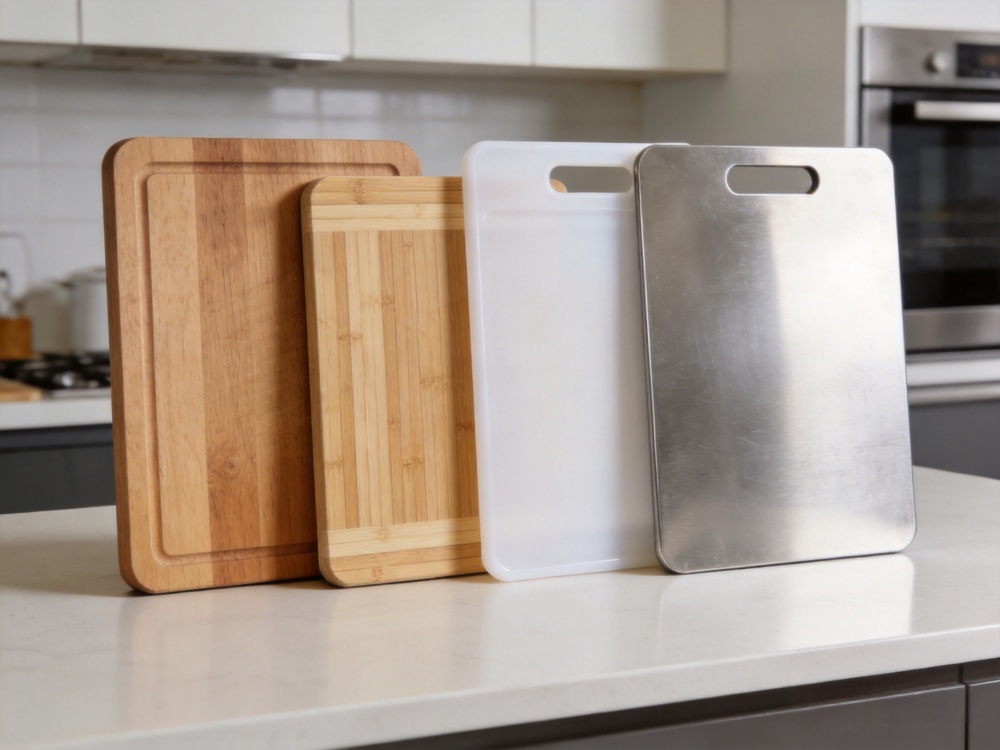
Wood, bamboo, food-grade plastic, and composite cutting boards can all be safe choices when properly maintained. The healthiest cutting board depends on hygiene, maintenance habits, knife friendliness, and material quality.
Why Cutting Board Material Matters for Health
Cutting boards come into direct contact with food every day. Poor-quality materials or heavily worn boards may increase contamination risks, retain bacteria, or introduce unwanted chemicals into food preparation environments.
Health-conscious consumers today often prioritize:
- Food-grade certified materials
- Non toxic manufacturing
- BPA-free plastics
- Low bacterial retention
- Easy cleaning and sanitation
- Durability for long-term use
Wood Cutting Boards
Why Wood Is Considered Healthy
Wood cutting boards are often considered one of the safest and healthiest options for kitchen use. Hardwood materials such as maple, walnut, and acacia are popular because they are durable and naturally knife-friendly.
- Gentle on knife edges
- Natural appearance
- Long lifespan with proper care
- Less microplastic concern compared to plastic boards
Potential Concerns
Wood cutting boards require regular oil maintenance and proper drying. Excessive moisture exposure may lead to cracking or mold growth if not properly maintained.

Bamboo Cutting Boards
Eco-Friendly & Lightweight
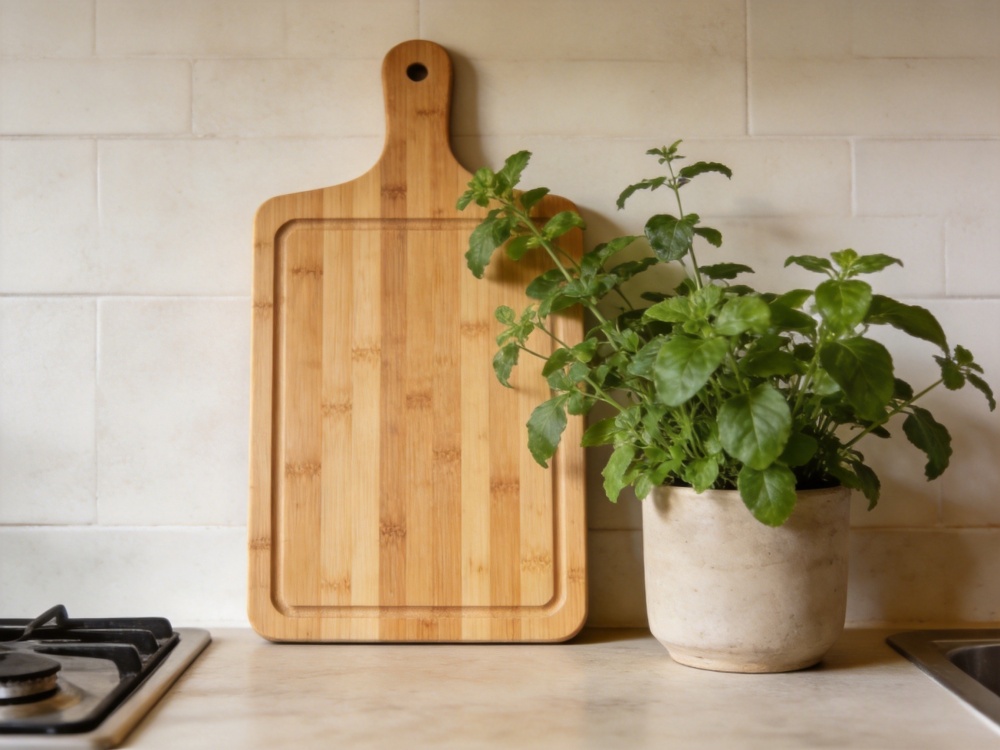
Bamboo cutting boards are increasingly popular among consumers looking for sustainable and non toxic kitchen products.
- Renewable material
- Lightweight and durable
- Lower moisture absorption
- Natural modern appearance
Things to Consider
Bamboo is generally harder than traditional hardwoods, which may dull knives slightly faster during heavy daily use.
Plastic Cutting Boards
Food-Grade Plastic Safety
Food-grade plastic cutting boards made from HDPE or PP materials are widely used in both household and commercial kitchens.
Modern plastic cutting board collections often include BPA-free materials, non-slip designs, and dishwasher-safe construction for easier kitchen hygiene management.
- Easy to sanitize
- Dishwasher safe
- Affordable and lightweight
- Suitable for color-coded food preparation
Potential Health Concerns
Deep knife grooves on worn plastic cutting boards may trap bacteria over time. Some consumers are also concerned about long-term microplastic shedding caused by repeated knife contact.
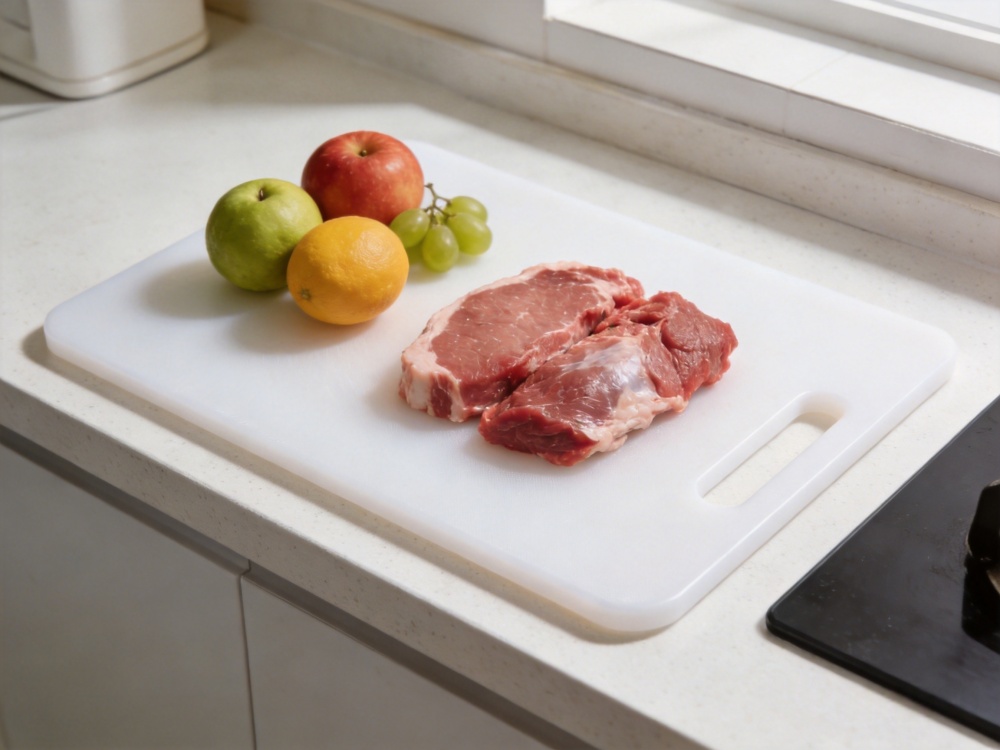
Replacing heavily worn cutting boards regularly is important for maintaining food safety regardless of material type.
Stainless Steel Cutting Boards
Highly Hygienic Surface
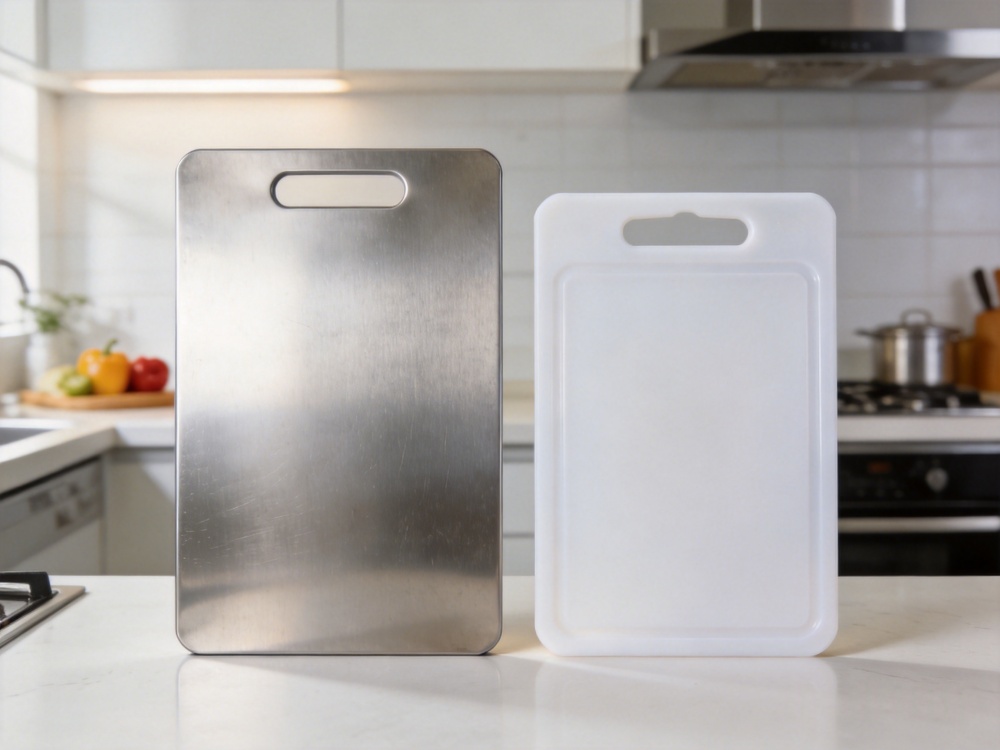
Stainless steel cutting boards are becoming more popular because they are non-porous and highly resistant to bacteria and moisture.
- Very easy to sanitize
- Highly durable
- Non-porous surface
- Resistant to stains and odors
Main Disadvantages
Stainless steel boards are generally harder on knife edges and may create louder cutting noise during use.
Composite Cutting Boards
Composite cutting boards combine compressed fibers and resin materials to create lightweight and durable cutting surfaces.
- Dishwasher safe
- Thin and lightweight
- Modern appearance
- Good balance between durability and convenience
Premium composite boards are increasingly popular in modern kitchens due to their low maintenance requirements.
Cutting Board Material Comparison
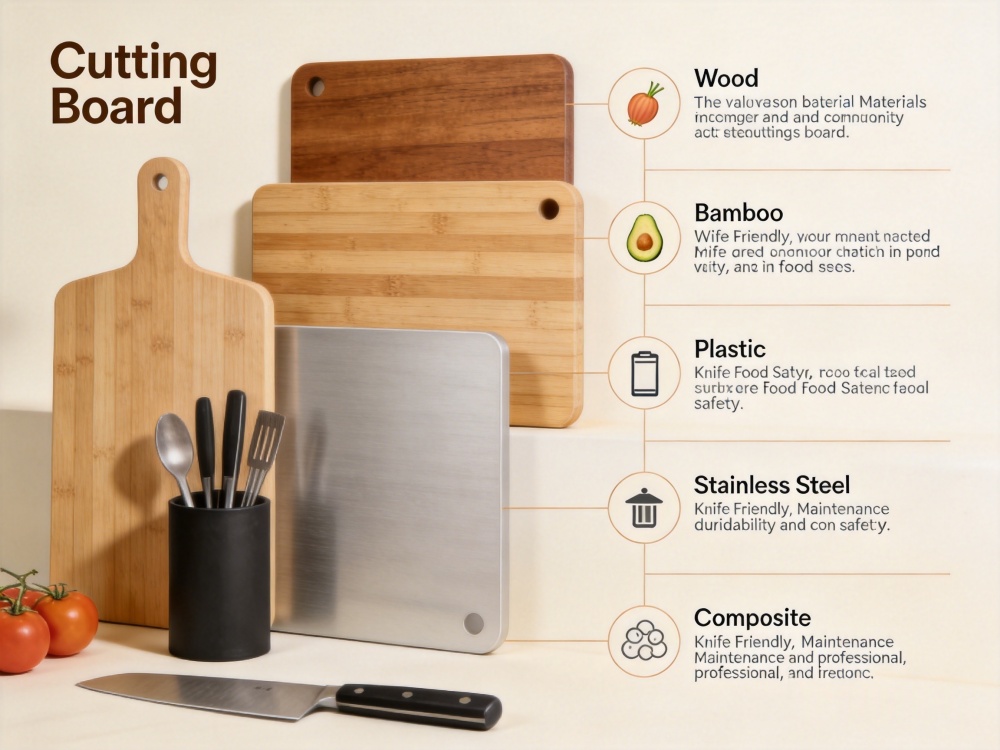
| Material | Food Safety | Knife Friendly | Maintenance | Durability |
|---|---|---|---|---|
| Wood | High | Excellent | Medium | High |
| Bamboo | High | Good | Low | High |
| Plastic (HDPE/PP) | High | Good | Easy | Medium to High |
| Stainless Steel | Very High | Low | Easy | Very High |
| Composite | High | Good | Easy | High |
Which Cutting Board Is Best for Different Needs?
Best for Non Toxic Kitchens
Natural wood and bamboo cutting boards are commonly preferred by consumers seeking eco-friendly and low-plastic kitchen environments.
Best for Hygiene
Food-grade plastic and stainless steel cutting boards are often chosen for their easy sanitation and moisture resistance.
Best for Knife Protection
Wood cutting boards remain the most knife-friendly option for both home cooks and professional chefs.
Best for Commercial Kitchens
Plastic cutting boards are widely used in restaurants because they support color-coded food safety systems and dishwasher sanitation.
How to Keep Cutting Boards Healthy & Safe
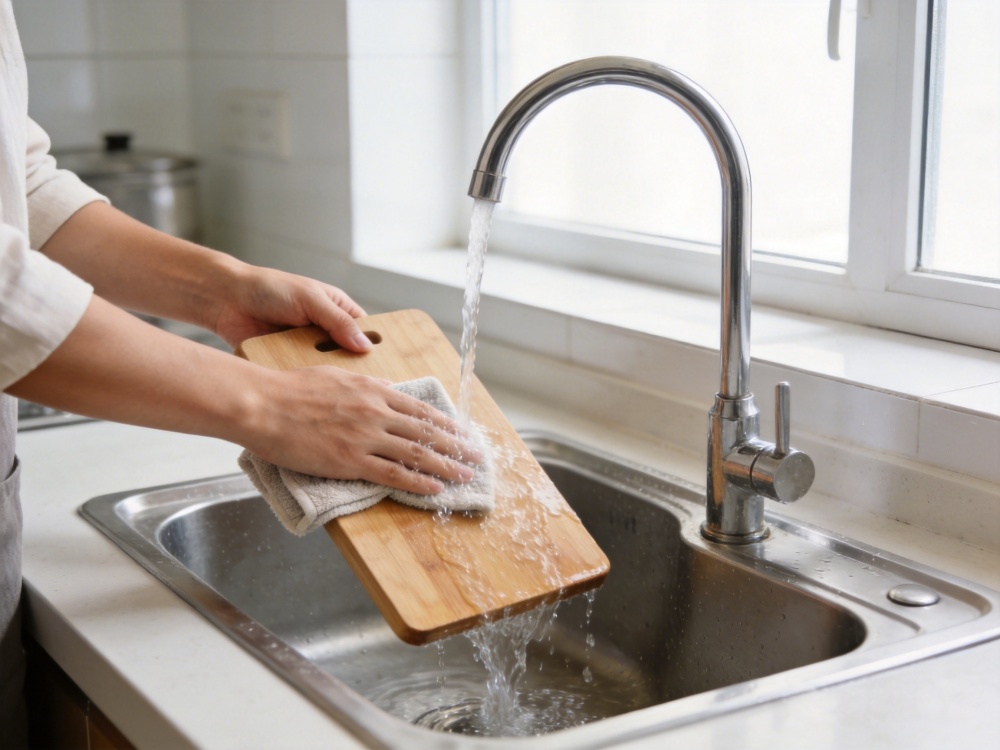
- Clean immediately after use
- Dry thoroughly before storage
- Use separate boards for raw meat and vegetables
- Replace boards with deep grooves or cracks
- Choose certified food-grade materials
Modern Trends in Healthy Kitchenware
Consumers today increasingly look for:
- BPA-free kitchen products
- Eco-friendly materials
- Antibacterial cutting board designs
- Sustainable kitchenware manufacturing
- OEM custom kitchen solutions
Healthy kitchen product demand continues growing in both household and commercial markets worldwide.
Frequently Asked Questions
What is the healthiest cutting board material?
Wood, bamboo, and food-grade plastic are all considered safe choices when properly maintained.
Are plastic cutting boards toxic?
Food-grade BPA-free plastic cutting boards are generally considered safe for kitchen use.
Do wooden cutting boards harbor bacteria?
Wood boards can remain safe when properly cleaned and dried after use.
Are bamboo cutting boards non toxic?
High-quality bamboo cutting boards are generally considered eco-friendly and non toxic.
How often should cutting boards be replaced?
Replace cutting boards when deep grooves, cracks, stains, or persistent odors appear.
Conclusion
The best cutting board material for health depends on kitchen habits, maintenance preferences, and cooking needs. Wood and bamboo offer natural and eco-friendly benefits, while food-grade plastic and stainless steel provide convenience and strong sanitation performance.
Choosing high-quality food-safe materials and maintaining cutting boards properly are the most important factors for creating a healthier kitchen environment.

Looking for Food-Grade Cutting Board Solutions?
Kitlucy provides plastic, bamboo, wheat straw, and multifunctional cutting boards with OEM and private label services for global wholesalers, retailers, and kitchenware brands.
Related Blogs