


Kitchen Tools Blog : help you source, sell, and grow your kitchenware business
November 13, 2026
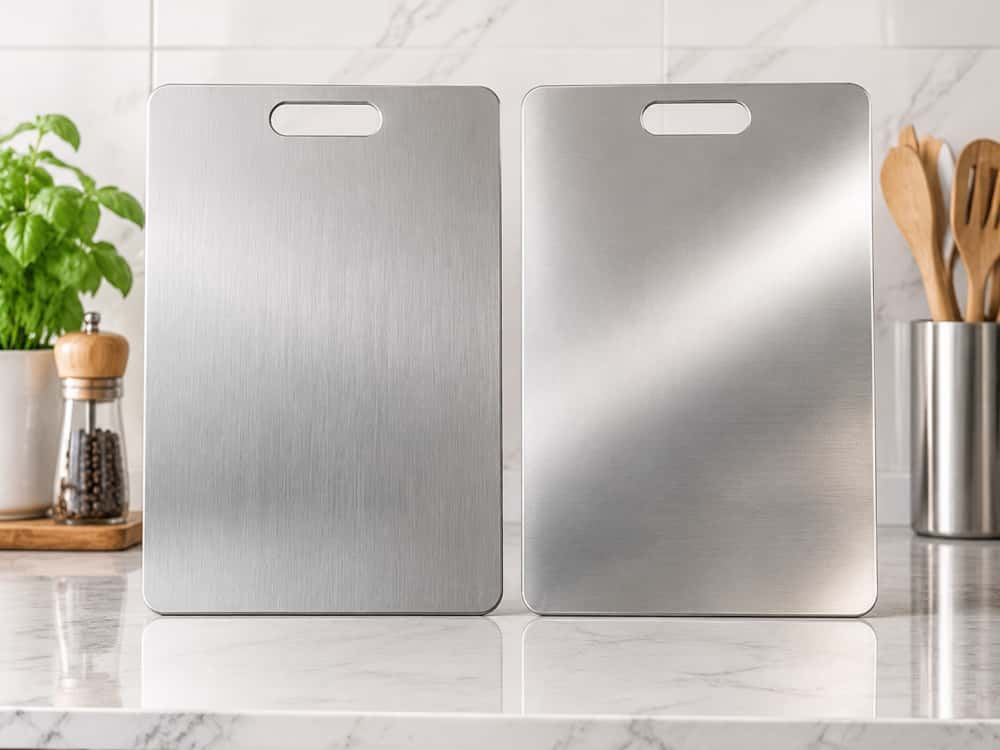
When comparing stainless steel cutting boards, the material grade is one of the first things worth checking. Two common options are 304 and 316 stainless steel. Both are austenitic stainless steels used in food-related applications, but they differ in chemical composition, corrosion resistance, and material cost.

November 12, 2026
Metal cutting boards have become increasingly popular among consumers looking for alternatives to traditional wood and plastic boards. Stainless steel and titanium are two materials attracting particular attention because of their nonporous surfaces, modern appearance, and resistance to moisture.
November 11, 2026
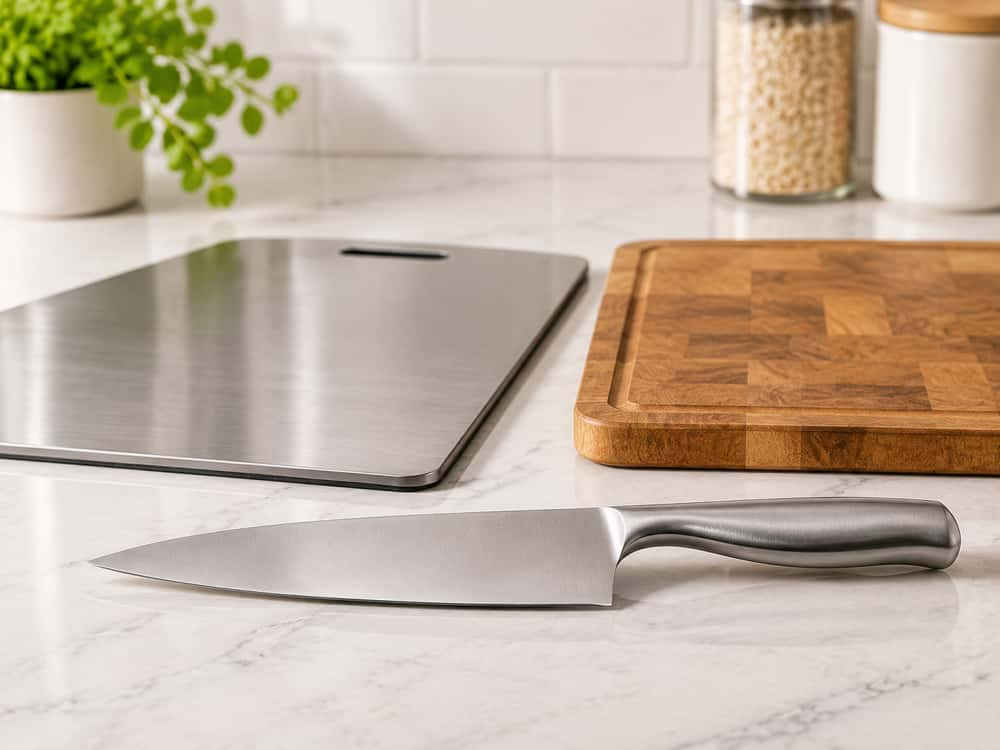
Stainless steel cutting boards have attracted attention for their sleek appearance, nonporous surface, and easy-clean design. But there is one important question many home cooks and professional chefs ask before buying one: Are stainless steel cutting boards bad for knives?
November 5, 2026
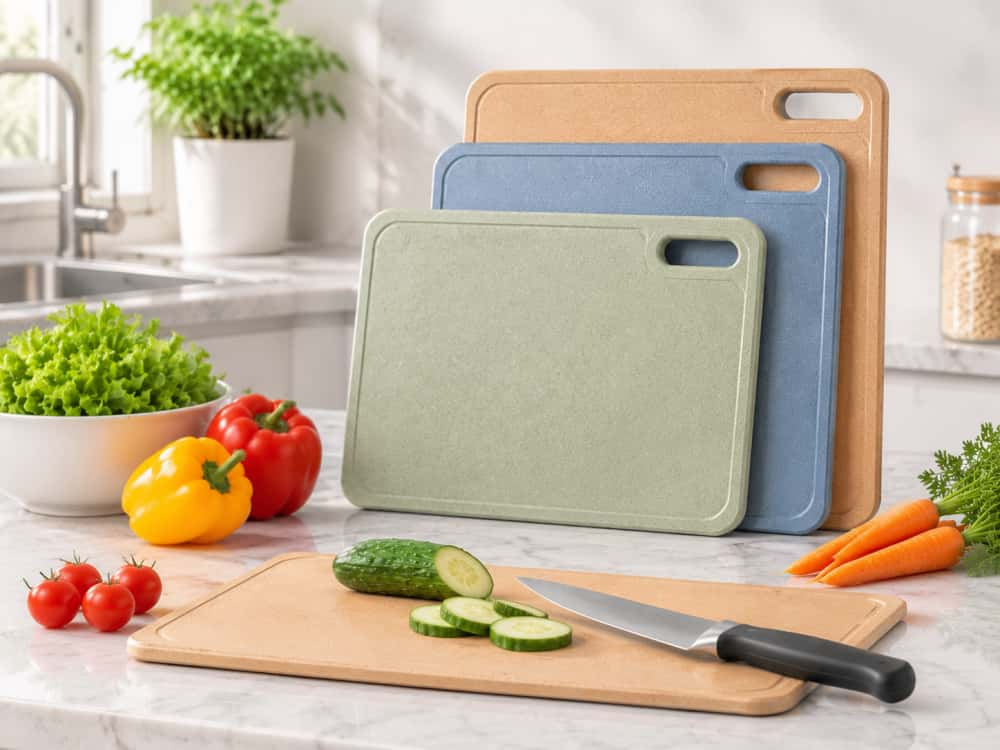
Wood fiber cutting boards have become a popular alternative to traditional wooden and plastic boards. Their smooth surfaces, compact construction, and modern appearance make them attractive for everyday kitchens and commercial kitchenware collections. But are wood fiber cutting boards actually safe for preparing food?
November 4, 2026
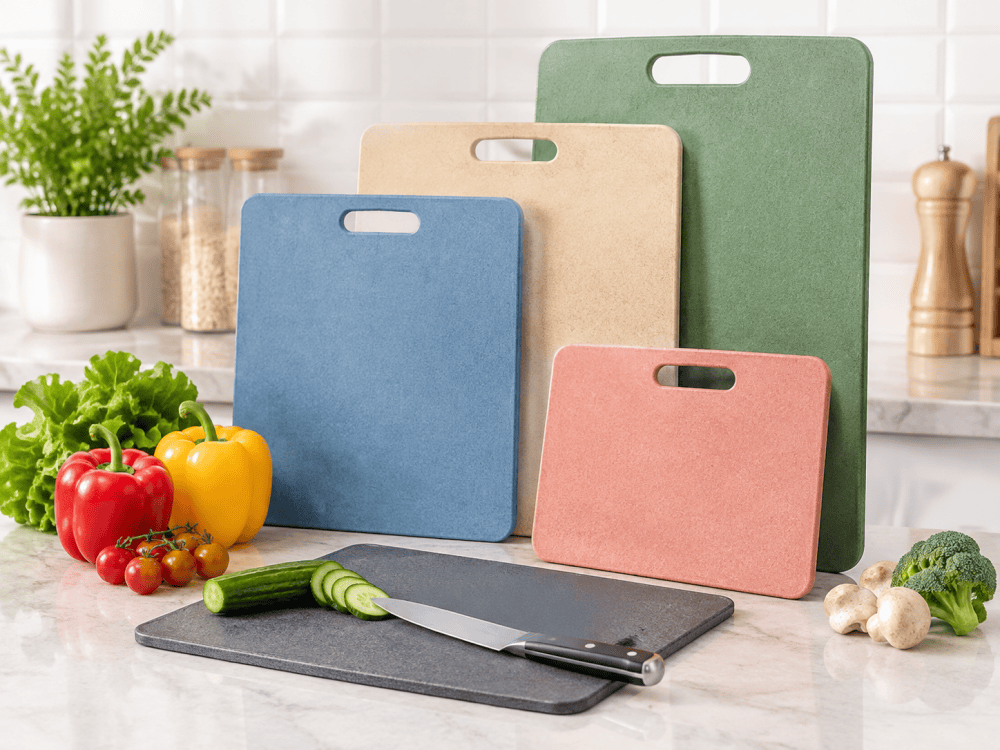
Wood fiber cutting boards have become a popular alternative to traditional wooden and plastic cutting boards. They combine a natural-looking appearance with a dense, durable surface, and some products are designed to withstand dishwasher cleaning.
November 3, 2026
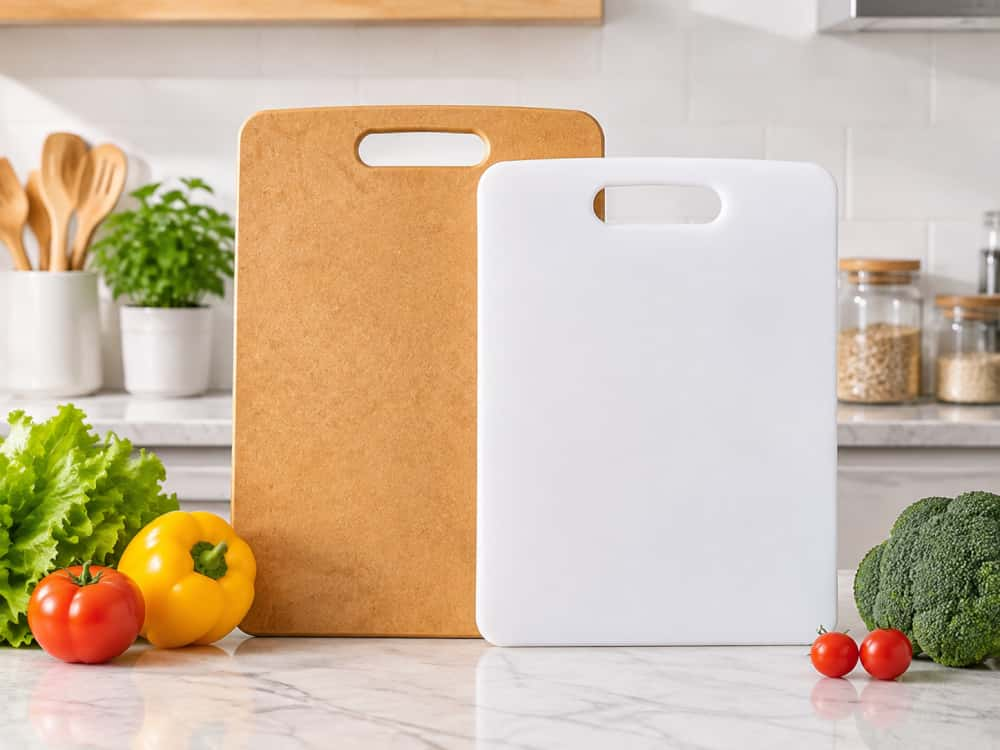
Wood fiber and plastic cutting boards are two popular options for modern food preparation, but they are made differently and serve different needs. Wood fiber boards are engineered from wood-based fibers and a binding system, while plastic boards are manufactured from polymers such as polypropylene (PP) or polyethylene (PE). The differences affect surface feel, maintenance, product design, and purchasing decisions.
November 2, 2026
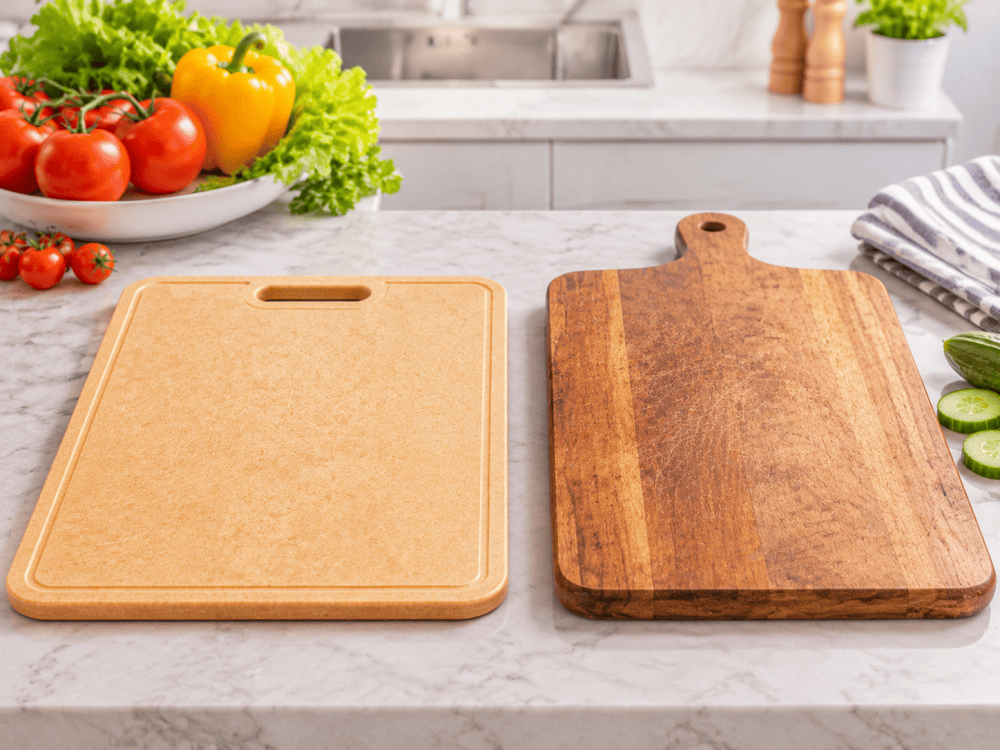
Wood cutting boards have been a kitchen staple for generations. Today, wood fiber cutting boards offer another option, combining wood-based materials with a manufactured composite structure. Although both are associated with wood, they are not the same product. Their construction, surface feel, maintenance requirements, and everyday performance can be quite different.

November 1, 2026
Wood fiber cutting boards have become an interesting alternative to traditional wood and plastic cutting boards. Their engineered structure, firm surface, and modern appearance appeal to many home cooks and kitchenware buyers. But are they actually a good choice? Before buying one, it is important to understand both the advantages and limitations of this material.

October 31, 2026
A wood fiber cutting board offers an alternative to traditional wooden and plastic cutting boards. Made from compressed wood fibers and a binding system, this type of board combines a wood-based appearance with a dense, engineered structure. It is often chosen for its relatively slim profile, firm cutting surface, and practical everyday use.