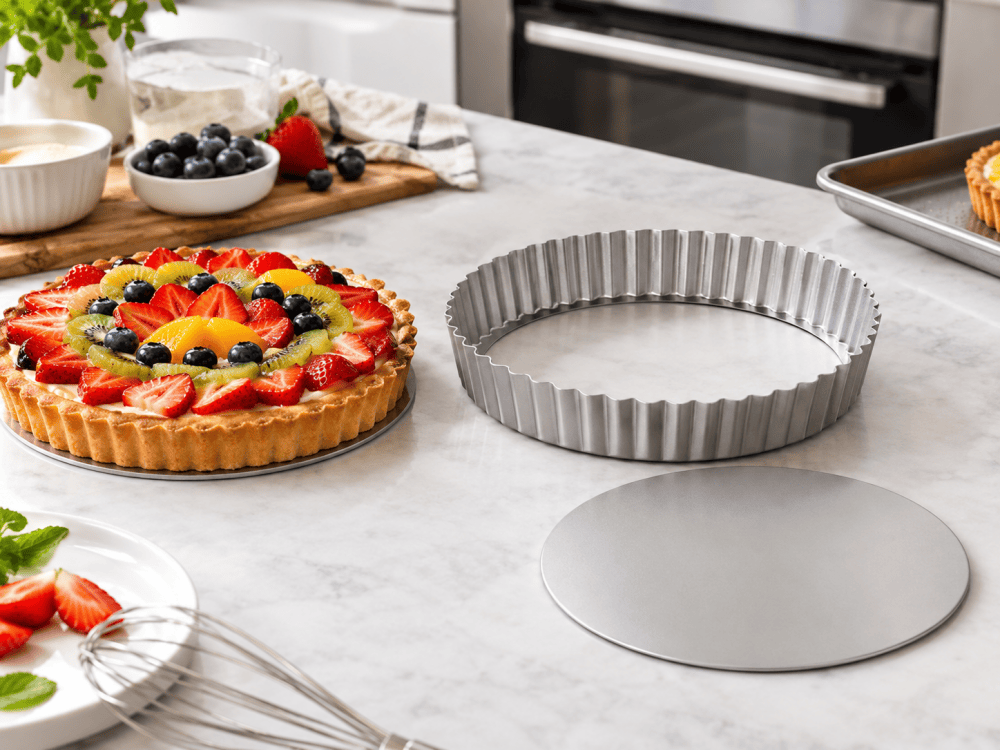
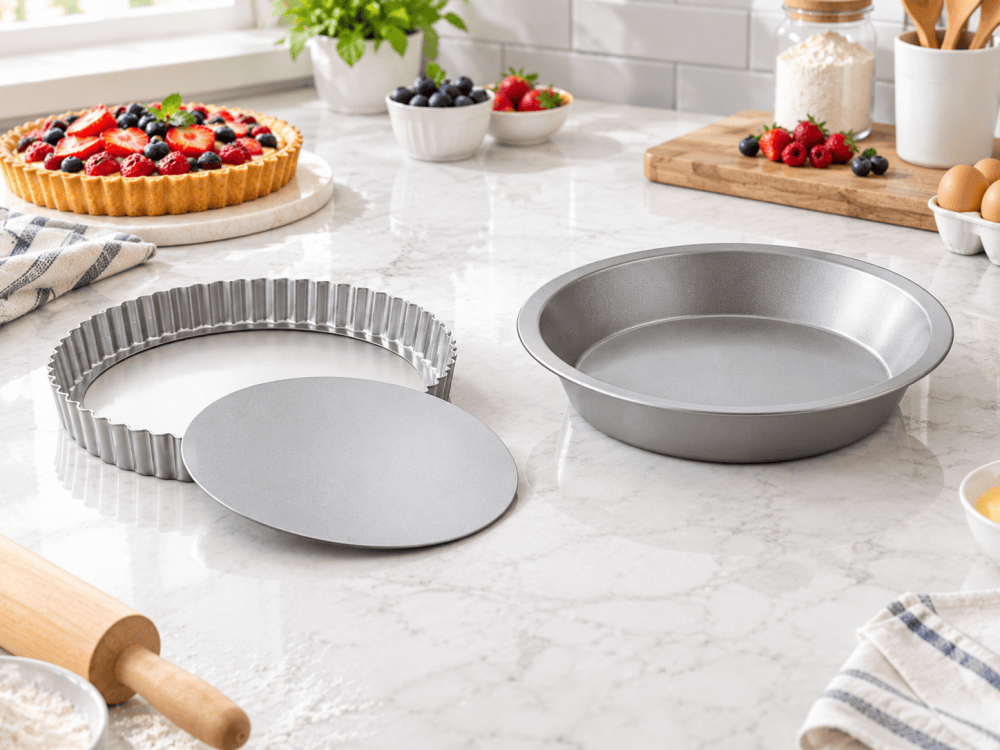
Silicone vs Carbon Steel vs Aluminum Bakeware: Pros & Cons Comparison Guide
Silicone vs Carbon Steel vs Aluminum Bakeware: Pros & Cons Comparison Guide
Choosing the right bakeware material is essential for baking performance, durability, and ease of use. Among the most common options in modern kitchens are silicone bakeware, carbon steel bakeware, and aluminum bakeware.
Each material offers different advantages in heat distribution, non-stick performance, durability, and maintenance. Understanding these differences helps consumers, brands, and distributors select the right baking tools for different applications.
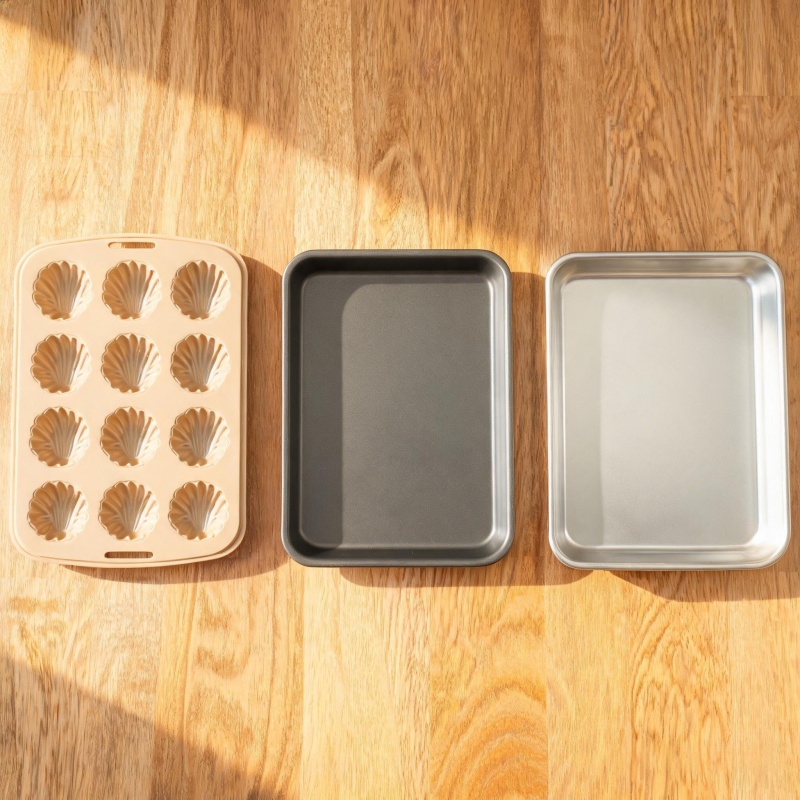
Why Bakeware Material Matters
Bakeware material directly affects baking results such as browning, texture, cooking time, and product lifespan. Different materials are suitable for different baking styles and recipes.
Silicone and metal bakeware continue to dominate global baking markets as consumers seek safer, more durable, and easier-to-clean baking solutions.
Silicone Bakeware
Advantages of Silicone Bakeware
- Excellent non-stick performance
- Flexible and easy to release baked goods
- Lightweight and easy to store
- Safe for non-stick and delicate recipes
Disadvantages of Silicone Bakeware
- Less rigid than metal bakeware
- May require baking trays for stability
- Slower browning performance
Carbon Steel Bakeware
Advantages of Carbon Steel Bakeware
- Excellent heat distribution
- Strong durability for long-term use
- Better browning and crisping results
- Widely used in commercial baking
Disadvantages of Carbon Steel Bakeware
- May rust if coating is damaged
- Heavier than silicone bakeware
- Requires proper maintenance
Aluminum Bakeware
Advantages of Aluminum Bakeware
- Fast and even heat conductivity
- Lightweight and affordable
- Commonly used for baking trays and pans
- Suitable for large-scale baking production
Disadvantages of Aluminum Bakeware
- Can warp under extreme heat
- Lower durability compared to carbon steel
- May react with acidic foods if uncoated
Bakeware Material Comparison Table
| Material | Heat Conductivity | Non-Stick | Durability | Weight |
|---|---|---|---|---|
| Silicone | Medium | Very High | Medium | Very Light |
| Carbon Steel | High | High | Very High | Heavy |
| Aluminum | Very High | Medium | Medium-High | Light |
Which Bakeware Material Is Best for Different Baking Needs?
Best for Easy Release
Silicone bakeware is ideal for cakes, muffins, and desserts that require easy removal.
Best for Professional Baking
Carbon steel bakeware is preferred for breads, cookies, and recipes requiring consistent browning.
Best for Fast Heat Conductivity
Aluminum bakeware heats quickly and evenly, making it suitable for general baking applications.
How Buyers Choose Bakeware Materials
- Baking performance requirements
- Target market positioning
- Durability and product lifespan
- Ease of cleaning and maintenance
- Consumer preference for material safety
Frequently Asked Questions
Is silicone bakeware better than metal bakeware?
Silicone bakeware offers better flexibility and non-stick performance, while metal bakeware provides stronger heat conductivity and browning results.
Which bakeware material lasts the longest?
Carbon steel bakeware generally offers the best long-term durability.
Is aluminum bakeware safe?
Yes, food-grade aluminum bakeware is widely used and considered safe for baking when properly coated or anodized.
Conclusion
Silicone, carbon steel, and aluminum bakeware each offer unique advantages depending on baking style, performance needs, and market positioning. Choosing the right material helps improve baking efficiency, durability, and overall user experience.
Looking for Professional Bakeware Solutions?
We provide silicone, carbon steel, and aluminum bakeware with OEM and private label services for global brands, wholesalers, and distributors.
Related Blogs