

Types of Cookie Cutters: Metal, Plastic and Plunger Cutters
Types of Cookie Cutters: Metal, Plastic and Plunger Cutters
Cookie cutters make it easier to turn rolled cookie dough into consistent shapes for everyday baking, holiday treats, themed parties and creative desserts. From traditional metal cookie cutters to colorful plastic designs and spring-loaded plunger cutters, each type offers a different combination of cutting performance, convenience and design possibilities.
But which cookie cutter should you choose? Are metal cookie cutters better than plastic ones? What makes a plunger cookie cutter different from a regular cutter? And which type is most suitable for detailed shapes, children's baking activities or frequent use?
This guide explains the main types of cookie cutters, compares their materials and functions, and shares practical tips for choosing the right option for home baking, retail products and wholesale sourcing.
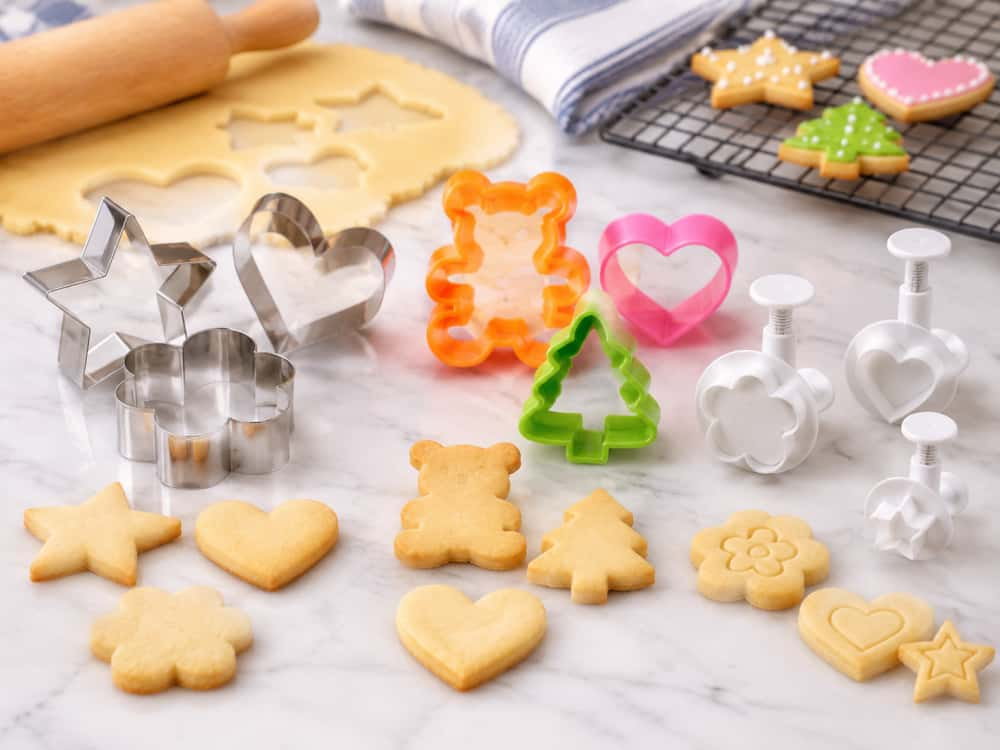
Cookie cutters can be grouped by material and design. The most common material types are metal cookie cutters and plastic cookie cutters. By function, plunger cookie cutters use a spring-loaded mechanism to release cut dough and may also imprint decorative details.
- Metal cookie cutters: Best for clean, defined outlines and cutting firmer dough.
- Plastic cookie cutters: Lightweight, available in colorful designs and suitable for many casual baking activities.
- Plunger cookie cutters: Useful for detailed shapes, decorative impressions and easier dough release.
The best choice depends on the dough, design, frequency of use, user age and care requirements.
1. What Is a Cookie Cutter?
A cookie cutter is a baking tool designed to cut rolled dough into specific shapes before baking. It usually has a shaped cutting edge that creates an outline, such as a circle, star, heart, flower, animal or seasonal design.
Most traditional cookie cutters work by pressing the cutting edge into a sheet of dough. The excess dough is removed, leaving individual pieces ready to transfer to a baking tray.
Some designs do more than cut an outline. Embossing cutters and plunger cutters can also press patterns, letters or decorative details into the dough. This makes them useful for decorated sugar cookies, themed biscuits, fondant work and special-occasion baking.
Although cookie cutters may look simple, their performance depends on several design details:
- Cutting edge: Determines how cleanly the cutter separates the dough.
- Material: Affects rigidity, weight, durability and cleaning requirements.
- Shape and dimensions: Influence the size and appearance of the finished cookies.
- Cutting depth: Determines how much dough the cutter can pass through.
- Handle or pressing surface: Affects comfort and ease of use.
2. Metal Cookie Cutters: Traditional and Precise
Metal cookie cutters are a popular choice for home bakers and professional baking environments. They are commonly made from stainless steel, aluminum, tinplate or other metal materials.
Unlike thicker molded plastic edges, many metal cutters have relatively thin cutting edges. This allows them to separate dough cleanly and create well-defined outlines, particularly when working with chilled or moderately firm cookie dough.
Common Types of Metal Cookie Cutters
Stainless Steel Cookie Cutters
Stainless steel cookie cutters are valued for their strength and corrosion resistance. They are suitable for repeated use when properly manufactured and maintained. Their rigid structure helps the cutter retain its intended shape during normal pressing.
They are a practical option for classic shapes, geometric designs and frequently used baking tools. However, stainless steel products still require appropriate cleaning and drying, and the actual corrosion resistance depends on the steel grade, construction and use conditions.
Aluminum Cookie Cutters
Aluminum cutters are lightweight and can be formed into different outlines. They are often used for traditional or decorative shapes. However, some aluminum designs are relatively easy to bend, so material thickness and construction quality matter when choosing a product for repeated use.
Tinplate Cookie Cutters
Tinplate cutters have a long history in baking. They can be economical and are available in many traditional shapes. However, the protective coating and underlying steel need proper care. Scratches, damaged coatings and prolonged moisture exposure may increase the risk of corrosion.
Advantages of Metal Cookie Cutters
- Clean cutting performance: Thin metal edges can create clear outlines with less dough compression.
- Good structural rigidity: Well-made metal cutters can retain their shape through repeated use.
- Suitable for firm dough: They are useful for chilled sugar cookie dough, shortbread dough and gingerbread dough.
- Classic appearance: Metal finishes work well for traditional baking collections and gift sets.
- Multiple shape options: Common designs include stars, hearts, circles, animals, flowers and holiday shapes.
Limitations of Metal Cookie Cutters
- Some cutting edges can be sharp and may require careful handling.
- Thin metal designs can become bent if stored or handled roughly.
- Some metal types and finishes may corrode if not cleaned and dried properly.
- Metal cutters with narrow or intricate outlines may be harder to clean thoroughly.
3. Plastic Cookie Cutters: Lightweight and Versatile
Plastic cookie cutters are widely used in home baking, children's baking activities and themed baking sets. They are commonly produced through molding processes and can be made in a wide range of colors, sizes and shapes.
Compared with many metal cutters, plastic designs have thicker and less sharp cutting edges. This can make them easier to handle, although the cutting result may be less crisp when used with firm dough or very intricate outlines.
Advantages of Plastic Cookie Cutters
- Lightweight construction: Easy to handle and store.
- Colorful designs: Available in different colors for themed collections and retail sets.
- Comfortable handling: Many designs have rounded or wider pressing surfaces.
- Creative shapes: Molded plastic can incorporate decorative details and more complex structures.
- Suitable for family baking: Many designs are convenient for supervised children's baking activities.
Limitations of Plastic Cookie Cutters
- Thicker cutting edges may compress soft dough rather than slice it cleanly.
- Some plastic materials can deform when exposed to excessive heat.
- Thin or poorly designed sections may crack under pressure.
- Some designs may retain dough in small corners or decorative details.
Plastic cookie cutters are not all the same. Their performance depends on the polymer, product thickness, molding quality and intended use. Buyers should check the manufacturer's care instructions rather than assuming every plastic cutter is dishwasher-safe or heat-resistant.
4. Plunger Cookie Cutters: Cut, Release and Decorate
Plunger cookie cutters are designed to combine cutting with a push-button release mechanism. They usually include three main parts: an outer cutter, a spring-loaded plunger and a pressing or embossing surface.
When the cutter is pressed into rolled dough, the outer edge creates the shape. The plunger can then be pushed to release the dough from the cutter. Depending on the design, it may also press a decorative pattern into the surface of the cookie.
This makes plunger cutters especially useful for decorative cookies, fondant shapes and designs that require more detail than a simple outline.
How Does a Plunger Cookie Cutter Work?
- Prepare the dough: Roll the dough to an even thickness on a lightly floured surface or between sheets of baking parchment.
- Position the cutter: Place the plunger cutter over the desired area.
- Press down: Push the outer cutter into the dough to create the outline.
- Release the dough: Press the plunger to help push the cut shape out.
- Check the detail: If the cutter includes an embossing pattern, check that the design has transferred clearly.
Common Applications of Plunger Cookie Cutters
- Decorative sugar cookies: Create themed shapes with additional surface details.
- Fondant decorations: Cut and imprint fondant for cakes and cupcakes.
- Holiday baking: Make Christmas, Easter, Halloween and Valentine's Day designs.
- Letter and number cookies: Produce decorative alphabet and number shapes.
- Special occasion baking: Create coordinated shapes for birthdays, weddings and celebrations.
Advantages and Limitations of Plunger Cutters
Advantages:
- Help release dough from the cutter more conveniently.
- Can combine cutting and decorative embossing in one tool.
- Offer detailed designs for themed baking and decoration.
- Can produce more consistent decorative patterns when used correctly.
Limitations:
- More moving parts mean more areas that may collect dough.
- Small mechanisms and embossed surfaces can require extra cleaning.
- Very soft or sticky dough may remain inside detailed cutter designs.
- Spring and plunger performance depend on construction quality.
5. Metal vs. Plastic vs. Plunger Cookie Cutters: Comparison
Each cookie cutter type serves a different purpose. The following table summarizes the main differences to help you choose the right design for your baking needs.
| Feature | Metal Cookie Cutters | Plastic Cookie Cutters | Plunger Cookie Cutters |
|---|---|---|---|
| Main characteristic | Thin, rigid cutting edge | Molded, lightweight structure | Spring-loaded cutting and release mechanism |
| Common materials | Stainless steel, aluminum, tinplate | Food-contact-suitable plastic materials | Often molded plastic; construction varies |
| Cutting performance | Generally clean and precise | Depends on edge thickness and dough firmness | Combines cutting with assisted release |
| Decorative details | Usually outline-focused | Some designs include molded details | Often includes embossing or imprinting |
| Ease of handling | Depends on edge and top design | Often lightweight and easy to grip | Requires pressing the cutter and plunger |
| Cleaning | Dry thoroughly when required by material | Follow material-specific care instructions | Clean around the spring and detailed areas |
| Common applications | Classic shapes and firm dough | Family baking and themed sets | Detailed cookies and fondant decorations |
There is no single best cookie cutter for every situation. Metal cutters are often preferred for crisp outlines, plastic cutters offer lightweight and colorful options, and plunger cutters are useful when dough release and decorative impressions are important.
6. How to Choose the Right Cookie Cutter
Before buying a cookie cutter, consider how you plan to use it. The best design for a professional bakery may not be the most convenient option for a family baking kit.
1. Consider the Type of Dough
Different doughs have different textures and levels of firmness. Chilled sugar cookie dough and gingerbread dough generally hold their shape better during cutting. Softer dough may stick to the cutter or lose its outline when removed.
- Firm or chilled dough: Metal cutters are often a good choice for clean outlines.
- Soft cookie dough: Chill the dough before cutting to reduce sticking and distortion.
- Fondant: Plastic cutters and plunger cutters are commonly used for decorative shapes and impressions.
2. Choose the Right Shape and Size
Cookie cutter dimensions affect both appearance and baking results. A large cutter produces fewer cookies per batch, while very small shapes may be difficult to handle and decorate.
When selecting a set, consider whether the shapes are suitable for the intended recipe, baking tray and decoration style. For commercial or retail products, consistent dimensions are particularly important.
3. Check the Cutting Edge
A clean, even cutting edge helps produce consistent shapes. Look for smooth construction without rough burrs, gaps or exposed sharp areas that could affect handling.
For metal cutters, inspect the seam and upper edge. For plastic cutters, check that the cutting edge is sufficiently defined and that the body is not too thin or fragile.
4. Consider Ease of Cleaning
Cookie dough can collect around seams, corners, embossing details and plunger mechanisms. Designs with accessible surfaces are generally easier to clean.
Always follow the manufacturer's washing instructions. Do not assume that every plastic cutter or every metal finish is suitable for dishwasher cleaning.
5. Think About Who Will Use the Cutter
For family baking and children's activities, lightweight plastic designs with comfortable pressing surfaces may be convenient. For frequent baking or more defined outlines, a well-finished metal cutter may be more suitable.
Regardless of material, adult supervision is important when children use baking tools, especially products with metal cutting edges or small removable components.
7. How to Use Cookie Cutters for Better Results
Even a well-designed cookie cutter cannot compensate for dough that is too warm, too sticky or unevenly rolled. A few simple techniques can improve the shape and appearance of your cookies.
Keep the Dough at the Right Temperature
Chilling rolled dough can make it firmer and easier to cut. If the dough becomes sticky or starts losing its shape, refrigerate it briefly before continuing.
Roll the Dough Evenly
Uneven dough thickness can lead to cookies that bake at different rates. Use rolling guides or an adjustable rolling pin to help maintain a consistent thickness.
Press Straight Down
Position the cutter and press straight down. Avoid twisting the cutter excessively, as this can distort the outline or make the dough harder to release.
Use a Light Dusting of Flour
If dough sticks to the cutter, lightly dust the cutting edge with flour between cuts. Avoid using too much flour, as excess flour can affect the surface and texture of the finished cookies.
Remove Excess Dough Carefully
After cutting the shapes, remove the surrounding dough gently. Use a thin spatula to transfer delicate cutouts to the baking tray if necessary.
8. How to Clean and Store Cookie Cutters
Proper cleaning and storage help maintain the appearance and performance of cookie cutters. The correct care method depends on the material and construction.
Cleaning Metal Cookie Cutters
- Wash with warm water and mild dish soap after use, following the product instructions.
- Remove dough residue from seams and corners.
- Rinse thoroughly and dry completely, especially for metal products that may corrode.
- Store in a dry place away from prolonged moisture exposure.
Cleaning Plastic Cookie Cutters
- Use mild dish soap and warm water.
- Clean small corners and decorative details carefully.
- Avoid excessive heat unless the manufacturer confirms the product is heat-resistant.
- Allow the cutters to dry fully before storage.
Cleaning Plunger Cookie Cutters
- Remove visible dough residue from the cutting edge and plunger surface.
- Pay attention to the spring mechanism and small embossed details.
- Follow the manufacturer's instructions before disassembling any parts.
- Make sure all components are clean and dry before storing.
Replace or stop using a cutter if it develops cracks, damaged coatings, persistent corrosion, broken mechanisms or sharp defects that could affect safe handling or food-contact use.
9. Cookie Cutters for Wholesale and Private Label Brands
For importers, wholesalers, retailers and private-label kitchenware brands, cookie cutters offer opportunities to build seasonal baking collections and year-round baking accessories.
When sourcing cookie cutters from a manufacturer, product appearance is only one part of the evaluation. Buyers should also consider material specifications, construction quality, consistency, packaging and the intended market.
Important Factors for B2B Buyers
- Material specifications: Confirm the exact metal grade or plastic material used in the finished product.
- Food-contact suitability: Request relevant material declarations, test reports and compliance documentation for the target market and intended conditions of use.
- Edge finishing: Check for burrs, uneven seams and sharp areas that could create handling concerns.
- Product consistency: Evaluate shape accuracy, dimensions, thickness and color consistency across production batches.
- Plunger performance: For spring-loaded designs, check the release action, spring stability and durability of moving parts.
- Cleaning requirements: Confirm washing instructions and whether any dishwasher-use claims are supported by product testing.
- Packaging: Consider individual packaging, multi-piece sets, storage containers, retail boxes and seasonal gift packaging.
- Customization: Explore custom shapes, colors, sizes, product combinations and private-label packaging.
OEM and ODM Opportunities
Cookie cutters can be developed for different customer groups and retail channels. Depending on the product design and manufacturing capabilities, customization may include:
- Custom shapes for seasonal promotions, holidays and themed collections.
- Multi-piece cookie cutter sets with coordinated designs.
- Different colors and sizes for retail product ranges.
- Custom packaging and private-label branding.
- Plunger cutter designs with specific embossing patterns.
For brands planning to launch a new baking accessories collection, working with an experienced kitchenware supplier can help coordinate product design, material selection, packaging and production requirements.
10. Frequently Asked Questions About Cookie Cutters
1. What are the main types of cookie cutters?
The main types include metal cookie cutters, plastic cookie cutters and plunger cookie cutters. Metal and plastic describe material categories, while plunger cutters describe a functional design with a spring-loaded release mechanism.
2. Are metal cookie cutters better than plastic ones?
Neither type is best for every application. Metal cutters generally provide thinner cutting edges and clean outlines, especially in firmer dough. Plastic cutters are lightweight and available in many colorful designs, making them useful for casual and family baking.
3. What is a plunger cookie cutter used for?
A plunger cookie cutter cuts dough into a shape and uses a spring-loaded mechanism to help release it. Some designs also imprint decorative details, making them useful for themed cookies, sugar cookies and fondant decorations.
4. Are stainless steel cookie cutters rust-proof?
Stainless steel is generally more corrosion-resistant than ordinary carbon steel, but it is not completely rust-proof. Corrosion resistance depends on the steel grade, surface condition and exposure to moisture or corrosive substances. Clean and dry cutters according to the manufacturer's instructions.
5. Can plastic cookie cutters go in the dishwasher?
It depends on the plastic material and product construction. Some plastic cutters may tolerate dishwasher cleaning, while others can warp or become damaged by high temperatures. Always check the manufacturer's care instructions before placing them in a dishwasher.
6. Are plunger cookie cutters suitable for fondant?
Many plunger cutters are designed for fondant as well as cookie dough. They can cut decorative shapes and press patterns into fondant for cakes and cupcakes. The best results depend on the cutter design and the consistency of the fondant.
7. What should I look for when buying cookie cutter sets?
Check the material, cutting edge, dimensions, shape variety, ease of cleaning and storage options. For sets intended for children, also consider comfortable pressing surfaces and age-appropriate handling.
8. Can cookie cutters be customized for private-label brands?
Yes. Depending on the supplier's production capabilities, cookie cutters can be customized in shape, size, color, set combination and packaging. Buyers should confirm design feasibility, minimum order quantities, material specifications and food-contact requirements before placing an order.
Looking for a Cookie Cutter or Baking Accessories Supplier?
Whether you are developing a new baking accessories collection, sourcing cookie cutter sets or planning a private-label kitchenware range, choosing the right materials and product designs is an important first step.
Kitlucy supports kitchenware product development and OEM/ODM customization for brands, wholesalers, retailers and distributors. Contact our team to discuss your product requirements, customization ideas and sourcing plans.
Explore Customization Contact KitlucyRelated Blogs