Are Stainless Steel Cutting Boards Safe?
Are Stainless Steel Cutting Boards Safe? Pros, Cons & Food Safety Guide
Stainless steel cutting boards are becoming increasingly popular in modern kitchens because of their hygienic, non-porous, and durable surface. As more consumers look for safer and easier-to-clean kitchen products, many people ask an important question: are stainless steel cutting boards safe?
The short answer is yes — food-grade stainless steel cutting boards are generally considered safe for food preparation when properly designed and manufactured. They offer strong hygiene advantages and are widely used in both home and commercial kitchens.
Food-grade stainless steel cutting boards are safe because they are non-porous, easy to sanitize, resistant to mold, and less likely to absorb bacteria, moisture, or odors compared to some traditional cutting board materials.
What Is a Stainless Steel Cutting Board?
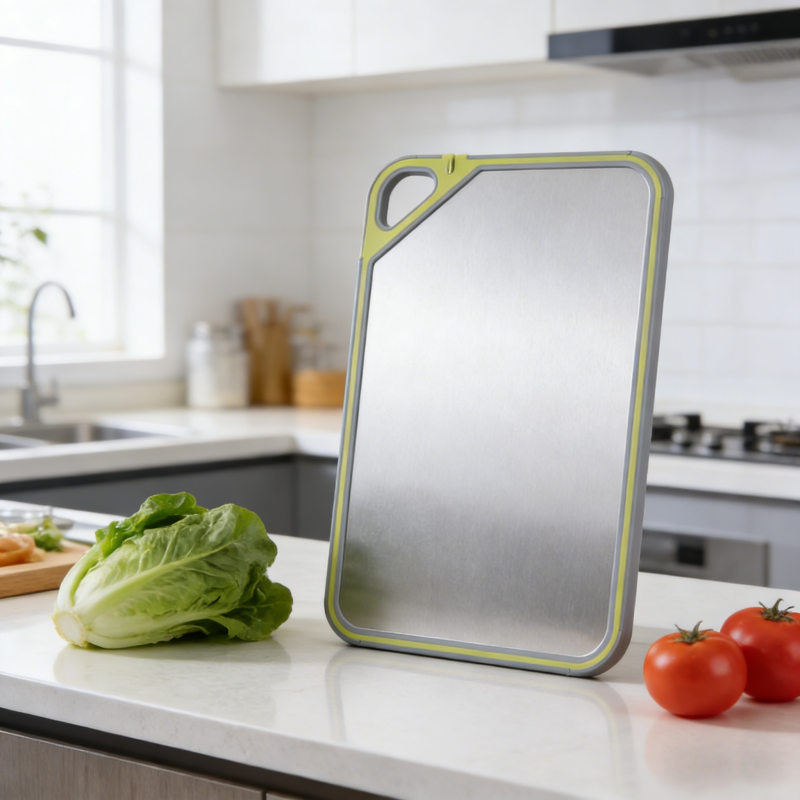
A stainless steel cutting board is a food preparation surface made from food-grade stainless steel, commonly 304 stainless steel.
Unlike wood or plastic boards, stainless steel cutting boards feature a smooth non-porous surface designed to resist moisture absorption and bacterial buildup.
Modern stainless steel cutting board products are increasingly used in modern kitchens because of their durability and hygiene advantages.
Why Stainless Steel Cutting Boards Are Considered Safe
1. Non-Porous Surface
One of the biggest advantages of stainless steel is its non-porous structure. Unlike some wood or worn plastic boards, stainless steel does not absorb food juices, moisture, or odors. This helps reduce bacterial retention and makes cleaning easier. :contentReference[oaicite:0]{index=0}
2. Easy to Sanitize
Stainless steel surfaces can be cleaned quickly using hot water and detergent. Their smooth surface allows easier sanitation compared to heavily grooved cutting boards. :contentReference[oaicite:1]{index=1}
3. Resistant to Mold & Odor
Because stainless steel does not absorb moisture, it is naturally resistant to mold growth and lingering food odors. This makes it especially useful for preparing raw meat, seafood, garlic, and strong-smelling ingredients. :contentReference[oaicite:2]{index=2}
4. No Microplastic Concerns
Some consumers are increasingly concerned about microplastic particles released from worn plastic cutting boards. Stainless steel cutting boards avoid this issue entirely because they do not shed plastic particles during cutting. :contentReference[oaicite:3]{index=3}
Advantages of Stainless Steel Cutting Boards
| Feature | Benefit |
|---|---|
| Non-Porous Surface | Helps reduce bacterial absorption |
| Easy Cleaning | Supports kitchen hygiene |
| Odor Resistant | No smell retention after cutting food |
| Heat Resistant | Handles hot cookware temporarily |
| Durable Structure | Long product lifespan |
| No Microplastics | Avoids plastic particle concerns |

Potential Disadvantages of Stainless Steel Cutting Boards
Knife Wear
One of the most commonly discussed disadvantages is that stainless steel is harder than wood or plastic, which may dull knife edges faster over time.
Noise During Cutting
Some users feel stainless steel cutting boards create louder cutting sounds compared to softer cutting board materials.
Surface Scratches
Although stainless steel is durable, repeated knife contact may still create visible scratch patterns over time.
Many home cooks use stainless steel cutting boards specifically for raw meat, seafood, and sanitation-focused preparation while continuing to use wood boards for knife-sensitive tasks.
304 Stainless Steel vs Other Materials
High-quality cutting boards typically use food-grade 304 stainless steel because it offers:
- Strong corrosion resistance
- Food-safe performance
- Easy maintenance
- Long-term durability
Food-grade stainless steel is widely used in commercial kitchen equipment and food processing environments.
Stainless Steel vs Wood vs Plastic Cutting Boards
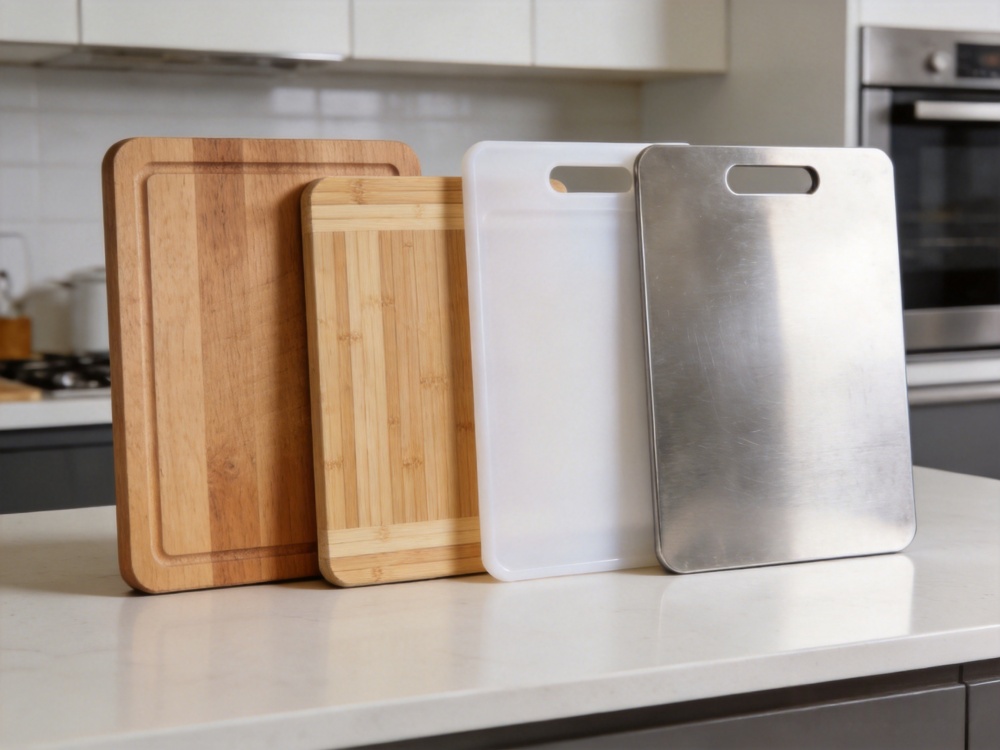
| Feature | Stainless Steel | Wood | Plastic |
|---|---|---|---|
| Hygiene | Excellent | Good | Good |
| Knife Friendly | Medium | Excellent | Good |
| Moisture Resistance | Excellent | Medium | Good |
| Microplastic Risk | None | None | Possible |
| Maintenance | Easy | Higher | Easy |
| Durability | Very High | High | Medium |
Are Stainless Steel Cutting Boards Good for Raw Meat?
Yes. Stainless steel cutting boards are especially suitable for preparing raw meat, poultry, and seafood because they are easier to sanitize completely. USDA food safety guidance also notes that non-porous cutting surfaces are easier to clean. :contentReference[oaicite:4]{index=4}
Many commercial kitchens use stainless steel preparation surfaces because they support fast sanitation and reduce moisture absorption.
How to Choose a Safe Stainless Steel Cutting Board
- Choose food-grade 304 stainless steel
- Select smooth polished edges
- Look for anti-slip backing
- Choose thicker stable construction
- Avoid low-quality thin metal sheets
Consumers today increasingly prefer premium cutting board collections that combine safety, durability, and modern kitchen aesthetics.
How to Maintain Stainless Steel Cutting Boards
- Wash with warm soapy water after use
- Dry completely before storage
- Use soft cloths for polishing
- Avoid abrasive steel scrubbers
- Store in dry kitchen environments
Modern Kitchen Trends Driving Stainless Steel Demand
Modern consumers increasingly prefer stainless steel kitchen products because they offer:
- Minimalist kitchen aesthetics
- Professional kitchen appearance
- Higher hygiene standards
- Long product lifespan
- Low maintenance requirements
Stainless steel cutting boards are becoming particularly popular among consumers seeking hygienic and non-toxic kitchen solutions.
Frequently Asked Questions
Are stainless steel cutting boards hygienic?
Yes. Stainless steel cutting boards are highly hygienic because they are non-porous and easy to sanitize. :contentReference[oaicite:5]{index=5}
Do stainless steel cutting boards dull knives?
They may dull knives faster compared to wood boards because stainless steel is a harder surface.
Are stainless steel cutting boards better than plastic?
Stainless steel avoids microplastic concerns and provides stronger moisture resistance, while plastic may be softer on knives.
Can stainless steel cutting boards rust?
Food-grade 304 stainless steel is highly resistant to rust when properly maintained.
Are stainless steel cutting boards safe for food?
Yes. High-quality food-grade stainless steel cutting boards are generally considered safe for food preparation.
Conclusion
Stainless steel cutting boards are safe, hygienic, durable, and increasingly popular in modern kitchens. Their non-porous surface, easy sanitation, and resistance to mold and odors make them an excellent option for food-safe kitchen preparation.
While they may not be the most knife-friendly surface, stainless steel cutting boards offer major hygiene advantages for consumers focused on cleanliness, durability, and modern kitchen functionality.
Looking for Stainless Steel Cutting Board Solutions?
Kitlucy provides food-grade cutting board solutions including stainless steel, plastic, wheat straw, and multifunctional cutting boards for global wholesalers, retailers, and kitchenware brands.
Related Blogs