Best Tongs for Cooking: How to Choose the Right Kitchen Tongs for Every Task
Best Tongs for Cooking: How to Choose the Right Kitchen Tongs for Every Task
From flipping steaks on the grill to tossing salads and serving pasta, tongs for cooking are among the most versatile tools found in modern kitchens. Despite their simple appearance, choosing the right pair of cooking tongs can significantly improve safety, efficiency, and overall cooking performance.
However, not all kitchen tongs are created equal. Stainless steel, metal, wooden, and silicone-tipped tongs each offer unique advantages depending on how and where they are used.
This guide explores everything you need to know about choosing the best tongs for cooking, including material comparisons, must-have features, and expert recommendations for both home cooks and commercial kitchens.
What Are Tongs for Cooking?
Cooking tongs are handheld kitchen tools designed to grip, lift, turn, transfer, and serve food safely without direct hand contact. They typically feature two arms connected by a spring mechanism that allows users to apply pressure and securely hold food items.
Often described as an extension of the chef's hand, kitchen tongs offer greater control and precision than spatulas or forks in many cooking situations.
Although some people mistakenly search for "tongues for cooking," the correct term is cooking tongs.
A high-quality pair of cooking tongs can replace multiple utensils by helping you flip, serve, toss, plate, and handle hot foods with greater safety and precision.
Why Every Kitchen Needs Cooking Tongs
Many home cooks underestimate the importance of a reliable pair of tongs until they begin using them regularly.
Unlike forks that puncture food or spatulas that require a flat surface, tongs provide a secure grip while preserving texture and presentation.
Common Uses for Cooking Tongs
- Flipping steaks, burgers, and chicken.
- Turning vegetables while roasting.
- Removing fried foods from hot oil.
- Tossing salads evenly.
- Serving bread and pastries.
- Plating pasta and noodles.
- Handling grilled seafood.
- Picking up hot corn on the cob.
- Transferring baked goods from trays.
- Serving buffet dishes hygienically.
Because of this versatility, professional chefs often keep multiple pairs of tongs within easy reach during service.
Different Types of Tongs for Cooking
The best tongs for cooking depend largely on their construction materials and intended use.
Each type offers distinct benefits and limitations.
Stainless Steel Tongs for Cooking
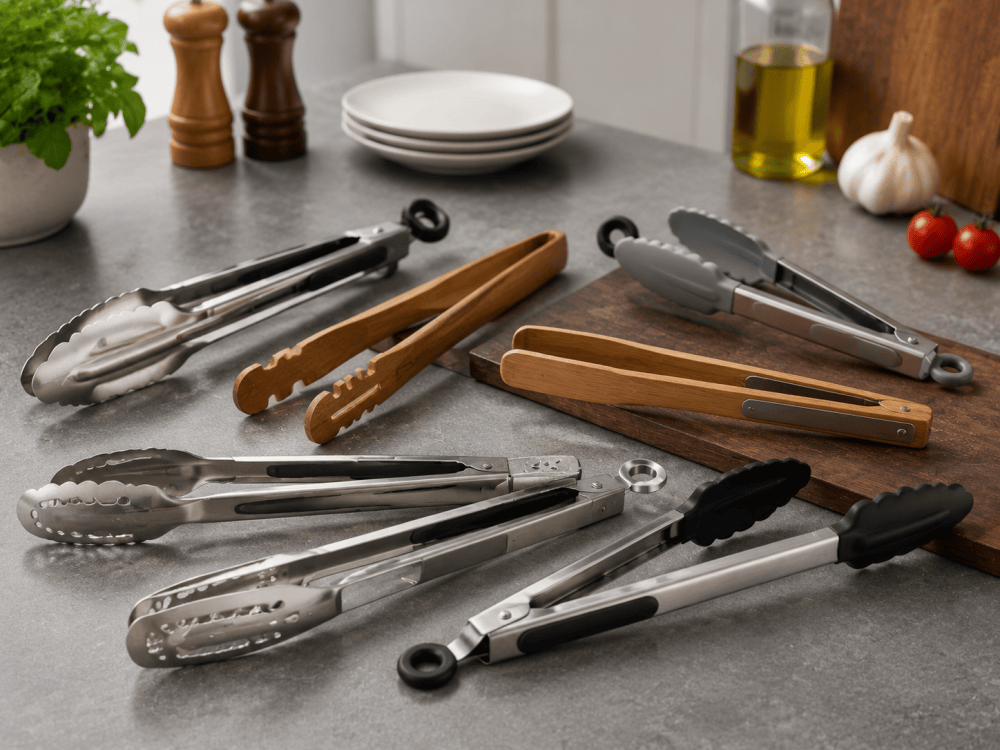
Stainless steel tongs are the most widely used option in commercial kitchens. They offer exceptional heat resistance, strength, and durability.
These tongs perform especially well for grilling, frying, and heavy-duty food handling.
Metal Tongs for Cooking
Metal tongs generally refer to tongs made entirely from stainless steel or other metallic materials.
They are prized for their longevity and ability to withstand demanding cooking environments.
Wooden Tongs for Cooking
Wooden tongs provide a natural appearance and are often preferred for serving bread, pastries, and salads.
Because they are gentler on cookware surfaces, they also appeal to consumers seeking eco-friendly alternatives.
Silicone-Tipped Tongs
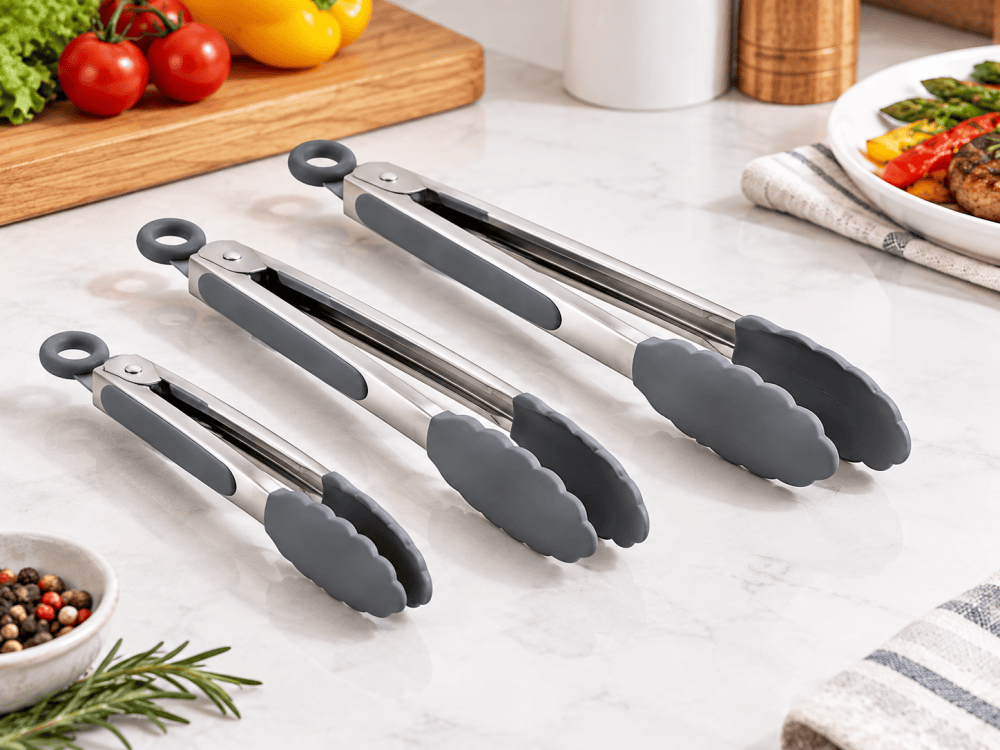
These combine stainless steel bodies with silicone tips to protect nonstick cookware from scratches.
They are especially popular in home kitchens.
Bamboo Tongs
Lightweight and sustainable, bamboo tongs are often used for serving rather than high-heat cooking.
Cooking Tong Material Comparison
| Type | Heat Resistance | Durability | Best Use |
|---|---|---|---|
| Stainless Steel | Excellent | Excellent | Grilling, frying, commercial use |
| Metal | Excellent | Very High | Heavy-duty cooking |
| Wooden | Moderate | Good | Serving bread and salads |
| Silicone-Tipped | Very Good | Good | Nonstick cookware |
| Bamboo | Moderate | Moderate | Light serving tasks |
Features to Look for in the Best Tongs for Cooking
When comparing different models, focusing on functionality rather than appearance often leads to better long-term satisfaction.
Locking Mechanism
A locking system keeps tongs closed during storage, saving drawer space and improving organization.
Spring Tension
Good spring tension provides comfortable operation without excessive force.
Poor-quality springs may loosen over time, reducing control.
Scalloped Tips
Scalloped edges help grip slippery foods more securely without tearing delicate ingredients.
Hanging Loop
Many professional kitchens prefer tongs with hanging loops for quick access during busy service periods.
Dishwasher Safety
Dishwasher-safe tongs simplify cleaning and improve kitchen efficiency.
The best kitchen tongs combine strong construction, comfortable handling, secure grip, and easy cleaning rather than relying solely on aesthetics.
Choosing the Right Tong Length
Length plays an important role in both comfort and safety.
Using tongs that are too short can expose your hands to heat, while excessively long tongs may reduce precision.
| Tong Length | Recommended Use |
|---|---|
| 7–9 inches | Salads, pastries, serving |
| 9–12 inches | Everyday cooking |
| 12–14 inches | Grilling and roasting |
| 14–16 inches | Commercial kitchens and BBQ |
What Do Professional Chefs Look for in Cooking Tongs?
Professional chefs rely heavily on tongs because they offer speed, precision, and versatility.
In commercial kitchens, the ideal pair of tongs typically includes:
- Heavy-duty stainless steel construction.
- Reliable spring mechanisms.
- Heat-resistant performance.
- Dishwasher compatibility.
- Lengths between 12 and 16 inches.
- Secure locking systems.
These features allow chefs to work efficiently under demanding conditions while maintaining food quality and safety.
Stainless Steel Tongs for Cooking: Why They Remain the Industry Standard
Among all types of tongs for cooking, stainless steel models remain the preferred choice in professional kitchens, restaurants, catering businesses, and even serious home kitchens. Their exceptional heat resistance, strength, and long service life make them one of the safest investments for daily cooking.
When consumers search for stainless steel tongs for cooking or metal tongs for cooking, they are usually looking for a tool that can withstand years of use without bending, breaking, staining, or retaining odors.
Unlike wooden or silicone utensils, stainless steel performs exceptionally well under direct heat and intensive food preparation conditions.

Benefits of Stainless Steel Cooking Tongs
- Excellent heat resistance.
- Corrosion-resistant surface.
- Highly durable construction.
- Dishwasher safe.
- Odor and stain resistant.
- Suitable for both home and commercial kitchens.
- Available in multiple sizes.
- Easy to sanitize.
If you only plan to own one pair of cooking tongs, stainless steel tongs offer the best balance between versatility, durability, and food safety.
304 vs 430 Stainless Steel: Which Is Better?
Not all stainless steel tongs are manufactured from the same material. The two most common grades are 304 stainless steel and 430 stainless steel.
| Feature | 304 Stainless Steel | 430 Stainless Steel |
|---|---|---|
| Corrosion Resistance | Excellent | Good |
| Food Safety | Excellent | Excellent |
| Nickel Content | Contains Nickel | Nickel-Free |
| Durability | Superior | Very Good |
| Commercial Use | Highly Recommended | Suitable |
| Price | Higher | More Affordable |
For premium products, 304 stainless steel is generally considered the superior option due to its enhanced resistance to rust and acidic foods.
However, 430 stainless steel remains widely used for budget-friendly kitchen utensils and still provides excellent performance for everyday cooking.
Metal Tongs for Cooking: Pros and Cons
Many shoppers specifically search for metal tongs for cooking because they associate metal construction with durability and professional quality.
While metal tongs perform exceptionally well in most situations, understanding both their strengths and limitations helps buyers choose wisely.
Advantages of Metal Cooking Tongs
- Long lifespan.
- Superior gripping strength.
- Outstanding heat resistance.
- Suitable for grilling and frying.
- Dishwasher safe.
- Professional appearance.
Potential Drawbacks
- May scratch nonstick cookware.
- Slightly heavier than wooden alternatives.
- Premium grades cost more.
For stainless steel cookware, cast iron, grills, and roasting pans, metal tongs remain the gold standard.
Wooden Tongs for Cooking: Are They Worth Buying?
Although stainless steel dominates commercial kitchens, wooden tongs for cooking have experienced growing popularity among eco-conscious consumers.
Their natural appearance and gentle handling characteristics appeal particularly to consumers interested in sustainable kitchen tools.
Advantages of Wooden Tongs
- Natural aesthetic appeal.
- Gentle on cookware.
- Sustainable material option.
- Lightweight design.
- Comfortable grip.
- No metallic taste transfer.
Limitations of Wooden Tongs
- Lower heat resistance.
- Require hand washing.
- Not dishwasher safe.
- Can absorb moisture over time.
- Less suitable for heavy-duty grilling.
Wooden tongs excel as serving utensils rather than primary cooking tools.
Best Tongs for Grilling
Grilling demands tongs that combine strength, reach, and heat resistance.
The best grilling tongs typically feature:
- 12–16 inch length.
- Heavy-duty stainless steel construction.
- Scalloped gripping edges.
- Strong spring mechanisms.
- Locking handles.
Longer tongs keep hands safely away from open flames while maintaining precise food control.
Best Tongs for Frying
Deep frying requires confidence and safety.
The ideal frying tongs should:
- Resist high temperatures.
- Provide excellent grip.
- Avoid slipping.
- Be easy to sanitize.
- Offer sufficient length.
Stainless steel tongs between 10 and 12 inches usually provide the best balance for frying applications.
Avoid short serving tongs when frying. Longer tongs significantly reduce the risk of oil splatter burns.
Best Tongs for Salads and Delicate Foods
Salads require a gentler touch than steaks or grilled meats.
Heavy metal tongs may crush leafy greens and delicate ingredients.
For salads, chefs often recommend:
- Wooden tongs.
- Bamboo tongs.
- Silicone-tipped tongs.
- Lightweight stainless steel designs.
These options preserve presentation while maintaining control.
Best Tongs for Serving
Serving tongs frequently appear at buffets, family gatherings, bakeries, and catered events.
The ideal serving tongs emphasize appearance as much as functionality.
| Serving Scenario | Recommended Tong Type |
|---|---|
| Buffets | Stainless Steel |
| Bread Service | Wooden |
| Pastries | Bamboo |
| Salad Bars | Silicone-Tipped |
| Formal Dining | Polished Stainless Steel |
Best Tongs for Nonstick Cookware
One of the biggest concerns among home cooks is protecting expensive nonstick pans.
Traditional metal tongs may scratch nonstick coatings if used carelessly.
For nonstick cookware, silicone-tipped tongs offer the safest solution.
Why Silicone Tips Work
- Heat resistant.
- Soft contact surface.
- Prevent scratches.
- Easy to clean.
- Maintain strong grip.
Many consumers now consider silicone-tipped stainless steel tongs the best all-around option for everyday home cooking.
Best Tongs for Commercial Kitchens
Commercial kitchens prioritize speed, durability, and hygiene above all else.
The most commonly used professional cooking tongs typically feature:
- 304 stainless steel construction.
- 12–16 inch lengths.
- Dishwasher-safe designs.
- Heavy-duty spring systems.
- Scalloped gripping ends.
- Locking mechanisms.
Restaurants often maintain multiple sets of tongs assigned to specific food stations to support food safety practices.
Home vs Commercial Cooking Tongs Comparison
| Feature | Home Kitchens | Commercial Kitchens |
|---|---|---|
| Typical Length | 9–12 inches | 12–16 inches |
| Primary Material | Silicone + Stainless Steel | 304 Stainless Steel |
| Main Priority | Versatility | Durability |
| Dishwasher Use | Frequent | Essential |
| Nonstick Compatibility | Important | Less Critical |
| Replacement Frequency | Occasional | Regular Commercial Cycles |
Understanding how professional chefs use tongs can help consumers choose products that deliver long-term performance in their own kitchens.
How to Clean and Maintain Cooking Tongs Properly
Even the best tongs for cooking will lose performance if they are not cleaned and maintained correctly. Food residue, grease buildup, and moisture exposure can shorten the lifespan of kitchen tongs and compromise food safety.
Fortunately, maintaining cooking tongs is relatively simple when proper cleaning habits are followed.
How to Clean Stainless Steel Tongs
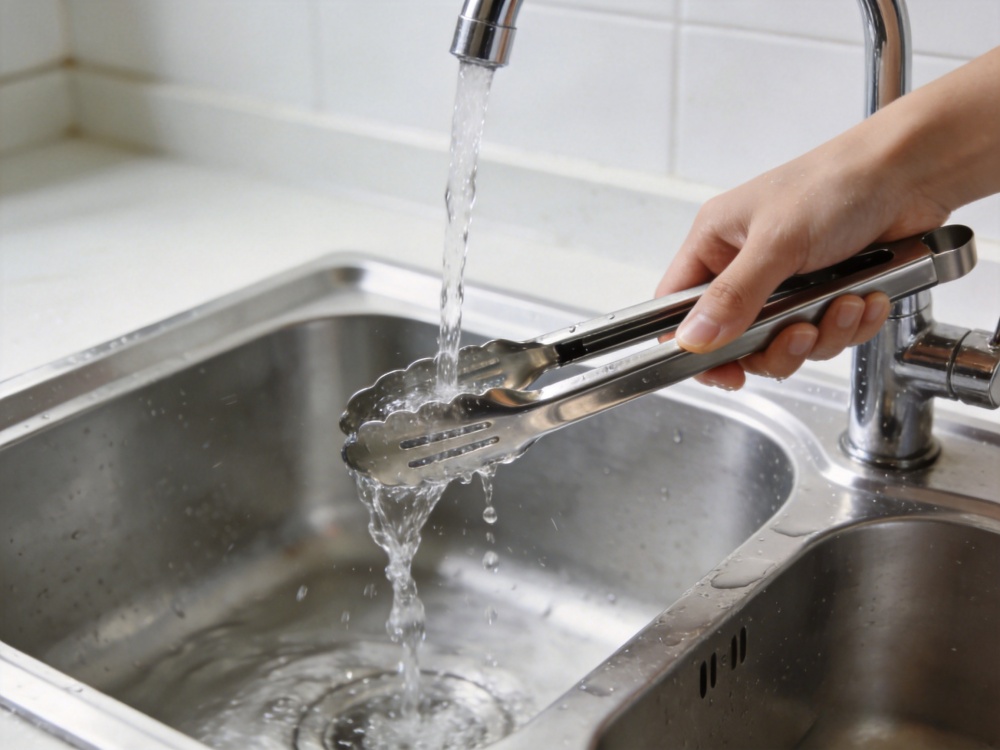
- Wash immediately after use to prevent grease buildup.
- Use warm water and mild dish soap.
- Pay special attention to the spring and hinge area.
- Most stainless steel tongs are dishwasher safe.
- Dry thoroughly before storing.
How to Clean Wooden Tongs
- Hand wash only.
- Never soak in water.
- Dry immediately using a clean towel.
- Store in a well-ventilated area.
- Apply food-grade mineral oil occasionally.
How to Clean Silicone-Tipped Tongs
- Remove detachable tips if applicable.
- Dishwasher cleaning is usually acceptable.
- Inspect silicone regularly for cracks.
- Avoid prolonged exposure to direct flames.
If your tongs develop loose springs, damaged locking mechanisms, or cracked tips, replacement is often safer and more cost-effective than repair.
Common Mistakes When Using Cooking Tongs
Even experienced cooks sometimes misuse kitchen tongs, reducing their effectiveness and lifespan.
Using Metal Tongs on Delicate Nonstick Surfaces
Bare stainless steel tips can scratch nonstick coatings over time. Silicone-tipped tongs are the better choice for these pans.
Choosing the Wrong Length
Short tongs used for grilling expose hands to heat, while excessively long tongs can reduce control for smaller tasks.
Using Serving Tongs for Heavy Cooking
Decorative or lightweight serving tongs are not designed for flipping heavy cuts of meat or handling hot cookware.
Ignoring Hinge Cleaning
Food particles often accumulate near the spring mechanism. Failure to clean this area properly can create hygiene issues.
Storing Tongs While Wet
Moisture trapped in locking systems may eventually affect functionality, especially in lower-quality products.
How to Choose the Best Tongs for Cooking
The ideal pair of cooking tongs depends on your cooking habits, cookware type, and intended applications.
Ask Yourself These Questions:
- Do you cook primarily on nonstick cookware?
- Do you grill frequently?
- Will the tongs be used commercially?
- Do you prioritize sustainability?
- How often will the tongs be washed?
- Do you need one multipurpose pair or several specialized options?
Best Recommendations by Use Case
| Cooking Need | Recommended Tong Type |
|---|---|
| Everyday Home Cooking | Silicone-Tipped Stainless Steel |
| Professional Kitchens | 304 Stainless Steel |
| Grilling & BBQ | Long Stainless Steel Tongs |
| Nonstick Cookware | Silicone-Tipped Tongs |
| Bread & Pastries | Wooden Tongs |
| Buffet Service | Polished Stainless Steel |
| Eco-Conscious Consumers | Wooden or Bamboo Tongs |
Frequently Asked Questions About Tongs for Cooking
What are the best tongs for cooking?
For most users, silicone-tipped stainless steel tongs provide the best balance of versatility, safety, and durability. Professional chefs often prefer 304 stainless steel tongs for demanding kitchen environments.
Are stainless steel tongs safe for cooking?
Yes. Food-grade stainless steel tongs are highly resistant to heat, corrosion, and staining, making them one of the safest kitchen utensil options available.
Can metal tongs damage nonstick pans?
Yes. Bare metal tips can scratch nonstick coatings. Silicone-tipped tongs are recommended for nonstick cookware.
Are wooden tongs safe?
Yes. Properly manufactured wooden tongs made from food-safe hardwoods are safe for serving and light cooking applications.
What size cooking tongs should I buy?
Nine to twelve inches is ideal for everyday cooking, while twelve to sixteen inches works best for grilling and commercial kitchens.
Can cooking tongs go in the dishwasher?
Most stainless steel and silicone-tipped tongs are dishwasher safe. Wooden tongs should always be hand washed.
Do professional chefs use tongs?
Absolutely. Tongs are among the most frequently used tools in commercial kitchens because of their speed, versatility, and control.
How long do cooking tongs last?
High-quality stainless steel tongs can last for many years with proper care, while lower-quality models may require replacement sooner.
What are wooden tongs best used for?
Wooden tongs excel at serving bread, pastries, salads, and delicate foods that require gentle handling.
Should I own more than one pair of tongs?
Yes. Many cooks benefit from having at least two pairs: one for heavy-duty cooking and one for serving or nonstick cookware.
Conclusion
From flipping steaks and frying chicken to serving salads and pastries, tongs for cooking are among the most practical tools any kitchen can own. Choosing the right material, length, and design allows cooks to improve efficiency, enhance food presentation, and cook more safely.
For most households, silicone-tipped stainless steel tongs offer the best overall performance. For professional kitchens and grilling enthusiasts, heavy-duty stainless steel tongs remain the preferred choice. Meanwhile, wooden tongs continue to attract consumers seeking sustainable and aesthetically pleasing alternatives.
Ultimately, investing in high-quality cooking tongs is a small decision that can significantly improve everyday kitchen experiences.
Looking for Reliable Cooking Tongs Manufacturers?
Kitlucy specializes in manufacturing premium kitchen utensils, including stainless steel tongs, silicone-tipped tongs, wooden serving tongs, and customized kitchen tool sets for global brands and distributors.
Whether you need OEM, ODM, private label solutions, or bulk wholesale supply, our experienced team can support your business with material selection, logo customization, packaging design, and international shipping.
Explore Our Services:
Recommended Related Articles
- Silicone vs Stainless Steel Kitchen Utensils: Which Is Better?
- Are Silicone Kitchen Utensils Safe?
- Best Kitchen Gadgets Every Home Cook Needs
- Non-Toxic Cooking Utensils: Complete Buying Guide
- How to Choose the Best Kitchen Utensil Set
Related Blogs