BPA-Free Plastic Ice Cube Trays: What You Should Know
BPA-Free Plastic Ice Cube Trays: What You Should Know
Plastic ice cube trays remain one of the most common solutions for home kitchens because they are lightweight, affordable, and easy to use. However, with increasing consumer attention toward food safety, many buyers now ask an important question:
Are BPA-free plastic ice cube trays safe?
For consumers, retailers, and kitchenware brands, understanding BPA-free materials, plastic safety standards, and product quality differences is essential when choosing reliable ice cube trays.
This guide explains everything you should know about BPA-free plastic ice cube trays, including safety, advantages, material comparison, and wholesale purchasing considerations.
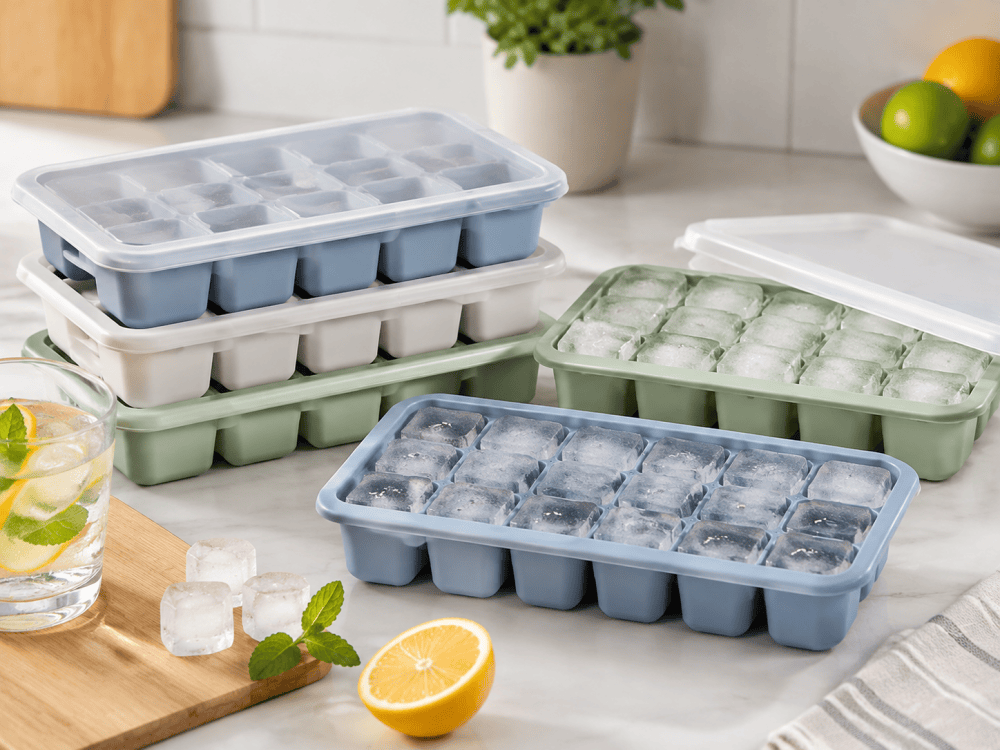
Yes, BPA-free plastic ice cube trays are generally considered safe for food contact when they are manufactured using food-grade materials and meet relevant safety standards.
What Are BPA-Free Plastic Ice Cube Trays?
BPA-free plastic ice cube trays are made from plastic materials that do not contain Bisphenol A (BPA), a chemical historically used in some plastic manufacturing processes.
Because ice cubes directly contact beverages, food safety has become an important factor in ice tray selection. Modern manufacturers increasingly use BPA-free materials to meet consumer expectations and international market requirements.
Common Plastic Materials Used for Ice Cube Trays
- PP (Polypropylene)
- PET-related food-contact plastics
- Food-grade plastic blends
Among these materials, polypropylene (PP) is one of the most commonly used options for reusable kitchen ice cube trays because of its durability, lightweight structure, and food-contact suitability.
Why BPA-Free Matters for Ice Cube Trays
BPA-free labeling has become an important purchasing factor because consumers are increasingly concerned about the safety of products that come into direct contact with food and beverages.
1. Reduces Consumer Safety Concerns
BPA-free materials help reassure consumers that the product is designed for safer food-contact applications.
2. Supports Global Market Requirements
Many international buyers request food-grade documentation and compliance information before purchasing kitchenware products.
3. Improves Brand Trust
For kitchenware brands and retailers, using BPA-free materials can strengthen product positioning and improve consumer confidence.
Are BPA-Free Plastic Ice Cube Trays Safe?
High-quality BPA-free plastic ice cube trays are generally safe when produced with food-grade materials and controlled manufacturing processes.
However, BPA-free does not automatically mean every plastic product is suitable for food contact. Material quality, production standards, and supplier reliability are equally important.
When sourcing plastic ice cube trays, always check material specifications, food-contact compliance documents, and supplier quality control processes.
BPA-Free Plastic Ice Cube Trays vs Silicone Ice Cube Trays
When choosing ice cube trays, buyers often compare BPA-free plastic and silicone materials. Both options have their own advantages depending on product positioning, target customers, and usage requirements.
| Feature | BPA-Free Plastic Ice Cube Tray | Silicone Ice Cube Tray |
|---|---|---|
| Material Flexibility | Rigid structure, maintains fixed shape | Flexible and easy to bend |
| Ice Removal | May require twisting or tapping | Easy release by pushing or bending |
| Durability | Good durability with quality plastic | Excellent resistance to cracking and temperature changes |
| Design Options | Suitable for standard cube shapes | Ideal for creative shapes and large ice molds |
| Cost | Lower production cost | Higher premium positioning |
| Target Market | Mass retail and budget markets | Premium kitchenware and lifestyle markets |
Advantages of BPA-Free Plastic Ice Cube Trays
1. Affordable and Practical
One of the biggest advantages of BPA-free plastic ice cube trays is their cost efficiency. They provide a practical solution for consumers who need simple and functional freezer accessories.
For wholesalers and retailers, plastic ice trays are attractive because they can support competitive pricing and large-volume orders.
2. Lightweight and Easy to Store
Plastic ice cube trays are lightweight compared with other materials, making them easy to organize and store in household freezers.
Their rigid structure also allows convenient stacking, which is useful for consumers with limited freezer space.
3. Suitable for Mass Production
Plastic materials are highly suitable for large-scale manufacturing. Manufacturers can efficiently produce different sizes, colors, and designs according to market requirements.
This makes BPA-free plastic ice cube trays a popular choice for supermarket programs, promotional products, and private label kitchen accessories.
4. Wide Range of Designs
Although plastic trays are commonly associated with traditional square ice cubes, modern designs now include:
- Stackable ice cube trays
- Covered freezer trays
- Colorful household ice molds
- Compact travel-friendly designs
Limitations of BPA-Free Plastic Ice Cube Trays
1. Less Flexible Than Silicone
Because plastic trays have a rigid structure, removing ice cubes may require more effort compared with flexible silicone designs.
2. Possible Cracking Over Time
Low-quality plastic materials may become brittle after repeated freezing and temperature changes.
Choosing reliable food-grade plastic materials helps improve durability and product lifespan.
3. Limited Premium Appearance
Compared with silicone molds that support creative shapes and premium designs, traditional plastic trays are often positioned as practical rather than luxury kitchen accessories.
FDA and Food Contact Safety Standards for Plastic Ice Cube Trays
For international kitchenware markets, food-contact safety compliance is an important consideration when sourcing BPA-free plastic ice cube trays.
FDA Requirements
In the United States market, buyers commonly request materials that comply with FDA food-contact requirements. These standards help ensure that products are suitable for their intended food applications.
European Food Safety Requirements
European buyers may require compliance with EU food-contact regulations and related testing documents to ensure product safety.
What Buyers Should Check
- BPA-free material confirmation
- Food-grade raw material information
- Migration testing reports
- Supplier quality control procedures
- Production consistency
For large-volume retail markets, BPA-free plastic ice cube trays remain highly competitive because they combine affordability, practicality, and efficient production.
How Wholesale Buyers Choose BPA-Free Plastic Ice Cube Trays
For kitchenware distributors and private label brands, choosing the right plastic ice cube tray requires considering both product performance and market positioning.
1. Material Quality
Reliable suppliers should clearly specify plastic materials and provide food-contact safety information.
2. Product Design
Different markets may require different designs, including:
- Standard ice cube trays for daily household use
- Ice trays with lids for hygiene protection
- Stackable freezer solutions
- Customized colors and packaging
3. Target Customer Group
| Market Position | Recommended Product Type |
|---|---|
| Budget household market | BPA-free plastic ice cube trays |
| Premium kitchenware market | Silicone ice molds |
| Gift and lifestyle market | Creative silicone or customized ice trays |
| Supermarket bulk programs | Cost-effective plastic ice trays |
How to Clean and Maintain BPA-Free Plastic Ice Cube Trays
Proper cleaning and maintenance are important for keeping BPA-free plastic ice cube trays hygienic and extending their service life.
Wash Before First Use
Before making ice, clean the tray with warm water and mild dish soap to remove any dust or manufacturing residues from production and packaging.
Avoid High Heat Exposure
Although food-grade plastic ice cube trays are designed for freezer use, excessive heat exposure may affect the material performance. Avoid placing plastic trays near high-temperature sources unless the manufacturer confirms heat resistance.
Prevent Odor Absorption
Plastic materials may absorb strong odors if stored with heavily scented foods. Keeping the tray clean and dry helps maintain better ice quality.
Use Proper Cleaning Methods
- Use mild detergents for daily cleaning
- Avoid abrasive cleaning tools
- Allow the tray to dry completely before storage
- Follow manufacturer cleaning instructions
Different Types of BPA-Free Plastic Ice Cube Trays
| Type | Features | Best Application |
|---|---|---|
| Standard Cube Ice Tray | Simple square ice cubes, affordable design | Daily household drinks |
| Ice Cube Tray with Lid | Provides hygiene protection and prevents freezer odors | Family kitchens and storage-focused users |
| Stackable Ice Tray | Space-saving structure | Small freezer spaces |
| Colorful Plastic Ice Tray | Attractive appearance and lifestyle design | Retail and gift markets |
Common Mistakes When Buying Plastic Ice Cube Trays
Choosing Price Over Material Quality
The cheapest plastic ice cube tray may not always provide reliable performance. Low-quality materials can affect durability and consumer satisfaction.
Ignoring Food Contact Compliance
For export markets, buyers should confirm whether suppliers can provide food-grade material information and necessary compliance documents.
Overlooking Product Design
Modern consumers expect more than basic functionality. Features such as lids, stackable designs, and attractive colors can improve product competitiveness.
Frequently Asked Questions
Are BPA-free plastic ice cube trays safe?
Yes. BPA-free plastic ice cube trays made with food-grade materials are generally considered safe for food and beverage applications when manufactured according to appropriate safety standards.
What plastic is best for ice cube trays?
Food-grade polypropylene (PP) is one of the most commonly used materials because it offers durability, lightweight performance, and good suitability for kitchen applications.
Is BPA-free plastic better than regular plastic?
BPA-free plastic avoids the use of Bisphenol A and is preferred for many food-contact products because of increased consumer safety expectations.
Can BPA-free plastic ice cube trays go in the freezer?
Yes. BPA-free plastic ice cube trays are specifically designed for freezer environments and daily ice-making applications.
How long do plastic ice cube trays last?
The lifespan depends on material quality, product design, and usage frequency. High-quality BPA-free plastic trays can provide long-term household use.
Are plastic or silicone ice cube trays better?
Plastic trays are more affordable and suitable for mass markets, while silicone trays provide easier demolding and more premium design options. The best choice depends on product positioning and user needs.
Conclusion
BPA-free plastic ice cube trays remain a practical and popular choice for modern kitchens because they combine affordability, lightweight design, and convenient everyday use.
For consumers, choosing food-grade BPA-free materials provides better confidence in product safety. For wholesalers and kitchenware brands, high-quality plastic ice cube trays offer excellent opportunities in mass retail, private label, and promotional product markets.
When sourcing plastic ice cube trays, buyers should focus on material quality, food-contact compliance, product design, and supplier reliability to ensure long-term market success.
Looking for BPA-Free Plastic Ice Cube Trays?
Kitlucy provides food-grade kitchen accessories and ice mold solutions with OEM and private label services for global wholesalers, distributors, and retailers.
Related Blogs