Can Silicone Go in the Microwave? Complete Guide to Microwave-Safe Silicone Kitchenware
Can Silicone Go in the Microwave? Complete Guide to Microwave-Safe Silicone Kitchenware
As silicone kitchen products become increasingly popular, many consumers ask an important question: Can silicone go in the microwave? Whether you are using silicone baking molds, silicone food containers, muffin cups, or cooking utensils, understanding how silicone performs under microwave heat is essential for both safety and product longevity.

The short answer is yes—most food-grade silicone products are microwave safe. However, not all silicone products are manufactured to the same standards. Material quality, certification, temperature resistance, and manufacturing processes all influence microwave performance.
High-quality food-grade silicone can safely go in the microwave. Premium FDA-approved and LFGB-certified silicone products are designed to withstand microwave temperatures without melting, cracking, or releasing harmful substances.
What Is Silicone?
Silicone is a synthetic material made primarily from silicon, oxygen, carbon, and hydrogen. Unlike conventional plastics, silicone remains stable across a wide temperature range and does not become brittle when exposed to cold or soft when exposed to heat.
Because of these properties, silicone has become one of the most widely used materials in modern kitchenware.
- Silicone baking molds
- Silicone spatulas
- Silicone baking mats
- Silicone food storage containers
- Silicone ice trays
- Silicone kitchen utensil sets
Why Silicone Is Microwave Safe
Microwave ovens heat food by exciting water molecules rather than directly heating the container itself. Food-grade silicone is highly resistant to microwave energy and does not absorb microwave radiation in the same way some materials do.
This allows silicone products to remain structurally stable during microwave use.
- Does not melt under normal microwave temperatures
- Maintains flexibility after repeated heating
- Resists cracking and warping
- Does not rust or corrode
- Suitable for repeated heating cycles
Does Silicone Melt in the Microwave?
One of the most common concerns is whether silicone will melt.
Under normal microwave cooking conditions, quality food-grade silicone does not melt.
| Material | Typical Heat Resistance |
|---|---|
| Food Grade Silicone | 230°C (446°F) |
| Premium LFGB Silicone | 250°C (482°F) |
| Standard Plastic | 80-120°C (176-248°F) |
Because microwave cooking temperatures are generally well below these limits, silicone remains stable during normal use.
Is Silicone Microwave Safe?
The phrase "is silicone microwave safe" is one of the most searched questions among consumers purchasing baking molds, food containers, and kitchen utensils.
The answer depends largely on the quality of the silicone.
High-quality food-grade silicone is specifically designed to tolerate rapid temperature changes and repeated exposure to microwave heat. Unlike some plastics that can soften, warp, or release chemicals, certified silicone maintains its structure and food-contact safety.
However, consumers should understand that not all silicone products are created equal.
Characteristics of Microwave Safe Silicone
- Made from 100% food-grade silicone
- FDA or LFGB certified
- BPA-free
- Odor resistant
- Heat resistant above 230°C (446°F)
- Flexible after repeated heating cycles
- No cracking or discoloration

The safest silicone products for microwave use are typically LFGB-certified silicone products because LFGB standards are among the strictest food-contact regulations in the world.
Can Silicone Baking Molds Go in the Microwave?
Yes. One of the biggest advantages of silicone bakeware is its excellent microwave compatibility.
Consumers frequently search:
- can silicone molds go in the microwave
- can silicone baking molds go in the microwave
- microwave safe silicone molds
- silicone cake mold microwave safe
Silicone molds are commonly used for:
- Cakes
- Muffins
- Cupcakes
- Chocolate
- Puddings
- Egg dishes
- Frozen desserts
Because silicone is naturally flexible, food can often be released more easily than from traditional metal bakeware.
Additionally, silicone molds heat more evenly, helping reduce hot spots during microwave cooking.
Can Silicone Utensils Go in the Microwave?
Many consumers wonder whether everyday kitchen utensils made from silicone can be placed inside microwave ovens.
In general, food-grade silicone utensils are microwave safe.
This includes:
- Silicone spatulas
- Silicone spoons
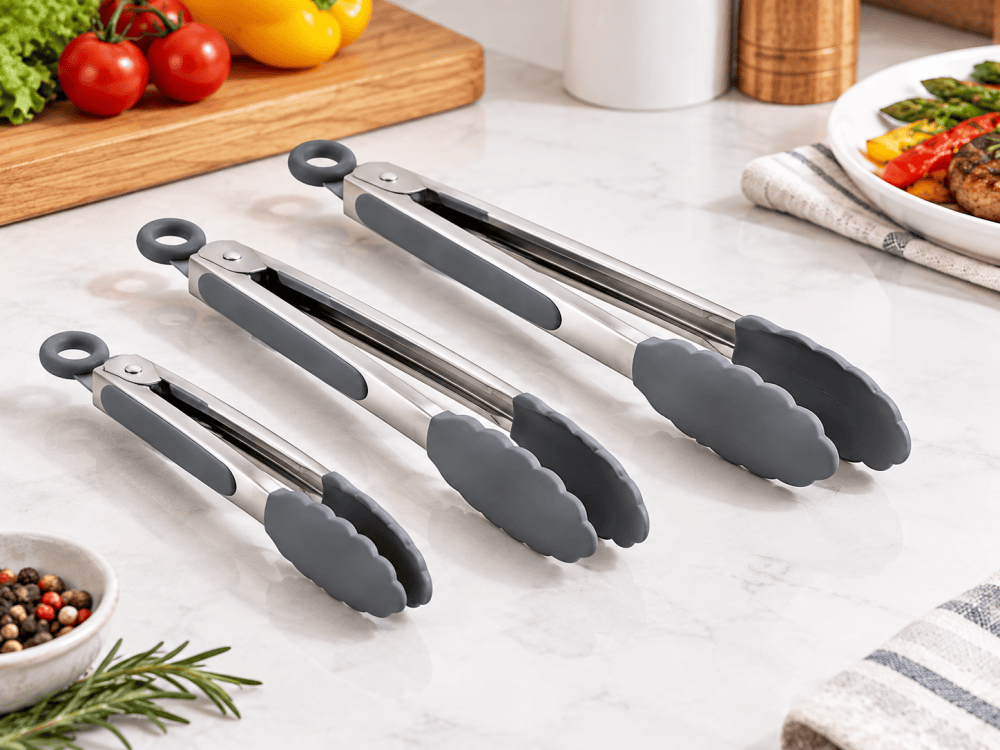
- Silicone tongs with silicone tips
- Silicone pastry brushes
- Silicone cooking tools
However, users should inspect products carefully.
Some silicone utensils contain internal metal reinforcement rods for additional strength. While the silicone itself is microwave safe, exposed metal components should never be placed in a microwave.
Can Silicone Food Containers Go in the Microwave?
Food storage containers made from premium silicone are among the fastest-growing kitchen product categories worldwide.
Compared with plastic containers, silicone containers offer several advantages:
| Feature | Silicone Containers | Plastic Containers |
|---|---|---|
| Microwave Safety | Excellent | Varies |
| Heat Resistance | Up to 230-250°C | Usually Below 120°C |
| BPA-Free | Typically Yes | Depends on Material |
| Flexibility | Excellent | Limited |
| Durability | Long-Term | Moderate |
Because silicone does not become brittle over time, many consumers view it as a more sustainable alternative to disposable plastic food containers.
Silicone vs Plastic: Which Is Better for Microwave Use?
One of the most valuable SEO topics related to microwave safety is the comparison between silicone and plastic.
While both materials are widely used in kitchens, their performance differs significantly under heat.
Advantages of Silicone Over Plastic
- Higher temperature resistance
- Better flexibility
- Longer lifespan
- Lower risk of warping
- No BPA concerns in certified products
- Better durability under repeated heating
Advantages of Plastic
- Lower cost
- Lighter weight
- Widely available
For consumers prioritizing food safety and long-term performance, food-grade silicone generally offers superior microwave performance.
What Temperature Can Silicone Withstand?
Understanding temperature limits helps explain why silicone performs so well inside microwave ovens.
| Material | Typical Temperature Range |
|---|---|
| Food Grade Silicone | -40°C to 230°C |
| Premium LFGB Silicone | -40°C to 250°C |
| Polypropylene Plastic (PP) | 0°C to 120°C |
| HDPE Plastic | 0°C to 110°C |
This wide operating range explains why silicone products can often move directly from the freezer to the microwave or oven without damage.
FDA vs LFGB Silicone: Which Is Safer?
Consumers searching for microwave-safe silicone products often encounter two certifications:
- FDA Silicone
- LFGB Silicone
Both certifications indicate food-contact compliance, but there are important differences.
| Certification | Region | Testing Level |
|---|---|---|
| FDA | United States | High |
| LFGB | Germany / Europe | Very High |
LFGB testing often includes stricter sensory evaluations and migration testing requirements.
For premium kitchenware brands, LFGB-certified silicone is frequently marketed as a higher-end product category.
If you are sourcing silicone kitchen products for Europe, Amazon, or premium retail channels, LFGB-certified silicone can provide stronger market appeal and consumer confidence.
Common Mistakes When Microwaving Silicone Products
Although silicone is highly microwave safe, improper usage can still create problems.
Using Low-Quality Silicone
Cheap silicone products may contain fillers that reduce heat resistance and overall durability.
Exceeding Recommended Temperatures
Even premium silicone products have maximum temperature limits. Always follow manufacturer guidelines.
Using Silicone with Hidden Metal Components
Some kitchen utensils include internal metal structures. These products should be checked carefully before microwave use.
Ignoring Product Certifications
FDA and LFGB certifications provide valuable assurance that products meet food-contact safety standards.
Which Silicone Kitchen Products Are Best for Microwave Use?
Among all silicone kitchenware categories, the following products perform particularly well in microwave environments:
- Silicone baking molds
- Silicone cake molds
- Silicone muffin cups
- Silicone food storage containers
- Silicone steamers
- Silicone covers and lids
- Silicone baking mats
- Silicone kitchen utensil sets
Many of these products are designed specifically to combine microwave safety, flexibility, and ease of cleaning.
Is Silicone Toxic in the Microwave?
Another common question consumers ask is whether silicone becomes toxic when heated in a microwave oven.
The good news is that high-quality food-grade silicone is considered one of the safest materials available for microwave cooking. Unlike some low-quality plastics that may soften or release unwanted chemicals when heated, certified silicone remains stable across a wide temperature range.
Scientific studies and food-contact regulations in the United States and Europe support the safety of properly manufactured food-grade silicone products when used as intended.
In fact, silicone is widely used in industries that require strict safety standards, including:
- Food processing equipment
- Medical devices
- Baby products
- Professional baking tools
- Commercial kitchen equipment
Food-grade silicone does not contain BPA and is generally considered safer than many conventional plastics when exposed to heat.
Does Silicone Release Chemicals When Microwaved?
One reason consumers search for "can silicone go in the microwave" is concern about chemical migration.
Certified silicone products are engineered to remain chemically stable during normal cooking and baking temperatures.
When manufactured according to FDA or LFGB standards, silicone typically demonstrates:
- Low migration rates
- High thermal stability
- Excellent resistance to degradation
- No BPA content
- No phthalates
However, extremely low-quality silicone products may contain fillers that can reduce performance and durability.
This is why certification and supplier selection are important when purchasing silicone kitchenware.
How to Identify High-Quality Food Grade Silicone
Not all silicone products available online are manufactured to the same standards. Buyers should learn how to distinguish premium food-grade silicone from lower-quality alternatives.
Look for FDA Certification
FDA-compliant silicone products are designed to meet food-contact requirements for the U.S. market.
Look for LFGB Certification
LFGB certification is widely recognized as one of the strictest food-contact standards globally.
Check Temperature Ratings
Premium silicone products clearly display operating temperature ranges.
Evaluate Product Appearance
High-quality silicone typically has:
- Smooth surfaces
- Consistent color
- No strong odors
- Excellent flexibility
- No visible filler particles

Can Silicone Go from Freezer to Microwave?
One major advantage of silicone kitchenware is its exceptional temperature adaptability.
Most food-grade silicone products can safely transition from freezer storage directly into a microwave oven.
This capability makes silicone particularly useful for:
- Meal prep containers
- Frozen desserts
- Baby food storage
- Baking molds
- Portion-controlled meals
Unlike some rigid plastics that may crack when exposed to sudden temperature changes, silicone remains flexible and durable.
Can Silicone Go in the Oven and Microwave?
Many consumers are surprised to learn that silicone products can often be used in both conventional ovens and microwave ovens.
| Appliance | Silicone Compatible? |
|---|---|
| Microwave | Yes |
| Conventional Oven | Yes |
| Freezer | Yes |
| Dishwasher | Usually Yes |
| Stovetop Flame | No |
This versatility explains why silicone bakeware has become increasingly popular among both home bakers and professional kitchens.
Advantages of Microwave Safe Silicone Kitchenware
Excellent Heat Resistance
Silicone maintains structural integrity at temperatures far above typical microwave cooking conditions.
Easy Food Release
Non-stick properties help food release easily from molds and bakeware.
Dishwasher Safe
Most silicone kitchen products can be cleaned quickly in a dishwasher.
Space Saving
Flexible silicone products are often easier to store than rigid alternatives.
Long Product Lifespan
Quality silicone products can remain functional for many years.
Potential Disadvantages of Silicone Products
Although silicone offers many advantages, consumers should understand its limitations.
- Can attract dust during storage
- May absorb odors if poorly manufactured
- Cheaper products may contain fillers
- Not suitable for direct flame exposure
- Can be damaged by sharp objects
These issues are generally minimized when purchasing premium food-grade silicone products from reputable manufacturers.
Microwave Safe Silicone Products Most Popular in 2026
The following silicone kitchen products continue to experience strong demand globally:
- Silicone cake molds
- Silicone muffin trays
- Silicone baking mats
- Silicone air fryer liners
- Silicone food storage containers
- Silicone collapsible bowls
- Silicone baby feeding products
- Silicone kitchen utensil sets
OEM Silicone Kitchenware Manufacturing
As demand for safe and sustainable kitchen products grows, silicone kitchenware has become one of the fastest-growing categories in the global kitchenware industry.
Brands, wholesalers, retailers, and e-commerce sellers increasingly seek custom silicone products that combine safety, functionality, and modern design.
Kitlucy provides OEM and ODM manufacturing services for a wide range of silicone kitchen products, including:
- Silicone baking molds
- Silicone kitchen utensil sets
- Silicone spatulas
- Silicone baking accessories
- Custom silicone kitchen gadgets
- Private-label silicone products
Learn more about our OEM services:
👉 Customized Kitchenware Manufacturing
Recommended Silicone Product Categories
Frequently Asked Questions (FAQ)
Can silicone go in the microwave safely?
Yes. High-quality food-grade silicone is designed for microwave use and remains stable under normal cooking temperatures.
Does silicone melt in the microwave?
No. Food-grade silicone typically withstands temperatures up to 230°C–250°C (446°F–482°F), well above standard microwave temperatures.
Is silicone safer than plastic in the microwave?
Many consumers prefer silicone because it offers higher heat resistance and does not contain BPA.
Can silicone baking molds go in the microwave?
Yes. Silicone cake molds, muffin molds, and baking molds are commonly used in microwave cooking and baking.
Can silicone containers be microwaved?
Most food-grade silicone containers are microwave safe, provided they are manufactured according to food-contact standards.
What certification should microwave-safe silicone have?
FDA and LFGB certifications are the most commonly recognized indicators of food-grade silicone safety.
Can silicone go from freezer to microwave?
Yes. Silicone's flexibility and thermal stability allow it to move safely between freezing and heating environments.
Is LFGB silicone better than FDA silicone?
Both are safe, but LFGB testing is generally considered stricter and is often preferred for premium kitchenware products.
Conclusion
So, can silicone go in the microwave? Absolutely. High-quality food-grade silicone is one of the safest and most versatile materials available for modern kitchens. Its excellent heat resistance, flexibility, durability, and food-contact safety make it ideal for microwave cooking, baking, reheating, and food storage applications.
When purchasing silicone kitchenware, consumers should prioritize FDA or LFGB-certified products from reputable manufacturers to ensure the highest level of safety and performance.
As microwave-safe cookware continues to grow in popularity, silicone products are expected to remain a leading choice for home cooks, professional kitchens, and kitchenware brands worldwide.
Looking for Premium Silicone Kitchenware Manufacturing?
Kitlucy specializes in manufacturing high-quality food-grade silicone kitchen products, including baking molds, utensil sets, baking accessories, and custom OEM kitchenware solutions for global brands and distributors.
Related Blogs