China Kitchenware: A Complete Guide to Sourcing Quality Kitchen Tools
China Kitchenware: A Complete Guide to Sourcing Quality Kitchen Tools
China has become one of the world’s leading manufacturing hubs for kitchenware, supplying a wide range of products to global retailers, distributors, and private label brands. From stainless steel utensils and kitchen knives to baking tools and scissors, Chinese manufacturers play a key role in meeting the growing international demand for high-quality and cost-effective kitchen products.
Why China Dominates the Global Kitchenware Market
Over the past few decades, China has built a comprehensive industrial ecosystem that supports large-scale kitchenware production. Integrated supply chains, experienced labor, advanced machinery, and strong export infrastructure allow manufacturers to produce kitchen tools efficiently and consistently.
Many of the world’s most recognizable kitchenware brands rely on Chinese factories for OEM and private label production due to their ability to combine competitive pricing with scalable manufacturing capacity.
Main Types of Kitchenware Manufactured in China
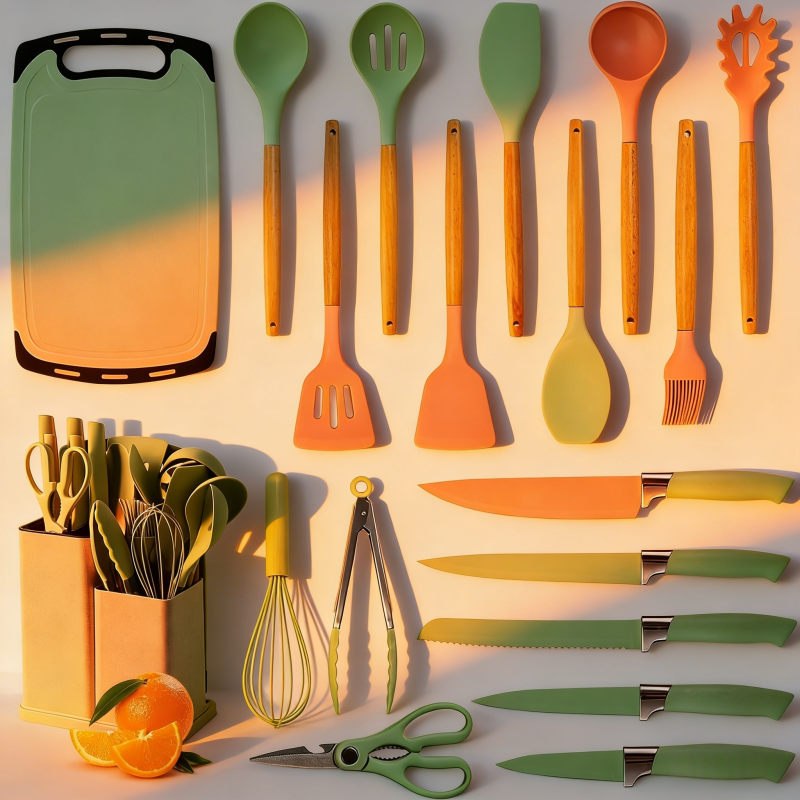
Chinese kitchenware manufacturers offer a broad range of product categories, making it possible for buyers to source complete product lines from a single region.
- Kitchen knives: Chef knives, santoku knives, and knife sets made from stainless steel or high-carbon steel.
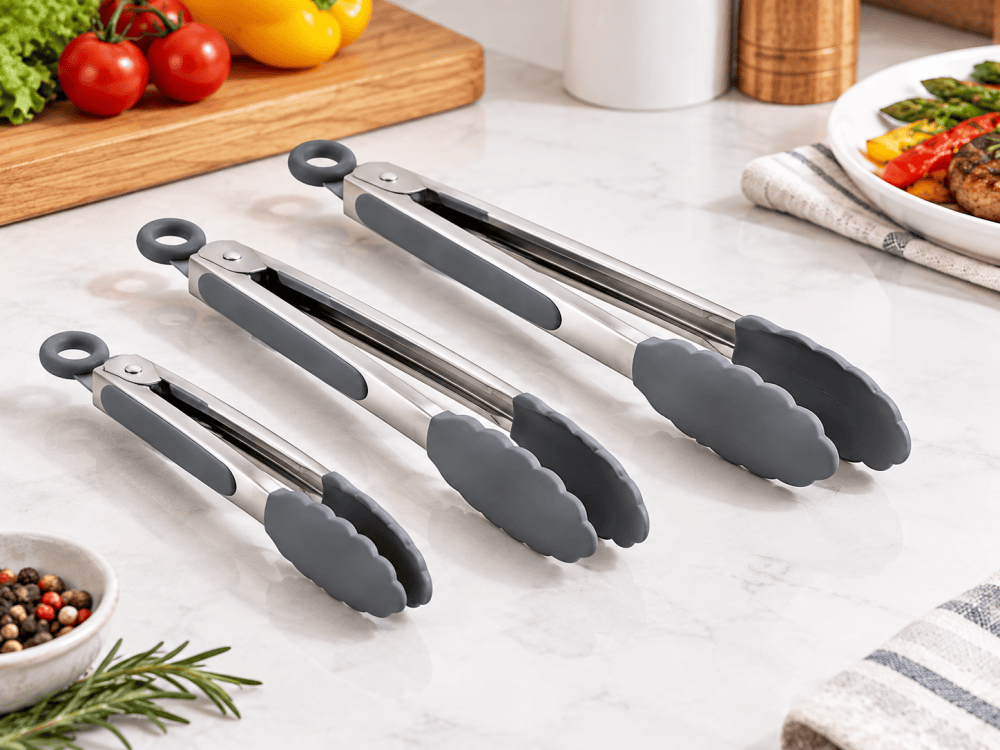
- Cooking utensils: Stainless steel, silicone, and wooden tools such as spatulas, ladles, and tongs.
- Bakeware: Baking trays, molds, and silicone baking accessories for home and professional use.
- Kitchen scissors: Multi-purpose kitchen shears designed for food preparation and packaging tasks.
How to Evaluate Kitchenware Suppliers in China
Choosing the right supplier is one of the most important steps in a successful sourcing strategy. Buyers should evaluate potential partners based on manufacturing capability, quality control processes, communication efficiency, and export experience.
Factory Experience and Production Capacity
Suppliers with many years of production experience are more likely to have stable processes and trained staff. Production capacity also determines whether a factory can meet large or repeat orders without delays.
Quality Control and Inspection
Reliable manufacturers implement multiple inspection stages, including raw material checks, in-process inspections, and final product testing. This helps ensure that each batch meets agreed specifications and international standards.
Certifications and Food Safety Standards
When importing kitchenware, compliance with international food safety regulations is essential. Reputable Chinese manufacturers typically provide documentation to demonstrate that their products meet the requirements of target markets.
| Certification | Region | Purpose |
|---|---|---|
| FDA | United States | Ensures materials are safe for food contact |
| LFGB | European Union | Strict food safety testing for kitchen products |
| ISO 9001 | Global | Quality management system certification |
Advantages of OEM and Private Label Kitchenware Production
One of the main reasons buyers choose China kitchenware suppliers is the flexibility offered in product customization. Manufacturers often provide OEM and private label services, allowing brands to develop unique product designs, packaging, and branding without building their own factories.
This capability enables retailers and online sellers to launch exclusive product lines, differentiate themselves from competitors, and maintain stronger control over pricing and brand positioning.
Common Challenges When Sourcing Kitchenware from China
While sourcing from China offers many benefits, buyers should also be aware of potential challenges such as communication barriers, longer shipping times, and the need for clear product specifications. Working with experienced suppliers and maintaining regular communication can help minimize these risks.
Conclusion
China kitchenware continues to play a crucial role in the global kitchen products market due to its manufacturing expertise, wide product selection, and competitive pricing. By carefully selecting suppliers and verifying quality standards, buyers can successfully source reliable kitchen tools that meet the expectations of their markets.
Looking for a Trusted China Kitchenware Manufacturer?
We specialize in the design and production of kitchen knives, utensils, and kitchen scissors for global brands and distributors. Our team supports OEM customization, quality inspection, and international shipping to help you build a reliable and competitive product line.
Frequently Asked Questions About China Kitchenware
Is kitchenware made in China safe to use?
Yes, kitchenware manufactured in China can be safe when produced by reputable factories that comply with international food safety standards such as FDA or LFGB. Buyers should always request testing reports and certification documents before placing large orders.
Why is China a major exporter of kitchenware products?
China has developed a highly integrated manufacturing ecosystem, including raw material suppliers, specialized machinery, and experienced workers. This allows factories to produce large volumes of kitchenware efficiently and at competitive prices.
Can I customize kitchenware products with my own brand?
Most Chinese kitchenware manufacturers offer OEM and private label services, allowing buyers to customize product design, logo, packaging, and specifications according to their branding and market needs.
What is the typical minimum order quantity for kitchenware from China?
Minimum order quantities vary depending on the product type, materials, and level of customization. Standard items often have lower MOQs, while fully customized products may require higher order volumes to cover tooling and setup costs.
How long does it take to ship kitchenware from China?
Production times usually range from a few weeks to several months depending on order size and product complexity. Shipping by sea typically takes several weeks, while air freight is faster but more expensive.
Related Blogs