How to Clean and Store Kitchen Tools Properly
How to Clean and Store Kitchen Tools Properly
Kitchen tools are used every day for cooking, baking, food preparation, and serving meals. Proper cleaning and storage are essential not only for maintaining kitchen hygiene but also for extending the lifespan of cooking utensils, cutting boards, knives, and kitchen gadgets.
Whether you are a home cook, restaurant operator, or kitchenware distributor, understanding the best practices for cleaning and storing kitchen tools helps reduce bacteria buildup, prevent cross-contamination, and keep kitchen equipment performing efficiently for years.
In this guide, we explain how to clean kitchen tools correctly, how to sanitize food-contact surfaces, and the best storage methods for modern kitchens.
Improperly cleaned kitchen tools can harbor bacteria, food residue, moisture, and odors. Regular cleaning and proper drying are essential for food safety and long-term product durability.
Why Proper Kitchen Tool Cleaning Matters
Kitchen tools come into direct contact with raw meat, vegetables, seafood, oils, sauces, and cooked foods every day. Without proper cleaning, harmful bacteria and food particles can remain on surfaces.
Regular cleaning helps:
- Prevent cross-contamination
- Reduce bacteria growth
- Maintain food safety standards
- Extend tool lifespan
- Prevent odors and stains
- Improve overall kitchen hygiene

How to Clean Different Kitchen Tools
1. Cleaning Stainless Steel Kitchen Tools
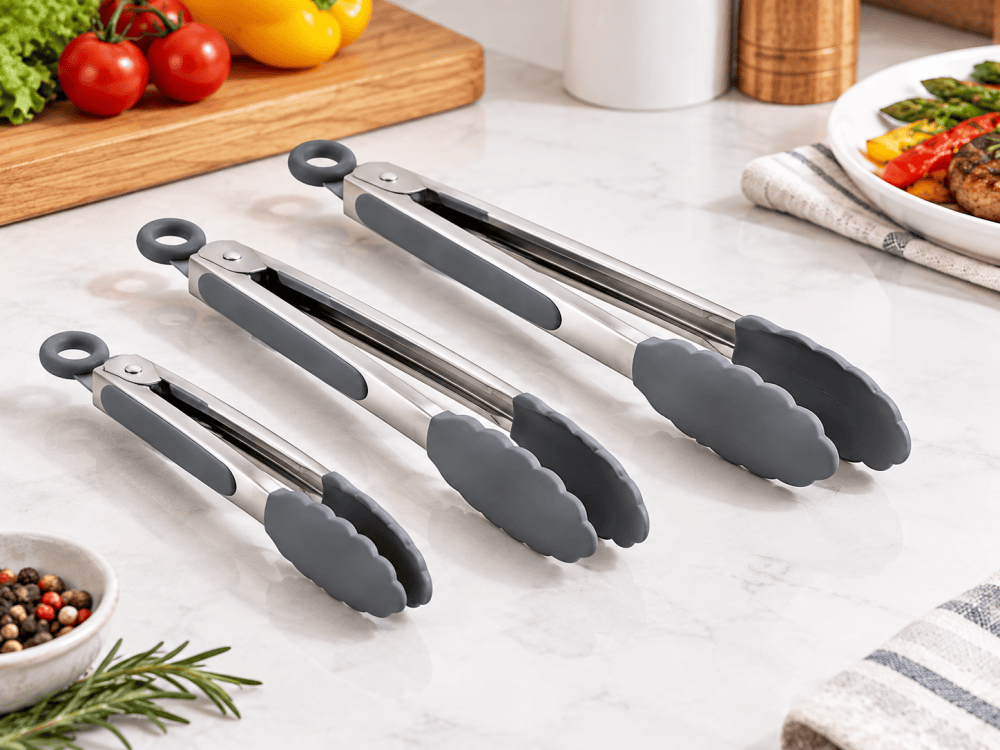
Stainless steel kitchen tools such as whisks, tongs, peelers, graters, and scissors are durable and relatively easy to clean.
- Wash with warm water and mild dish soap
- Use soft sponges to avoid scratches
- Dry immediately after washing to prevent water spots
- Remove stubborn stains using baking soda paste
Many stainless steel tools are dishwasher safe, but hand washing can help preserve sharp edges and polished finishes longer.
2. Cleaning Wooden Kitchen Utensils
Wooden spoons, spatulas, and cutting boards require extra care because wood absorbs moisture more easily than metal or plastic.
- Wash immediately after use
- Do not soak in water for long periods
- Hand wash only
- Dry thoroughly after cleaning
- Apply food-grade mineral oil periodically
Proper oil treatment helps prevent cracking, warping, and drying.

3. Cleaning Silicone Kitchen Tools
Food-grade silicone utensils are popular because they are heat resistant, flexible, and relatively easy to sanitize.
- Dishwasher safe in most cases
- Wash with warm soapy water
- Remove grease buildup regularly
- Avoid exposure to open flames
Silicone spatulas and baking tools should be cleaned thoroughly around seams and handle joints.
4. Cleaning Plastic Kitchen Gadgets
Plastic kitchen tools and gadgets should be cleaned carefully to prevent stains and odors from developing.
- Use non-abrasive cleaning tools
- Avoid extremely high temperatures unless heat-resistant
- Replace heavily scratched plastic products
- Sanitize food-contact surfaces regularly
Food-grade plastic kitchen tools remain popular because they are lightweight, affordable, and easy to manufacture.
How to Sanitize Kitchen Tools Properly
Cleaning removes visible dirt and grease, while sanitizing helps reduce bacteria and microorganisms.
For effective kitchen sanitation:
- Use hot water when appropriate
- Apply food-safe sanitizing solutions
- Allow tools to air dry completely
- Clean cutting boards after handling raw meat
- Sanitize frequently used kitchen surfaces daily
Commercial kitchens often separate washing, rinsing, and sanitizing into different stages to maintain strict food safety compliance and reduce contamination risks.
How to Clean Cutting Boards Correctly
Cutting boards are among the most frequently used kitchen tools and require consistent cleaning.
Wooden Cutting Boards
- Wash by hand immediately after use
- Do not place in dishwasher
- Use lemon and salt for odor removal
- Apply food-grade oil regularly
Plastic Cutting Boards
- Dishwasher safe in many cases
- Easy to sanitize
- Replace when heavily scratched
- Use separate boards for meat and vegetables
Learn more about professional cooking tools and kitchen accessories designed for modern kitchens.

Best Ways to Store Kitchen Tools
Proper storage keeps kitchen tools organized, clean, and easy to access while reducing unnecessary wear.
1. Use Vertical Storage
Utensil holders, hanging racks, and wall hooks improve kitchen organization while allowing tools to dry naturally.
- Saves drawer space
- Improves airflow
- Reduces moisture buildup
- Easy daily access
2. Store Tools Completely Dry
Moisture trapped during storage may lead to:
- Mold growth
- Wood cracking
- Metal corrosion
- Unpleasant odors
Always dry kitchen tools fully before placing them into drawers or cabinets.
3. Separate Sharp Tools
Knives and sharp kitchen tools should be stored safely to prevent accidents and blade damage.
- Use knife blocks or magnetic strips
- Avoid loose storage in drawers
- Protect cutting edges during storage
4. Organize by Usage Frequency
Store frequently used kitchen tools within easy reach while keeping specialty gadgets in separate storage areas.
Common Kitchen Tool Cleaning Mistakes
| Mistake | Potential Problem |
|---|---|
| Leaving tools wet | Mold, odors, corrosion |
| Using harsh scrubbers | Surface scratches and damage |
| Soaking wooden utensils too long | Cracking and warping |
| Not sanitizing cutting boards | Bacteria buildup |
| Improper knife storage | Blade dulling and safety hazards |
Why Proper Tool Care Extends Product Lifespan
Well-maintained kitchen tools perform better and last significantly longer. Proper cleaning and storage can:
- Preserve appearance
- Maintain food safety
- Protect material integrity
- Reduce replacement costs
- Improve kitchen efficiency
For commercial kitchens and global kitchenware brands, proper maintenance also improves customer satisfaction and product reputation.
OEM & Professional Kitchen Tool Manufacturing
Kitlucy specializes in manufacturing durable kitchen tools, cooking utensils, kitchen gadgets, and food-contact kitchenware for global distributors and retailers.
We support OEM and ODM kitchenware projects including:
- Custom kitchen tool sets
- Private-label kitchen utensils
- Food-grade material solutions
- Retail packaging customization
- Wholesale kitchenware production
Explore our OEM kitchenware customization services for global kitchen product projects.
Conclusion
Knowing how to clean and store kitchen tools properly is essential for maintaining food safety, kitchen hygiene, and long-term product performance. Different materials such as wood, stainless steel, silicone, and plastic each require specific cleaning and storage methods.
By following proper care practices, users can extend the lifespan of kitchen tools, improve cooking efficiency, and create a cleaner, safer kitchen environment for everyday use.
Looking for Durable Professional Kitchen Tools?
Kitlucy provides high-quality cooking tools, kitchen utensils, and kitchen gadgets designed for modern kitchens and global wholesale markets.
Contact us today to discuss OEM kitchenware manufacturing and custom kitchen tool projects.
Related Blogs