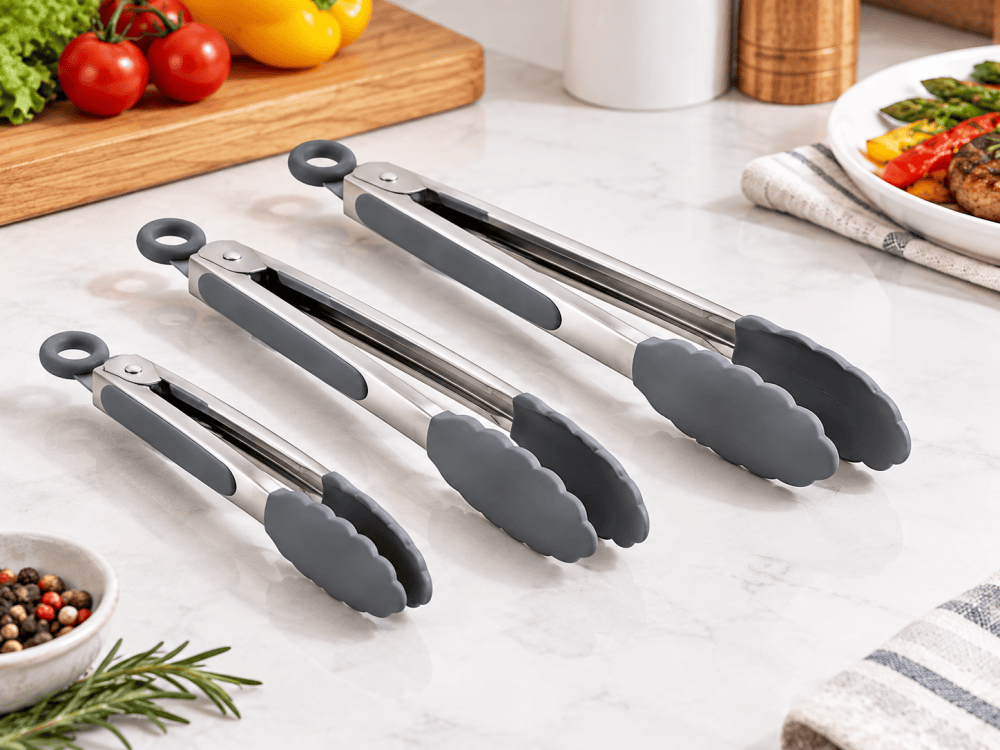
Kitchen Utensil Set Guide (2026): Material Science & Buying Strategy
Kitchen Utensil Set Guide (2026): Material Science, Performance & OEM Manufacturing Insight
The global kitchen utensil set market is no longer a simple consumer goods category. It has evolved into a highly engineered, material-driven industry where performance, compliance, and manufacturing capability determine product success.
For brands, wholesalers, and Amazon sellers, understanding the difference between stainless steel utensils and silicone utensil sets is not just product knowledge—it directly affects product positioning, cost structure, and long-term brand competitiveness.
Over 60% of failed kitchenware products are not design failures—they are material selection and manufacturing process failures.
1. What Defines a Professional Kitchen Utensil Set?
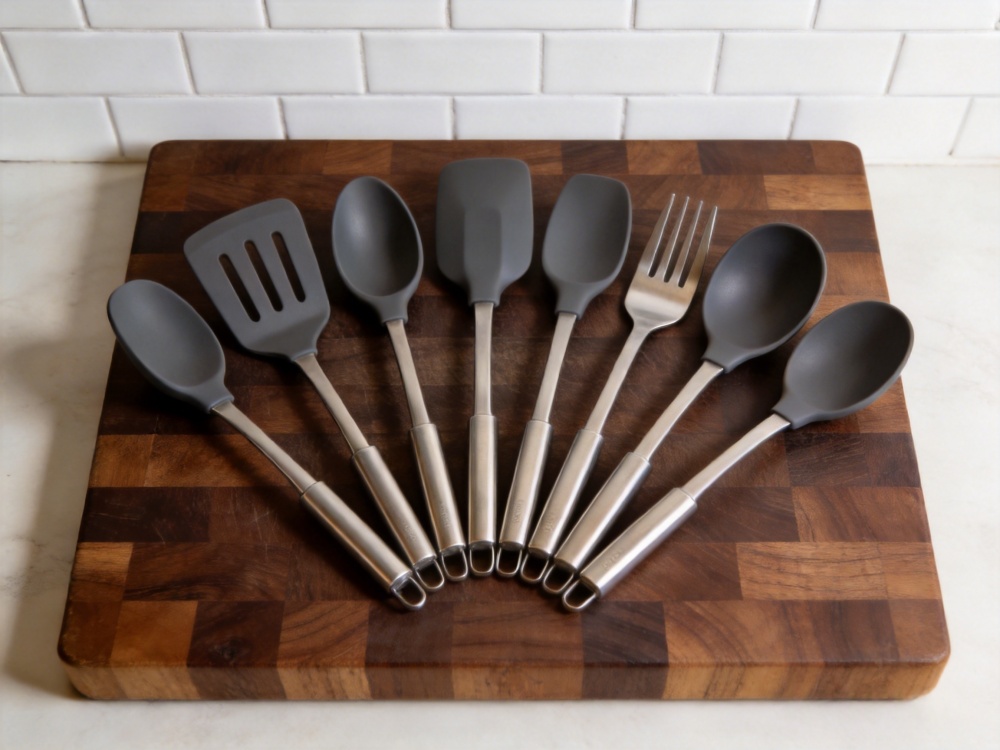
A professional kitchen utensils set is not defined by quantity, but by engineering consistency across three dimensions:
- Material stability (heat resistance, deformation threshold)
- Ergonomic efficiency (fatigue reduction during cooking)
- Manufacturing tolerance (batch consistency in mass production)
This is why OEM buyers evaluate suppliers not by catalog, but by production capability and material control systems.

2. Stainless Steel Utensils: Structural Engineering Perspective
Stainless steel utensils are widely used in commercial kitchens due to their molecular stability under high heat environments.
Material Advantages
- High tensile strength under thermal stress
- Oxidation resistance (especially 304/316 grades)
- Zero porosity surface = higher hygiene level
- Long lifecycle under industrial usage
Engineering Limitation
- Thermal conductivity increases handle heat transfer risk
- Higher hardness may damage non-stick coatings
- Requires precise stamping and polishing process control

3. Silicone Utensil Set: Polymer Behavior in Real Cooking Conditions
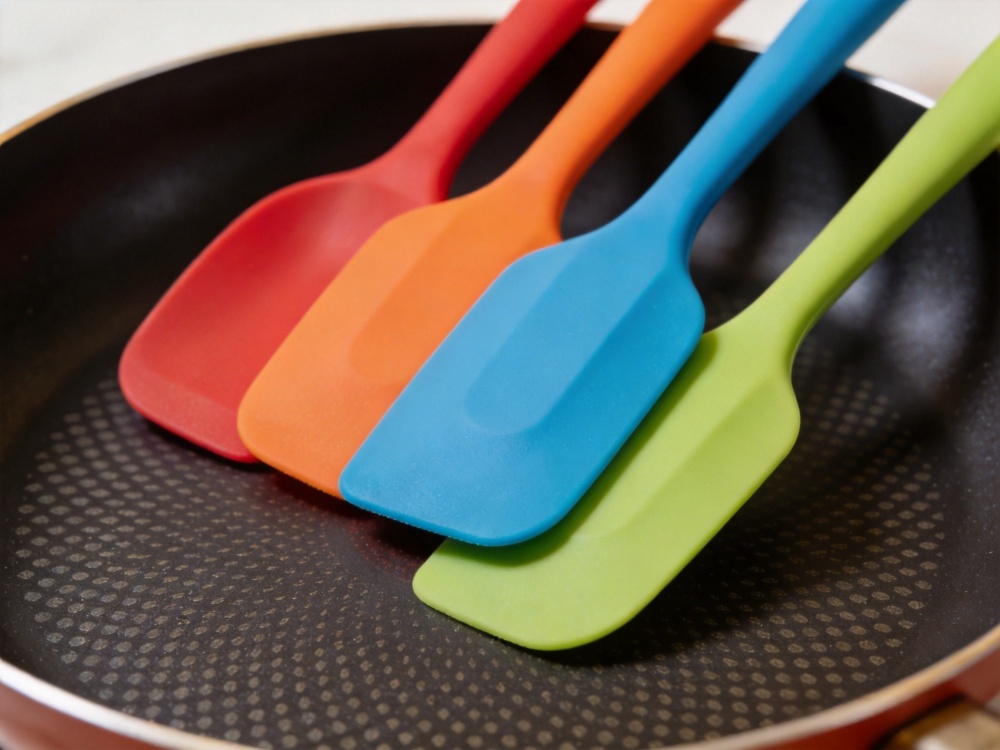
A silicone utensil set is based on elastomer polymer structures, designed for flexibility and thermal insulation.
Performance Characteristics
- Thermal resistance typically 180°C–250°C (varies by formulation)
- Low thermal conductivity reduces burn risk
- High elasticity reduces coating damage on cookware
Critical OEM Consideration
- Silicone grade determines long-term odor resistance
- Poor curing process leads to surface oil leakage
- Color stability depends on pigment bonding technology
4. Stainless Steel vs Silicone: Functional Engineering Comparison
| Factor | Stainless Steel | Silicone |
|---|---|---|
| Heat Resistance | Very High | High (material dependent) |
| Cookware Protection | Low | High |
| Durability | Industrial-grade | Medium-long term |
| Manufacturing Complexity | High (metal forming) | Medium (molding) |
| Cost Structure | Higher material cost | Lower unit cost, tooling dependent |
5. Why “Best Kitchen Utensils” Is Not a Universal Answer
The keyword best kitchen utensils is commercially misleading because “best” depends on:
- Target market (EU / US / Amazon / retail)
- Cooking behavior (high-heat vs low-heat cooking)
- Cookware ecosystem (non-stick vs stainless steel pans)
- Brand positioning (premium vs mass market)
In OEM strategy, “best” is replaced by “fit-for-market design.”
6. Cooking Utensils for Stainless Steel Cookware (Use Case Engineering)
When using stainless steel cookware, utensil selection must consider thermal interaction and surface hardness compatibility.
- Metal spatulas with rounded edges reduce scratching risk
- Thicker gauge stainless tools reduce deformation under pressure
- Ergonomic handle insulation improves usability
7. OEM Manufacturing Process of Kitchen Utensil Set
At Kitlucy, a kitchen utensil set is not a product—it is a controlled manufacturing system.
Step 1: Material Selection
Choosing stainless steel grade (201 / 304 / 316) or silicone Shore hardness level.
Step 2: Tooling & Mold Engineering
Precision mold design determines surface finish, durability, and assembly fit.
Step 3: Mass Production Control
Batch consistency testing ensures identical performance across thousands of units.
Step 4: Packaging Engineering
Retail-ready packaging impacts Amazon conversion and shelf competitiveness.
8. Global Market Demand Trends
- Rising demand for hybrid utensil sets (steel + silicone)
- Growth of Amazon private label kitchenware
- Increased focus on BPA-free compliance
- Shift toward minimal, ergonomic kitchen design
9. OEM & Custom Kitchen Utensil Set Solutions
Kitlucy supports global brands in developing customized kitchen tools sets with full OEM capability.
- Private label development
- Material engineering support
- Color + packaging customization
- Retail & Amazon-ready product design
👉 OEM Manufacturing: //www.kitlucy.com/customized.html
👉 Product Line: //www.kitlucy.com/kitchen-utensil-set.html
👉 Contact Engineering Team: //www.kitlucy.com/contact-us.html
Frequently Asked Questions About Kitchen Utensil Sets
1. What is included in a kitchen utensil set?
A typical kitchen utensil set includes spatulas, ladles, tongs, serving spoons, turners, and sometimes baking tools. The exact combination depends on whether it is designed for home use or professional kitchens.
2. Are stainless steel utensils better than silicone utensils?
Neither is universally better. Stainless steel utensils are more durable and suitable for high-heat cooking, while a silicone utensil set is safer for non-stick cookware and easier to handle for home cooking.
3. What is the best material for kitchen utensils?
The best material depends on usage:
- Stainless steel → professional cooking & durability
- Silicone → non-stick cookware & safety
- Hybrid sets → balanced performance for retail markets
4. Are silicone utensil sets safe for cooking?
Yes, high-quality silicone utensil sets made from food-grade silicone are safe for cooking. They are heat-resistant and do not release harmful substances under normal cooking temperatures.
5. What kitchen utensils do professional chefs use?
Professional chefs often prefer stainless steel utensils because of their durability, heat resistance, and hygiene advantages in commercial kitchens.
6. What is the difference between cheap and high-quality kitchen tools sets?
High-quality kitchen tools sets use better materials, stronger manufacturing processes, and safer certifications. Cheap utensils often deform, melt, or break under heat and long-term use.
7. Can I customize a kitchen utensil set for my brand?
Yes. OEM customization is widely used in the kitchenware industry. Brands can customize logo, color, packaging, material combination, and even product structure.
8. Does Kitlucy support OEM kitchen utensil manufacturing?
Yes. Kitlucy provides full OEM and private label services for kitchen utensil sets, including product design, material selection, packaging, and mass production.
👉 Learn more: OEM Kitchenware Solutions
Conclusion
A high-quality kitchen utensil set is not simply a collection of tools—it is a result of material engineering, manufacturing precision, and market-driven product design.
Understanding the difference between stainless steel and silicone at an engineering level allows brands to make better sourcing decisions, reduce product failure rates, and build stronger long-term competitiveness.
Related Blogs