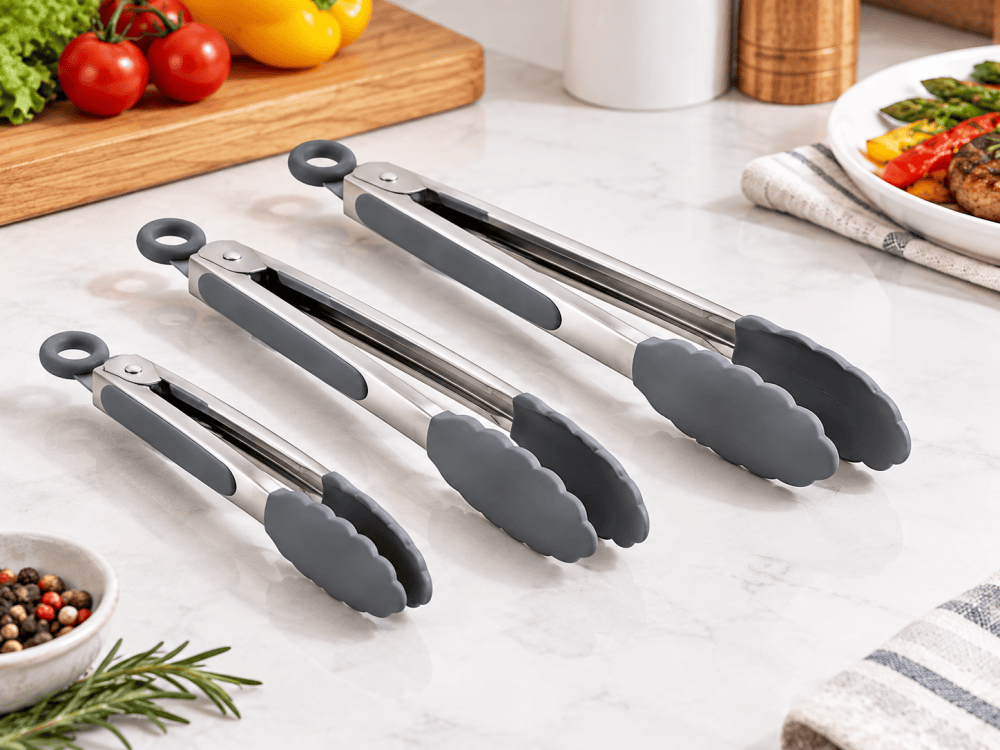
LFGB Certification Explained: LFGB Certified Silicone, Testing Standards & Kitchen Product Safety
LFGB Certification Explained: LFGB Certified Silicone, Testing Standards & Kitchen Product Safety
As consumers become more concerned about food safety, manufacturers and kitchenware brands are placing greater emphasis on food-contact compliance. One certification that frequently appears on premium kitchen products is LFGB certification. Whether you're purchasing silicone baking molds, kitchen utensils, spatulas, or baby feeding products, you've likely seen claims such as LFGB certified silicone or LFGB approved silicone utensils.
But what exactly does LFGB mean? How does LFGB testing work? Is LFGB better than FDA compliance? And why are LFGB-certified silicone products often considered safer and higher quality?
In this comprehensive guide, we'll explain everything buyers, importers, distributors, and kitchenware brands need to know about LFGB certification, including testing procedures, silicone safety standards, certification requirements, and how to identify genuinely compliant products.

What Is LFGB Certification?
LFGB stands for Lebensmittel-, Bedarfsgegenstände- und Futtermittelgesetzbuch, which translates to the German Food, Consumer Goods and Feed Code. It is one of the most recognized food-contact safety standards in Europe.
The purpose of LFGB certification is to ensure that materials coming into contact with food do not release harmful substances that could affect consumer health, food taste, or food quality.
Unlike some other food-contact standards, LFGB places strict requirements on:
- Chemical migration limits
- Food-contact safety
- Odor transfer testing
- Taste transfer testing
- Heavy metal compliance
- Material purity verification
Because of these rigorous requirements, LFGB certification has become a benchmark for premium food-grade kitchen products worldwide.
Many European retailers require LFGB testing reports before importing silicone kitchenware, baking tools, baby products, and food-contact accessories.
Why Is LFGB Certification Important?
Food-contact materials interact directly with food, beverages, and cooking environments. Poor-quality materials can potentially release unwanted chemicals, odors, or flavors when exposed to heat, oils, or acidic ingredients.
LFGB certification helps verify that products meet strict safety standards before reaching consumers.
Benefits include:
- Improved consumer confidence
- Enhanced food safety compliance
- Reduced chemical migration risks
- Greater acceptance in European markets
- Higher product credibility
- Stronger brand reputation
For importers and distributors, LFGB-certified products often provide a competitive advantage in premium retail markets.
What Is LFGB Certified Silicone?
Silicone has become one of the most widely used materials in modern kitchens because of its flexibility, durability, and heat resistance. However, not all silicone products are manufactured to the same quality standards.
LFGB certified silicone refers to silicone materials that have successfully passed LFGB testing requirements and demonstrated compliance with strict food-contact regulations.
LFGB silicone products are commonly used in:
- Silicone spatulas
- Cooking utensils
- Baking molds
- Ice cube trays
- Kitchen gadgets
- Baby feeding accessories
- Food storage products
Compared with lower-grade silicone materials, LFGB-certified silicone typically uses higher-purity raw materials and more controlled manufacturing processes.
What Makes LFGB Silicone Different?
The key difference lies in testing requirements.
LFGB-certified silicone must demonstrate that it does not negatively affect food quality during use. This includes not only chemical migration testing but also sensory testing.
Important LFGB silicone characteristics include:
- High material purity
- Low volatile compound content
- No unpleasant odors
- No taste transfer to food
- Excellent heat resistance
- Long-term food-contact safety
These factors explain why many premium kitchenware brands specifically advertise LFGB certification.
Common LFGB Certified Silicone Kitchen Products
Today, LFGB silicone is widely used across multiple kitchenware categories.
- Silicone kitchen utensil sets
- Silicone baking molds
- Baking tools
- Kitchen gadgets
- Heat-resistant spatulas
- Pastry tools
- Food preparation accessories
These products often operate under high temperatures, making material quality especially important.
How Is LFGB Silicone Tested?
One of the most frequently searched questions is:
What Is the LFGB Test?
LFGB testing is a laboratory-based evaluation process designed to verify food-contact safety and material stability.
Depending on the product category, testing may include:
- Migration testing
- Odor testing
- Taste testing
- Heavy metal analysis
- Chemical composition verification
- Food-contact safety assessment
Unlike many simpler compliance systems, LFGB incorporates both scientific and sensory evaluations.
1. Migration Testing
Migration testing measures whether chemicals transfer from the material into food simulants under controlled conditions.
The goal is to verify that food-contact materials remain stable during normal usage.
2. Odor Testing
LFGB includes odor evaluation to ensure silicone products do not release strong or unpleasant smells that could affect food quality.
3. Taste Transfer Testing
Taste testing verifies that food-contact materials do not alter the flavor of food products.
This requirement is one reason LFGB is often viewed as stricter than some alternative standards.
LFGB vs FDA: What Is the Difference?
One of the most common questions among kitchenware buyers is whether LFGB certification is better than FDA compliance. While both standards are designed to ensure food-contact safety, they differ significantly in testing methodology and regulatory focus.
The FDA (Food and Drug Administration) regulates food-contact materials in the United States, while LFGB is a German standard widely recognized throughout Europe.
| Feature | LFGB | FDA |
|---|---|---|
| Primary Market | Germany & Europe | United States |
| Food Contact Compliance | Yes | Yes |
| Migration Testing | Required | Required |
| Odor Testing | Required | Not Required |
| Taste Transfer Testing | Required | Not Required |
| Material Purity Requirements | Very Strict | Strict |
| Silicone Product Standards | Higher | Standard |
Because LFGB includes both odor and taste testing, many industry professionals consider it one of the most demanding food-contact standards for silicone products.
Products that pass LFGB testing usually meet or exceed the expectations of premium European retailers. This is one reason many global brands choose LFGB-certified silicone materials even when selling outside Europe.
Is LFGB Certification Better Than FDA?
The answer depends on your target market.
If you sell primarily in the United States, FDA compliance is generally sufficient. However, if you plan to enter European markets or position your products as premium kitchenware, LFGB certification can provide additional credibility.
Many leading kitchen brands choose to meet both standards simultaneously.
Benefits of dual compliance include:
- Expanded global market access
- Improved retailer acceptance
- Stronger consumer confidence
- Reduced compliance risks
- Higher perceived product quality
Why LFGB Certified Silicone Costs More
Consumers often notice that LFGB-certified silicone utensils and baking products cost more than standard silicone alternatives.
This price difference is usually justified by higher manufacturing standards and additional testing requirements.
Higher-Quality Raw Materials
LFGB-compliant silicone typically requires purer silicone compounds with lower levels of impurities and volatile substances.
Manufacturers often use premium-grade silicone formulations that perform better under repeated heating and food-contact conditions.
Additional Laboratory Testing
LFGB testing is not a one-time process during product development. Manufacturers frequently conduct ongoing verification testing to ensure consistency across production batches.
Testing costs may include:
- Migration analysis
- Heavy metal screening
- Sensory evaluation
- Material verification
- Third-party laboratory certification
More Stringent Quality Control
Factories producing LFGB-certified silicone products typically implement stricter quality management procedures throughout production.
This often includes:
- Incoming raw material inspections
- Production monitoring
- Finished product testing
- Traceability documentation
What Is Platinum Silicone?
When discussing LFGB-certified silicone, another term frequently appears: platinum silicone.
Platinum silicone refers to silicone cured using platinum catalysts rather than peroxide curing systems.
Advantages of platinum-cured silicone include:
- Lower odor levels
- Higher purity
- Improved transparency
- Better heat resistance
- Longer product lifespan
- Superior food-contact safety
Many LFGB-certified silicone kitchen products utilize platinum-cured silicone because it helps satisfy strict European compliance requirements.
How Manufacturers Obtain LFGB Certification
Many importers assume factories themselves become LFGB certified. In reality, LFGB certification typically applies to specific products and materials rather than the factory as a whole.
The process generally includes several stages.
Step 1: Material Selection
The manufacturer chooses food-contact materials that are capable of meeting LFGB requirements.
This stage is critical because poor-quality raw materials often fail testing regardless of manufacturing quality.
Step 2: Product Development
Engineers design the product and prepare production samples.
During this stage, manufacturers may optimize:
- Material thickness
- Silicone formulation
- Surface finish
- Heat resistance performance
Step 3: Laboratory Testing
Samples are submitted to accredited third-party testing laboratories.
Common testing organizations include:
- SGS
- TÜV
- Intertek
- Bureau Veritas
Laboratories evaluate compliance with applicable LFGB requirements.
Step 4: Report Issuance
If all requirements are met, the laboratory issues an LFGB testing report.
This report documents:
- Product information
- Test methods
- Testing conditions
- Results
- Compliance conclusions
Step 5: Production Verification
Responsible manufacturers continue monitoring production quality to ensure future batches remain consistent with tested samples.
How to Verify LFGB Certification
Not every product claiming to be LFGB compliant actually possesses valid supporting documentation.
Buyers should verify claims before making purchasing decisions.
Request the Test Report
A legitimate supplier should be able to provide an LFGB testing report upon request.
Check the Product Description
The report should clearly identify the tested product or material.
A report issued for one product cannot automatically be applied to unrelated items.
Verify the Laboratory
Look for testing reports issued by recognized laboratories with established food-contact testing capabilities.
Review the Date
Testing reports should be reasonably current and relevant to the materials being supplied.
Common Misconceptions About LFGB Silicone
Myth #1: All Silicone Is LFGB Certified
False.
Silicone is a material category. Only specific materials and products that pass LFGB testing can be described as LFGB compliant.
Myth #2: LFGB Means a Product Is Indestructible
False.
LFGB addresses food-contact safety rather than durability. Product lifespan depends on material quality, design, and usage conditions.
Myth #3: LFGB Products Are Always Expensive
Not necessarily.
While LFGB-certified products may cost slightly more, efficient manufacturing and large-scale production can keep pricing competitive.
Applications of LFGB Certified Silicone in Modern Kitchens
LFGB-certified silicone has become a preferred material across numerous kitchen product categories.
Silicone Kitchen Utensils
Heat-resistant spatulas, spoons, ladles, and turners frequently use LFGB silicone because they come into direct contact with food and cookware.
Explore our collection of Kitchen Utensil Sets.
Baking Molds
Baking applications expose materials to high temperatures, making food-contact safety particularly important.
LFGB-certified silicone baking molds provide excellent flexibility, release performance, and heat resistance.
Discover our Silicone Baking Molds.
Kitchen Gadgets
Many kitchen gadgets incorporate silicone components to improve comfort, grip, and heat protection.
View our Kitchen Gadgets Collection.
Why Retailers Prefer LFGB Certified Silicone Utensils
Retailers increasingly prioritize material transparency and food-contact safety.
LFGB-certified silicone utensils help address consumer concerns about:
- Chemical safety
- BPA-free materials
- Heat resistance
- Food-contact compliance
- Long-term durability
For premium kitchenware brands, LFGB certification can become a valuable marketing advantage.
OEM & Private Label LFGB Silicone Kitchenware
As consumer awareness continues to grow, more brands are requesting LFGB-certified materials for private-label kitchenware projects.
OEM customization options often include:
- Custom colors
- Private-label packaging
- Logo printing
- Custom mold development
- Product set configurations
- Retail-ready packaging solutions
At Kitlucy, we support global distributors, retailers, and e-commerce brands with food-safe kitchenware manufacturing solutions designed for international markets.
Learn more about our OEM & Customized Kitchenware Services.
Frequently Asked Questions About LFGB Certification
What does LFGB stand for?
LFGB stands for Lebensmittel-, Bedarfsgegenstände- und Futtermittelgesetzbuch, the German Food and Feed Code governing food-contact materials.
Is LFGB certification mandatory?
Requirements vary by market and product category. However, many European retailers strongly prefer LFGB-compliant products.
Is LFGB certified silicone safe?
Yes. LFGB-certified silicone is widely recognized as one of the safest food-contact silicone materials available.
Does LFGB certification expire?
Testing reports themselves do not function like permanent licenses. Manufacturers should periodically verify compliance and maintain quality consistency.
Is LFGB better than FDA?
LFGB is generally considered stricter for silicone products because it includes odor and taste testing requirements.
Can LFGB silicone be used in ovens?
Yes. Most LFGB-certified silicone products are designed to withstand typical baking temperatures, though specifications vary by product.
Are LFGB silicone utensils BPA free?
Yes. Silicone does not contain BPA, and LFGB-certified silicone products are generally BPA free.
Conclusion
LFGB certification has become one of the most respected standards for food-contact materials, particularly in the silicone kitchenware industry. By combining migration testing, sensory evaluation, and strict material requirements, LFGB helps ensure products meet high levels of food safety and consumer protection.
For brands targeting premium retail markets, LFGB-certified silicone utensils, baking molds, and kitchen accessories can provide significant advantages in product quality, compliance, and customer trust.
Looking for LFGB Certified Silicone Kitchenware Manufacturing?
Kitlucy specializes in food-safe kitchen products, including silicone utensils, baking molds, kitchen gadgets, and OEM private-label kitchenware solutions designed for global markets.
Contact Us Today to discuss your LFGB-certified kitchenware project.
Related Blogs