Silicone vs Stainless Steel vs Plastic Kitchen Utensils: Which Material Is Best in 2026?
Silicone vs Stainless Steel vs Plastic Kitchen Utensils: Which Material Is Best in 2026?
Kitchen utensils are among the most frequently used tools in any kitchen, yet many people overlook one of the most important purchasing factors—the material they're made from. Whether you're flipping pancakes, stirring soup, serving pasta, or sautéing vegetables, the material of your spatula, spoon, whisk, or ladle directly affects cooking performance, food safety, cookware protection, and product lifespan.
Today, the three most popular kitchen utensil materials are silicone, stainless steel, and plastic. Each offers distinct advantages and limitations depending on how and where it is used. Silicone utensils are known for their flexibility and cookware-friendly surfaces, stainless steel utensils excel in durability and high-temperature cooking, while plastic utensils remain an economical choice for everyday kitchens.
But which material is actually the best?
The answer depends on several factors, including heat resistance, grip comfort, durability, food safety, maintenance requirements, and the type of cookware you use. A utensil that performs perfectly in a commercial restaurant may not be the ideal option for a home baker, just as a premium silicone spatula may outperform plastic on non-stick cookware but offer less rigidity for heavy-duty cooking.
In this comprehensive guide, we'll compare silicone, stainless steel, and plastic kitchen utensils across every important category—from cooking performance and heat resistance to environmental impact and long-term value. Whether you're a home cook, professional chef, kitchenware retailer, or OEM buyer, this comparison will help you choose the right kitchen utensil material for your specific needs.

Why Kitchen Utensil Material Matters More Than You Think
At first glance, most cooking utensils appear to perform the same function. A spatula flips food, a spoon stirs soup, and a ladle serves sauces. However, the material behind these tools determines how safely and efficiently they perform during everyday cooking.
Choosing the wrong material can lead to melted utensils, scratched cookware, uncomfortable handling, lingering food odors, or even unnecessary replacement costs. Selecting the right material improves both cooking performance and long-term value.
Global demand for premium kitchen utensils continues to grow as consumers increasingly prioritize food-safe materials, heat resistance, ergonomic design, and compatibility with modern cookware such as ceramic and non-stick pans. Silicone and stainless steel utensils have become the fastest-growing categories in both retail and OEM markets.
Heat Resistance Affects Cooking Performance
Cooking temperatures vary significantly depending on the recipe and cookware being used. Frying, grilling, and stir-frying often expose utensils to temperatures exceeding 200°C (392°F). Low-quality plastic utensils may soften or deform under these conditions, while food-grade silicone and stainless steel remain stable.
High heat resistance not only improves safety but also extends the usable life of kitchen utensils.
Cookware Compatibility Prevents Surface Damage
Modern kitchens increasingly rely on expensive non-stick, ceramic, and enamel-coated cookware. Using the wrong utensil material can permanently scratch protective coatings, reducing cooking performance and shortening cookware lifespan.
- Silicone utensils are extremely gentle on delicate cookware.
- Plastic utensils are generally safe but may develop rough edges over time.
- Stainless steel utensils are ideal for stainless steel cookware but can scratch coated surfaces if used aggressively.
Food Safety Depends on Material Quality
Kitchen utensils come into direct contact with food every day, making material safety a major purchasing consideration.
High-quality kitchen utensils should be manufactured from certified food-grade materials that resist heat, do not release harmful substances during cooking, and are easy to clean.
Consumers increasingly look for certifications such as:
- FDA Food Contact Compliance
- LFGB Certification (European market)
- BPA-Free Plastic
- Food-Grade Silicone
- 304 Stainless Steel
Durability Influences Long-Term Value
Price alone rarely determines the best kitchen utensil. A utensil that lasts for ten years often provides greater value than a cheaper alternative requiring frequent replacement.
Durability depends on multiple factors, including:
- Impact resistance
- Heat stability
- Flexibility
- Scratch resistance
- Corrosion resistance
- Resistance to staining and odors
Understanding the Three Most Common Kitchen Utensil Materials
Before comparing performance, it's important to understand what each material actually consists of. Not all silicone, stainless steel, or plastic utensils are manufactured to the same quality standards.
Silicone Kitchen Utensils
Modern silicone kitchen utensils are manufactured from food-grade silicone rubber, a highly flexible material capable of withstanding temperatures ranging from approximately -40°C to 230°C (-40°F to 446°F), with some premium products rated even higher.
Silicone has become one of the fastest-growing kitchen utensil materials because it combines excellent heat resistance with flexibility and outstanding protection for non-stick cookware.
Common silicone utensils include:
- Silicone spatulas
- Turners
- Cooking spoons
- Whisks with silicone coating
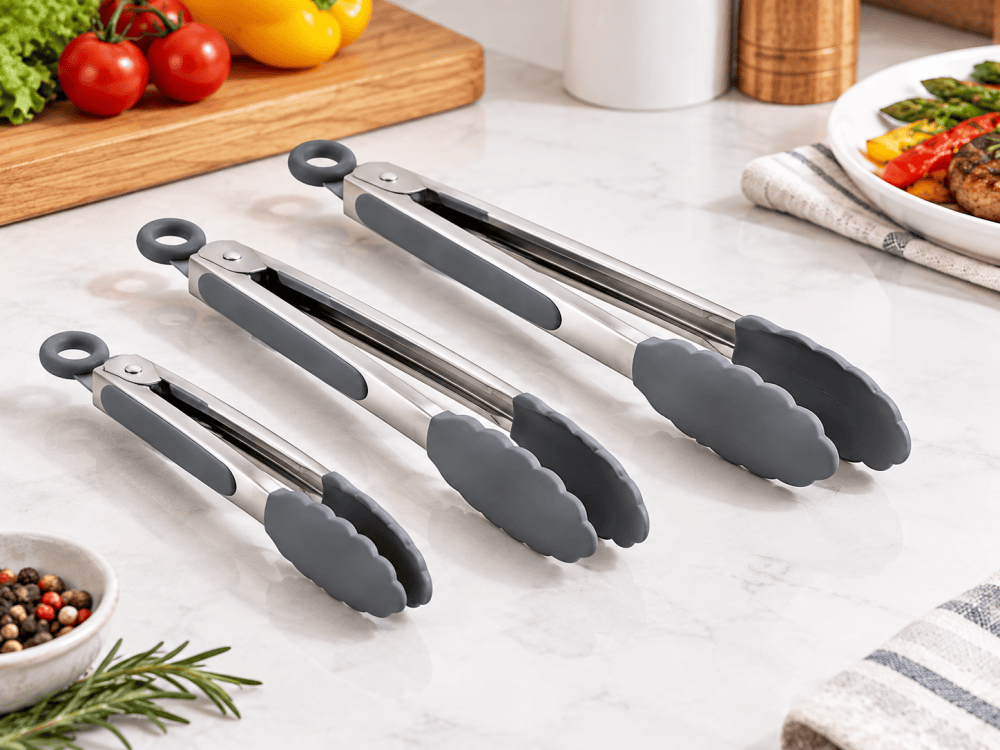
- Tongs
- Pastry brushes
- Ladles
Premium silicone utensils often feature stainless steel cores to improve rigidity while maintaining a soft outer surface.
Stainless Steel Kitchen Utensils
Stainless steel has long been considered the professional standard for commercial kitchens due to its exceptional strength, corrosion resistance, and long service life.
The most common grades include:
- 304 Stainless Steel (18/8)
- 316 Stainless Steel (premium corrosion resistance)
- 430 Stainless Steel (economical option)
Unlike plastic or silicone, stainless steel does not melt, crack easily, or absorb food odors, making it ideal for demanding cooking environments.
Common stainless steel utensils include:
- Soup ladles
- Slotted spoons
- Serving spoons
- Skimmers
- Whisks
- BBQ tools
- Pasta servers
Plastic Kitchen Utensils
Plastic remains one of the most widely used kitchen utensil materials because of its affordability and lightweight construction. However, "plastic" covers several different engineering materials with varying performance characteristics.
Common food-grade plastics include:
- Nylon (PA)
- Polypropylene (PP)
- PBT (Polybutylene Terephthalate)
- BPA-Free Engineering Plastics
Higher-quality engineering plastics provide better heat resistance and durability than ordinary household plastics, making them suitable for many everyday cooking tasks.
Quick Comparison Overview
| Feature | Silicone | Stainless Steel | Plastic |
|---|---|---|---|
| Heat Resistance | ★★★★★ | ★★★★★ | ★★★☆☆ |
| Protects Non-stick Cookware | ★★★★★ | ★☆☆☆☆ | ★★★★☆ |
| Durability | ★★★★☆ | ★★★★★ | ★★★☆☆ |
| Grip Comfort | ★★★★★ | ★★★☆☆ | ★★★★☆ |
| Dishwasher Safe | ★★★★★ | ★★★★★ | ★★★★☆ |
| Professional Kitchen Use | ★★★★☆ | ★★★★★ | ★★★☆☆ |
Heat Resistance Comparison: Which Material Handles High Temperatures Best?
Heat resistance is one of the most important factors when choosing kitchen utensils. Different cooking methods expose utensils to very different temperatures, from gently stirring sauces to searing steaks in a cast iron pan.
If a utensil cannot tolerate heat, it may soften, warp, discolor, or even release unwanted substances into food. Understanding the temperature limits of each material helps you choose utensils that are both safe and durable.
| Material | Typical Heat Resistance | Best Applications |
|---|---|---|
| Food-Grade Silicone | 230–315°C (446–600°F)* | Non-stick cookware, baking, sautéing |
| 304 Stainless Steel | 800°C+ (1472°F+) | High-heat cooking, grilling, frying |
| Nylon Plastic | 180–210°C (356–410°F) | Everyday cooking |
| Polypropylene (PP) | 100–120°C (212–248°F) | Food preparation only |
*Actual temperature ratings depend on product quality and manufacturer specifications.
If you regularly cook over high heat, silicone and stainless steel are the safest choices. Low-cost plastic utensils may deform when left in hot cookware for extended periods.
Cookware Compatibility: Which Material Protects Your Pots and Pans?
Modern cookware often features non-stick, ceramic, or enamel coatings that require gentle utensils. Using the wrong material can scratch protective surfaces, reducing both cooking performance and cookware lifespan.
| Cookware Type | Silicone | Stainless Steel | Plastic |
|---|---|---|---|
| Non-stick | ★★★★★ | ★☆☆☆☆ | ★★★★☆ |
| Ceramic | ★★★★★ | ★★☆☆☆ | ★★★★☆ |
| Cast Iron | ★★★★☆ | ★★★★★ | ★★★☆☆ |
| Stainless Steel Cookware | ★★★★★ | ★★★★★ | ★★★★☆ |
| Carbon Steel | ★★★★★ | ★★★★★ | ★★★★☆ |
Silicone is widely considered the safest material for protecting delicate cookware because it is soft, flexible, and highly resistant to scratching.
Food Safety Comparison
Consumers today pay far more attention to food-contact safety than ever before. Whether purchasing kitchen utensils for home use or private-label production, choosing certified food-safe materials is essential.
| Material | Food Safe? | Recommended Certification |
|---|---|---|
| Food-Grade Silicone | Excellent | FDA / LFGB |
| 304 Stainless Steel | Excellent | FDA / LFGB |
| BPA-Free Nylon | Very Good | FDA |
| Ordinary Plastic | Depends on quality | Certification required |
Premium kitchen utensils should always be manufactured from certified food-contact materials rather than inexpensive, unidentified plastics.
Is Silicone Safe?
High-quality food-grade silicone is considered one of the safest kitchen materials available. It contains no BPA, resists high temperatures, and does not rust or corrode.
Is Stainless Steel Safe?
304 stainless steel is widely recognized as one of the safest materials for kitchen utensils because it is corrosion-resistant, durable, and highly stable during cooking.
Is Plastic Safe?
Modern BPA-free engineering plastics are generally safe for normal cooking temperatures. However, low-quality plastics without food-contact certification should be avoided.
Durability Comparison
Kitchen utensils experience thousands of cooking cycles over their lifetime. Durability determines whether a utensil remains functional after years of stirring, flipping, scraping, and washing.
| Performance Factor | Silicone | Stainless Steel | Plastic |
|---|---|---|---|
| Impact Resistance | ★★★★☆ | ★★★★★ | ★★★☆☆ |
| Scratch Resistance | ★★★★☆ | ★★★★★ | ★★☆☆☆ |
| Warp Resistance | ★★★★★ | ★★★★★ | ★★★☆☆ |
| Corrosion Resistance | ★★★★★ | ★★★★★ | ★★★★★ |
| Long-Term Lifespan | ★★★★☆ | ★★★★★ | ★★★☆☆ |
For heavy-duty kitchens, stainless steel offers the longest lifespan. Silicone performs exceptionally well in home kitchens where cookware protection is a priority.
Grip and Comfort Comparison
Comfort is often overlooked when purchasing kitchen utensils, yet it directly affects cooking efficiency and user experience.
- Silicone: Soft-touch surface with excellent grip, even when hands are wet.
- Stainless Steel: Strong and balanced but can become slippery without ergonomic handles.
- Plastic: Lightweight and comfortable, although grip quality varies by design.
Many premium utensils combine multiple materials—for example, stainless steel handles with silicone grips—to achieve the ideal balance between durability and comfort.
Cleaning and Dishwasher Safety
Easy maintenance is another important purchasing factor, especially for busy households and commercial kitchens.
| Cleaning Feature | Silicone | Stainless Steel | Plastic |
|---|---|---|---|
| Dishwasher Safe | ★★★★★ | ★★★★★ | ★★★★☆ |
| Odor Resistance | ★★★★☆ | ★★★★★ | ★★★☆☆ |
| Stain Resistance | ★★★★☆ | ★★★★★ | ★★★☆☆ |
| Easy to Clean | ★★★★★ | ★★★★★ | ★★★★☆ |
High-quality silicone and stainless steel utensils are both dishwasher safe and resistant to most food stains. Plastic utensils may gradually discolor after prolonged exposure to tomato sauce, curry, or strongly pigmented foods.
Environmental Impact and Sustainability
Sustainability has become an important consideration for both consumers and brands.
| Material | Expected Lifespan | Recyclability | Environmental Impact |
|---|---|---|---|
| Silicone | 10–20 Years | Limited | Long service life reduces waste |
| Stainless Steel | 20+ Years | Excellent | Highly recyclable |
| Plastic | 3–8 Years | Varies by resin type | Lower durability may increase waste |
Although silicone is not as widely recyclable as stainless steel, its long service life helps reduce replacement frequency. Stainless steel remains one of the most sustainable kitchen utensil materials due to its exceptional durability and high recycling rate.
Which Kitchen Utensil Material Is Best for Different Cooking Tasks?
No single material is perfect for every cooking situation. Professional chefs and experienced home cooks often use a combination of silicone, stainless steel, and plastic utensils depending on the recipe and cookware.
| Cooking Task | Best Material | Why? |
|---|---|---|
| Cooking with Non-stick Pans | Silicone | Prevents scratches and withstands high temperatures. |
| Grilling & BBQ | Stainless Steel | Excellent heat resistance and strength. |
| Deep Frying | Stainless Steel | Stable under extremely high temperatures. |
| Baking | Silicone | Flexible, heat-resistant, and easy to clean. |
| Mixing Salad | Plastic or Silicone | Lightweight and gentle on bowls. |
| Serving Pasta | Stainless Steel | Strong enough for heavier foods. |
| Cooking Eggs | Silicone | Protects delicate non-stick coatings. |
| Meal Preparation | Plastic | Affordable and practical for everyday use. |
Which Material Do Professional Chefs Prefer?
Commercial kitchens often prioritize durability, efficiency, and hygiene over appearance.
Professional chefs typically choose utensils based on specific cooking tasks rather than relying on one material for every application.
- Stainless steel is commonly used for grilling, stir-frying, serving, and high-temperature cooking.
- Silicone is preferred when working with expensive non-stick cookware, baking equipment, or delicate sauces.
- Plastic remains popular in food preparation areas because it is lightweight and inexpensive.
Many restaurant kitchens combine stainless steel serving utensils with silicone cooking utensils, allowing chefs to maximize durability while protecting cookware.
Buying Guide: How to Choose the Right Kitchen Utensils
Before purchasing a new kitchen utensil set, consider the following factors.
| Buying Factor | Recommendation |
|---|---|
| Heat Resistance | Choose silicone or stainless steel for frequent cooking. |
| Cookware Compatibility | Silicone is safest for non-stick cookware. |
| Food Safety | Look for FDA, LFGB, and BPA-Free certifications. |
| Handle Comfort | Select ergonomic or silicone-grip handles. |
| Cleaning | Dishwasher-safe materials save time. |
| Durability | 304 stainless steel generally lasts the longest. |
| Storage | Choose utensils with hanging holes or storage racks. |
| Warranty | Premium brands often offer longer warranties. |
Cost Comparison: Which Material Offers the Best Value?
| Material | Average Cost | Expected Lifespan | Overall Value |
|---|---|---|---|
| Plastic | $ | 3–8 Years | ★★★★☆ |
| Silicone | $$ | 10–20 Years | ★★★★★ |
| 304 Stainless Steel | $$$ | 20+ Years | ★★★★★ |
Although stainless steel generally has the highest upfront cost, its exceptional durability often makes it the most economical choice over time. Silicone also delivers excellent long-term value thanks to its versatility and compatibility with modern cookware.
How to Maintain Kitchen Utensils
Proper care helps extend the service life of kitchen utensils regardless of the material.
- Wash utensils soon after cooking.
- Avoid prolonged exposure to direct flames.
- Replace damaged or cracked utensils promptly.
- Store utensils in a dry, ventilated environment.
- Use separate utensils for raw and cooked foods whenever possible.
When Should You Replace Kitchen Utensils?
| Problem | Replace? |
|---|---|
| Silicone tearing | Yes |
| Plastic cracking | Yes |
| Loose handles | Yes |
| Heavy discoloration | Recommended |
| Deep scratches | Recommended |
| Minor stains | No |
Frequently Asked Questions
Are silicone kitchen utensils better than plastic?
For most cooking applications, yes. Silicone offers higher heat resistance, better flexibility, and improved compatibility with non-stick cookware.
Can stainless steel utensils scratch non-stick pans?
Yes. Stainless steel utensils can damage non-stick coatings if used aggressively, making silicone the preferred choice for coated cookware.
Which kitchen utensil material lasts the longest?
304 stainless steel generally offers the longest lifespan and excellent resistance to corrosion and wear.
Are silicone kitchen utensils dishwasher safe?
Most high-quality food-grade silicone utensils are completely dishwasher safe.
Is BPA-free plastic completely safe?
Certified BPA-free engineering plastics are considered safe for normal cooking temperatures, but they should not be exposed to temperatures beyond their design limits.
Which material is best for non-stick cookware?
Silicone is widely regarded as the safest choice because it will not scratch delicate coatings.
What kitchen utensils do professional chefs use?
Most professional kitchens use a combination of stainless steel and silicone utensils to maximize performance and cookware protection.
Which material is easiest to clean?
Both stainless steel and silicone are highly resistant to staining and can usually be cleaned in the dishwasher.
Which material is most environmentally friendly?
Stainless steel has the highest recyclability and longest service life, while silicone reduces waste through long-term durability.
Should I buy a mixed-material utensil set?
Yes. Many premium kitchen utensil sets combine silicone heads with stainless steel cores or ergonomic handles to provide the advantages of multiple materials.
Final Thoughts
Choosing between silicone, stainless steel, and plastic kitchen utensils depends on your cooking style, cookware, and long-term expectations. Silicone excels at protecting non-stick cookware and provides excellent heat resistance, stainless steel remains the preferred choice for professional kitchens thanks to its unmatched durability, while plastic offers an affordable solution for light everyday tasks.
Rather than selecting one material exclusively, many modern kitchens benefit from using all three strategically. Investing in high-quality, food-safe utensils with certified materials ensures better cooking performance, improved food safety, and greater long-term value.
Looking for Premium Kitchen Utensil Manufacturers?
Kitlucy specializes in manufacturing high-quality silicone, stainless steel, and BPA-free plastic kitchen utensils for global brands, wholesalers, retailers, and distributors. We provide OEM, ODM, and private-label solutions with custom colors, materials, logos, packaging, and product designs to help you build a competitive kitchenware collection.
Contact our team today to explore customized kitchen utensil solutions tailored to your market.
Related Blogs