The Ultimate Rectangular Baking Pan Size Guide: Choosing the Right Pan for Every Recipe
The Ultimate Rectangular Baking Pan Size Guide: Choosing the Right Pan for Every Recipe
A rectangular baking pan is one of the most versatile pieces of bakeware you can own. From brownies and sheet cakes to casseroles and roasted vegetables, rectangular baking pans are used in both home kitchens and professional bakeries around the world.
However, choosing the right pan isn't always straightforward. Many home bakers struggle with questions such as:
- What are the standard rectangular baking pan sizes?
- Is a 9×13 pan the same as a casserole dish?
- Should I choose metal, glass, or silicone bakeware?
- Can I substitute one pan size for another?
- What is the best rectangular baking pan for everyday use?
This comprehensive guide answers all of these questions and more. Whether you're baking your first batch of brownies or sourcing bakeware for your retail brand, understanding rectangular baking pan sizes and materials can dramatically improve your baking results.
What Is a Rectangular Baking Pan?
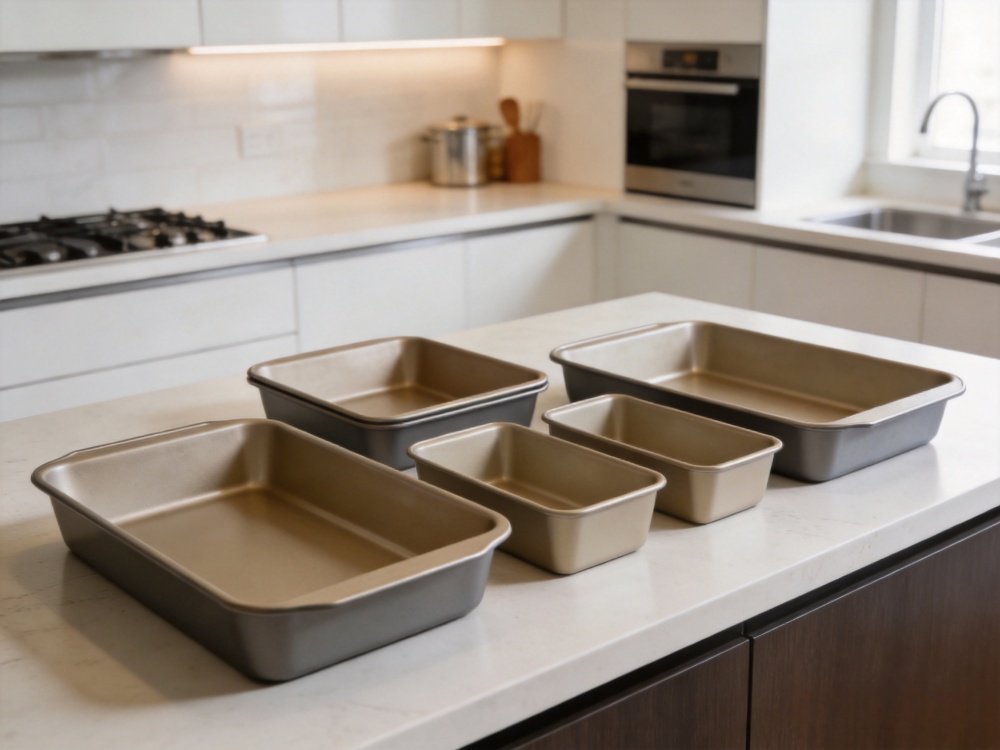
A rectangular baking pan is a flat-bottomed baking vessel with four straight sides designed for preparing a wide range of baked dishes. Unlike round cake pans or loaf pans, rectangular pans provide larger surface areas and are ideal for recipes requiring even cooking and easy portioning.
Rectangular baking pans are commonly used for:
- Brownies
- Sheet cakes
- Lasagna
- Casseroles
- Baked pasta dishes
- Roasted vegetables
- Bar cookies
- Meal preparation
The 9×13-inch rectangular baking pan is often considered the most essential bakeware size in American kitchens due to its versatility.
Why Rectangular Baking Pans Are So Popular
There are several reasons why rectangular baking pans remain a staple in kitchens worldwide.
Even Heat Distribution
Their broad surfaces allow heat to circulate efficiently, helping foods bake evenly.
Easy Portion Control
Rectangular shapes make slicing and serving simple, especially for brownies and sheet cakes.
Versatility
One pan can perform dozens of tasks, reducing the need for specialized bakeware.
Efficient Storage
Straight edges stack more easily than round pans, making them practical for both home cooks and commercial kitchens.
Common Rectangular Baking Pan Sizes
One of the most frequently searched topics is rectangular baking pan sizes. Understanding these dimensions helps ensure recipe success and prevents underbaking or overflow.
| Pan Size | Approximate Dimensions | Best Uses |
|---|---|---|
| 8×8 inches | 20×20 cm | Brownies, small cakes |
| 9×9 inches | 23×23 cm | Coffee cakes, dessert bars |
| 9×13 inches | 23×33 cm | Lasagna, casseroles, sheet cakes |
| 10×15 inches | 25×38 cm | Jelly rolls, Swiss rolls |
| 12×18 inches | 30×46 cm | Commercial baking, roasting |
The 9×13 Rectangular Baking Pan: The Kitchen MVP
Among all rectangular baking pans, the 9×13-inch size stands out as the most versatile.
It is large enough for family meals yet manageable enough for everyday baking.
Perfect For:
- Brownies
- Birthday cakes
- Lasagna
- Baked ziti
- Breakfast casseroles
- Roasted vegetables
- Cookie bars
If you only own one rectangular baking pan, many experts recommend making it a 9×13-inch model.
How to Choose the Right Rectangular Baking Pan Size
Choosing the correct rectangular baking pan size can significantly impact baking results. The wrong size may lead to uneven baking, overflowing batter, dry edges, or undercooked centers.
The best baking pan depends on what you're preparing and how many people you're serving.
For Brownies and Dessert Bars
Smaller pans create thicker brownies with fudgier centers.
- 8×8-inch pan: Best for small batches.
- 9×9-inch pan: Ideal for slightly thinner brownies.
For Cakes
Sheet cakes and snack cakes benefit from larger rectangular pans.
- 9×13-inch: Most popular cake size.
- 10×15-inch: Suitable for jelly rolls and celebration cakes.
For Casseroles and Lasagna
Depth becomes just as important as surface area.
- Choose pans with at least 2-inch sidewalls.
- 9×13-inch is considered the standard casserole size.
- Glass pans work particularly well for baked pasta dishes.
For Roasting Vegetables
Larger baking pans prevent overcrowding, which helps vegetables caramelize rather than steam.
- 10×15-inch pans are ideal.
- 12×18-inch sheet pans are preferred in commercial kitchens.
When recipes specify a particular pan size, following those recommendations helps maintain the intended texture, cooking time, and appearance.
Metal vs Glass vs Silicone Rectangular Baking Pans
Another common question consumers ask is:
"What material is best for rectangular baking pans?"
Each material offers distinct advantages depending on the recipe.
| Material | Heat Conductivity | Durability | Best Uses |
|---|---|---|---|
| Aluminum | Excellent | High | Cakes, brownies |
| Carbon Steel | Excellent | Very High | Daily baking |
| Glass | Moderate | Medium | Casseroles, lasagna |
| Ceramic | Moderate | Medium | Serving dishes |
| Silicone | Low | Flexible | Easy release desserts |
Metal Rectangular Baking Pans
Metal remains the preferred choice for most professional bakers because of its superior heat transfer.
Advantages
- Fast and even heating
- Excellent browning performance
- Highly durable
- Lightweight options available
- Wide range of sizes
Potential Drawbacks
- Can overbrown delicate recipes.
- Lower-quality coatings may wear over time.
- May react with acidic foods if uncoated.
For most consumers, heavy-gauge aluminized steel offers the best balance between performance and durability.
Glass Rectangular Baking Pans
Glass bakeware is especially popular for casseroles and dishes that transition directly from oven to table.
Advantages
- Attractive presentation
- Non-reactive surface
- Easy monitoring of browning
- Excellent heat retention
Potential Drawbacks
- Heavier than metal.
- Slower to heat.
- Susceptible to thermal shock.
Many families rely on glass 9×13-inch baking dishes for holiday casseroles and baked desserts.
Silicone Rectangular Baking Pans
Silicone bakeware has gained popularity because of its flexibility and naturally non-stick characteristics.
Advantages
- Easy food release
- Dishwasher safe
- Lightweight and flexible
- Space-saving storage
Potential Drawbacks
- Less structure during transport
- Reduced browning capability
- Longer baking times in some recipes
For cakes and brownies, choose metal. For casseroles, glass performs exceptionally well. Silicone is ideal when effortless release and storage convenience are priorities.
Features to Look for in the Best Rectangular Baking Pan
Consumers searching for the best rectangular baking pan should evaluate more than size alone.
Heavy-Gauge Construction
Thicker pans resist warping and distribute heat more evenly.
Reinforced Rims
Strengthened edges prevent twisting during repeated heating cycles.
Non-Stick Coating
Premium coatings simplify cleanup and reduce sticking.
Oven-Safe Temperature Ratings
Check manufacturer guidelines to ensure compatibility with high-temperature recipes.
Dishwasher Compatibility
Busy households often prioritize easy maintenance.
Stackable Design
Efficient storage matters for both home cooks and commercial kitchens.
Can You Substitute One Rectangular Baking Pan Size for Another?
One of Google's most searched baking questions involves pan substitutions.
The answer is yes—but adjustments are necessary.
| Original Pan | Possible Substitute | Adjustment Needed |
|---|---|---|
| 8×8 inches | 9×9 inches | Reduce baking time slightly |
| 9×9 inches | 8×8 inches | Increase baking time |
| 9×13 inches | Two 8×8 pans | Divide batter evenly |
| 10×15 inches | 9×13 inches | Expect thicker results |
When changing pan sizes, always monitor doneness closely using visual cues and toothpick testing.
Common Mistakes When Using Rectangular Baking Pans
Even experienced bakers occasionally make mistakes that affect results.
- Overfilling the pan with batter
- Ignoring recommended pan dimensions
- Using dark pans without reducing temperature
- Choosing shallow pans for deep casseroles
- Placing glass dishes under broilers
- Using metal utensils on non-stick coatings
- Removing baked goods before they fully set
Dark-colored metal pans absorb heat faster than lighter finishes. Lowering oven temperatures by approximately 25°F can help prevent overbrowning.
Rectangular Baking Pans for Home Bakers vs Commercial Kitchens
Needs vary depending on the baking environment.
Home Kitchens
- 9×13-inch pans offer maximum versatility.
- Non-stick coatings simplify cleanup.
- Glass dishes work well for family meals.
Commercial Kitchens
- Heavy-duty aluminized steel is preferred.
- Standardized sizing improves consistency.
- Reinforced rims extend product lifespan.
- Stackability increases storage efficiency.
For retailers and distributors, offering multiple rectangular baking pan sizes allows consumers to build complete bakeware collections tailored to their needs.
Frequently Asked Questions About Rectangular Baking Pans
The following questions are among the most frequently searched by consumers looking for information about rectangular baking pans. Addressing them not only helps readers make informed decisions but also improves the chances of appearing in Google's Featured Snippets.
What is the most common rectangular baking pan size?
The 9×13-inch rectangular baking pan is considered the standard size in many households. It is large enough for casseroles, sheet cakes, brownies, and meal-prep recipes, making it one of the most versatile pieces of bakeware available.
Is a 9×13 pan considered a rectangular baking pan?
Yes. A 9×13-inch baking dish is one of the most popular examples of a rectangular baking pan. Recipes that call for a "standard baking dish" often refer to this size.
What size rectangular baking pan is best for brownies?
An 8×8-inch pan produces thicker, fudgier brownies, while a 9×9-inch pan creates slightly thinner brownies with more edge pieces. The ideal size depends on personal preference.
What is the best material for rectangular baking pans?
For most baking applications, heavy-gauge metal pans provide the best heat distribution and browning. Glass excels for casseroles and baked pasta, while silicone offers excellent release and easy storage.
Are glass baking pans better than metal?
Neither material is universally better. Metal heats quickly and evenly, making it ideal for cakes and brownies. Glass retains heat longer and works particularly well for casseroles and dishes served directly from the oven.
Can rectangular baking pans go in the dishwasher?
Many modern pans are labeled dishwasher safe, but hand washing is often recommended to prolong the life of non-stick coatings and preserve appearance.
How deep should a rectangular baking pan be?
Most baking pans range from 1.5 to 2.5 inches deep. Cakes generally require shallower pans, while casseroles and lasagna benefit from deeper sides.
Can I use a rectangular baking pan for roasting vegetables?
Absolutely. Larger rectangular pans are excellent for roasting vegetables, provided there is enough space between ingredients to encourage caramelization.
What's the difference between a sheet pan and a rectangular baking pan?
Sheet pans typically have shallower sides and are designed primarily for roasting and cookies, whereas rectangular baking pans often feature deeper walls suited for cakes and casseroles.
Are silicone rectangular baking pans safe?
Yes, food-grade silicone bakeware is generally considered safe when used according to manufacturer temperature guidelines. Choose products made from certified food-grade silicone for best results.
How long do rectangular baking pans last?
High-quality baking pans can last for many years. Their lifespan depends on material quality, frequency of use, and maintenance practices.
What is the best rectangular baking pan?
The best rectangular baking pan combines heavy-duty construction, even heat distribution, reinforced rims, and a durable non-stick surface. For many consumers, a premium 9×13-inch metal pan offers the greatest versatility.
How Long Do Rectangular Baking Pans Last?
Bakeware is an investment, and consumers increasingly seek products that provide long-term value.
The lifespan of a rectangular baking pan depends on several factors:
| Material | Average Lifespan | Maintenance Requirements |
|---|---|---|
| Aluminum | 5–10 years | Moderate |
| Carbon Steel | 8–15 years | Low to Moderate |
| Glass | 10+ years | Low |
| Ceramic | 5–10 years | Moderate |
| Silicone | 3–8 years | Low |
Proper care significantly extends the lifespan of bakeware regardless of material.
Investing in heavy-gauge construction often reduces replacement frequency, making premium bakeware more economical over time.
How to Care for Rectangular Baking Pans
Maintenance practices directly influence baking performance and durability.
Allow Pans to Cool Naturally
Avoid exposing hot bakeware to sudden temperature changes, especially glass dishes, as thermal shock may cause cracking.
Use Non-Abrasive Cleaning Tools
Soft sponges help preserve coatings and finishes.
Avoid Metal Utensils on Non-Stick Surfaces
Silicone, wood, or nylon utensils reduce scratching and extend coating life.
Store Properly
Place protective liners or towels between stacked pans to prevent scratches.
Follow Manufacturer Instructions
Temperature limits and cleaning recommendations vary between products.
Rectangular Baking Pan Buying Guide for Brands and Wholesalers
For retailers, distributors, and private-label brands, selecting the right bakeware collection requires balancing consumer demand, manufacturing quality, and market positioning.
Offer Multiple Sizes
Consumers appreciate flexibility. Combining 8×8-inch, 9×13-inch, and larger sheet pans creates a comprehensive product assortment.
Prioritize Durable Materials
Heavy-gauge carbon steel and aluminized steel consistently receive positive feedback due to their durability and baking performance.
Consider Surface Treatments
Premium non-stick coatings enhance user satisfaction and simplify cleanup.
Focus on Packaging and Presentation
Attractive packaging communicates quality and improves retail appeal.
Support Private Label Opportunities
Customized bakeware collections allow brands to differentiate themselves in increasingly competitive markets.
Conclusion
A rectangular baking pan is one of the most versatile and valuable tools in any kitchen. Understanding rectangular baking pan sizes, selecting the right materials, and choosing quality construction can dramatically improve baking outcomes.
Whether you're preparing fudgy brownies, hearty casseroles, elegant sheet cakes, or roasted vegetables, the right pan helps ensure consistent and delicious results.
For consumers, investing in durable bakeware means years of reliable performance. For brands and wholesalers, offering thoughtfully designed rectangular baking pans presents a significant opportunity to meet growing global demand for high-quality kitchen essentials.
Looking for Custom Rectangular Baking Pans for Your Brand?
Kitlucy specializes in OEM and ODM bakeware solutions for global brands, wholesalers, and retailers. From carbon steel and aluminum bakeware to custom coatings, packaging design, and private-label manufacturing, we help bring premium bakeware collections to market.
Explore our OEM capabilities:
//www.kitlucy.com/customized.html
Need expert sourcing support or product recommendations?
//www.kitlucy.com/contact-us.html
Partner with Kitlucy to develop rectangular baking pans designed for performance, durability, and long-term customer satisfaction.
Related Blogs