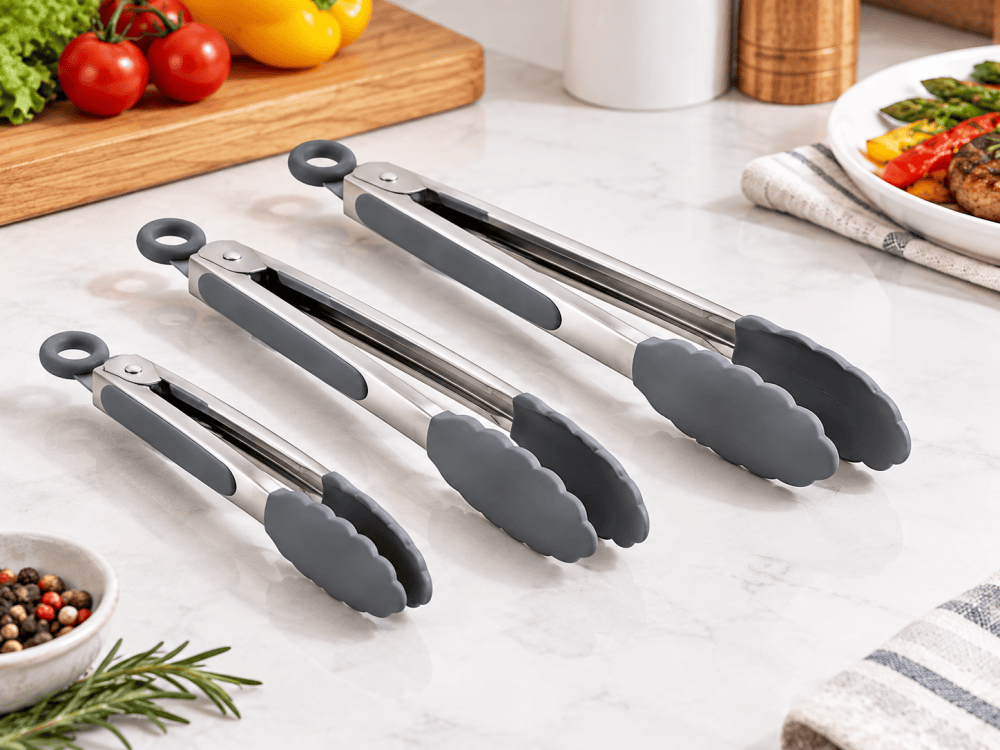
Safest Kitchen Utensils: How to Choose Non-Toxic Tools for Everyday Cooking
Safest Kitchen Utensils: How to Choose Non-Toxic Tools for Everyday Cooking
Choosing the safest kitchen utensils is no longer just about convenience—it's about protecting your family's health, improving cooking performance, and ensuring long-term durability. Every day, kitchen utensils come into direct contact with hot food, oils, acidic ingredients, and high cooking temperatures. If these tools are made from poor-quality materials, they may warp, crack, or even release unwanted chemicals into your food.
As consumers become more aware of food safety, searches for "non-toxic kitchen utensils," "food-safe cooking tools," and "BPA-free kitchen utensils" continue to grow. Home cooks, professional chefs, and commercial buyers alike are paying closer attention to the materials used in spatulas, tongs, cutting boards, mixing bowls, baking tools, and other everyday kitchen essentials.
Fortunately, today's market offers a wide range of food-safe materials—including food-grade silicone, stainless steel, BPA-free plastics, bamboo, and natural wood—that provide excellent safety and performance when properly manufactured.
In this comprehensive guide, you'll learn:
- What makes a kitchen utensil truly safe
- The safest materials for cooking utensils
- Which materials should be avoided
- How certifications like FDA and LFGB help ensure food safety
- How to choose the best kitchen utensils for different cooking styles
- Tips for maintaining your kitchen tools to maximize safety and lifespan
Whether you're upgrading your home kitchen or sourcing products for retail or wholesale, this guide will help you make informed decisions about safe, durable, and high-quality kitchen utensils.
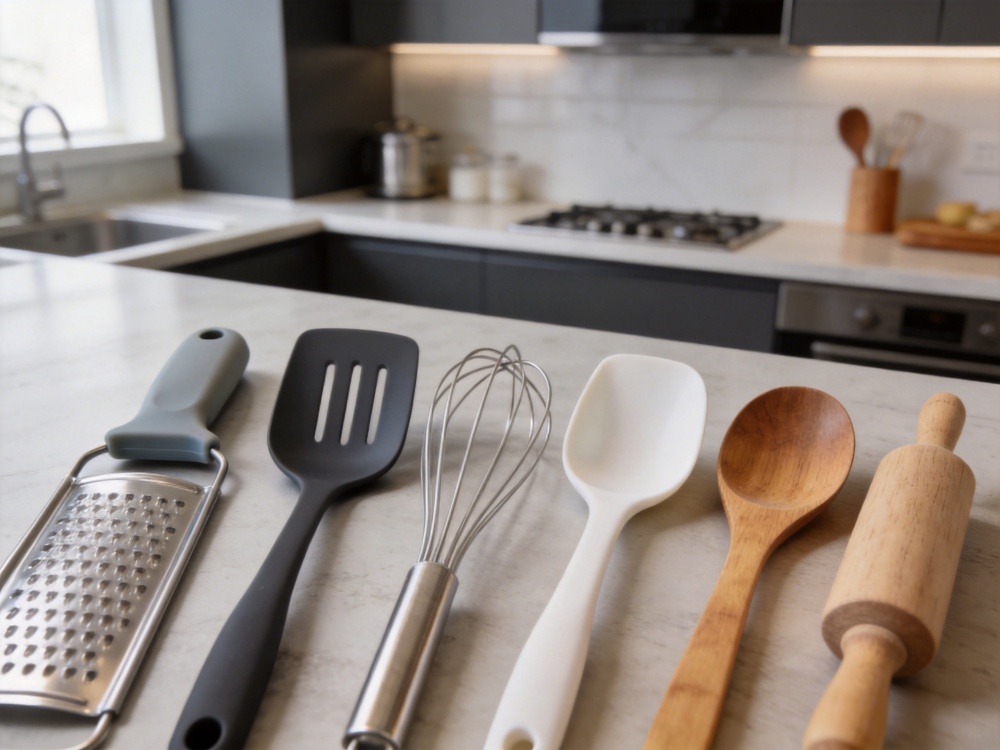
The safest kitchen utensils are typically made from food-grade silicone, 304 stainless steel, BPA-free plastic, natural wood, or bamboo. These materials are durable, heat-resistant, non-toxic, and safe for direct contact with food when manufactured according to recognized food safety standards such as FDA or LFGB.
Why Kitchen Utensil Safety Matters
Kitchen utensils are among the most frequently used tools in any household. Unlike cookware, which may only contact food during cooking, utensils such as spatulas, spoons, whisks, tongs, and cutting boards are involved in nearly every stage of food preparation—from chopping vegetables to stirring sauces and serving meals.
Because these tools are repeatedly exposed to heat, moisture, oil, and acidic foods, selecting the right materials plays an important role in protecting both food quality and consumer health.
Prevent Chemical Migration
Low-quality plastics and uncertified materials may release unwanted substances when exposed to high cooking temperatures. Although regulations vary by country, choosing utensils made from certified food-grade materials significantly reduces the risk of chemical migration into food.
Improve Food Hygiene
Kitchen utensils should be easy to clean and resistant to bacteria. Materials with smooth, non-porous surfaces are generally easier to sanitize and less likely to trap food particles.
For example:
- 304 stainless steel resists corrosion and is easy to disinfect.
- Food-grade silicone does not absorb moisture or odors under normal use.
- BPA-free plastic is lightweight and easy to wash when properly maintained.
Protect Your Cookware
The safest kitchen utensils should not only protect your food but also your cookware. Silicone and certain BPA-free plastic utensils are gentle on non-stick coatings, helping prevent scratches that could shorten the lifespan of expensive pots and pans.
Provide Long-Term Durability
High-quality kitchen utensils maintain their shape, color, and performance after years of regular use. Investing in durable tools reduces replacement costs while improving cooking efficiency.
Growing consumer awareness of food safety has significantly increased demand for FDA-compliant silicone utensils, 304 stainless steel cooking tools, BPA-free kitchen accessories, and sustainably sourced wooden utensils. Many premium kitchenware brands now highlight food-grade certifications as a key selling point.
What Makes a Kitchen Utensil Safe?
A safe kitchen utensil is more than just a product made from a particular material. Several factors work together to determine whether a utensil is suitable for long-term food contact and everyday cooking.
Food-Grade Materials
The first requirement is the use of certified food-grade materials. These materials are specifically manufactured for direct food contact and are designed to remain stable under normal cooking conditions.
Examples include:
- Food-grade silicone
- 304 stainless steel
- BPA-free polypropylene (PP)
- High-density polyethylene (HDPE)
- Natural hardwoods and bamboo intended for food contact
Heat Resistance
Cooking utensils frequently encounter temperatures exceeding 180°C (356°F), especially when used for frying, grilling, or baking. Safe utensils should withstand these temperatures without melting, warping, or releasing harmful substances.
Approximate heat resistance of common materials:
| Material | Typical Heat Resistance |
|---|---|
| Food-Grade Silicone | Up to 230–250°C (446–482°F) |
| 304 Stainless Steel | Over 500°C (932°F) |
| BPA-Free Plastic (PP) | Approximately 120°C (248°F) |
| Natural Wood | Suitable for normal cooking but should avoid prolonged direct flame exposure |
Chemical Stability
Safe kitchen utensils should remain chemically stable when exposed to oils, acidic foods such as tomatoes or citrus, and repeated washing. Stable materials are less likely to degrade over time or affect the flavor and quality of food.
Easy to Clean
Kitchen hygiene is just as important as material safety. Utensils should have smooth surfaces that resist staining, odor absorption, and bacterial buildup.
Dishwasher-safe designs can further improve convenience, although hand washing may extend the lifespan of certain materials like natural wood.
Certified Manufacturing Standards
Many reputable manufacturers test their products according to internationally recognized food-contact standards. Choosing utensils that comply with these regulations provides additional confidence in product safety.
Common certifications include:
- FDA Food Contact Compliance (United States)
- LFGB Food Safety Standard (Germany and Europe)
- REACH Compliance
- EU Food Contact Regulations
Safest Materials for Kitchen Utensils
No single material is perfect for every cooking task. Each offers unique advantages depending on temperature, cookware type, and intended use. Understanding these differences will help you choose the most suitable utensils for your kitchen.
1. Food-Grade Silicone
Food-grade silicone has become one of the most popular materials for modern kitchen utensils because it combines flexibility, durability, and excellent heat resistance.
Unlike ordinary rubber, high-quality silicone remains stable across a wide temperature range without becoming brittle or melting. It is also gentle on non-stick cookware, making it an excellent choice for spatulas, baking tools, whisks, pastry brushes, and serving utensils.
Advantages:
- Excellent heat resistance (typically up to 230–250°C)
- Soft enough for non-stick cookware
- Resistant to staining and odors
- Flexible and comfortable to use
- Easy to clean and dishwasher safe
- Available in a wide range of colors and designs
Best for:
- Cooking utensils
- Baking tools
- Mixing spatulas
- Pastry brushes
- Tongs with silicone tips
- Silicone baking molds
2. 304 Stainless Steel
304 stainless steel is widely regarded as one of the safest and most durable materials for kitchen utensils. It is commonly used in both commercial kitchens and home cooking because of its excellent corrosion resistance, strength, and hygienic surface.
Unlike lower-grade metals, food-grade 304 stainless steel contains chromium and nickel that form a protective oxide layer, helping prevent rust and reducing reactions with acidic foods such as tomatoes, vinegar, citrus fruits, and wine.
Because of its exceptional durability, stainless steel is often the preferred material for professional chefs who require tools that can withstand years of heavy use.
Advantages:
- Outstanding corrosion resistance
- Extremely durable and long-lasting
- High heat resistance
- Does not absorb odors or stains
- Easy to sanitize
- 100% recyclable
Limitations:
- May scratch non-stick cookware if used improperly
- Can become hot during prolonged cooking
- Usually heavier than plastic or silicone utensils
Best Applications:
- Kitchen tongs
- Whisks
- Ladles
- Serving spoons
- Skimmers
- Kitchen scissors
- Mixing bowls
When purchasing stainless steel kitchen utensils, choose products clearly labeled 18/8 or 18/10 (304 stainless steel). These grades provide excellent corrosion resistance and are widely recognized as food-safe for everyday cooking.
3. BPA-Free Plastic
Plastic kitchen utensils remain popular because they are lightweight, inexpensive, and available in countless designs. However, not all plastics are created equal.
Modern kitchen utensils should always use BPA-free food-grade plastics, which are specifically designed for food contact. High-quality polypropylene (PP), polyethylene (PE), and Tritan™ are commonly used in kitchen products because they provide good durability while eliminating Bisphenol A (BPA).
Although BPA-free plastics are considered safe for normal food-contact applications, they generally have lower heat resistance than silicone or stainless steel and should not be exposed to prolonged high temperatures.
Advantages:
- Affordable
- Lightweight
- Comfortable to handle
- Does not scratch non-stick cookware
- Available in many colors and designs
Limitations:
- Lower heat resistance than silicone
- May discolor after prolonged use
- Can warp if exposed to excessive heat
Best Applications:
- Measuring cups
- Food storage containers
- Mixing bowls
- Colanders
- Kitchen gadget sets
4. Natural Wood
Wooden kitchen utensils have been used for centuries and remain a favorite among home cooks due to their natural appearance and gentle interaction with cookware.
Unlike metal utensils, wood does not scratch non-stick coatings, making it ideal for stirring sauces, soups, and delicate dishes.
Hardwoods such as beech, acacia, olive wood, and teak are commonly chosen because they are dense, durable, and naturally resistant to wear.
Advantages:
- Natural appearance
- Comfortable grip
- Safe for non-stick cookware
- Does not conduct heat
- Renewable material
Limitations:
- Requires regular oil treatment
- Can crack if left soaking in water
- May absorb moisture if poorly maintained
Best Applications:
- Cooking spoons
- Spatulas
- Salad servers
- Cutting boards
5. Bamboo
Bamboo has become increasingly popular as an eco-friendly alternative to traditional hardwood. Because bamboo grows rapidly and requires fewer natural resources than many tree species, it is often promoted as a sustainable material for kitchen utensils.
Modern bamboo utensils are lightweight, durable, and naturally attractive. They are also less porous than some softwoods, helping resist moisture absorption when properly cared for.
Advantages:
- Environmentally friendly
- Lightweight
- Comfortable to use
- Naturally attractive appearance
- Suitable for non-stick cookware
Limitations:
- Requires proper maintenance
- May crack if repeatedly exposed to water
- Quality varies among manufacturers
Best Applications:
- Cooking spoons
- Serving utensils
- Cutting boards
- Kitchen utensil sets
Kitchen Utensil Material Comparison
Each kitchen utensil material offers different strengths. The ideal choice depends on your cooking style, cookware, maintenance preferences, and budget.
| Material | Food Safety | Heat Resistance | Durability | Non-Stick Safe | Maintenance | Best Uses |
|---|---|---|---|---|---|---|
| Food-Grade Silicone | ★★★★★ | ★★★★★ | ★★★★☆ | ★★★★★ | Very Easy | Cooking, Baking |
| 304 Stainless Steel | ★★★★★ | ★★★★★ | ★★★★★ | ★★☆☆☆ | Easy | Serving, BBQ, Mixing |
| BPA-Free Plastic | ★★★★☆ | ★★★☆☆ | ★★★★☆ | ★★★★★ | Easy | Storage, Measuring |
| Natural Wood | ★★★★☆ | ★★★★☆ | ★★★★☆ | ★★★★★ | Moderate | Cooking Utensils |
| Bamboo | ★★★★☆ | ★★★★☆ | ★★★★☆ | ★★★★★ | Moderate | Serving, Cooking |
Materials That May Not Be Safe
Although many kitchen utensils are manufactured using food-safe materials, some low-quality products may present safety concerns due to inferior raw materials or poor manufacturing processes.
Rather than focusing only on what to buy, it's equally important to understand what to avoid.
Low-Quality Plastic
Cheap plastic utensils without food-contact certification may deform at high temperatures, discolor over time, or degrade more quickly than certified BPA-free products.
Unknown Non-Stick Coatings
Some inexpensive utensils feature decorative coatings that are not designed for repeated food contact or high-temperature cooking. Choosing utensils from reputable manufacturers reduces this risk.
Damaged Silicone Utensils
Food-grade silicone is highly durable, but excessively cut, torn, or burned utensils should be replaced. Damaged surfaces are harder to clean and may affect long-term performance.
Cracked Wooden Utensils
Wood naturally expands and contracts with changes in moisture. Deep cracks can trap food particles and make cleaning more difficult. Replace wooden utensils if cracks become significant.
Rusty Metal Tools
High-quality stainless steel rarely rusts under normal use. However, utensils made from lower-grade metals may corrode over time, affecting appearance and hygiene.
Regardless of material, always purchase kitchen utensils from reputable manufacturers that clearly identify the material, food-contact certifications, and recommended temperature range. Proper manufacturing standards are just as important as the material itself.
Best Kitchen Utensils for Different Cooking Styles
The safest kitchen utensils aren't necessarily made from a single material. The ideal choice depends on how you cook, the cookware you use, and your personal preferences. Selecting the right utensils for specific tasks not only improves cooking efficiency but also helps extend the lifespan of your cookware.
For Non-Stick Cookware
Non-stick cookware requires utensils that won't scratch or damage the protective coating. Even minor scratches can reduce the cookware's performance over time.
Recommended materials:
- Food-grade silicone
- BPA-free nylon
- Natural wood
- Bamboo
Avoid: Stainless steel utensils with sharp edges.
For High-Temperature Cooking
When stir-frying, grilling, or cooking over high heat, utensils must withstand elevated temperatures without warping or degrading.
Recommended materials:
- 304 stainless steel
- Food-grade silicone (230–250°C)
For Baking
Baking often requires flexible tools that can scrape bowls clean and work safely with delicate bakeware.
Ideal baking utensils include:
- Silicone spatulas
- Silicone pastry brushes
- Silicone whisks
- Measuring cups and spoons
For BBQ and Outdoor Cooking
Barbecue cooking exposes utensils to high temperatures and heavy use. Durable stainless steel tools are generally the preferred option.
Recommended products include:
- Stainless steel tongs
- Grill spatulas
- BBQ forks
- Basting brushes with silicone heads
For Everyday Home Cooking
Most households benefit from combining different materials instead of relying on one type.
A practical kitchen setup may include:
- Silicone spatulas for non-stick cookware
- Stainless steel serving utensils
- Wooden spoons for soups and sauces
- BPA-free measuring tools
- Food-grade cutting boards for meal preparation
How to Choose the Safest Kitchen Utensils
With so many products available, choosing safe kitchen utensils can feel overwhelming. The following checklist helps simplify the buying process.
1. Check Food Safety Certifications
Look for products that comply with recognized food-contact standards.
Common certifications include:
- FDA Food Contact Compliance
- LFGB Certification
- EU Food Contact Regulations
- REACH Compliance
2. Choose the Right Material for Your Needs
No single material is suitable for every task.
| Cooking Task | Recommended Material |
|---|---|
| Stir-frying | 304 Stainless Steel |
| Non-stick cookware | Food-grade Silicone |
| Baking | Silicone |
| Serving | Stainless Steel |
| Food Preparation | Wood or BPA-Free Plastic |
3. Inspect Product Quality
High-quality utensils should feature:
- Smooth, polished surfaces
- No sharp edges or burrs
- Strong, secure construction
- Comfortable ergonomic handles
- Consistent finish without defects
4. Buy from Reputable Manufacturers
Established manufacturers typically provide better quality control, traceable materials, and compliance with international food safety standards.
Instead of purchasing the cheapest option, invest in high-quality kitchen utensils made from certified food-grade materials. Premium utensils often last for years, making them a more economical and sustainable choice over time.
How to Maintain Kitchen Utensils Safely
Even the safest kitchen utensils require proper care to maintain their performance and hygiene.
- Wash utensils after every use.
- Dry completely before storage.
- Avoid prolonged soaking of wooden utensils.
- Store knives separately to protect blades.
- Replace damaged silicone or cracked wooden tools.
- Avoid exposing plastic utensils to temperatures beyond their recommended limits.
- Inspect utensils regularly for signs of wear.
When Should You Replace Kitchen Utensils?
Kitchen utensils don't last forever. Replacing worn or damaged tools helps maintain food safety and cooking performance.
| Utensil Type | Replace When... |
|---|---|
| Silicone Utensils | Torn, burned, or permanently deformed |
| Plastic Utensils | Warped, cracked, or heavily stained |
| Wooden Utensils | Deep cracks, mold, or persistent odors appear |
| Stainless Steel | Loose handles or severe corrosion develops |
| Cutting Boards | Deep knife grooves become difficult to sanitize |
Frequently Asked Questions
What is the safest material for kitchen utensils?
Food-grade silicone and 304 stainless steel are generally considered the safest materials because they are durable, heat-resistant, and chemically stable. Natural wood and BPA-free plastics are also safe when properly manufactured.
Are silicone kitchen utensils non-toxic?
Yes. High-quality food-grade silicone is non-toxic, odor-resistant, and suitable for high-temperature cooking within the manufacturer's recommended limits.
Is stainless steel better than silicone?
Both materials have advantages. Stainless steel offers exceptional durability and heat resistance, while silicone is ideal for protecting non-stick cookware.
What does BPA-free mean?
BPA-free indicates that a plastic product is manufactured without Bisphenol A, a chemical that many consumers prefer to avoid in food-contact products.
Are wooden utensils hygienic?
Yes. Properly maintained wooden utensils are safe and hygienic. They should be cleaned promptly, dried thoroughly, and periodically conditioned with food-safe mineral oil.
Which utensils are safest for non-stick cookware?
Food-grade silicone, wood, bamboo, and BPA-free nylon utensils are recommended because they minimize the risk of scratching delicate non-stick coatings.
How long do kitchen utensils last?
High-quality kitchen utensils can last for many years with proper care. Stainless steel often has the longest lifespan, while wooden and plastic utensils may require more frequent replacement depending on use.
Can kitchen utensils go in the dishwasher?
Many silicone, stainless steel, and BPA-free plastic utensils are dishwasher safe. Wooden utensils are generally best washed by hand to prevent cracking and warping.
Conclusion
The safest kitchen utensils are those made from certified food-grade materials, designed for their intended purpose, and properly maintained over time. Food-grade silicone, 304 stainless steel, BPA-free plastics, natural wood, and bamboo each offer unique advantages depending on your cooking style and cookware.
When selecting kitchen utensils, focus on material quality, food safety certifications, durability, and ease of cleaning rather than price alone. Investing in well-made kitchen tools helps improve food safety, cooking performance, and long-term value.
Whether you're equipping a home kitchen, sourcing products for retail, or developing a private-label kitchenware line, choosing high-quality utensils ensures a safer and more enjoyable cooking experience.
Looking for Safe, Food-Grade Kitchen Utensils?
Kitlucy specializes in premium kitchen utensils made from food-grade silicone, 304 stainless steel, BPA-free plastic, and natural materials. We offer OEM, ODM, and private-label manufacturing solutions for global brands, wholesalers, and retailers.
Explore our Kitchen Utensils collection:
//www.kitlucy.com/kitchen-utensils.html
Contact our team for OEM & wholesale inquiries:
Related Blogs