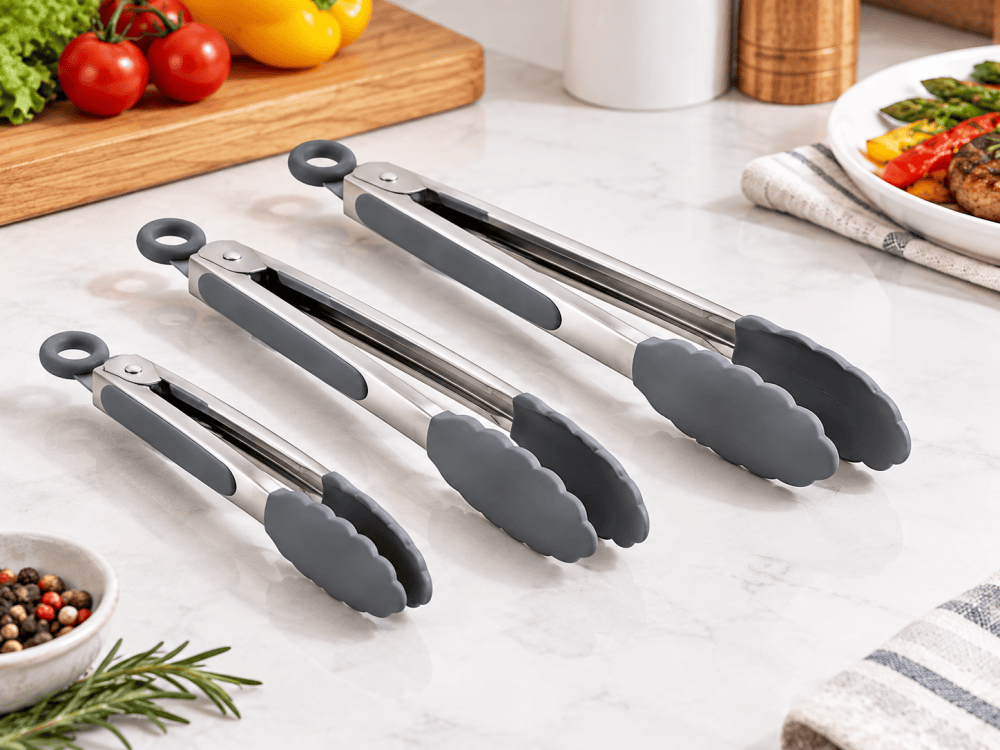
When Should You Replace Kitchen Utensils? Signs Your Tools Need an Upgrade
When Should You Replace Kitchen Utensils? Signs Your Tools Need an Upgrade
Kitchen utensils are essential tools used every day for cooking and food preparation. However, even high-quality kitchen tools do not last forever. Over time, scratches, cracks, discoloration, and material damage can affect their performance and food safety.
Knowing when to replace kitchen utensils helps maintain a cleaner, safer, and more efficient kitchen environment. This guide explains the common signs that kitchen tools need replacing and how different materials perform over time.
Why Should You Replace Kitchen Utensils Regularly?
Many people replace kitchen utensils only when they are completely broken. However, damaged or worn kitchen tools may already affect cooking safety and hygiene before visible failure occurs.
Replacing damaged kitchen utensils regularly helps prevent bacteria buildup, reduces contamination risks, and ensures better cooking performance.
Common Signs You Need to Replace Kitchen Utensils
1. Cracks, Splits, or Physical Damage
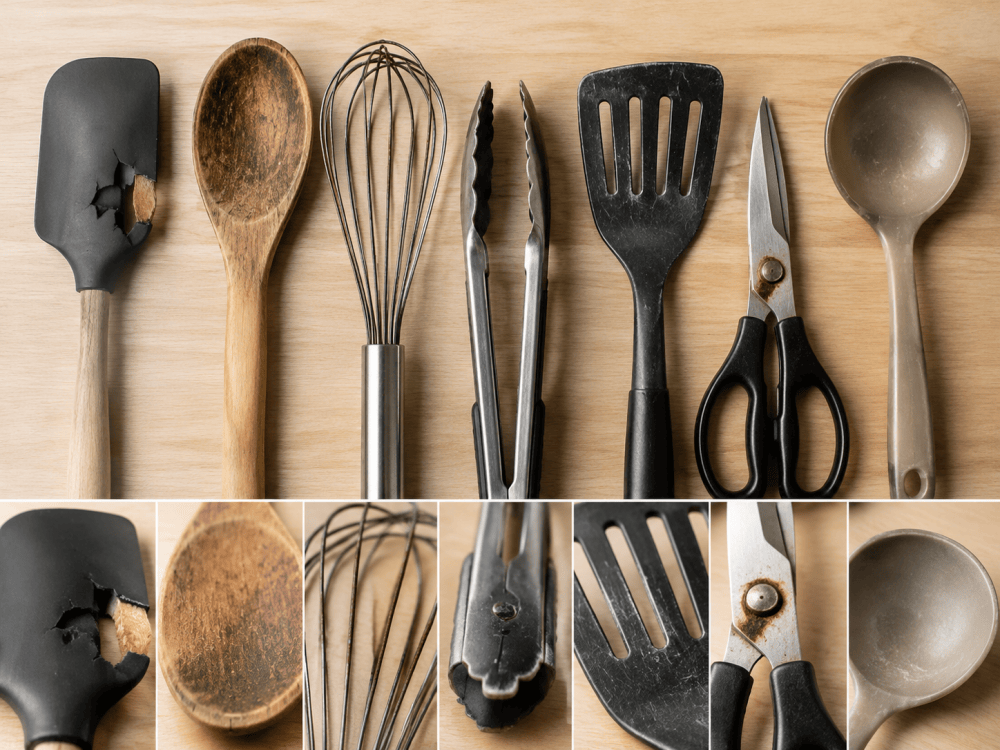
Visible cracks are one of the clearest signs that a kitchen utensil should be replaced. Damaged surfaces can trap food particles and moisture, creating an environment where bacteria may grow.
This is especially important for:
- Plastic cooking utensils with cracks
- Silicone spatulas with torn edges
- Wooden utensils with deep splits
2. Deep Scratches on the Surface
Scratches can reduce the lifespan of kitchen utensils and may affect hygiene, especially when food residue becomes trapped inside damaged areas.
Common examples include:
- Scratched plastic utensils
- Damaged cutting board surfaces
- Worn non-stick cookware tools
3. Permanent Stains or Unusual Odors
Kitchen utensils that develop strong odors or permanent discoloration may indicate that the material has absorbed food residues over time.
Although some stains are harmless, persistent smells can be a sign that replacement should be considered.
4. Warping or Loss of Shape
Heat exposure can gradually affect some plastic and nylon utensils. Warped tools may no longer perform correctly and may become difficult to clean.
5. Reduced Cooking Performance
If a kitchen utensil no longer works effectively, replacement may improve cooking efficiency.
Examples include:
- Bent spatulas that cannot flip food properly
- Dull kitchen scissors
- Loose utensil handles
How Often Should You Replace Kitchen Utensils?
The replacement frequency of kitchen utensils depends on the material, usage frequency, cleaning habits, and product quality. Some tools may last for years, while others should be replaced more frequently due to daily wear.
| Kitchen Utensil Material | Average Lifespan | When to Replace |
|---|---|---|
| Food-Grade Silicone | 3-5 years or longer | Replace when cracked, torn, sticky, or permanently damaged |
| Nylon | 1-3 years | Replace when warped, melted, scratched, or discolored |
| 304 Stainless Steel | 5-10+ years | Replace when handles loosen, surfaces are damaged, or rust appears |
| Wood | 1-5 years | Replace when cracked, split, moldy, or deeply stained |
When to Replace Different Types of Kitchen Utensils
Silicone Kitchen Utensils
Food-grade silicone utensils are known for their flexibility, heat resistance, and compatibility with non-stick cookware. However, they should still be replaced when signs of aging appear.
Replace silicone utensils when:
- The silicone surface becomes sticky or soft
- Cracks or tears appear on the edges
- The utensil changes shape permanently
- It develops unpleasant odors that cannot be removed
High-quality silicone utensils can provide long-term performance when properly maintained. Choosing food-grade silicone from reliable manufacturers also improves durability and safety.
Nylon Kitchen Utensils
Nylon kitchen utensils are popular because they are lightweight, affordable, and suitable for non-stick cookware. However, nylon has lower heat resistance compared with silicone and stainless steel.
Replace nylon utensils when:
- The surface becomes rough or scratched
- The edges become melted or deformed
- The utensil loses its original shape
- Heat damage affects performance
Avoid leaving nylon utensils in hot pans for extended periods because excessive heat can accelerate material aging.
304 Stainless Steel Kitchen Utensils
304 stainless steel utensils usually have the longest lifespan because they are strong, corrosion-resistant, and suitable for heavy daily use.
Replace stainless steel utensils when:
- Handles become loose or unstable
- Deep scratches or structural damage appear
- Rust spots develop due to poor maintenance
- Welding points become damaged
With proper cleaning and care, stainless steel kitchen utensils can remain functional for many years, making them a popular choice for premium kitchens and professional applications.
Wooden Kitchen Utensils
Wooden utensils offer a natural appearance and comfortable handling, but they require more maintenance because wood can absorb moisture.
Replace wooden utensils when:
- Deep cracks appear
- The surface becomes rough
- Mold develops
- Persistent odors remain after cleaning
Kitchen Utensils That Need More Frequent Replacement
Some kitchen tools experience higher wear because they are exposed to frequent cutting, heat, moisture, or heavy use.
| Kitchen Tool | Reason for Faster Replacement |
|---|---|
| Cutting Boards | Deep knife marks can trap food particles and moisture |
| Plastic Cooking Utensils | Heat exposure may cause deformation over time |
| Silicone Spatulas | Edges may wear after frequent use |
| Kitchen Scissors | Blades may become dull after long-term cutting |
How to Extend the Life of Kitchen Utensils
Proper maintenance can significantly extend the service life of kitchen tools and reduce unnecessary replacement costs.
Clean Utensils Properly After Use
Wash utensils after cooking and remove food residue before storage. Proper cleaning helps prevent bacteria buildup and material damage.
Avoid Excessive Heat Exposure
Using utensils beyond their recommended temperature range may accelerate aging, especially for plastic and nylon products.
Store Tools in a Dry Environment
Moisture can affect certain materials, especially wooden utensils. Proper drying helps prevent mold and odor problems.
Use the Right Tool for Each Application
Using silicone tools for non-stick cookware and stainless steel tools for heavy-duty cooking can improve product lifespan.
Kitchen Utensil Replacement Checklist
Regularly checking your kitchen tools can help identify potential safety issues before they affect cooking quality. Use this checklist to decide whether a utensil should be replaced.
| Inspection Item | Replace If... |
|---|---|
| Surface Condition | Cracks, deep scratches, peeling, or permanent damage appear |
| Shape and Structure | The utensil is bent, warped, broken, or unstable |
| Odor and Cleanliness | Strong smells or stains remain after cleaning |
| Material Performance | The tool becomes soft, brittle, or loses functionality |
| Safety Performance | The utensil may affect food hygiene or cooking safety |
Why Quality Kitchen Utensils Last Longer
The lifespan of kitchen utensils depends not only on usage habits but also on manufacturing quality and material selection.
High-quality kitchen tools are usually made with better raw materials, improved production processes, and stricter quality control standards.
For retailers and wholesalers, selecting durable kitchen utensils can reduce customer complaints, improve brand reputation, and create stronger long-term product value.
What Should Brands Consider When Developing Kitchen Utensils?
For kitchenware brands and distributors, product durability is an important factor influencing customer satisfaction and repeat purchases.
Choose Reliable Materials
Food-grade silicone, nylon, and 304 stainless steel are commonly selected materials because they provide different advantages for various market segments.
Focus on Product Design
Ergonomic handles, reinforced structures, heat-resistant materials, and easy-clean designs can improve the user experience.
Meet International Safety Requirements
Export kitchen utensils should comply with relevant food-contact safety standards, such as FDA and LFGB requirements, depending on the target market.
Offer OEM and Private Label Solutions
Customized colors, packaging, logos, and product combinations help brands create differentiated kitchenware collections.
Frequently Asked Questions
How often should you replace kitchen utensils?
The replacement time depends on the material and usage. Silicone utensils usually last several years, while heavily used plastic or nylon tools may require replacement sooner.
When should I throw away silicone kitchen utensils?
Replace silicone utensils when they develop cracks, tears, sticky surfaces, permanent odors, or visible damage.
How do I know if my kitchen utensils are unsafe?
Signs such as cracks, melting, deformation, deep scratches, mold, or unusual odors may indicate that replacement is needed.
Do stainless steel kitchen utensils need to be replaced?
Yes. Although stainless steel utensils are highly durable, they should be replaced if they have structural damage, loose handles, or serious corrosion.
How long do silicone kitchen utensils last?
High-quality food-grade silicone utensils can often last 3-5 years or longer with proper care and normal household use.
Can old kitchen utensils affect food safety?
Yes. Damaged kitchen utensils may collect food residue and bacteria, increasing hygiene risks during food preparation.
Conclusion
Knowing when to replace kitchen utensils is an important part of maintaining a safe and efficient kitchen. Regular inspection helps identify damaged tools before they affect food hygiene, cooking performance, and user experience.
Different materials have different replacement cycles. Silicone offers flexibility and heat resistance, nylon provides an affordable solution for everyday cooking, and 304 stainless steel delivers excellent durability for long-term use.
For consumers and kitchenware buyers, choosing high-quality utensils from reliable manufacturers is the best way to ensure safety, performance, and long-lasting value.
Looking for Durable Kitchen Utensils?
We provide food-grade silicone, nylon, and stainless steel kitchen utensils with OEM and private label solutions for global brands, wholesalers, and distributors.
From material selection and product development to customized packaging, we help partners create reliable kitchen tools for worldwide markets.
Related Blogs