Silicone Bakeware Pros and Cons: Is It Better Than Traditional Bakeware?
Silicone Bakeware Pros and Cons: Is It Better Than Traditional Bakeware?
Silicone bakeware has become increasingly popular in modern kitchens, offering flexibility, non-stick performance, and convenience. However, before choosing silicone molds, many buyers want to understand the real silicone bakeware pros and cons.
This guide provides a complete breakdown of the advantages and disadvantages of silicone bakeware, helping you decide whether it is the right choice for your baking needs.
What Is Silicone Bakeware?
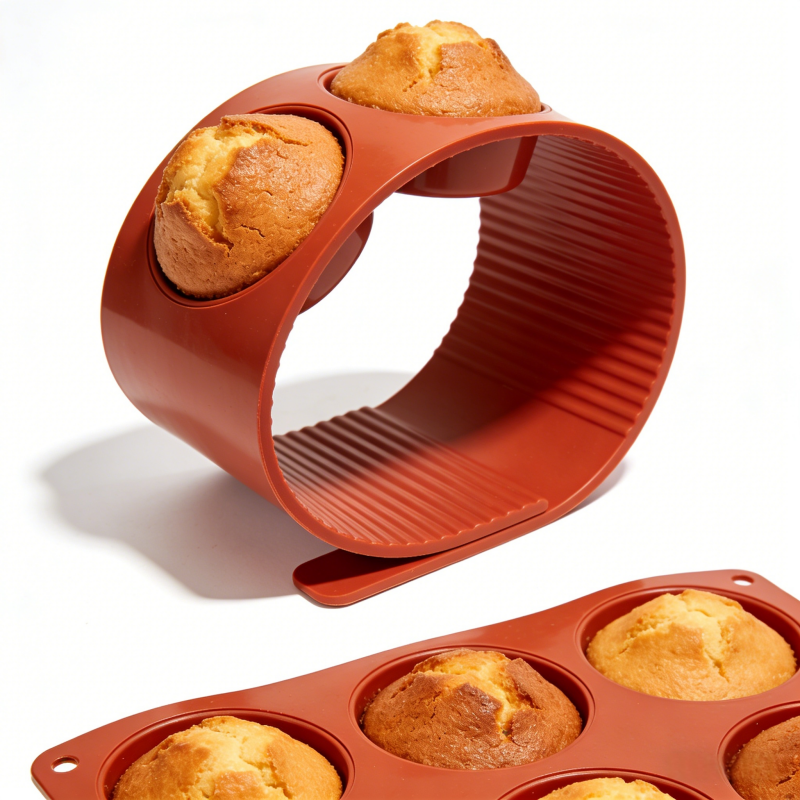
Silicone bakeware is made from food-grade silicone, a flexible and heat-resistant material used for baking molds, trays, and kitchen tools. It is widely used for cakes, muffins, desserts, and more.
High-quality silicone bakeware is non-toxic, heat-resistant, and designed for repeated use in both home and commercial baking.
Silicone Bakeware Pros
Excellent Non-Stick Performance
One of the biggest silicone bakeware pros is its natural non-stick surface, allowing baked goods to release easily without greasing.
Flexible and Easy to Use
The flexibility of silicone molds makes it easy to remove delicate baked goods without breaking them.
Heat and Cold Resistance
Silicone bakeware can typically withstand temperatures from -40°C to 230°C, making it suitable for ovens, microwaves, and freezers.
Easy Cleaning
Most silicone bakeware is dishwasher safe and resistant to stains and odors.
Lightweight and Space-Saving
Compared to metal bakeware, silicone is lightweight and easy to store.
Silicone Bakeware Cons
Lack of Structure
Due to its flexibility, silicone bakeware may require a baking tray underneath for support.
Lower Heat Conductivity
Silicone does not conduct heat as efficiently as metal, which may result in slightly longer baking times.
Potential Grease Buildup
Over time, silicone molds can develop a sticky surface if not cleaned properly.
Quality Variation
Low-quality silicone products may not perform well or meet food safety standards.
Silicone Bakeware vs Metal Bakeware
| Feature | Silicone Bakeware | Metal Bakeware |
|---|---|---|
| Non-stick | Excellent | Moderate |
| Flexibility | High | None |
| Heat Conductivity | Moderate | High |
| Ease of Cleaning | Easy | Moderate |
When Should You Use Silicone Bakeware?
- For delicate cakes and desserts
- When easy release is important
- For creative mold shapes
When Silicone Bakeware May Not Be Ideal
- For recipes requiring crispy edges
- For high-precision baking
- When structural stability is critical
Frequently Asked Questions
Is silicone bakeware safe?
Yes, high-quality food-grade silicone is safe for baking.
Does silicone bakeware affect baking results?
Yes, it may slightly change baking time due to heat conductivity differences.
Do you need to grease silicone bakeware?
Usually not, but light greasing can improve results.
Conclusion
Understanding silicone bakeware pros and cons helps you choose the right tools for your kitchen. While silicone offers flexibility and convenience, it works best when used correctly and combined with proper baking techniques.
Looking for High-Quality Silicone Bakeware?
We offer food-grade silicone bakeware with OEM and private label services. Contact us for bulk orders and custom solutions.
Related Blogs