

Silicone vs. Metal Cake Pans: Which Should You Choose?
Choosing between silicone and metal cake pans can make a noticeable difference in your baking results. Both materials are widely used for cakes, muffins, cupcakes and other desserts, but they behave differently in the oven. Metal pans generally transfer heat more efficiently and produce better browning, while silicone pans offer flexibility and convenient cake release.
So, which is better: silicone or metal cake pans? The answer depends on what you bake, the texture you want, how important easy release is, and how you plan to use the pan.
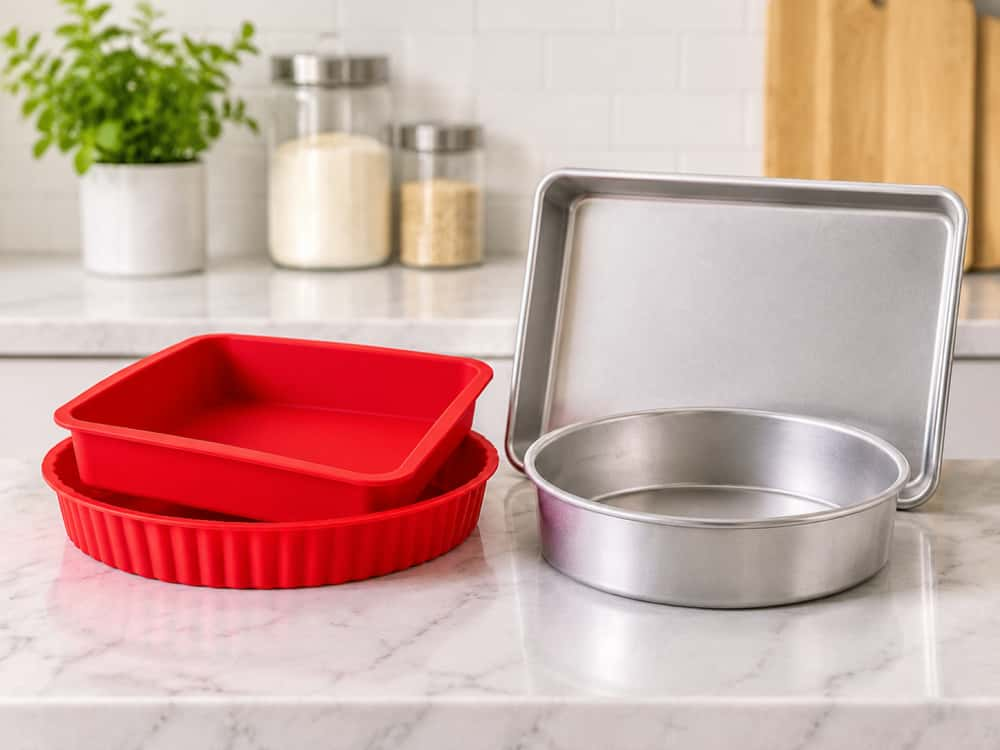
Metal cake pans are generally the better choice for traditional cakes, layered cakes, brownies and recipes that need reliable heat transfer, structure and golden-brown edges.
Silicone cake pans are useful for decorative shapes, mini cakes, muffins and delicate desserts where easy release and flexible molds are priorities.
For most everyday cake baking, a good-quality metal pan is the more versatile starting point. Silicone is a useful addition when shape variety and easy unmolding matter more than strong browning.
1. What Is the Difference Between Silicone and Metal Cake Pans?
The biggest difference between silicone and metal cake pans is how they transfer heat from the oven to the cake batter.
Metal is a good thermal conductor. It absorbs and transfers heat relatively efficiently, helping the edges and bottom of a cake set and brown during baking. Aluminum and many steel-based bakeware products are popular because they provide a rigid structure and predictable baking performance.
Silicone is a flexible material with relatively low thermal conductivity. It does not transfer oven heat in the same way as metal, so baked goods may develop less browning on the sides and bottom. Its flexibility, however, makes it easier to release cakes from molds with detailed shapes.
How the Two Materials Behave
- Metal cake pans: Rigid, shape-stable and generally better at transferring heat to cake batter.
- Silicone cake pans: Flexible, lightweight and naturally easy to release, but less effective at producing browned edges.
These differences do not mean that one material is suitable for every recipe and the other is not. The best choice depends on the baking result you want.
2. Silicone vs. Metal Cake Pans: Side-by-Side Comparison
| Comparison | Silicone Cake Pans | Metal Cake Pans |
|---|---|---|
| Heat transfer | Relatively low thermal conductivity | Generally transfers heat more efficiently |
| Browning | Usually produces lighter sides and bottoms | Generally produces better surface browning |
| Nonstick performance | Flexible surface supports easy release | Depends on coating, finish and preparation |
| Flexibility | Flexible and easy to fold or store | Rigid and shape-stable |
| Shape options | Suitable for detailed and decorative designs | Available in many standard and specialty shapes |
| Support during baking | Usually needs a rigid baking tray underneath | Normally supports itself |
| Cleaning | Generally easy to release and clean, but grease can remain on the surface | Depends on coating, corners and construction |
| Durability considerations | Can tear or deform if mishandled | Can dent, warp, scratch or lose coating depending on construction |
| Best applications | Decorative molds, mini cakes, muffins and delicate desserts | Layer cakes, loaf cakes, brownies and everyday baking |
Keep in mind that metal cake pans are not all identical. Material thickness, metal type, color, surface finish and nonstick coating can influence baking performance. A light-colored aluminum pan, for example, may behave differently from a dark-coated steel pan.
3. Advantages and Disadvantages of Silicone Cake Pans

Silicone cake pans are popular for their flexibility, easy-release properties and wide range of shapes. They are particularly useful when the appearance of the finished dessert matters as much as the baking process.
Advantages of Silicone Cake Pans
1. Easy cake release
Flexible silicone can be gently peeled away from a cooled cake, helping release delicate desserts without pulling or breaking their edges. This is especially useful for decorative molds with grooves, curves and detailed patterns.
2. Suitable for decorative shapes
Silicone can be manufactured into many shapes that are difficult or expensive to produce in conventional rigid metal pans. Examples include flowers, hearts, animals, mini desserts and specialty cake designs.
3. Lightweight and space-saving
Many silicone molds are lightweight and can be stored more compactly than rigid bakeware. This can be convenient for kitchens with limited storage space or baking collections containing many different shapes.
4. Convenient cleaning
Silicone surfaces are generally easy to clean, and many products are dishwasher-safe when the manufacturer specifies that they are suitable for dishwasher use.
Disadvantages of Silicone Cake Pans
1. Less browning on cake surfaces
Because silicone transfers heat less efficiently than metal, cakes may develop lighter sides and bottoms. If a recipe depends on a well-browned crust or firm edges, a metal pan is usually a better option.
2. Flexible structure can make handling difficult
A silicone pan filled with batter can bend or twist when lifted. This makes it harder to move safely from the counter to the oven. Placing the mold on a rigid baking sheet before filling and baking provides better support.
3. Baking time may need adjustment
Some recipes take longer to bake in silicone than in comparable metal pans. However, there is no universal time adjustment. Results depend on the recipe, pan size, mold thickness, oven and batter depth.
4. Not every silicone mold is suitable for oven baking
Some silicone products are designed for candy making, freezing or other uses rather than oven baking. Always check the manufacturer's stated temperature range and intended application before using a mold in the oven.
4. Advantages and Disadvantages of Metal Cake Pans

Metal cake pans remain a standard choice in home kitchens, bakeries and professional food preparation environments. Their rigidity and heat-transfer properties make them suitable for a wide range of conventional baking applications.
Advantages of Metal Cake Pans
1. More efficient heat transfer
Metal generally transfers heat from the oven to the batter more efficiently than silicone. This helps cakes set and develop color around the edges and bottom.
2. Better browning and crust development
When a recipe calls for golden edges, a lightly browned bottom or a more developed exterior texture, metal bakeware is generally the more reliable option.
3. Strong and stable structure
Rigid metal pans hold their shape when filled with batter and are easier to handle during preparation, baking and cooling. They are especially useful for larger cakes and heavier mixtures.
4. Suitable for many baking applications
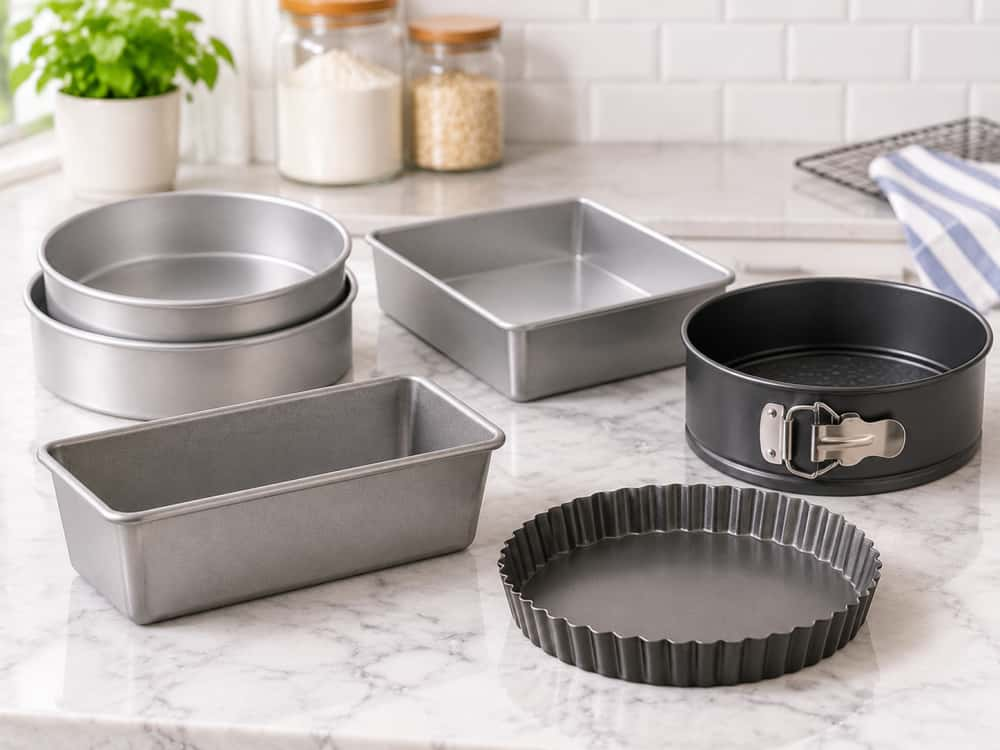
Metal pans are available in round, square, rectangular, loaf, muffin and springform designs. This makes them practical for everyday baking as well as commercial bakery operations.
Disadvantages of Metal Cake Pans
1. Some cakes need more preparation before baking
Uncoated metal pans commonly require greasing, flouring or parchment paper to reduce sticking. Nonstick metal pans can simplify release, but their coatings need appropriate care.
2. Coatings can be scratched or damaged
Metal pans with nonstick coatings should not be cut inside with sharp knives or cleaned with abrasive tools. Scratched or peeling coatings can affect usability and may indicate that the pan should be replaced.
3. Some metal pans can warp or dent
Thin-gauge metal pans may be more vulnerable to deformation, especially when exposed to repeated heating and cooling. Material thickness and construction quality are important when choosing a pan.
5. Which Is Better for Different Types of Cakes?
The right pan material can depend on the recipe. A cake that needs a firm structure and golden edges may benefit from metal bakeware, while a decorative dessert may be easier to release from silicone.
Layer Cakes and Birthday Cakes
Recommended: Metal cake pans
Round metal pans are generally a good choice for sponge cakes, butter cakes and layered birthday cakes. Their rigid sides support the batter, while efficient heat transfer helps the cake set and brown. Consistent pan dimensions are also important when baking multiple layers.
Cheesecakes
Recommended: Depends on the recipe and pan design
Traditional baked cheesecakes are often made in metal springform pans because the removable sides make it easier to release a delicate cake. Silicone molds can also work for selected cheesecake styles, especially smaller or frozen desserts, but the mold must provide sufficient support and suit the recipe.
Brownies and Dessert Bars
Recommended: Metal cake pans
Metal square and rectangular pans are generally better for brownies and dessert bars when a set structure and defined edges are desired. Silicone can release sticky desserts easily, but the bottom and edges may not develop the same browning.
Muffins and Cupcakes
Recommended: Both materials can work
Metal muffin pans are a dependable option for standard muffins and cupcakes, particularly when browned edges are desired. Silicone muffin molds are convenient for easy release and reusable individual portions. When using silicone, place the mold on a baking tray for stability.
Decorative Mini Cakes
Recommended: Silicone cake molds
Silicone is particularly useful for mini cakes, flower-shaped desserts, heart-shaped cakes and other decorative designs. Its flexibility makes it easier to release products from detailed cavities without damaging their shape.
Loaf Cakes and Pound Cakes
Recommended: Metal loaf pans for traditional results
Metal loaf pans are generally preferred when a recipe requires a well-set structure and browned exterior. Silicone loaf molds can be useful when easy release is a priority, but their flexibility makes a supporting baking tray important.
6. Does Silicone Bakeware Need a Different Temperature or Baking Time?
One of the most common questions about silicone bakeware is whether recipes need to be changed when switching from metal to silicone.
The short answer is that baking time may change, but there is no single temperature or time adjustment that works for every recipe.
Because silicone transfers heat less efficiently than metal, a cake baked in a silicone mold may take longer to set or develop surface color. However, the actual result depends on several factors:
- Pan dimensions: A deeper mold may require more time than a shallow pan.
- Silicone thickness: Different mold constructions can behave differently.
- Batter composition: Sugar, fat, moisture and leavening affect baking behavior.
- Oven performance: Actual oven temperature and air circulation influence results.
- Pan color and finish: Dark and light metal surfaces can produce different browning results.
Practical Tips When Switching to Silicone
- Follow the recipe's recommended temperature as your starting point, unless the mold manufacturer provides different instructions.
- Place the silicone mold on a rigid baking sheet before adding batter.
- Check the cake for doneness using the recipe's recommended method rather than relying only on the original baking time.
- Allow the cake to cool sufficiently before removing it from the mold.
- Record the baking time and result so you can adjust the recipe consistently next time.
7. Silicone vs. Metal Cake Pans: Which Is Easier to Clean and Maintain?
Both silicone and metal cake pans can be easy to maintain, but their care requirements are different.
How to Clean Silicone Cake Pans
- Allow the mold to cool before washing.
- Use warm water and mild dish soap to remove batter and grease.
- Clean grooves and detailed cavities carefully, as oil residue can collect in small areas.
- Use a soft sponge instead of sharp or abrasive cleaning tools.
- Dry thoroughly before storing.
- Follow the manufacturer's instructions before placing the mold in a dishwasher.
How to Clean Metal Cake Pans
- Allow the pan to cool before washing to reduce the risk of thermal stress or warping.
- Use mild dish soap and a non-abrasive sponge.
- Avoid sharp tools that can scratch nonstick coatings.
- Dry uncoated metal pans thoroughly to help prevent corrosion.
- Do not cut cakes directly inside coated pans.
- Follow the manufacturer's cleaning and dishwasher guidance.
For both materials, inspect the pan regularly. Torn silicone, permanent deformation, deep scratches, damaged coatings and corrosion are signs that a product may no longer be suitable for continued use.
8. How to Choose the Best Cake Pan for Your Needs
When choosing between silicone and metal cake pans, consider the type of baking you do most often rather than focusing on material alone.
Choose a Silicone Cake Pan If:
- You frequently make decorative cakes or desserts with detailed shapes.
- Easy unmolding is a high priority.
- You make mini cakes, muffins or individual desserts.
- You need lightweight molds that are easy to store.
- You want flexible molds for selected oven, freezer or chilled dessert applications.
Choose a Metal Cake Pan If:
- You bake traditional layer cakes, loaf cakes and brownies regularly.
- You want better browning and a more developed crust.
- You need a rigid pan that is easy to fill and transfer.
- You prefer consistent performance across standard cake recipes.
- You need durable bakeware for frequent use.
What to Check Before Buying
Regardless of material, look at the following details before purchasing a cake pan:
- Size and capacity: Check the actual internal dimensions, depth and batter capacity.
- Material quality: For silicone, check the material specification and product documentation. For metal, check the metal type, thickness and construction.
- Temperature range: Confirm the product's stated oven-use temperature and any other limitations.
- Shape and design: Choose a mold that matches the intended recipe and release requirements.
- Surface finish: For metal pans, check coating quality and whether the surface is designed for nonstick use.
- Care instructions: Confirm whether the product is dishwasher-safe and how it should be stored.
9. What Should Buyers Consider When Sourcing Silicone and Metal Cake Pans?
For importers, wholesalers, retailers and private-label baking brands, selecting the right material is only one part of the sourcing process. Product consistency, manufacturing quality, food-contact documentation, packaging and customization options also matter.
Key Considerations for Silicone Cake Pans
- Confirm the silicone material specification and suitability for the intended food-contact application.
- Request applicable food-contact test reports and supporting compliance documentation for the target market.
- Evaluate mold thickness, flexibility, dimensional consistency and surface finish.
- Check the stated temperature range and whether the product is suitable for oven, microwave or freezer use.
- Test cake release, cleaning performance and resistance to deformation under the intended conditions.
Key Considerations for Metal Cake Pans
- Confirm the base metal, such as aluminum or carbon steel, and its thickness.
- Evaluate forming quality, edge finishing, dimensional accuracy and structural stability.
- For coated pans, check coating specifications, adhesion and abrasion performance.
- Assess corrosion resistance and cleaning requirements based on the intended product design.
- Test baking performance using representative recipes and production samples.
OEM and ODM Customization Opportunities
For brands developing their own bakeware collections, both silicone and metal cake pans offer opportunities for product differentiation.
Customization may include:
- Custom shapes, sizes and cavity designs.
- Private-label branding and packaging.
- Color selection for silicone molds.
- Metal thickness, surface finish and coating options.
- Multi-piece cake pan and baking mold sets.
- Retail packaging designed for different sales channels.
A reliable supplier should be able to discuss material specifications, tooling requirements, product testing, quality control and packaging before mass production. Sample evaluation is particularly important when developing a new shape or changing the material of an existing design.
10. Frequently Asked Questions
Are silicone cake pans better than metal cake pans?
Not in every situation. Metal pans are generally better for traditional cakes that need efficient heat transfer and surface browning. Silicone pans are more convenient for decorative shapes and recipes where easy release is important.
Do cakes bake faster in metal or silicone pans?
Metal pans generally transfer heat more efficiently, so cakes may bake and brown more readily than in comparable silicone molds. Actual baking time depends on the recipe, pan dimensions, material construction and oven conditions.
Do silicone cake pans need to be greased?
Many silicone molds have naturally easy-release surfaces and may not require greasing for every recipe. However, some batters can still stick, particularly when they contain little fat or when the mold has detailed cavities. Follow the mold manufacturer's instructions and test with your recipe.
Can silicone cake pans go directly on the oven rack?
It is generally better to place flexible silicone molds on a rigid baking sheet before filling and baking. The sheet provides support, makes the mold easier to transfer and helps reduce spills.
Are silicone cake pans safe for baking?
Silicone bakeware can be suitable for baking when it is manufactured for food contact and used according to its stated temperature and care instructions. Buyers should check the product's material specifications and relevant food-contact documentation rather than assuming that every silicone product is suitable for oven use.
Can I replace a metal cake pan with a silicone mold?
In many recipes, yes, but the result may differ. Silicone can produce less browning and may require a different baking time. Make sure the mold has a suitable capacity and shape, use a supporting baking sheet, and check doneness carefully.
Which cake pan is better for beginners?
A standard metal round cake pan is a practical starting point for beginners because it is rigid, versatile and suitable for many common cake recipes. A silicone mold can be added later for decorative baking and easy-release applications.
Can silicone and metal cake pans be used in the same oven?
Yes, provided both products are designed for oven use and the oven temperature is within each manufacturer's stated limits. Make sure the silicone mold is properly supported and that the pans have enough space for appropriate air circulation.
Conclusion: Silicone or Metal Cake Pans?
Silicone and metal cake pans serve different purposes in the kitchen. Metal pans are generally the better choice for everyday cake baking, reliable structure and attractive browning. Silicone pans are valuable for decorative designs, delicate desserts and convenient release from detailed molds.
For many kitchens and baking brands, the best solution is not choosing one material exclusively. A combination of standard metal pans and selected silicone molds can provide greater flexibility across different recipes and product applications.
Before choosing a cake pan, consider the baking result, material specifications, product construction, cleaning requirements and intended use. These factors will help you select bakeware that performs well and meets the needs of your customers.
Looking for a Reliable Bakeware Supplier?
Kitlucy supports kitchenware brands, importers, wholesalers and retailers with baking tools and bakeware solutions. Whether you are developing silicone baking molds, metal cake pans or a customized bakeware collection, our team can help you explore product specifications, design options and OEM/ODM opportunities.
Contact Kitlucy to discuss your product requirements and build a bakeware collection for your market.
Explore Customization Contact Our TeamRelated Blogs