

What Are Plunger Cookie Cutters Used For? Uses, Benefits and Tips
Plunger cookie cutters are versatile baking and cake decorating tools that make it easier to cut, release and sometimes emboss decorative shapes. Unlike traditional cookie cutters, which usually create only an outline, plunger cutters feature a built-in pressing mechanism that helps remove the cut shape from the tool.
They are especially popular for making fondant flowers, gum paste leaves, decorative sugar cookies, cupcake toppers and other detailed cake decorations. Depending on the design, some plunger cutters can also imprint patterns such as petal veins, snowflake details or textured shapes.
But what exactly are plunger cookie cutters used for? Can you use them with regular cookie dough? How do you get clean shapes without sticking? This guide explains their functions, common applications, operating steps and practical buying considerations.
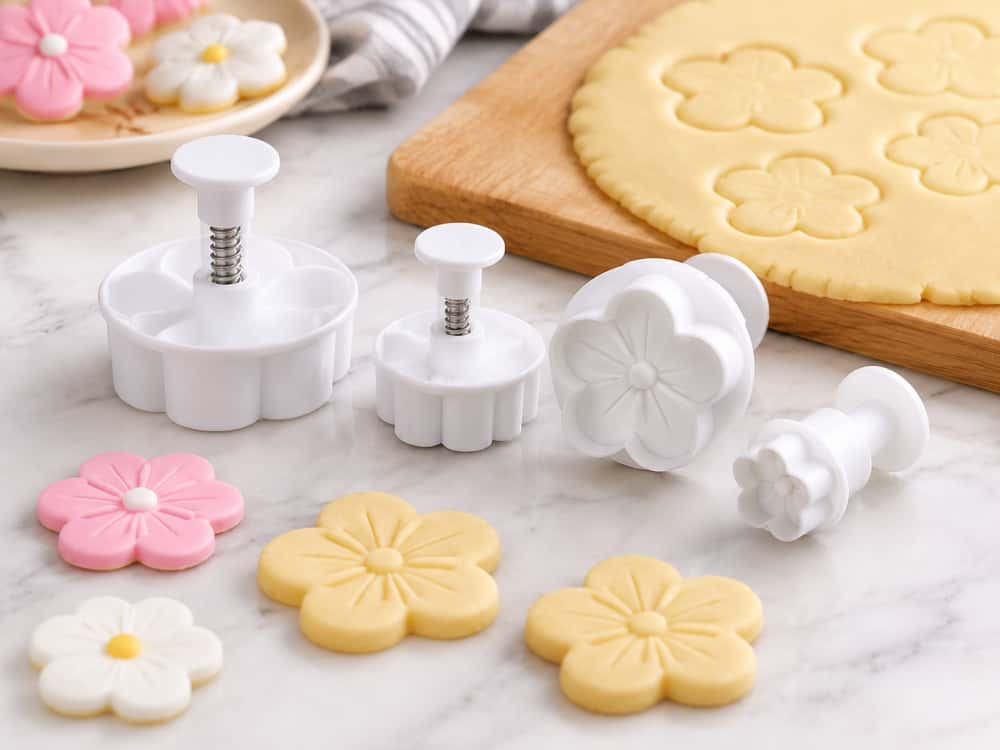
Plunger cookie cutters are mainly used to cut out decorative shapes and release them easily from the cutter. Many designs also emboss details onto the surface of the material.
- Fondant decorations: Create flowers, leaves, hearts, stars and other cake decorations.
- Gum paste decorations: Make detailed floral elements and lightweight sugarcraft shapes.
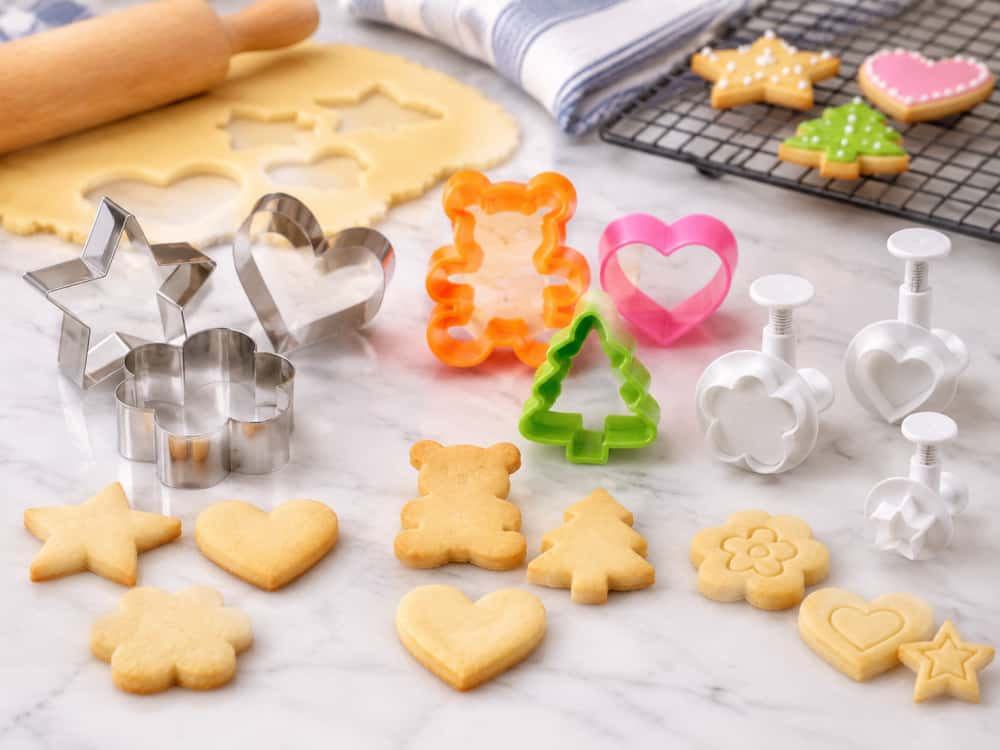
- Decorative cookies: Cut selected cookie doughs into consistent shapes, with some designs adding surface details.
- Cupcake toppers: Produce small decorative shapes for cupcakes and desserts.
- Seasonal baking: Create themed decorations for Christmas, Easter, birthdays and other occasions.
Most plunger cutters are used with rolled fondant or modeling pastes. Cookie dough compatibility depends on the cutter design and the dough consistency.
1. What Is a Plunger Cookie Cutter?
A plunger cookie cutter is a shaped cutting tool with a built-in push mechanism. It typically consists of three main components:
- Outer cutting edge: Defines the shape and cuts through rolled dough or decorating paste.
- Plunger mechanism: Moves up and down to help release the cut material.
- Embossing plate or patterned surface: On some models, this presses decorative details into the material.
When the cutter is pressed into a sheet of fondant or dough, its outer edge creates the outline. The plunger then helps push the cut shape out. Depending on the model, pressing the plunger may also imprint a pattern or texture.
This combination of cutting and release makes plunger cutters useful for producing multiple similar decorations without shaping every piece by hand.
It is worth noting that not every plunger cutter has an embossing function. Some are designed primarily to cut and release shapes, while others combine cutting, release and decorative imprinting.
2. What Are Plunger Cookie Cutters Used For?
Plunger cutters are especially useful when you need small, repeatable shapes with neat edges or decorative details. Their applications go beyond ordinary cookies and include several types of baking and cake decorating projects.
1. Making Fondant Flowers and Leaves
One of the most common uses of plunger cutters is creating floral decorations from rolled fondant or sugar paste.
Flower plunger cutters can produce daisies, blossoms and other floral shapes. Leaf cutters can create leaf outlines and, on some designs, add vein patterns to make the decoration look more realistic.
These shapes can be used to decorate:
- Birthday and celebration cakes.
- Wedding and anniversary cakes.
- Cupcakes and mini desserts.
- Cookies decorated with fondant.
- Edible floral borders and cake arrangements.
For more dimensional flowers, decorators can shape the cut petals on a foam pad or curved surface and allow them to dry before assembling the decoration.
2. Creating Detailed Fondant Decorations
Plunger cutters are also useful for making decorative shapes beyond flowers. Depending on the available design, they can create hearts, stars, butterflies, snowflakes, geometric patterns and other themed details.
Some cutters include an embossed pattern that adds texture to the fondant while the shape is being released. This can reduce the need for separate embossing tools and help produce consistent decorative details.
These shapes are often used as cake toppers, decorative accents or small edible elements arranged on cupcakes and cookies.
3. Cutting and Decorating Sugar Cookies
Selected plunger cookie cutters can be used with cookie dough, particularly dough that can be rolled out and holds its shape during cutting.
They can help create uniform decorative cookies for birthdays, holidays, parties and themed baking projects. If the cutter includes an embossing plate, it may also leave a shallow pattern on the dough before baking.
For cookie dough, choose a cutter specifically designed or recommended for this application. Very soft or sticky dough may remain inside the cutter, while dough that spreads significantly during baking may lose some of its original decorative detail.
Chilling the dough before cutting can help improve shape retention. Always follow the recipe and product instructions for the best results.
4. Making Cupcake Toppers and Mini Decorations
Small plunger cutters are useful for producing decorative pieces in consistent sizes. Mini flowers, stars, hearts and leaves can be placed on cupcakes, cookies, brownies and other desserts.
For example, a baker can use a set of flower plunger cutters in different sizes to create layered floral decorations. Small leaves can then be added to complete the design.
This is particularly helpful when decorating a large number of cupcakes or preparing desserts for parties and events.
5. Creating Seasonal and Themed Decorations
Plunger cutters are available in many themed shapes, making them suitable for seasonal baking collections.
- Christmas: Snowflakes, stars, holly leaves and decorative shapes.
- Easter: Bunnies, flowers, eggs and spring-themed designs.
- Valentine's Day: Hearts, flowers and romantic decorative details.
- Halloween: Pumpkins, bats and themed shapes.
- Birthdays: Stars, numbers, letters and celebration decorations.
These designs can be used with fondant, gum paste or compatible cookie dough, depending on the product specifications.
3. What Materials Can You Use with Plunger Cutters?
Plunger cutters are often associated with fondant and gum paste, but some designs can be used with other materials. Compatibility depends on the cutting edge, plunger construction and the consistency of the material.
| Material | Common Uses | Important Considerations |
|---|---|---|
| Rolled fondant | Cake toppers, flowers, leaves and decorative shapes | Roll evenly and use a lightly dusted work surface if needed. |
| Gum paste | Detailed sugar flowers and delicate decorations | Can be rolled thin; handle small cut shapes carefully. |
| Cookie dough | Decorative cookies and themed biscuits | Use compatible cutters and dough that holds its shape. |
| Marzipan | Small decorative shapes for cakes and desserts | Texture and consistency affect release and detail. |
| Modeling chocolate | Decorative cake and dessert elements | Work at a suitable temperature to avoid excessive softness. |
| Craft clay | Non-food craft projects | Keep craft tools separate from equipment used for food. |
Not every plunger cutter is suitable for every material. Always check the manufacturer's instructions before using a cutter with cookie dough, modeling chocolate or other materials.
4. How to Use Plunger Cookie Cutters Step by Step
Plunger cutters are relatively simple to use once you understand the cutting and release mechanism. The following method works for many fondant and gum paste designs, although the exact operation can vary by model.
Step 1: Prepare the Fondant or Gum Paste
Knead the fondant or gum paste until it is smooth and workable. If the material is too dry, it may crack around the edges. If it is too soft or sticky, it may remain inside the cutter.
Roll it into an even sheet using a rolling pin. Consistent thickness helps the cutter produce shapes with a uniform appearance.
Step 2: Prepare the Work Surface
Use a clean, smooth, non-stick work surface. If the paste sticks, lightly dust the surface or cutter with a suitable amount of cornstarch or confectioners' sugar, following the material and recipe instructions.
Avoid using excessive powder, as too much can leave visible residue on the finished decoration.
Step 3: Position and Press the Cutter
Place the plunger cutter over the rolled material and press the outer cutting edge straight down. Apply even pressure so the cutter passes through the material and creates a clean outline.
For models that separate cutting from embossing, follow the manufacturer's recommended sequence rather than pressing the plunger too early.
Step 4: Release the Shape
Lift the cutter carefully. Press the plunger to push the cut shape out of the cutter. If the design includes an embossing surface, the same movement may also imprint details onto the decoration.
Use gentle, controlled pressure. Excessive force may distort a delicate shape or damage the mechanism.
Step 5: Finish and Dry the Decoration
Transfer the finished shape to a clean surface. For flowers and leaves, you can use a foam pad, shaping tool or curved surface to create a more natural appearance.
Some gum paste decorations can be left to dry and firm up before assembly. Drying time depends on thickness, humidity, formulation and the desired final texture.
5. Tips for Getting Better Results with Plunger Cutters
Even a well-designed cutter can produce uneven results if the material is too sticky, too soft or rolled inconsistently. These practical tips can help improve cutting and release performance.
Use an Even Thickness
Roll fondant, gum paste or cookie dough to a consistent thickness. Uneven material can lead to incomplete cuts, inconsistent embossing or decorations with different heights.
Avoid Overly Soft Material
Very soft fondant or warm cookie dough can stick to the cutter and lose its shape during release. Allow the material to firm up slightly when necessary, while keeping it workable.
Clean the Cutter Between Uses
Small pieces of paste can collect around the cutting edge, embossing plate and plunger mechanism. Remove residue before it builds up and affects the next cut.
Apply Controlled Pressure
Press straight down and avoid forcing the mechanism. Controlled pressure helps maintain the shape and reduces unnecessary stress on the spring and moving parts.
Choose the Right Cutter Size
Consider the finished decoration and where it will be placed. Small cutters work well for cupcake accents and detailed arrangements, while larger shapes may be more suitable for cake toppers and prominent decorations.
6. Plunger Cutters vs. Regular Cookie Cutters
Both tools are designed to cut shapes from rolled material, but their functions are different. A regular cookie cutter usually creates an outline, while a plunger cutter includes a mechanism to help release the cut shape and may add decorative impressions.
| Feature | Regular Cookie Cutter | Plunger Cookie Cutter |
|---|---|---|
| Main function | Cuts material into a defined shape | Cuts and helps release the shape |
| Release mechanism | Usually requires manual removal | Built-in push mechanism |
| Embossing | Usually not included | Available on selected designs |
| Typical materials | Metal or plastic | Often molded plastic; designs vary |
| Common applications | Cookies, biscuits and simple fondant shapes | Fondant decorations, gum paste flowers and selected cookie designs |
| Design complexity | Simple outlines to detailed shapes | Often designed for small decorative shapes and repeatable details |
Neither tool replaces the other in every situation. Regular cookie cutters are practical for straightforward cutting, while plunger cutters are useful when easier release or additional decorative detail is needed.
7. How to Clean and Store Plunger Cookie Cutters
Because plunger cutters contain moving parts, they need a little more attention than simple outline cutters. Proper cleaning helps prevent dried paste from affecting the cutting edge or release mechanism.
Cleaning Tips
- Remove visible fondant, gum paste or dough residue after use.
- Pay attention to the cutting edge, embossing plate and areas around the plunger.
- Use a soft brush or suitable cleaning tool to reach small details.
- Wash according to the manufacturer's instructions.
- Rinse and dry thoroughly before storing, especially around springs and moving components.
Storage Tips
- Store cutters in a clean, dry container.
- Keep small pieces together to avoid losing components.
- Avoid placing heavy objects on top of the plungers.
- Keep plastic cutters away from excessive heat and direct sunlight.
- Check the mechanism periodically for damage or sticking.
Do not assume that every plunger cutter is dishwasher-safe. High temperatures and strong cleaning cycles may affect some materials or mechanisms. Follow the manufacturer's care instructions.
8. What Should You Look for When Buying Plunger Cookie Cutters?
Whether you are buying a single cutter for home baking or sourcing a complete collection for retail, product design and construction should match the intended application.
1. Cutting Performance
The cutting edge should create a clear outline without leaving excessive residue or rough edges. Test the cutter with the intended material to evaluate its performance.
2. Plunger Mechanism
The plunger should move smoothly and release the shape consistently. Check the spring action, alignment and return movement. A mechanism that sticks or feels unstable may affect repeated use.
3. Embossing Detail
If the product is designed to emboss patterns, check whether the details are clear and evenly positioned. Fine lines should transfer without tearing or excessively compressing the material.
4. Material and Construction
Many plunger cutters are made from molded plastic, but materials and construction vary. Buyers should confirm the exact material, surface finish and suitability for the intended food-contact application.
5. Size and Shape Selection
Consider whether the cutter is intended for flowers, leaves, letters, seasonal decorations or cookie shapes. Sets with coordinated sizes can provide more flexibility for cake decorating and retail collections.
6. Cleaning and Durability
Check whether residue can be removed from the mechanism and decorative surfaces. Product durability depends on the material, spring design, assembly quality and care instructions.
9. Plunger Cookie Cutters for Wholesale and OEM/ODM Buyers
Plunger cookie cutters are a useful category for baking accessory brands, kitchenware wholesalers, retailers and cake decorating suppliers. Their combination of cutting and decorative functions creates opportunities for themed collections and coordinated baking tool sets.
When sourcing plunger cutters, buyers should evaluate more than the shape and color. The release mechanism, embossing quality, material specifications and consistency across production batches can all affect customer experience.
Important Factors for B2B Sourcing
- Material specifications: Confirm the exact plastic or other material used in the finished product.
- Food-contact suitability: Request relevant declarations and test documentation for the intended market and conditions of use.
- Mechanism performance: Check smooth movement, reliable release and spring durability.
- Shape consistency: Evaluate dimensions, cutting accuracy and embossing detail across samples.
- Product range: Consider flowers, leaves, hearts, stars, letters, numbers and seasonal shapes.
- Packaging: Explore multi-piece sets, retail boxes, storage solutions and private-label packaging.
- Customization: Discuss custom shapes, colors, sizes and coordinated baking accessory collections.
OEM and Private-Label Opportunities
Depending on manufacturing capabilities and order requirements, plunger cutter collections may be customized in several ways:
- Custom shapes and embossed patterns for specific themes.
- Different sizes for coordinated flower or decorative sets.
- Custom colors for brand-specific product collections.
- Multi-piece sets combining complementary shapes.
- Private-label packaging and retail presentation.
For brands planning to launch a new baking tool range, it is important to confirm product drawings, samples, material specifications, testing requirements and packaging details before mass production.
10. Frequently Asked Questions About Plunger Cookie Cutters
1. What are plunger cookie cutters mainly used for?
Plunger cookie cutters are mainly used to cut and release decorative shapes from rolled fondant, gum paste and other compatible materials. Some models also emboss patterns onto the surface. They are commonly used for flowers, leaves, cake decorations, cupcake toppers and selected cookie designs.
2. Can you use plunger cookie cutters with regular cookie dough?
Some plunger cutters can be used with rolled cookie dough, but compatibility depends on the product design and dough consistency. Choose a cutter intended for dough use, and chill soft dough when necessary to help it hold its shape.
3. Are plunger cutters used for fondant?
Yes. Fondant is one of the most common materials used with plunger cutters. They can cut flowers, leaves, hearts, stars and other decorative shapes, while selected models also imprint details.
4. What is the difference between a plunger cutter and a regular cookie cutter?
A regular cookie cutter usually creates an outline and requires the cut shape to be removed manually. A plunger cutter includes a push mechanism that helps release the shape and may also emboss a decorative pattern.
5. Can plunger cutters be used for gum paste?
Many plunger cutters are designed for gum paste. The material can be rolled into a thin, even sheet, cut into a shape and released using the plunger. Always check the cutter's recommended material compatibility.
6. Why does fondant stick inside a plunger cutter?
Fondant may stick if it is too soft, warm or moist, or if the cutter has residue from previous use. Try using a clean, dry cutter, rolling the fondant evenly and lightly dusting the work surface with a suitable amount of cornstarch or confectioners' sugar.
7. Do all plunger cutters emboss patterns?
No. Some plunger cutters are designed mainly to cut and release shapes. Others include an embossing plate or patterned surface that adds details. Check the product design before purchasing if embossing is important for your project.
8. Are plunger cookie cutters dishwasher-safe?
Not necessarily. Dishwasher suitability depends on the material, spring mechanism and product construction. Follow the manufacturer's cleaning instructions. Hand washing may be recommended for some designs to protect their moving parts.
9. What shapes are available for plunger cutters?
Common designs include flowers, leaves, hearts, stars, snowflakes, butterflies, letters and numbers. Seasonal and themed shapes are also available for holidays, birthdays and special occasions.
10. Can plunger cookie cutters be customized for private-label brands?
Depending on the manufacturer's capabilities, plunger cutters can be developed with custom shapes, colors, sizes, embossed patterns and packaging. Buyers should confirm tooling requirements, minimum order quantities, material specifications and food-contact documentation.
Looking for Custom Baking Tools for Your Brand?
From cookie cutters and fondant tools to complete baking accessories collections, choosing the right product design and construction can help create a more competitive retail range.
Kitlucy supports kitchenware product development and OEM/ODM customization for brands, wholesalers, retailers and distributors. Contact our team to discuss your product ideas, customization requirements and sourcing plans.
Explore Customization Contact KitlucyRelated Blogs