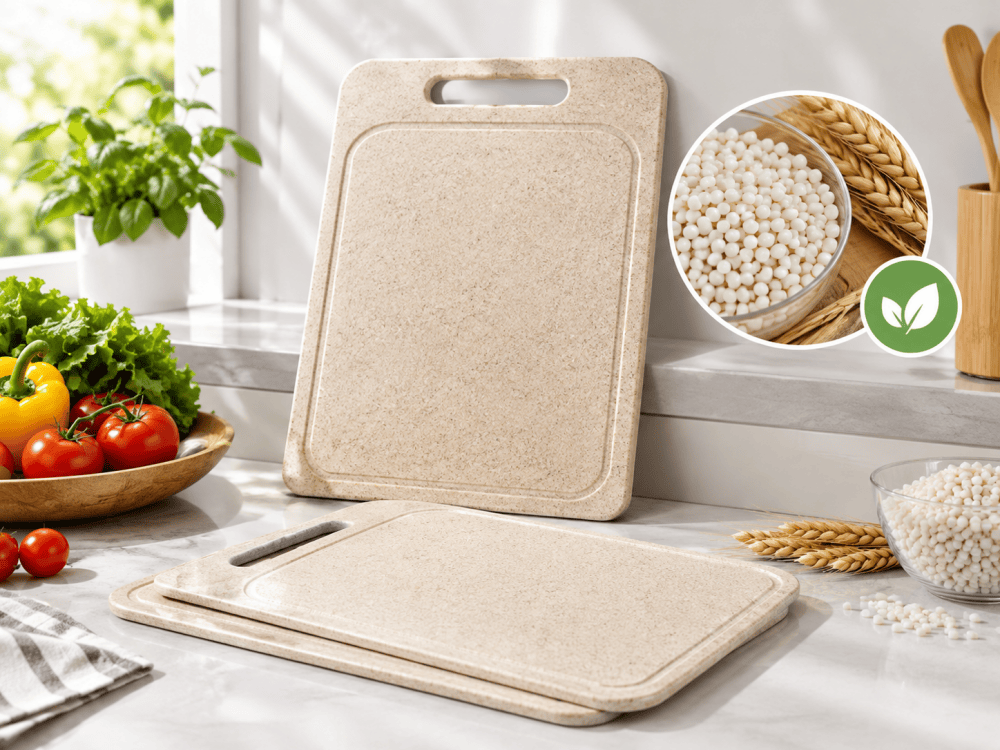
What Is Wheat Straw? Are Wheat Straw Plates, Dinnerware & Cutting Boards Safe?
What Is Wheat Straw? Are Wheat Straw Plates, Dinnerware & Cutting Boards Safe?
As consumers become more environmentally conscious, wheat straw products have become increasingly popular in kitchens around the world. From wheat straw plates and dinnerware to cutting boards and reusable food containers, manufacturers often market wheat straw as an eco-friendly alternative to traditional plastics.
But many buyers still ask important questions:
- What is wheat straw?
- What is wheat straw plastic?
- Is wheat straw safe?
- Are wheat straw plates safe?
- Is wheat straw dinnerware safe?
- Are wheat straw cutting boards safe?
- Is wheat straw better than plastic?
This comprehensive guide explains how wheat straw materials are made, their safety profile, environmental benefits, limitations, and how they compare with plastic, bamboo, and wood kitchen products.

What Is Wheat Straw?
Wheat straw is the dry stalk left behind after wheat grains are harvested. Traditionally, these agricultural residues were often burned or discarded after harvest.
Today, manufacturers have found ways to recycle wheat straw fibers into useful consumer products, helping reduce agricultural waste while creating more sustainable materials.
Wheat straw itself is considered a renewable resource because it is generated every year during wheat production.
Instead of becoming waste, the fibers can be processed and incorporated into kitchen products, packaging materials, tableware, and household goods.
Wheat straw is not the edible grain used in food products. It is the fibrous stalk that remains after harvesting wheat.
What Is Wheat Straw Plastic?
One of the biggest misconceptions online is that wheat straw products are made entirely from plants.
In reality, most wheat straw kitchen products are made from a composite material that combines wheat straw fiber with polypropylene (PP) plastic.
This combination creates a material that is:
- Lighter than many traditional plastics
- More environmentally friendly
- Durable enough for daily use
- Easier to mold into kitchen products
- Cost-effective for mass production
In many cases, wheat straw products contain:
- 30%-50% wheat straw fiber
- 50%-70% food-grade polypropylene (PP)
The exact ratio depends on product design and manufacturing requirements.
Is Wheat Straw Plastic?
Technically, most wheat straw products are partially plastic.
While wheat straw fibers provide renewable content, manufacturers usually add polypropylene resin to improve structural strength and durability.
This means wheat straw dinnerware, plates, bowls, cups, and cutting boards are often hybrid materials rather than purely plant-based products.
Understanding this distinction helps consumers make informed purchasing decisions.
What Is Wheat Straw PP?
Many people search for "What is Wheat Straw PP?" because they notice this term on product packaging.
Wheat Straw PP refers to a composite material made from:
- Wheat straw fiber
- Polypropylene (PP)
Polypropylene is one of the safest and most widely used food-contact plastics in the kitchenware industry.
When combined with wheat straw fiber, it creates products that are:
- Food-safe
- Lightweight
- Impact-resistant
- Dishwasher-friendly
- Suitable for everyday kitchen use
Is Wheat Straw Safe?
One of the most searched questions is whether wheat straw products are safe for food contact.
The answer is generally yes—provided the products are manufactured using food-grade materials and comply with recognized safety standards.
High-quality wheat straw kitchenware is commonly tested for:
- FDA food-contact compliance
- LFGB food safety standards
- BPA-free requirements
- Heavy metal restrictions
- Migration testing
When properly manufactured, wheat straw products are considered safe for daily food use.
Safety depends more on manufacturing quality and certifications than on the wheat straw content itself.
Is Wheat Straw Non Toxic?
Food-grade wheat straw products are generally considered non-toxic.
Manufacturers producing kitchenware for export markets typically use BPA-free polypropylene combined with processed wheat straw fibers.
Products that meet FDA or LFGB standards are tested to ensure they do not release harmful substances into food under normal use conditions.
Consumers should avoid purchasing extremely low-cost products from unknown sources that do not provide material certifications.
Advantages of Wheat Straw Materials
1. Renewable Resource Utilization
Wheat straw makes use of agricultural byproducts that would otherwise be discarded.
2. Reduced Virgin Plastic Consumption
Adding wheat straw fibers reduces the amount of plastic required during production.
3. Lightweight Construction
Wheat straw products are often lighter than traditional plastic alternatives.
4. Natural Appearance
The material offers a unique texture and appearance that many consumers associate with eco-friendly products.
5. Cost Effective Manufacturing
For manufacturers and distributors, wheat straw materials can offer a balance between sustainability, durability, and affordability.
Is Wheat Straw Safer Than Plastic?
Many consumers searching for sustainable kitchen products ask whether wheat straw is actually safer than traditional plastic. The answer depends on the type of plastic being compared and the quality of the manufacturing process.
When comparing certified food-grade wheat straw products with certified food-grade polypropylene (PP) products, both can be considered safe for food contact. However, wheat straw products offer the additional benefit of incorporating renewable plant fibers, which can reduce dependence on virgin plastic materials.
Wheat straw products are often marketed as a greener alternative because they contain agricultural waste fibers that would otherwise be burned or discarded after harvest.
| Feature | Wheat Straw | Traditional Plastic |
|---|---|---|
| Food Safe | Yes (Certified Products) | Yes (Certified Products) |
| Renewable Content | Contains Plant Fibers | No |
| BPA Free Options | Common | Available |
| Environmental Appeal | Higher | Lower |
| Durability | Good | Excellent |
Wheat straw is not necessarily safer than high-quality food-grade plastic, but it is often considered a more sustainable material because it utilizes agricultural waste fibers.
Is Wheat Straw Better Than Plastic?
This question has become increasingly common as eco-friendly kitchen products gain popularity.
Rather than viewing wheat straw and plastic as competitors, it is more accurate to view them as materials designed for different priorities.
Wheat straw products typically offer:
- Reduced virgin plastic usage
- Natural appearance and texture
- Eco-friendly marketing advantages
- Consumer appeal in sustainable product categories
Traditional food-grade plastics typically offer:
- Maximum durability
- Higher impact resistance
- Longer service life
- Lower manufacturing complexity
For environmentally conscious consumers, wheat straw products often represent a balanced solution between sustainability and functionality.
What Are Wheat Straw Plates?
Wheat straw plates are reusable food-contact plates manufactured using wheat straw fiber combined with food-grade polymers, most commonly polypropylene.
They have become popular alternatives to disposable plates because they are:
- Reusable
- Lightweight
- Durable
- BPA-free
- Suitable for daily meals
Modern wheat straw plates are available in various styles, including:
- Dinner plates
- Salad plates
- Children's plates
- Compartment meal trays
- Outdoor picnic plates
Are Wheat Straw Plates Safe?
One of the highest-volume search terms in this niche is "Are wheat straw plates safe?"
In most cases, the answer is yes.
Certified wheat straw plates manufactured according to FDA or LFGB standards are generally considered safe for food contact.
These products undergo testing to ensure:
- No harmful chemical migration
- Safe food-contact performance
- Heavy metal compliance
- BPA-free formulation
Consumers should always purchase products from reputable manufacturers that provide compliance documentation.
Potential Risks to Watch For
- Unknown manufacturers
- Missing food-contact certifications
- Low-quality recycled materials
- Products with strong chemical odors
Quality control remains the most important factor in determining product safety.
What Is Wheat Straw Dinnerware?
Wheat straw dinnerware refers to complete dining collections manufactured using wheat straw composite materials.
Common products include:
- Plates
- Bowls
- Cups
- Mugs
- Children's tableware
- Travel dining sets
The popularity of wheat straw dinnerware has grown rapidly because consumers increasingly seek reusable alternatives to disposable tableware.
Is Wheat Straw Dinnerware Safe?
Yes, properly manufactured wheat straw dinnerware is generally considered safe for food contact.
Premium manufacturers typically test products for:
- FDA compliance
- LFGB compliance
- BPA-free verification
- Migration testing
- Food-contact safety requirements
When these standards are met, wheat straw bowls, plates, and cups can be used safely for everyday dining.
Can Wheat Straw Go in the Microwave?
Microwave safety is another frequently searched topic.
Many wheat straw products are labeled microwave safe, but users should always follow manufacturer instructions.
Generally:
- Short reheating cycles are acceptable
- Avoid prolonged high-temperature heating
- Do not use damaged products
- Avoid direct flame or oven use
Because wheat straw products often contain PP resin, they can usually tolerate moderate microwave temperatures.
Always check the product label. Microwave performance depends on the exact wheat straw-to-PP formulation used during manufacturing.
Are Wheat Straw Products Dishwasher Safe?
Most modern wheat straw dinnerware collections are designed to be dishwasher safe.
Benefits include:
- Easy cleaning
- Improved convenience
- Suitable for daily household use
- Reduced maintenance compared with some natural materials
To maximize lifespan, many manufacturers recommend placing wheat straw products on the top rack of the dishwasher where temperatures are generally lower.
What Is Wheat Straw Cutting Board?
A wheat straw cutting board is a food preparation board manufactured using wheat straw fiber combined with food-grade polymers.
Compared with traditional plastic cutting boards, wheat straw cutting boards are often marketed as eco-friendly alternatives that contain renewable agricultural fibers.
Typical features include:
- Lightweight construction
- BPA-free materials
- Modern appearance
- Food-safe surfaces
- Reduced plastic content
These boards are increasingly popular among environmentally conscious consumers seeking sustainable kitchen tools.
Is Wheat Straw Cutting Board Safe?
One of the most important questions for consumers is whether wheat straw cutting boards are safe for food preparation.
When manufactured using certified food-grade materials, wheat straw cutting boards are generally considered safe.
High-quality wheat straw cutting boards offer:
- Food-safe surfaces
- BPA-free construction
- Non-toxic materials
- Easy cleaning
- Everyday kitchen usability
However, users should replace any cutting board that develops deep grooves, cracks, or excessive wear, regardless of material type.
Are Wheat Straw Cutting Boards Safe for Daily Food Preparation?
Among all wheat straw kitchen products, cutting boards often receive the most scrutiny because they come into direct contact with knives, raw meat, vegetables, and ready-to-eat foods.
The good news is that high-quality wheat straw cutting boards manufactured from certified food-grade materials are generally safe for everyday food preparation.
However, safety depends on several factors:
- Material composition
- Manufacturing quality
- Food-contact certifications
- Cleaning habits
- Board condition over time
A properly manufactured wheat straw cutting board should be:
- BPA-free
- Food-contact compliant
- Easy to clean
- Non-toxic
- Resistant to moisture absorption
Like all cutting boards, wheat straw boards should be replaced when deep knife grooves, cracks, or excessive wear develop.
No cutting board material is completely maintenance-free. Regular cleaning and timely replacement are essential for maintaining food safety.
Wheat Straw vs Plastic Cutting Boards
Many buyers compare wheat straw cutting boards with traditional plastic cutting boards before making a purchase decision.
| Feature | Wheat Straw Board | Plastic Board |
|---|---|---|
| Food Safety | Excellent | Excellent |
| BPA-Free Options | Yes | Yes |
| Renewable Content | Contains Plant Fibers | No |
| Environmental Appeal | Higher | Lower |
| Durability | Good | Excellent |
| Commercial Kitchen Use | Moderate | Very Common |
For heavy-duty commercial kitchens, HDPE plastic boards remain the industry standard because of their durability. For eco-conscious households, wheat straw boards offer a more sustainable alternative.
Wheat Straw vs Bamboo
Both wheat straw and bamboo products are frequently marketed as environmentally friendly kitchen materials.
| Feature | Wheat Straw | Bamboo |
|---|---|---|
| Renewable Resource | Yes | Yes |
| Water Resistance | Good | Good |
| Knife Friendliness | Moderate | Good |
| Weight | Lighter | Heavier |
| Maintenance | Easy | Requires Oil Treatment |
Bamboo generally offers a more natural appearance and stronger cutting performance, while wheat straw products are lighter and often easier to maintain.
Wheat Straw vs Wood
Traditional hardwood kitchenware remains popular because of its durability and premium appearance.
Compared with wood products:
- Wheat straw products are lighter
- Wheat straw products require less maintenance
- Wood often lasts longer
- Wood is generally more knife-friendly
- Wood provides a premium aesthetic
Both materials can be excellent choices depending on consumer preferences and intended use.
Environmental Benefits of Wheat Straw Kitchen Products
One reason wheat straw products have gained popularity is their environmental positioning.
By utilizing agricultural waste fibers, manufacturers can reduce the amount of virgin plastic required during production.
Potential environmental advantages include:
- Reduced agricultural waste burning
- Lower virgin plastic consumption
- Improved resource utilization
- Support for sustainable product development
- Increased consumer awareness of eco-friendly materials
While wheat straw products are not completely biodegradable in most cases, they still represent a step toward more sustainable kitchenware manufacturing.
How to Identify High-Quality Wheat Straw Kitchen Products
Not all wheat straw products offer the same quality level. Buyers should evaluate several factors before purchasing.
1. Verify Food Safety Certifications
- FDA
- LFGB
- BPA-Free Verification
- Food Contact Testing Reports
2. Evaluate Manufacturing Quality
High-quality products should have:
- Smooth surfaces
- Uniform color
- No strong chemical odor
- Consistent texture
- Durable construction
3. Choose Reputable Manufacturers
Reliable suppliers provide testing documentation, material transparency, and quality assurance systems.
Why Wheat Straw Products Are Growing in Popularity Worldwide
Several global trends are driving demand for wheat straw kitchenware:
- Consumer interest in sustainability
- Growth of eco-friendly brands
- Expansion of reusable products
- Demand for BPA-free kitchen tools
- Increased awareness of food-contact safety
Retailers, distributors, and private-label brands increasingly add wheat straw products to their product portfolios because consumers actively search for environmentally responsible alternatives.
OEM & Custom Wheat Straw Kitchenware Solutions
For brands, wholesalers, and distributors, wheat straw kitchenware offers a growing product category with strong consumer appeal.
At Kitlucy, we support OEM and private-label development for various kitchen products manufactured using food-grade materials and strict quality control systems.
Our customization capabilities include:
- Custom product design
- Private label branding
- Custom packaging
- Color customization
- Material optimization
- Bulk manufacturing
Learn more about our OEM solutions here:
Customized Kitchenware Manufacturing Services
For project inquiries and product development support, please visit:
Frequently Asked Questions (FAQ)
Is wheat straw plastic safe?
Yes. High-quality wheat straw plastic products manufactured from food-grade materials and certified according to FDA or LFGB standards are generally safe for food contact.
Is wheat straw non toxic?
Food-grade wheat straw products are typically BPA-free and considered non-toxic when manufactured properly.
Are wheat straw plates safe?
Yes. Certified wheat straw plates are widely used for everyday dining and are considered safe for food contact.
Is wheat straw dinnerware microwave safe?
Many wheat straw dinnerware products are microwave safe for short reheating cycles. Always follow manufacturer recommendations.
Can wheat straw go in the dishwasher?
Most modern wheat straw products are dishwasher safe, although top-rack placement is often recommended.
Are wheat straw cutting boards safe?
Yes. Certified wheat straw cutting boards are generally safe for food preparation when properly maintained.
Is wheat straw better than plastic?
Wheat straw is often considered more environmentally friendly because it incorporates renewable agricultural fibers, although durability varies by product design.
Does wheat straw contain plastic?
Most wheat straw kitchen products contain a combination of wheat straw fiber and food-grade polypropylene (PP).
Is wheat straw biodegradable?
Most wheat straw composite products are not fully biodegradable because they contain plastic binders. However, they reduce virgin plastic consumption.
Is wheat straw eco friendly?
Compared with conventional plastics, wheat straw products generally offer improved sustainability through the use of agricultural byproducts.
Conclusion
Wheat straw has emerged as one of the most popular materials in modern eco-friendly kitchenware. By utilizing renewable agricultural fibers alongside food-grade polymers, manufacturers can create products that are lightweight, durable, practical, and environmentally conscious.
Whether you are evaluating wheat straw plates, dinnerware, cutting boards, or reusable kitchen accessories, the most important consideration is choosing products made from certified food-grade materials and manufactured by reputable suppliers.
As consumers increasingly prioritize sustainability, safety, and product transparency, wheat straw kitchenware is likely to remain an important category in the global kitchen products market for years to come.
Looking for Custom Wheat Straw Kitchen Products?
Kitlucy specializes in food-safe kitchenware manufacturing, including eco-friendly kitchen products, cutting boards, utensils, baking tools, and customized OEM solutions for global brands, wholesalers, and retailers.
Related Blogs