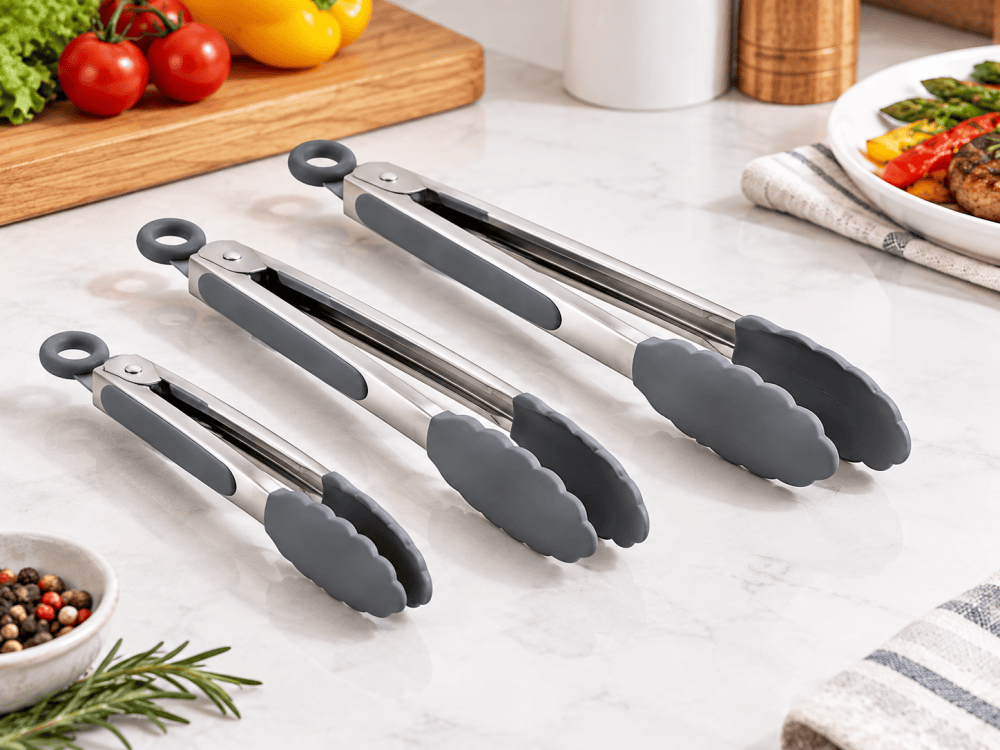
Wholesale Kitchen Gadgets: How to Find Reliable Suppliers & Unique Products for Your Business
Wholesale Kitchen Gadgets: How to Find Reliable Suppliers & Unique Products for Your Business
A complete guide for retailers, distributors, brands, and global buyers sourcing wholesale kitchen gadgets and unique kitchen products.
The kitchenware market continues to create opportunities for retailers, distributors, online sellers, and private-label brands. While traditional kitchen tools such as knives, cutting boards, and cookware remain essential, demand for practical, innovative, and multifunctional products has also increased interest in wholesale kitchen gadgets.
From vegetable choppers and garlic presses to measuring tools, kitchen organizers, baking gadgets, and multifunctional food preparation accessories, kitchen gadgets are available in a wide range of product types. For buyers, however, sourcing the right products is about more than simply finding a low wholesale price.
Successful kitchen gadgets wholesale sourcing requires buyers to consider product demand, material quality, functionality, supplier capability, minimum order quantity, packaging, and long-term market potential.
This guide explains how to find reliable kitchen gadgets wholesale suppliers, identify profitable product opportunities, evaluate unique kitchen gadgets, and build a stronger kitchenware product range for your business.
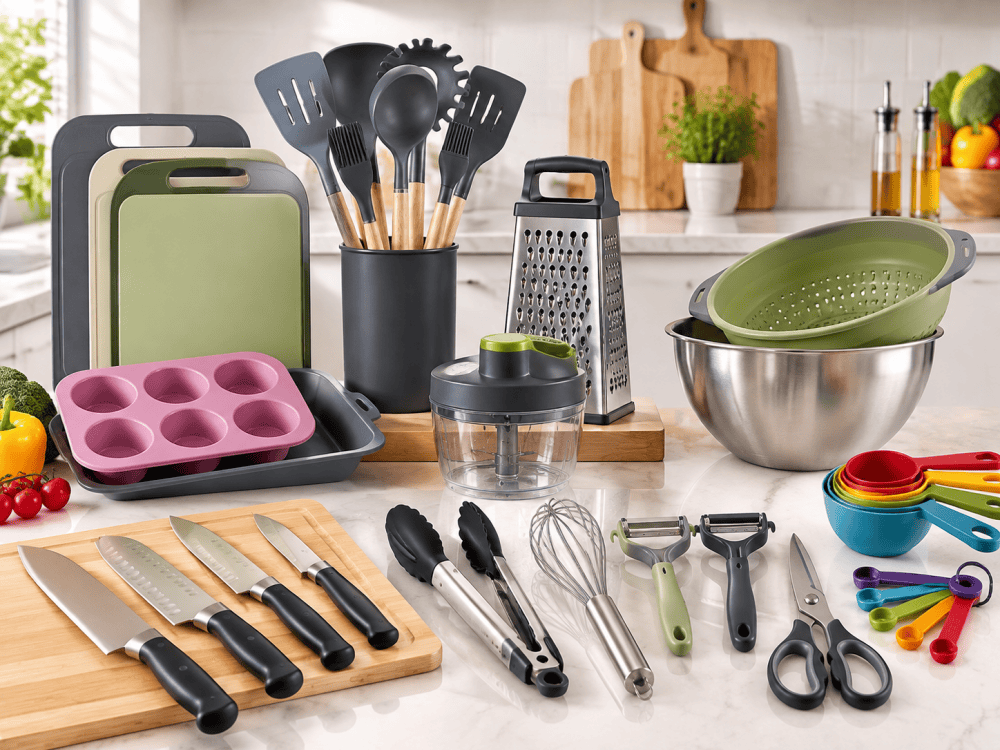
The best wholesale kitchen gadgets combine practical everyday use, reliable quality, competitive pricing, and clear market demand. When selecting a supplier, buyers should evaluate product quality, manufacturing capability, customization options, MOQ, certifications, communication, and consistency—not price alone.
What Are Wholesale Kitchen Gadgets?
Wholesale kitchen gadgets are practical kitchen tools and accessories purchased in larger quantities for resale, distribution, retail, or private-label programs.
The category includes a wide range of products designed to make common kitchen tasks easier, faster, or more convenient.
Depending on the supplier and target market, kitchen gadgets may include:
- Vegetable and fruit preparation tools
- Measuring and portioning tools
- Food preparation accessories
- Manual kitchen gadgets
- Multifunctional kitchen tools
- Storage and organization accessories
- Baking gadgets and accessories
- Cooking utensils
- Cutting and slicing tools
- Specialty kitchen accessories
The broad nature of this category makes it attractive to many different buyers. A retailer may focus on affordable everyday tools, while a premium brand may search for innovative products with improved materials and customized designs.
For this reason, there is no single definition of the “best” kitchen gadget. The right product depends on the target customer and sales channel.
Why Wholesale Kitchen Gadgets Are an Attractive Product Category
Kitchen gadgets are widely used in everyday cooking and food preparation. Many products in this category are relatively compact, easy to package, and suitable for different retail channels.
1. A Wide Range of Product Opportunities
The kitchen gadget category includes both basic and highly specialized products. Buyers can source simple, high-volume products or create differentiated collections around specific cooking needs.
For example, a product range may focus on:
- Healthy food preparation
- Baking tools
- Compact kitchen solutions
- Outdoor cooking accessories
- Time-saving kitchen gadgets
- Multifunctional kitchen tools
This variety gives brands more flexibility when developing a wholesale product strategy.
2. Suitable for Retail, E-Commerce, and Private Labels
Wholesale kitchen gadgets can be sold through many different channels, including:
- Kitchenware stores
- Supermarkets and hypermarkets
- Online marketplaces
- Independent e-commerce stores
- Department stores
- Gift shops
- Home goods retailers
Many products can also be adapted for private-label programs through customized colors, logos, packaging, and product combinations.
3. Opportunities for Product Differentiation
Unlike some standardized kitchen products, gadgets can often be differentiated through design and functionality.
Examples include:
- Multifunctional designs
- Space-saving structures
- Ergonomic handles
- Improved materials
- Unique color combinations
- Bundled product sets
These opportunities are particularly important for buyers searching for unique kitchen gadgets wholesale rather than competing only with basic, highly standardized products.
Kitchen Gadgets Wholesale: Popular Product Categories
Before choosing a supplier, buyers should understand which product categories match their business model and target customers.
1. Food Preparation Gadgets
Food preparation products are one of the largest categories in the kitchen gadget market.
Common products include:
- Garlic presses
- Vegetable choppers
- Peelers
- Graters
- Slicers
- Fruit cutters
- Egg tools
- Herb preparation tools
These products solve common kitchen tasks and can appeal to a wide consumer market.
2. Measuring and Baking Gadgets
Baking-focused kitchen gadgets are another important category for wholesale buyers.
Products may include:
- Measuring spoons
- Measuring cups
- Dough scrapers
- Pastry brushes
- Cookie tools
- Decorating accessories
- Silicone baking tools
These products can be sold individually or combined into themed baking sets.
3. Cooking and Serving Gadgets
Cooking gadgets can provide practical solutions for everyday food preparation.
- Spatulas
- Tongs
- Whisks
- Ladles
- Oil brushes
- Food turners
Material selection is especially important for this category because products may be exposed to heat and repeated contact with food.
4. Kitchen Organization Gadgets
Organization products can help consumers make better use of limited kitchen space.
Examples include:
- Drawer organizers
- Utensil holders
- Sink accessories
- Storage clips
- Kitchen racks
- Space-saving holders
These products can be particularly attractive for urban households and consumers with smaller kitchens.
5. Multifunctional Kitchen Gadgets
Multifunctional products can combine several functions into one design.
For example, a single kitchen tool may combine:
- Cutting and measuring
- Peeling and slicing
- Storage and food preparation
- Multiple cooking functions
However, multifunctionality alone does not guarantee a successful product. The design should remain easy to use, easy to clean, and durable enough for repeated use.
What Makes a Kitchen Gadget “Unique”?
Many buyers searching for unique kitchen gadgets wholesale want products that can help their business stand out in a competitive market.
A unique product does not necessarily need to be completely new. In many cases, differentiation comes from improving an existing product.
Unique Design
A familiar kitchen function can be presented in a more distinctive visual design. Examples may include improved shapes, color combinations, handle designs, or product packaging.
Improved Functionality
A product may become more attractive by solving a specific problem better than traditional designs.
Potential improvements include:
- Better grip
- Easier cleaning
- More compact storage
- Improved efficiency
- Multiple practical functions
Better Materials
Material upgrades can also create product differentiation. Depending on the product, buyers may consider:
- Food-grade silicone
- Stainless steel
- Natural wood
- PP
- Nylon
- Eco-conscious material options
The best material depends on the product's intended function, target price range, durability requirements, and market positioning.
Unique Product Sets
Another effective strategy is to create product bundles rather than selling every item individually.
For example, buyers can create:
- Vegetable preparation sets
- Baking starter kits
- Silicone kitchen tool sets
- Compact kitchen gadget collections
- Gift-ready kitchenware sets
A carefully designed product set can provide a stronger perceived value while helping a brand create a more distinctive product identity.
How to Identify Wholesale Kitchen Gadgets With Market Potential
Before placing a large order, buyers should evaluate whether a product has realistic market potential.
Ask Whether the Product Solves a Real Problem
A successful kitchen gadget should have a clear purpose. Products that simplify common tasks are often easier for consumers to understand and use.
Ask questions such as:
- What kitchen problem does the product solve?
- How often will consumers use it?
- Is the function easy to understand?
- Does the product save time or space?
- Is it easier to use than existing alternatives?
Consider the Target Customer
Different products appeal to different consumer groups.
For example:
- Families may prefer practical everyday tools
- Baking enthusiasts may want specialized accessories
- Young consumers may respond to modern and visually distinctive designs
- Gift buyers may prefer attractive product sets
- Professional buyers may prioritize durability and performance
Understanding the target customer before sourcing helps buyers avoid choosing products based only on personal preference.
Evaluate Product Complexity
Some unique kitchen gadgets look attractive but may be too complicated for everyday use.
When evaluating a product, consider:
- How easy it is to understand
- How many parts it contains
- How easy it is to clean
- Whether replacement parts are required
- How easily the product can be demonstrated
In many cases, simple and practical designs have stronger long-term market potential than complicated novelty products.
How to Find Reliable Kitchen Gadgets Wholesale Suppliers
Finding reliable kitchen gadgets wholesale suppliers is one of the most important steps in building a successful kitchenware business.
A supplier affects much more than the product price. The right supplier can influence product quality, delivery performance, customization options, communication efficiency, and long-term business growth.
When searching for suppliers, buyers should avoid evaluating companies based only on the lowest quotation. A low price may become less attractive if it results in inconsistent quality, delayed delivery, poor packaging, or communication problems.
Where Can You Find Kitchen Gadgets Wholesale Suppliers?
Wholesale buyers can search for suppliers through several different channels.
- Direct manufacturer websites
- Industry trade shows
- B2B sourcing platforms
- Kitchenware industry networks
- Supplier referrals
- Import and sourcing agents
For long-term sourcing projects, working directly with an experienced manufacturer can provide better opportunities for product development, customization, and quality control.
Do not contact only one supplier. Comparing multiple suppliers helps buyers understand differences in product quality, MOQ, pricing, production capability, and communication quality.
Kitchen Gadgets Wholesale Distributors vs Manufacturers
Buyers searching for kitchen gadgets wholesale distributors may find both distributors and manufacturers. These two sourcing options serve different business needs.
| Factor | Manufacturer | Wholesale Distributor |
|---|---|---|
| Product Price | Usually more competitive for larger orders | May include additional distribution margins |
| MOQ | Often higher | May offer lower order quantities |
| Customization | Usually more flexible | Often limited to existing products |
| Private Label | More suitable for OEM and branding projects | Depends on distributor capability |
| Product Development | Better opportunities for custom development | Usually focused on ready-made products |
| Speed for Small Orders | Production may require longer lead times | Stock products may be available faster |
When Should You Work With a Manufacturer?
Working directly with a manufacturer may be a better choice when your business requires:
- Private-label products
- Custom colors or materials
- Customized packaging
- Large-volume purchasing
- Long-term product development
- Direct quality control communication
When Should You Work With a Distributor?
A distributor may be more suitable when buyers need:
- Lower order quantities
- Ready-to-ship products
- A wider selection from multiple brands
- Faster local delivery
- Less complex purchasing processes
The best option depends on your business model, order volume, product requirements, and sourcing strategy.
8 Key Factors to Check Before Choosing a Kitchen Gadget Supplier
Before working with a new supplier, buyers should perform a basic supplier evaluation. This helps reduce the risk of quality issues and supply chain problems.
1. Product Quality
Product quality should always be one of the first considerations.
For kitchen gadgets, buyers should check:
- Material quality
- Surface finishing
- Product assembly
- Functional performance
- Durability
- Consistency between units
Photos and online product listings are useful, but physical samples provide a more reliable way to evaluate quality.
2. Manufacturing Experience
Experienced kitchenware manufacturers generally have a better understanding of common production challenges, quality requirements, and material selection.
When evaluating a supplier, buyers can ask:
- How long have you manufactured kitchen products?
- What types of kitchen gadgets do you specialize in?
- What markets do you currently supply?
- Do you have experience with OEM or private-label projects?
3. Production Capability
A supplier should have enough production capacity to support both current orders and future growth.
Important questions include:
- What is the monthly production capacity?
- How many production lines are available?
- Can the supplier handle peak-season demand?
- What is the normal production lead time?
Capacity is especially important for buyers planning seasonal promotions or large retail programs.
4. Quality Control Process
Kitchen gadgets may involve multiple production processes, including molding, metal forming, assembly, printing, coating, and packaging.
A reliable supplier should have a structured quality control process covering:
- Raw material inspection
- In-process inspection
- Assembly checks
- Functional testing
- Final inspection
- Packaging inspection
Buyers should also discuss acceptable quality standards and inspection requirements before mass production begins.
5. Communication Efficiency
Communication can strongly influence the success of an international sourcing project.
A good supplier should provide:
- Clear product information
- Reasonable response times
- Accurate quotations
- Clear production schedules
- Transparent problem-solving communication
Poor communication during the quotation stage can sometimes indicate bigger problems during production.
6. Customization Capability
For brands and private-label buyers, customization is often a major requirement.
Possible customization options include:
- Custom colors
- Logo printing
- Custom materials
- Custom product structures
- Retail packaging
- Instruction manuals
- Product sets and combinations
Buyers should confirm exactly what level of customization a supplier can support before finalizing a product.
7. MOQ Requirements
Minimum order quantity is one of the most important factors in wholesale sourcing.
MOQ requirements may vary depending on:
- Product type
- Material
- Customization level
- Packaging requirements
- Production process
A standard product may have a lower MOQ than a completely customized design.
8. Long-Term Reliability
For a growing brand, the supplier relationship should not focus only on one order.
A reliable long-term partner should be able to support:
- Repeat orders
- Consistent product quality
- Production planning
- New product development
- Growing order volumes
Product Materials: What Should Buyers Consider?
Kitchen gadgets are manufactured from a wide range of materials. Material selection affects durability, performance, appearance, safety, and retail positioning.
Stainless Steel
Stainless steel is commonly used for cutting, food preparation, and durable kitchen tools.
Potential advantages include:
- Good durability
- Corrosion resistance
- Modern appearance
- Easy cleaning
Different grades of stainless steel may offer different levels of performance and corrosion resistance, so buyers should confirm the exact material specification for the product.
Food-Grade Silicone
Silicone is widely used in baking and cooking tools because of its flexibility and heat resistance.
Common silicone kitchen products include:
- Spatulas
- Baking brushes
- Measuring tools
- Scrapers
- Heat-resistant accessories
When sourcing silicone products, buyers should pay attention to material quality, manufacturing standards, and food-contact requirements for the target market.
PP and Other Plastics
Plastic materials are widely used because they can support lightweight, colorful, and cost-effective product designs.
However, different plastics have different properties. Buyers should consider:
- Heat resistance
- Impact resistance
- Food-contact suitability
- Durability
- Recyclability
Wood and Bamboo
Natural materials can add a warm and premium appearance to kitchen gadgets.
Wood or bamboo components may be used for:
- Handles
- Serving accessories
- Food preparation tools
- Gift-oriented kitchen sets
Because natural materials can vary in color and grain, buyers should establish clear quality standards for appearance and finishing.
Food Contact Safety and Compliance
Kitchen gadgets are frequently used in direct contact with food. For this reason, buyers should understand the food-contact requirements of their target market.
Depending on the destination country and product type, buyers may need to consider:
- Food-contact material requirements
- Chemical testing requirements
- Migration testing
- Material declarations
- Labeling requirements
Compliance requirements vary by country and product type. Buyers should confirm the applicable regulations and testing requirements for their target market before placing large-scale production orders.
MOQ, Pricing, and Wholesale Order Planning
When sourcing wholesale kitchen gadgets, the quoted unit price is only one part of the total purchasing decision.
Buyers should also consider:
- Product price
- MOQ
- Tooling costs
- Packaging costs
- Sample costs
- Shipping costs
- Testing costs
- Import duties
Why Higher MOQ Can Sometimes Reduce Costs
A higher order quantity may allow suppliers to spread certain fixed production costs across more units.
For example, larger production quantities may improve efficiency for:
- Material purchasing
- Machine setup
- Printing
- Packaging production
- Production scheduling
However, a lower unit price does not automatically make a larger order more profitable. Buyers should also consider storage costs, inventory risk, and realistic sales volume.
How to Evaluate Kitchen Gadget Samples
Before placing a bulk order, buyers should evaluate samples carefully.
A product sample should not be treated only as a visual reference. It should be tested based on actual use conditions.
Functional Testing
Test whether the product performs its intended function effectively.
Consider:
- Ease of use
- Cutting or preparation performance
- Grip and handling
- Stability during use
- Ease of cleaning
Durability Testing
Repeated use may reveal weaknesses that are not visible when the product is first received.
Depending on the product, test:
- Repeated opening and closing
- Handle strength
- Joint stability
- Resistance to deformation
- Surface wear
Packaging Evaluation
Packaging should also be checked during the sample stage.
Consider whether:
- The product is adequately protected
- The retail appearance matches your target market
- The packaging is easy to display
- The information is clear and accurate
- Customization is positioned correctly
Questions to Ask Before Placing a Wholesale Order
Before confirming a new wholesale kitchen gadget supplier, buyers should have clear answers to important questions.
- What is the exact product material?
- What is the MOQ for the standard product?
- What is the MOQ for customization?
- What is the normal production lead time?
- Can the supplier provide product samples?
- What quality control process is used?
- What customization options are available?
- Can the product meet the requirements of the target market?
- What packaging options are available?
- How are quality problems handled?
Clear answers to these questions can help buyers avoid misunderstandings and establish more reliable sourcing relationships.
Building a Stronger Wholesale Kitchen Gadgets Sourcing Strategy
Successful sourcing is not simply about finding the cheapest supplier or choosing the most unusual product.
A stronger strategy combines several factors:
- Products with clear market demand
- Reliable kitchen gadgets wholesale suppliers
- Consistent product quality
- Suitable price positioning
- Efficient product packaging
- Customization opportunities
- Long-term supply stability
By evaluating both the product and the supplier, buyers can make more informed purchasing decisions and reduce risks when expanding their kitchenware product range.
How to Build a Profitable Wholesale Kitchen Gadgets Product Range
A successful wholesale kitchen gadgets business usually depends on product selection rather than simply offering the largest possible number of products.
For distributors, retailers, and private-label brands, a well-planned product range should combine popular everyday products with selected unique items that help create differentiation.
Start with High-Demand Everyday Products
Every kitchen gadget collection should include practical products that consumers regularly use.
Common categories may include:
- Vegetable peelers
- Garlic presses
- Can openers
- Graters and slicers
- Measuring tools
- Spatulas and turners
- Whisks
- Food preparation tools
These products can provide a stable foundation because they address common kitchen tasks and can appeal to a broad customer base.
Add Unique Kitchen Gadgets for Product Differentiation
After building a core product range, buyers can introduce unique kitchen gadgets wholesale products that offer new functions, improved convenience, or distinctive designs.
Examples may include:
- Multi-function kitchen gadgets
- Space-saving kitchen tools
- Foldable preparation tools
- Multi-purpose peelers and slicers
- Adjustable measuring tools
- Integrated storage designs
- Specialized food preparation gadgets
Unique products can help attract attention, but novelty alone is not enough. The product should still solve a practical problem and be easy to understand and use.
Create Product Sets to Increase Order Value
Instead of selling every kitchen gadget individually, brands and retailers can create product sets around specific kitchen tasks.
For example:
- Everyday Cooking Gadget Set
- Baking Tools Gift Set
- Vegetable Preparation Set
- BBQ Kitchen Gadget Set
- Starter Kitchen Tool Set
- Housewarming Gift Set
Product sets can improve retail presentation and provide opportunities for higher average order values.
A balanced wholesale kitchen gadget collection often combines high-volume everyday products with a smaller selection of unique or innovative products that improve brand differentiation.
Private Label Kitchen Gadgets Wholesale Opportunities
Private label has become an important opportunity for retailers, distributors, and online brands looking to build their own product identity.
Instead of selling the same generic products as competitors, a private-label strategy allows buyers to develop a more recognizable kitchenware collection.
Common Private Label Customization Options
- Custom logo printing
- Custom product colors
- Custom handle materials
- Retail packaging design
- Instruction manual design
- Barcode labeling
- Product set combinations
Depending on the product structure and production process, some manufacturers may also support more advanced customization, including new molds or structural modifications.
Why Private Label Can Create Long-Term Value
A private-label product strategy can help businesses:
- Build stronger brand recognition
- Reduce direct price competition
- Create a more consistent product range
- Improve retail presentation
- Develop long-term customer loyalty
However, successful private-label sourcing requires clear product specifications and effective communication with the manufacturer.
OEM Kitchen Gadget Development for Growing Brands
OEM development is particularly suitable for buyers who want to create products that go beyond basic logo customization.
An OEM project may involve:
- New product concepts
- Custom structures
- Different material combinations
- Exclusive colors
- Improved functional features
- Customized packaging systems
For example, a buyer may identify a common kitchen problem and work with a manufacturer to develop a product that provides a more convenient solution.
Important Steps in OEM Development
A typical OEM kitchen gadget development process may include:
- Product concept discussion
- Product design and specification development
- Material selection
- Prototype development
- Sample testing and revisions
- Packaging development
- Pre-production confirmation
- Mass production
Because OEM development requires additional time and investment, buyers should clearly evaluate expected sales potential before starting a completely new product project.
Current Trends in Unique Kitchen Gadgets Wholesale
The kitchenware market continues to evolve as consumers look for products that combine convenience, functionality, attractive design, and efficient storage.
1. Multi-Functional Kitchen Tools
Products that combine multiple functions can help consumers reduce the number of tools stored in the kitchen.
Examples may include gadgets that combine:
- Peeling and slicing
- Measuring and storage
- Cutting and food collection
- Grating and container functions
2. Space-Saving Designs
Compact kitchens have increased demand for tools that are easy to store.
Popular design concepts may include:
- Foldable structures
- Stackable products
- Nested sets
- Wall-hanging storage options
3. Easy-Clean Product Design
Consumers increasingly value products that are easy to clean and maintain.
When developing kitchen gadgets, manufacturers and buyers may consider:
- Simple product structures
- Fewer difficult-to-clean gaps
- Dishwasher-friendly materials
- Removable components where appropriate
4. Sustainable Material Options
Material selection is becoming an increasingly important part of product development.
Depending on the product and target market, buyers may explore:
- Bamboo components
- Wheat straw plastic
- Recycled materials
- Durable reusable materials
- Reduced packaging designs
However, sustainability claims should always be supported by the actual material composition and production process.
5. Premium Gift-Oriented Kitchen Products
Kitchen gadgets can also be positioned as gifts, particularly when combined into attractive sets.
Gift-oriented products may benefit from:
- Premium packaging
- Coordinated product colors
- Wood and metal combinations
- Customized branding
- Seasonal product themes
Wholesale Kitchen Gadgets for Different Sales Channels
Different sales channels require different sourcing strategies.
| Sales Channel | Recommended Sourcing Focus |
|---|---|
| Retail Stores | Clear packaging, stable quality, practical products |
| E-commerce Stores | Lightweight products, strong visual appeal, easy-to-explain functions |
| Supermarkets | Competitive pricing, consistent supply, large-volume production |
| Gift Stores | Premium appearance, product sets, attractive packaging |
| Private-Label Brands | Customization, consistent branding, long-term manufacturing support |
Before selecting products, wholesale buyers should understand how and where the products will be sold.
Common Mistakes When Buying Kitchen Gadgets Wholesale
Choosing Products Only Based on Price
The lowest product price may not provide the best long-term value.
A very low quotation may sometimes be connected to:
- Lower material quality
- Reduced quality control
- Less durable components
- Limited after-sales support
Ordering Without Testing Samples
Mass production should ideally not begin until buyers have evaluated a product sample.
A sample helps confirm:
- Material quality
- Product functionality
- Appearance
- Dimensions
- Packaging
Ignoring Target Market Requirements
A product that performs well in one market may require different packaging, labeling, or compliance considerations in another market.
Buyers should define the destination market before finalizing product specifications.
Adding Too Many Products at Once
Launching a large number of products may create inventory and management challenges.
A more practical strategy is often to begin with a focused collection, analyze sales performance, and gradually expand the range.
Frequently Asked Questions About Wholesale Kitchen Gadgets
Where can I buy wholesale kitchen gadgets?
Wholesale kitchen gadgets can be sourced from manufacturers, wholesale distributors, trade shows, B2B platforms, and direct kitchenware suppliers. The best sourcing channel depends on your order volume, customization requirements, and target market.
How do I find reliable kitchen gadgets wholesale suppliers?
Buyers should evaluate product quality, manufacturing experience, quality control processes, production capability, communication, customization options, and long-term reliability. Requesting and testing samples is also recommended before placing a bulk order.
What is the difference between kitchen gadget manufacturers and distributors?
Manufacturers usually offer better opportunities for OEM, private-label customization, and large-volume sourcing. Distributors may offer lower order quantities and ready-made products that are easier to purchase in smaller volumes.
What are unique kitchen gadgets wholesale products?
Unique kitchen gadgets are products with distinctive functions, designs, or space-saving features. They may include multi-functional tools, innovative food preparation products, and specialized kitchen accessories.
Can I customize wholesale kitchen gadgets with my own brand?
Many manufacturers support private-label customization, including logo printing, custom colors, packaging, and product sets. More advanced OEM projects may also include custom materials or product structures.
What should I check before placing a wholesale kitchen gadget order?
Buyers should confirm the material, MOQ, price, lead time, quality requirements, customization details, packaging, compliance requirements, and sample approval process.
What is the best way to start selling wholesale kitchen gadgets?
Start with a focused product range that combines high-demand everyday kitchen tools with selected unique products. Test samples, evaluate suppliers carefully, and choose products based on your target customer and sales channel.
Why Work with a Professional Kitchenware Supplier?
The right supplier can support more than production. An experienced kitchenware partner can help buyers develop products, select suitable materials, improve packaging, manage quality, and build a more competitive product range.
For buyers looking for long-term sourcing partnerships, the most important factors are often:
- Stable product quality
- Reliable communication
- Flexible customization
- Consistent production capacity
- Experience with international markets
- Professional project management
Conclusion: How to Source Wholesale Kitchen Gadgets Successfully
The global demand for practical and innovative kitchen products continues to create opportunities for retailers, distributors, e-commerce sellers, and private-label brands.
However, successful kitchen gadgets wholesale sourcing requires more than finding the lowest product price. Buyers need to evaluate product demand, quality, materials, supplier capability, customization opportunities, and long-term supply reliability.
A strong sourcing strategy should focus on:
- Practical products with consistent demand
- Selected unique kitchen gadgets for differentiation
- Reliable kitchen gadgets wholesale suppliers
- Sample testing before bulk production
- Clear quality and packaging requirements
- Private-label and OEM opportunities
Whether you are building a new kitchenware brand, expanding a retail product range, or searching for reliable kitchen gadgets wholesale distributors, choosing the right products and manufacturing partners can create stronger opportunities for long-term business growth.
Looking for a Reliable Wholesale Kitchen Gadgets Supplier?
Kitlucy provides professional kitchenware manufacturing solutions for global wholesalers, retailers, distributors, and private-label brands. Our product range includes kitchen gadgets, cutting boards, cooking tools, and baking products, with flexible OEM and customization support.
Related Blogs