Why Wooden Utensils Crack: Causes, Prevention & Complete Care Guide
Why Wooden Utensils Crack: Causes, Prevention & Complete Care Guide
Wooden utensils have been used in kitchens for centuries because they are natural, durable, and gentle on cookware. From wooden spoons and spatulas to cooking forks and serving tools, they remain a popular choice for both home kitchens and professional cooking environments.
However, one common problem many users experience is cracking. Over time, wooden utensils may develop small surface cracks, split handles, or even break apart completely.
So, why do wooden utensils crack? The answer is related to the natural characteristics of wood, moisture changes, temperature exposure, material quality, and daily maintenance habits.
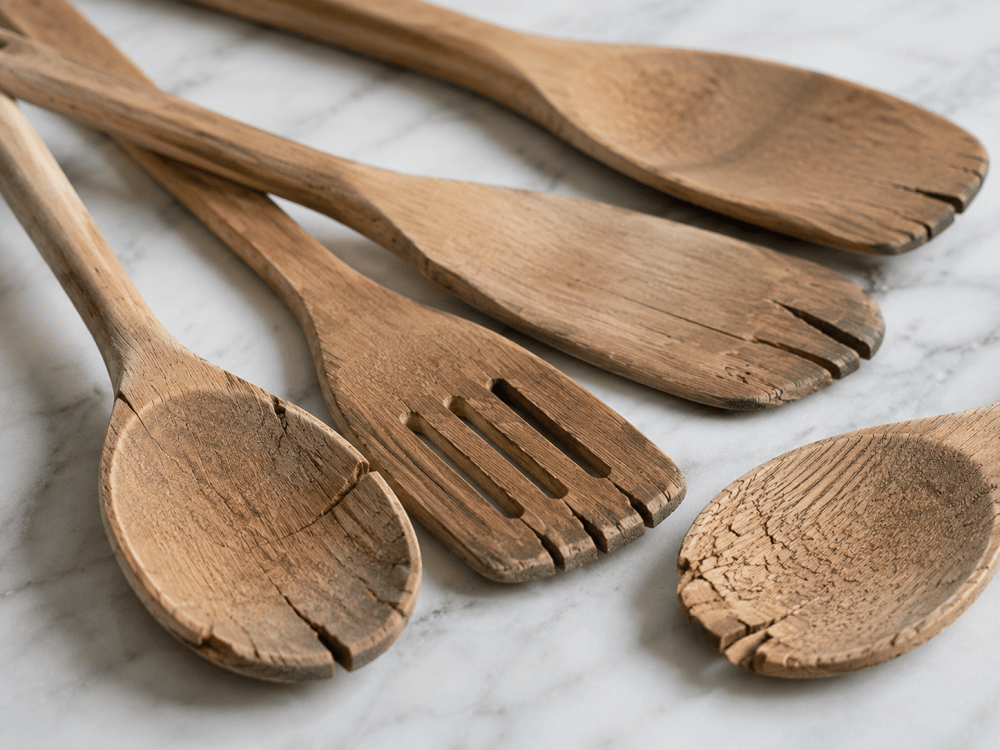
What Causes Wooden Utensils to Crack?
Unlike plastic or stainless steel utensils, wood is a natural material that continuously responds to changes in its environment. Wood contains tiny fibers and pores that absorb and release moisture depending on surrounding conditions.
Wooden utensils do not crack because wood is weak. Most cracks happen because the moisture inside the wood changes too quickly, creating stress within the material structure.
1. Moisture Loss Causes Wood to Shrink
The most common reason wooden utensils crack is excessive drying.
Wood naturally contains moisture inside its cellular structure. When a wooden spoon or spatula loses moisture too quickly, the wood fibers shrink. Because different areas of the utensil dry at different speeds, internal stress develops, eventually causing cracks.
Common situations that cause moisture loss include:
- Leaving wooden utensils near heat sources
- Storing them in extremely dry environments
- Exposing them to direct sunlight for long periods
- Failing to apply food-safe oil regularly
2. Rapid Temperature Changes
Sudden temperature changes are another major cause of cracked wooden utensils.
For example, placing a dry wooden spoon into boiling water or exposing a wet utensil to high heat can cause uneven expansion and contraction.
| Situation | Effect on Wood |
|---|---|
| Hot water soaking | Wood absorbs water and expands |
| High heat drying | Wood loses moisture quickly |
| Repeated heating and cooling | Creates internal stress |
| Direct sunlight exposure | Accelerates drying |
3. Washing Wooden Utensils Incorrectly
Many wooden utensils crack because of improper cleaning methods.
Although wood can handle normal kitchen use, it should not be treated like plastic or stainless steel.
Common mistakes include:
- Soaking wooden utensils in water for long periods
- Leaving them submerged in the sink overnight
- Using very hot water frequently
- Drying them next to a stove or oven
4. Using a Dishwasher
Putting wooden utensils in the dishwasher is one of the fastest ways to damage them.
The dishwasher exposes wood to:
- High temperatures
- Long water exposure
- Strong detergents
- Rapid drying cycles
These conditions remove natural oils from wood and increase the risk of cracking, warping, and splitting.
5. Low-Quality Wood Materials
Not all wooden utensils have the same durability. The type and quality of wood have a significant impact on crack resistance.
Premium hardwoods usually have tighter grain structures, better moisture resistance, and longer service life.
Wood Quality and Crack Resistance
| Wood Type | Durability | Crack Resistance | Common Applications |
|---|---|---|---|
| Teak | Excellent | Excellent | Premium kitchen utensils |
| Olive Wood | Excellent | Very Good | Luxury serving tools |
| Acacia Wood | Very Good | Very Good | Daily cooking utensils |
| Beech Wood | Good | Good | Affordable kitchen tools |
| Bamboo | Medium | Medium | Budget utensils |
How Wood Structure Affects Cracking
To understand why wooden utensils crack, it helps to understand how wood works.
Wood is made of long natural fibers that transport moisture throughout the tree. After processing, these fibers continue responding to humidity and temperature changes.
- High moisture: Wood expands
- Low moisture: Wood contracts
- Uneven drying: Creates stress and cracks
Professional wooden utensil manufacturers use controlled drying processes, moisture testing, and protective finishing to reduce cracking risks before products reach customers.
Why Do Wooden Spoons Crack More Often?
Wooden spoons are especially vulnerable because they often experience:
- Frequent contact with hot liquids
- Repeated washing cycles
- Long exposure to steam
- Thin handle designs
A wooden spoon used daily in soups, sauces, and boiling foods experiences more moisture changes than a decorative wooden item, increasing the chance of cracking without proper care.
How to Prevent Wooden Utensils from Cracking
The good news is that most cracks can be prevented with proper care. Wooden utensils are designed to last for years, but unlike plastic or stainless steel tools, they require occasional maintenance to preserve their natural beauty and strength.
By following a few simple habits, you can significantly extend the lifespan of your wooden spoons, spatulas, and serving utensils.
Think of wooden utensils like a wooden cutting board—they need regular cleaning, proper drying, and occasional oiling to stay in excellent condition.
1. Wash Wooden Utensils by Hand
Always wash wooden utensils by hand using warm water and mild dish soap. Hand washing minimizes exposure to excessive heat and harsh detergents that can strip the wood of its natural oils.
Recommended cleaning steps:
- Rinse immediately after cooking.
- Use a soft sponge instead of abrasive scrubbers.
- Wash with warm—not boiling—water.
- Remove food residue thoroughly.
- Rinse off all soap before drying.
Avoid leaving wooden utensils in standing water, as prolonged soaking allows moisture to penetrate deep into the wood fibers.
2. Dry Immediately After Washing
One of the biggest mistakes people make is leaving wooden utensils to air-dry in the sink or dish rack while still wet.
Instead:
- Dry the utensil with a clean towel immediately.
- Allow it to finish air drying in a well-ventilated area.
- Store only when completely dry.
This prevents moisture from becoming trapped inside the wood and reduces the risk of mold, warping, and cracking.
3. Never Put Wooden Utensils in the Dishwasher
Although it may seem convenient, dishwashers are one of the worst environments for wooden kitchen tools.
| Dishwasher Factor | Effect on Wood |
|---|---|
| High water temperature | Expands wood fibers |
| Long washing cycles | Over-saturates the wood |
| Powerful detergents | Remove protective natural oils |
| Heated drying cycle | Rapid moisture loss and cracking |
Even a few dishwasher cycles can shorten the lifespan of wooden utensils.
4. Oil Wooden Utensils Regularly
Applying food-safe oil is one of the most effective ways to prevent wooden utensils from drying out.
Oil helps replenish lost moisture, reduces water absorption, and creates a protective barrier against cracking.
Basic oiling process:
- Clean and dry the utensil completely.
- Apply a small amount of food-grade oil using a soft cloth.
- Rub the oil evenly over the entire surface.
- Allow it to soak in for several hours or overnight.
- Wipe away any excess oil before use.
New wooden utensils benefit from oiling before their first use. This helps seal the wood and improves long-term durability.
Best Oils for Wooden Utensils
Not all oils are suitable for wooden kitchen tools. Some edible oils can become rancid over time, producing unpleasant odors and affecting food safety.
| Oil Type | Recommended? | Advantages | Notes |
|---|---|---|---|
| Food-Grade Mineral Oil | ⭐⭐⭐⭐⭐ | Colorless, odorless, stable | Best overall choice |
| Beeswax Conditioner | ⭐⭐⭐⭐⭐ | Adds protective coating | Often combined with mineral oil |
| Walnut Oil | ⭐⭐⭐⭐ | Natural finish | Avoid if allergies are a concern |
| Fractionated Coconut Oil | ⭐⭐⭐⭐ | Resists rancidity | Good alternative |
| Olive Oil | ⭐⭐ | Readily available | Can become rancid over time |
| Vegetable Oil | ⭐ | Low cost | Not recommended |
How Often Should You Oil Wooden Utensils?
| Usage Frequency | Recommended Oiling Schedule |
|---|---|
| Occasional home cooking | Every 2–3 months |
| Daily household use | Once a month |
| Professional kitchens | Every 2–4 weeks |
| Very dry climates | Every 2–3 weeks |
If the wood begins to look dull, rough, or dry, it is usually time to reapply oil.
Proper Storage Tips
Correct storage is just as important as cleaning and oiling.
Store wooden utensils in a cool, dry, and well-ventilated location. Avoid placing them directly beside ovens, stovetops, radiators, or windows with strong sunlight.
Good storage practices include:
- Use an open utensil holder instead of sealed containers.
- Keep away from excessive humidity.
- Avoid stacking heavy cookware on top of wooden utensils.
- Allow utensils to dry completely before storing.
Common Mistakes That Shorten the Life of Wooden Utensils
| Mistake | Result |
|---|---|
| Using the dishwasher | Cracking and warping |
| Soaking overnight | Fiber swelling and splitting |
| Never applying oil | Dryness and surface cracks |
| Drying near heat | Rapid shrinkage |
| Using bleach or harsh cleaners | Surface damage and discoloration |
| Ignoring small cracks | Cracks gradually become larger |
Daily Wooden Utensil Care Routine
A simple maintenance routine can keep wooden utensils looking beautiful and performing well for years.
| Task | Frequency |
|---|---|
| Hand wash after use | Every use |
| Dry immediately | Every use |
| Inspect for cracks | Weekly |
| Apply food-safe oil | Monthly (or as needed) |
| Deep inspection | Every 6 months |
Following these simple habits can dramatically reduce the likelihood of cracking and help your wooden utensils remain safe, attractive, and functional for many years.
Can You Repair Cracked Wooden Utensils?
Whether a cracked wooden utensil can be repaired depends on the size and location of the crack. Small surface cracks are often cosmetic and may be stabilized with proper care, while deep splits can compromise both safety and hygiene.
Minor Surface Cracks
Fine hairline cracks usually develop when the wood becomes too dry. In many cases, cleaning the utensil thoroughly and applying several coats of food-grade mineral oil or a mineral oil and beeswax conditioner can help restore moisture and slow further cracking.
- Clean the utensil with warm water and mild soap.
- Allow it to dry completely.
- Apply food-grade mineral oil generously.
- Let the oil absorb overnight.
- Repeat for several days if necessary.
Although oil will not make a crack disappear, it can improve the appearance of the wood and reduce further drying.
Deep Cracks and Splits
If the crack is deep enough to trap food particles or extends through the handle or working end of the utensil, repair is generally not recommended.
Even if food-safe glue is used, moisture and bacteria may still accumulate inside the damaged area during daily use.
If you cannot completely clean inside a crack, it is safer to replace the utensil than attempt to repair it.
When Should You Replace Wooden Utensils?
Wooden utensils are durable, but they are not designed to last forever. Regular inspection helps ensure they remain safe for food preparation.
| Condition | Replace? | Reason |
|---|---|---|
| Light surface scratches | ❌ No | Normal wear |
| Minor hairline cracks | ⚠ Monitor | Oil and inspect regularly |
| Deep cracks | ✅ Yes | May trap bacteria |
| Loose wood fibers | ✅ Yes | Can contaminate food |
| Mold growth | ✅ Yes | Unsafe for food contact |
| Persistent unpleasant odor | ✅ Yes | May indicate deep contamination |
| Warped or split handle | ✅ Yes | Reduced safety during cooking |
Wood vs Silicone vs Stainless Steel vs Bamboo Utensils
Each kitchen utensil material has unique advantages. Choosing the right one depends on your cooking style, cookware, and maintenance preferences.
| Feature | Wood | Silicone | Stainless Steel | Bamboo |
|---|---|---|---|---|
| Heat Resistance | ★★★★☆ | ★★★★★ | ★★★★★ | ★★★★☆ |
| Gentle on Non-stick Cookware | ★★★★★ | ★★★★★ | ★☆☆☆☆ | ★★★★★ |
| Maintenance Required | High | Low | Very Low | Medium |
| Risk of Cracking | Medium | None | None | Medium |
| Dishwasher Safe | No | Yes | Yes | No |
| Appearance | Natural & Warm | Modern | Professional | Natural |
| Expected Lifespan | 3–10 Years | 5–10 Years | 10+ Years | 2–6 Years |
Wooden utensils remain a favorite among cooks because they are gentle on cookware, comfortable to hold, and aesthetically appealing. However, they require more care than silicone or stainless steel alternatives.
Frequently Asked Questions
Why do wooden utensils crack?
Wood naturally expands and contracts as moisture levels change. Rapid drying, excessive heat, and improper cleaning are the most common causes of cracking.
Can cracked wooden spoons still be used?
Small cosmetic cracks may be acceptable, but deep cracks that trap food or moisture should be considered unsafe and replaced.
What is the best oil for wooden utensils?
Food-grade mineral oil is the most commonly recommended option because it is odorless, stable, and does not become rancid.
Can I use olive oil on wooden utensils?
It is not recommended. Olive oil can oxidize over time, producing unpleasant odors and sticky residue.
Should I oil new wooden utensils?
Yes. Applying mineral oil before first use helps seal the wood and improve moisture resistance.
How often should I oil wooden utensils?
For most households, once a month is sufficient. In dry climates or commercial kitchens, more frequent oiling may be beneficial.
Can wooden utensils go in the dishwasher?
No. High temperatures, strong detergents, and heated drying cycles significantly increase the risk of cracking and warping.
Are bamboo utensils less likely to crack?
Bamboo is generally more resistant to moisture than some hardwoods, but it can still crack if exposed to improper care or excessive dryness.
How long do wooden utensils last?
With proper maintenance, quality wooden utensils can last anywhere from 3 to 10 years or longer.
How can I prevent wooden utensils from cracking?
Hand wash them, dry immediately, avoid dishwashers, store them in a dry place, and apply food-grade mineral oil regularly.
Conclusion
Wooden utensils are valued for their natural beauty, durability, and ability to protect cookware. Although cracking is a common concern, it is usually preventable with proper cleaning, drying, storage, and regular oiling.
Understanding how wood responds to moisture and temperature allows you to care for your utensils correctly and significantly extend their lifespan. Investing in high-quality hardwood utensils and following a simple maintenance routine will help keep them safe, functional, and attractive for years to come.
Whether you're a home cook, professional chef, or kitchenware buyer, proper wooden utensil care ensures better cooking performance and long-term value.
Looking for Premium Wooden Kitchen Utensils?
Kitlucy offers high-quality wooden kitchen utensils designed for everyday cooking, food service, and private-label brands. Our OEM and ODM services include custom materials, sizes, finishes, laser engraving, packaging, and branding solutions for global distributors and retailers.
👉 Explore our Kitchen Utensil Collection:
Kitchen Utensils Collection →
Need OEM or wholesale support?
Contact the Kitlucy Team →
We're ready to help you develop customized wooden kitchen utensils that meet your market's quality and branding requirements.
Related Blogs