Wooden Kitchen Utensils Guide 2026: Best Wood Types, Cleaning, Care & Buying Tips
Wooden Kitchen Utensils Guide 2026: Best Wood Types, Cleaning, Care & Buying Tips
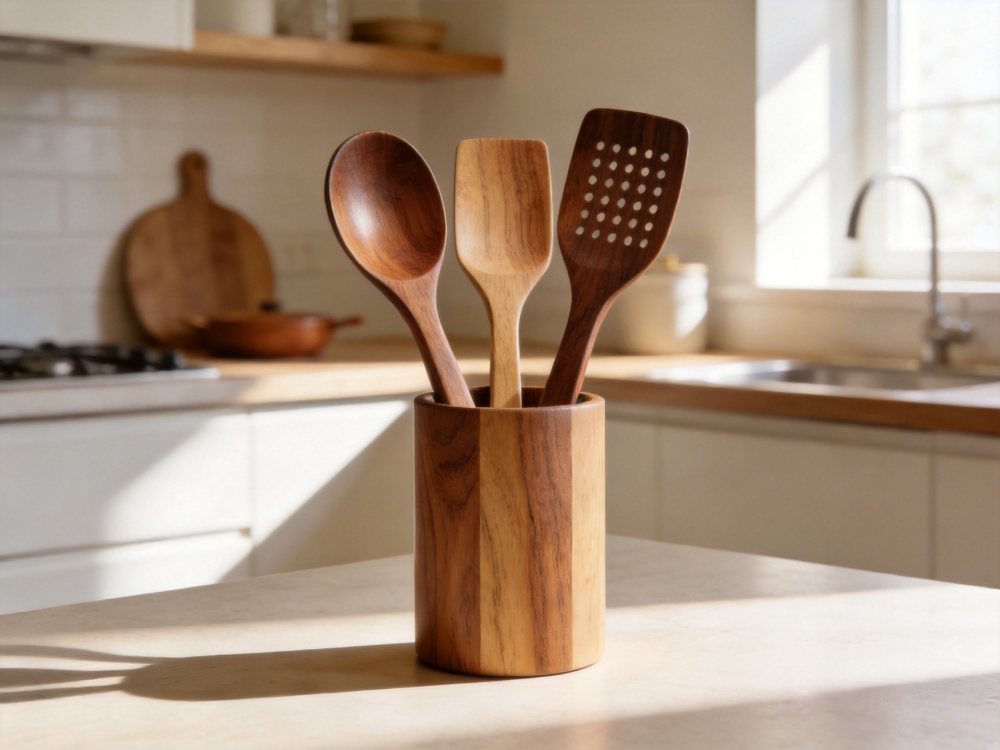
Wooden kitchen utensils remain one of the most trusted and widely used cooking tools in homes and professional kitchens worldwide. Despite the popularity of silicone and stainless steel alternatives, wooden utensils continue to stand out because they are durable, naturally attractive, cookware-friendly, and comfortable to use.
Whether you're looking for the best wood for kitchen utensils, comparing acacia wood kitchen utensils with teak or maple, shopping for a wooden kitchen utensil set, or learning how to clean wooden kitchen utensils properly, this comprehensive guide covers everything you need to know.
For kitchenware brands, distributors, wholesalers, and retailers, wooden kitchen utensils also represent one of the fastest-growing categories in sustainable kitchen products due to increasing consumer demand for eco-friendly alternatives to plastic.
The best woods for kitchen utensils are typically acacia, teak, maple, beech, and olive wood because they combine durability, food safety, moisture resistance, and long-term performance. Properly maintained wooden kitchen utensils can easily last for many years.
Why Wooden Kitchen Utensils Are Still Popular in Modern Kitchens
Wooden kitchen utensils have been used for centuries, yet they continue to dominate modern kitchens. Their popularity is not based on tradition alone. Wooden utensils provide practical advantages that many synthetic materials cannot fully replicate.
- Safe for non-stick cookware
- Natural and renewable material
- Comfortable grip during cooking
- Excellent heat resistance
- Do not transfer heat quickly
- Quiet when used with cookware
- Attractive natural appearance
- Long service life with proper care
Unlike metal utensils, wood does not scratch delicate cookware surfaces. Unlike some plastics, wooden utensils do not melt or warp when exposed to moderate cooking temperatures.
Are Wooden Kitchen Utensils Safe?
One of the most common questions consumers ask is whether wooden kitchen utensils are safe for food preparation.
The answer is yes. High-quality wooden kitchen utensils made from food-safe hardwoods are considered safe and hygienic for cooking and serving food.
Research has shown that hardwood surfaces can naturally inhibit bacterial survival when properly cleaned and dried. While wood is technically porous, moisture tends to be absorbed below the surface where bacteria have difficulty surviving.
The key to food safety is proper maintenance:
- Wash immediately after use
- Dry completely before storage
- Avoid prolonged soaking
- Apply food-grade mineral oil periodically
- Replace utensils showing deep cracks
A properly maintained wooden spoon is often safer than heavily scratched plastic utensils because deep plastic scratches can trap food particles and bacteria.
Best Wood for Kitchen Utensils
Not all woods perform equally in the kitchen. The best wood for kitchen utensils combines hardness, durability, moisture resistance, and food-contact safety.
Acacia Wood Kitchen Utensils
Acacia wood kitchen utensils have become increasingly popular due to their attractive grain patterns and excellent durability.
- Dense hardwood structure
- Excellent moisture resistance
- Beautiful natural appearance
- Highly durable for everyday cooking
- Sustainable sourcing options available
Acacia offers one of the best balances between affordability and performance, making it a favorite among manufacturers and consumers alike.
Teak Wood Kitchen Utensils
Teak contains natural oils that help resist moisture absorption and cracking. Because of this, teak utensils often require less maintenance than some other hardwood options.
- Outstanding moisture resistance
- Natural oils protect the wood
- Long lifespan
- Premium appearance
Maple Wood Kitchen Utensils
Maple has long been used for cutting boards and cooking utensils because of its fine grain and excellent durability.
- Hard and durable
- Smooth finish
- Light color appearance
- Excellent food-contact properties
Beech Wood Kitchen Utensils
Beech wood remains one of the most commonly used materials in European kitchenware production.
- Affordable
- Strong and durable
- Easy to manufacture
- Popular in wooden utensil sets
Acacia vs Teak vs Maple vs Beech: Which Wood Is Best for Kitchen Utensils?
When selecting wooden kitchen utensils, the type of wood significantly affects durability, maintenance requirements, appearance, and overall lifespan. While there is no single perfect choice for every cook, understanding the strengths of each wood species helps buyers make informed decisions.
| Wood Type | Durability | Water Resistance | Maintenance | Appearance | Best For |
|---|---|---|---|---|---|
| Acacia | Excellent | High | Low | Rich Grain | Daily Cooking |
| Teak | Excellent | Very High | Very Low | Premium Dark Tone | Heavy Use Kitchens |
| Maple | High | Moderate | Moderate | Light Clean Look | Traditional Kitchens |
| Beech | Good | Moderate | Moderate | Light Natural Color | Budget-Friendly Sets |
For most consumers, acacia wood kitchen utensils offer the best balance of appearance, durability, and affordability. Teak is often preferred by professional cooks who prioritize moisture resistance and longevity.
What Should a Wooden Kitchen Utensil Set Include?
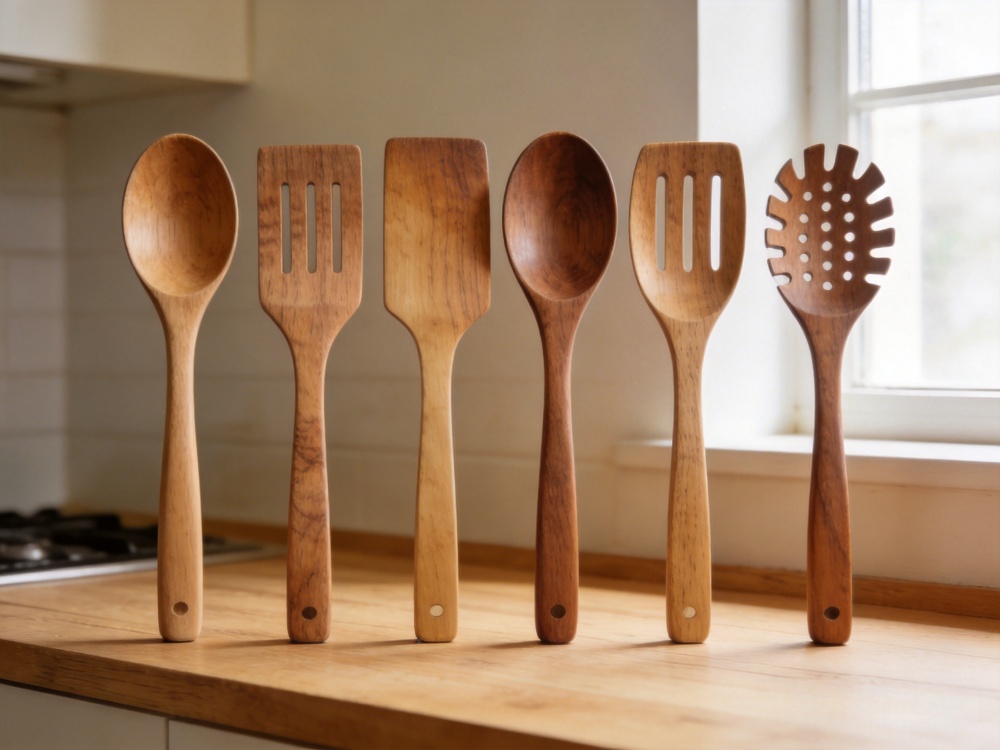
A quality wooden kitchen utensil set should contain the essential tools needed for everyday food preparation and cooking. Modern consumers increasingly prefer complete wooden kitchen utensil sets because they provide a coordinated appearance and better value than purchasing tools individually.
Essential Pieces in a Wooden Kitchen Utensil Set
- Solid cooking spoon
- Slotted spoon
- Spatula
- Turner
- Skimmer spoon
- Pasta server
- Salad serving spoon
- Salad serving fork
Many premium wooden kitchen utensils sets also include utensil holders, rotating storage stands, or gift-ready packaging for enhanced presentation.
When purchasing a wooden kitchen utensil set, focus on wood quality, finish smoothness, and ergonomic design rather than simply choosing the largest set available.
Do You Need a Wooden Kitchen Utensil Holder?
A wooden kitchen utensil holder is more than just a decorative accessory. Proper storage plays an important role in extending the lifespan of wooden kitchen tools.
Good utensil storage helps:
- Improve kitchen organization
- Allow air circulation
- Reduce moisture buildup
- Prevent utensil damage
- Keep frequently used tools accessible
Many homeowners choose matching wooden kitchen utensil holders to create a cohesive and natural kitchen design.
How to Clean Wooden Kitchen Utensils Properly
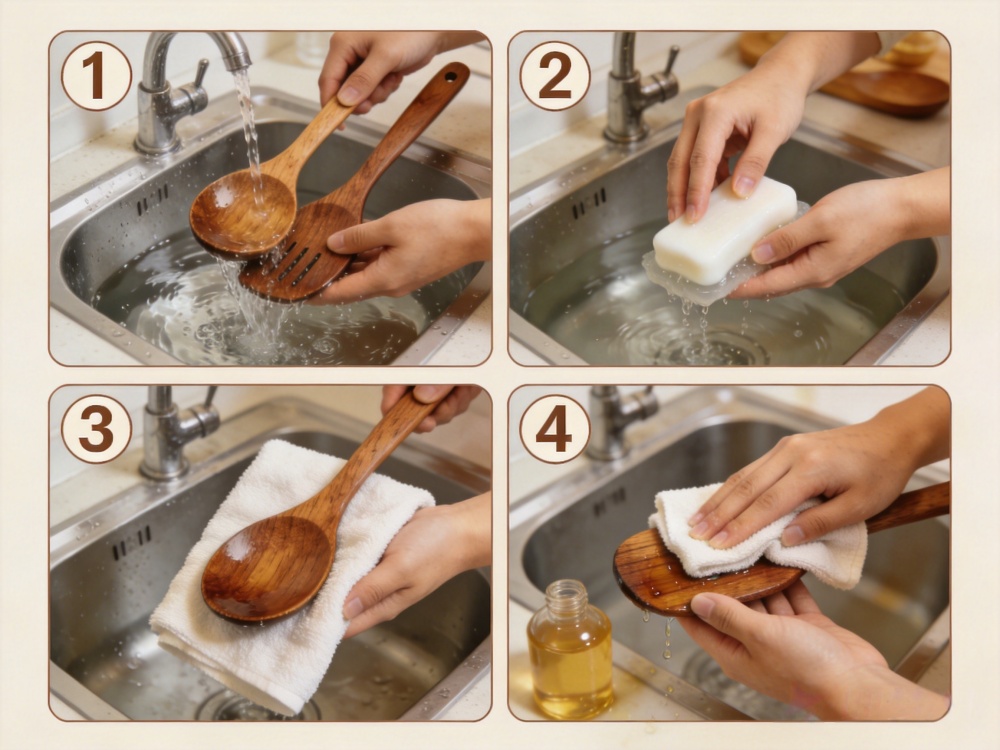
One of the most frequently searched questions online is: How do you clean wooden kitchen utensils?
Proper cleaning is critical because wooden utensils are exposed to moisture, oils, food particles, and heat during daily cooking.
Daily Cleaning Method
- Rinse utensils immediately after use.
- Wash with warm water and mild dish soap.
- Use a soft sponge to remove food residue.
- Rinse thoroughly.
- Dry immediately using a clean towel.
- Allow complete air drying before storage.
This simple process prevents moisture buildup and reduces the risk of cracking or warping.
Deep Cleaning Wooden Kitchen Utensils
For utensils exposed to strong odors, grease, or staining ingredients, occasional deep cleaning is recommended.
Mix:
- 1 tablespoon baking soda
- Fresh lemon juice
Create a paste and gently scrub the utensil surface. Allow it to sit for several minutes before rinsing thoroughly.
This method helps remove:
- Garlic odors
- Onion smells
- Fish residue
- Food discoloration
How to Sanitize Wooden Utensils Naturally
Many consumers worry about bacteria on wooden utensils. While wood naturally resists bacterial growth better than many people assume, periodic sanitizing is still beneficial.
Natural sanitizing methods include:
- White vinegar solution
- Hydrogen peroxide rinse
- Lemon and salt treatment
Avoid harsh chemical disinfectants that may damage the wood surface or leave residues.
How Often Should You Oil Wooden Kitchen Utensils?
Applying food-grade mineral oil helps prevent wooden utensils from drying out.
General recommendations:
- Once per month for regular household use
- Twice per month in dry climates
- More frequently for heavily used utensils
Signs your utensils need oiling include:
- Dull appearance
- Dry texture
- Lightened color
- Small surface cracks
A properly oiled wooden spoon can easily last 5–10 years or longer, while neglected utensils often crack within a few years.
Common Mistakes That Ruin Wooden Kitchen Utensils
Even premium wooden utensils can fail prematurely when improperly maintained.
1. Putting Wooden Utensils in the Dishwasher
Dishwashers expose wood to prolonged heat, moisture, and aggressive detergents, which can cause warping and cracking.
2. Soaking Utensils Overnight
Extended water exposure weakens wood fibers and increases the risk of splitting.
3. Storing Wet Utensils
Trapped moisture may encourage mold growth and shorten utensil lifespan.
4. Skipping Oil Maintenance
Without periodic oiling, wood gradually loses moisture and becomes brittle.
5. Using Damaged Utensils
Deep cracks can trap food particles and become difficult to clean properly.
How Long Do Wooden Kitchen Utensils Last?
One of the biggest advantages of wooden kitchen utensils is their impressive lifespan. Unlike plastic utensils that may warp or crack over time, quality hardwood utensils can remain functional for many years when properly maintained.
The actual lifespan depends on several factors:
- Type of wood used
- Frequency of cooking
- Exposure to moisture
- Cleaning habits
- Regular oil maintenance
| Wood Type | Typical Lifespan |
|---|---|
| Acacia | 5–10+ Years |
| Teak | 8–15+ Years |
| Maple | 5–10 Years |
| Beech | 3–8 Years |
Many professional chefs continue using the same wooden spoons and spatulas for over a decade because properly maintained hardwood utensils age gracefully rather than deteriorating quickly.
The biggest factor affecting lifespan is moisture management. Dry utensils thoroughly after washing and apply food-grade mineral oil regularly to maximize durability.
Wooden vs Silicone vs Stainless Steel Kitchen Utensils
Consumers today can choose from wooden, silicone, and stainless steel cooking utensils. Each material offers distinct advantages depending on cooking style and cookware type.
| Feature | Wooden Utensils | Silicone Utensils | Stainless Steel Utensils |
|---|---|---|---|
| Safe for Non-Stick Cookware | Excellent | Excellent | No |
| Heat Resistance | High | Very High | Excellent |
| Scratch Resistance | Excellent | Excellent | Poor |
| Natural Appearance | Excellent | Moderate | Low |
| Dishwasher Safe | No | Usually Yes | Yes |
| Sustainability | Excellent | Moderate | Good |
| Lifespan | High | High | Very High |
For many households, wooden utensils remain the preferred option because they combine functionality, aesthetics, and cookware protection better than most alternatives.
Wooden Kitchen Utensils Made in USA: Are They Better?
Many consumers specifically search for wooden kitchen utensils made in USA because they associate domestic manufacturing with craftsmanship and quality control.
However, product quality depends more on manufacturing standards, wood selection, finishing processes, and quality inspection procedures than production location alone.
Whether produced in the United States, Europe, or Asia, high-quality wooden utensils should offer:
- Food-safe materials
- Smooth polished surfaces
- Consistent construction quality
- Durable hardwood species
- Safe finishing oils
For wholesale buyers and private-label brands, selecting an experienced manufacturer is often more important than focusing solely on country of origin.
Why Wooden Kitchen Utensils Are an Eco-Friendly Choice
Sustainability has become a major purchasing factor for modern consumers. Wooden kitchen utensils align with this trend because they are produced from renewable natural materials and generate less environmental impact than many disposable plastic alternatives.
Key environmental benefits include:
- Renewable resource sourcing
- Biodegradable material composition
- Reduced plastic waste
- Lower carbon footprint compared with some synthetic materials
- Long product lifespan
As eco-conscious purchasing continues to grow worldwide, wooden kitchen utensils remain one of the strongest product categories within sustainable kitchenware.
OEM & Private Label Wooden Kitchen Utensils
The global demand for wooden kitchen utensils continues to expand across retail, e-commerce, hospitality, and promotional gift markets. As a result, many brands are launching private-label wooden utensil collections to meet consumer demand for natural and sustainable products.
Kitlucy provides professional OEM and ODM manufacturing solutions for wooden kitchen utensils and wooden kitchen utensil sets.
Customization options include:
- Custom utensil designs
- Acacia, teak, beech, and bamboo materials
- Laser logo engraving
- Private-label packaging
- Gift box solutions
- Retail-ready branding
- Wholesale production support
Learn more about our OEM services here:
Customized Kitchenware Manufacturing Services
Explore our kitchen utensil collections:
Kitchen Utensil Sets
Contact our team for product development and sourcing support:
Contact Us
Frequently Asked Questions About Wooden Kitchen Utensils
What is the best wood for kitchen utensils?
Acacia, teak, maple, and beech are among the most popular choices due to their durability, food safety, and resistance to cracking.
Are wooden kitchen utensils sanitary?
Yes. Properly cleaned and dried wooden utensils are considered safe and hygienic for food preparation.
Can wooden utensils go in the dishwasher?
No. Dishwashers can damage wood through prolonged exposure to heat and moisture.
How often should wooden utensils be oiled?
Most households should apply food-grade mineral oil approximately once per month.
Do wooden utensils absorb bacteria?
Wood naturally absorbs moisture below the surface, where bacteria generally struggle to survive when utensils are properly maintained.
Can wooden utensils be used on non-stick cookware?
Yes. Wooden utensils are among the safest options for protecting non-stick surfaces.
Why do chefs prefer wooden spoons?
Wooden spoons are durable, comfortable to hold, non-reactive, and gentle on cookware.
Do wooden utensils stain easily?
Some discoloration may occur from spices or sauces, but regular cleaning and oiling help minimize staining.
How long do wooden kitchen utensils last?
Most high-quality wooden utensils last between 5 and 15 years with proper care.
Are acacia wood kitchen utensils good?
Yes. Acacia offers an excellent combination of durability, moisture resistance, attractive grain patterns, and affordability.
Final Thoughts
Wooden kitchen utensils remain one of the most practical, sustainable, and attractive cooking tool choices available today. Whether you're purchasing a wooden kitchen utensil set for your home, searching for the best wood for kitchen utensils, or sourcing private-label products for your brand, understanding wood species, maintenance requirements, and product quality standards helps ensure long-term satisfaction.
Acacia, teak, maple, and beech continue to dominate the market because they offer outstanding performance, food safety, and visual appeal. Combined with proper cleaning and maintenance, quality wooden kitchen utensils can provide years of reliable cooking performance while supporting a more sustainable kitchen environment.
Build Your Wooden Kitchen Utensil Brand with Kitlucy
Looking for premium wooden kitchen utensils, custom wooden kitchen utensil sets, or private-label manufacturing solutions?
Kitlucy supports distributors, retailers, wholesalers, and e-commerce brands with OEM and ODM kitchenware manufacturing services.
Related Blogs