What Is The Advantages & Disadvantages of Bamboo Kitchen Cooking Tools?
What Is The Advantages & Disadvantages of Bamboo Kitchen Cooking Tools?
Bamboo kitchen cooking tools have become increasingly popular in modern kitchens because they combine natural aesthetics, lightweight performance, sustainability, and affordability. From bamboo spatulas and spoons to complete bamboo utensil sets, these eco-friendly kitchen tools are widely used by home cooks, restaurants, and kitchenware brands worldwide.
However, while bamboo utensils offer many advantages, they also have some limitations that buyers should understand before choosing them for long-term kitchen use. In this guide, we explore the pros and cons of bamboo kitchen cooking tools, compare bamboo with other materials, and explain how to choose high-quality bamboo kitchenware for modern cooking environments.
Bamboo kitchen utensils are lightweight, sustainable, and gentle on cookware surfaces, making them one of the most popular eco-friendly alternatives to plastic kitchen tools.
What Are Bamboo Kitchen Cooking Tools?
Bamboo kitchen cooking tools are cooking utensils manufactured from natural bamboo material. Common products include:
- Bamboo spatulas
- Bamboo cooking spoons
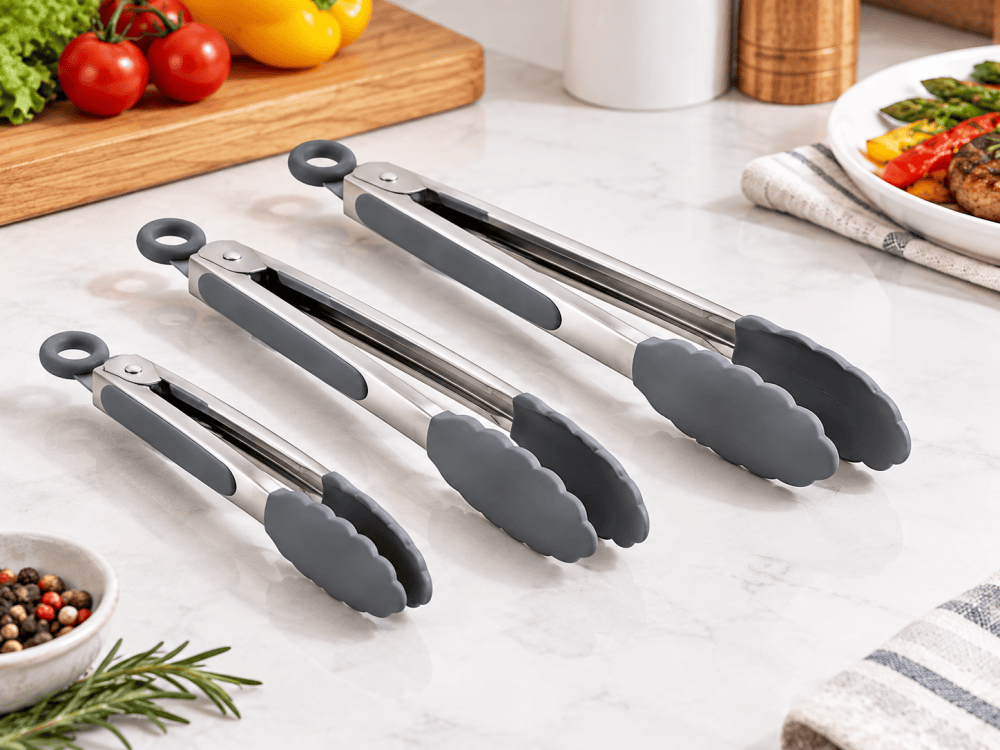
- Bamboo tongs
- Bamboo ladles
- Bamboo turners
- Bamboo utensil sets
Bamboo is technically a fast-growing grass rather than traditional hardwood, but its dense fiber structure gives it impressive durability and strength for kitchen applications.

Advantages of Bamboo Kitchen Cooking Tools
1. Eco-Friendly and Sustainable
One of the biggest advantages of bamboo kitchen utensils is sustainability. Bamboo grows much faster than hardwood trees and can regenerate naturally without replanting.
- Rapid renewable resource
- Lower environmental impact
- Biodegradable material
- Popular among eco-conscious consumers
This makes bamboo utensils highly attractive for sustainable kitchenware brands and environmentally friendly product lines.
2. Lightweight Yet Durable
Bamboo utensils are extremely lightweight compared with metal cooking tools while still offering good structural strength.
High-quality bamboo kitchen tools can resist:
- Bending
- Cracking
- Daily cooking wear
- Moderate heat exposure
This balance between durability and lightweight handling improves cooking comfort during long kitchen sessions.
3. Safe for Non-Stick Cookware
Bamboo cooking tools are naturally smooth and soft enough to prevent scratches on non-stick cookware surfaces.
- Protects non-stick coatings
- Suitable for ceramic cookware
- Reduces cookware damage
- Safer than metal utensils for coated pans

4. Natural Appearance and Warm Aesthetic
Bamboo kitchen utensils provide a warm, natural appearance that fits modern minimalist, Scandinavian, rustic, and eco-friendly kitchen designs.
Consumers often prefer bamboo utensils because they create a more natural and premium kitchen atmosphere compared with plastic tools.
5. Heat Resistant
Bamboo utensils generally perform well under cooking temperatures and do not conduct heat like metal utensils.
- Handles remain comfortable during cooking
- Reduced burn risk
- Suitable for stirring hot food
- Good for soup pots and frying pans
Disadvantages of Bamboo Kitchen Cooking Tools
1. Requires Proper Maintenance
Unlike stainless steel or silicone utensils, bamboo cooking tools require periodic maintenance to maintain durability and appearance.
- Should be hand washed
- Needs proper drying after cleaning
- Occasional oil treatment recommended
- Long soaking may cause cracking
Without proper care, bamboo utensils may dry out or split over time.
2. Not Dishwasher Friendly
Most bamboo kitchen tools are not ideal for dishwasher cleaning because prolonged exposure to heat and moisture may weaken the natural fibers.
Frequent dishwasher use can lead to:
- Warping
- Surface roughness
- Cracks
- Reduced lifespan
To maximize the lifespan of bamboo cooking utensils, wash them by hand using mild soap and warm water, then dry immediately after cleaning.
3. Less Heat Resistant Than Silicone
Although bamboo handles moderate heat well, bamboo utensils cannot tolerate extremely high temperatures as effectively as food-grade silicone cooking tools.
Direct exposure to prolonged high heat may eventually darken or weaken bamboo surfaces.
4. Surface Can Become Rough Over Time
With repeated washing and daily use, lower-quality bamboo utensils may develop rough fibers or splinters.
High-quality manufacturing and proper finishing significantly reduce this issue.
Bamboo vs Wooden vs Silicone Kitchen Utensils
| Feature | Bamboo Utensils | Wooden Utensils | Silicone Utensils |
|---|---|---|---|
| Sustainability | Excellent | Good | Moderate |
| Weight | Lightweight | Moderate | Lightweight |
| Heat Resistance | Good | Good | Excellent |
| Dishwasher Safe | No | No | Usually Yes |
| Cookware Safety | Excellent | Excellent | Excellent |
| Maintenance | Moderate | Moderate | Low |
Are Bamboo Cooking Utensils Safe?
Yes, high-quality bamboo kitchen cooking tools are generally considered safe for food contact when manufactured properly.
Reliable bamboo kitchenware should:
- Use food-safe finishes
- Be free from harmful chemicals
- Use low-formaldehyde adhesives when laminated
- Meet FDA or LFGB food-contact standards
Choosing products from professional kitchenware manufacturers helps ensure long-term safety and durability.
How to Choose High-Quality Bamboo Kitchen Tools
- Choose smooth, splinter-free surfaces
- Check for food-grade certification
- Look for thick, durable construction
- Select ergonomic handle designs
- Choose trusted manufacturers with OEM experience
Premium bamboo utensils often include polished finishes, stronger fiber density, and improved moisture resistance.

Why Bamboo Kitchenware Continues to Grow Globally
As consumers increasingly focus on sustainability, eco-friendly kitchenware, and natural materials, bamboo cooking tools continue gaining popularity in global kitchenware markets.
Retailers and kitchen brands prefer bamboo utensils because they combine:
- Eco-friendly branding opportunities
- Affordable production costs
- Natural visual appeal
- Strong consumer demand
- Excellent compatibility with modern kitchens
OEM & Custom Bamboo Kitchen Cooking Tools
Kitlucy specializes in manufacturing modern kitchen utensils and cooking tools for global brands, distributors, and retailers.
We support OEM and ODM customization services including:
- Custom bamboo utensil sets
- Private-label packaging
- Logo engraving
- Custom colors and finishes
- Wholesale kitchenware production
Learn more about our OEM kitchenware manufacturing services.
Conclusion
Bamboo kitchen cooking tools offer an excellent balance of sustainability, lightweight performance, cookware safety, and natural beauty. They are ideal for consumers seeking eco-friendly alternatives to plastic or metal kitchen utensils.
While bamboo utensils do require proper maintenance and are not fully dishwasher friendly, their environmental benefits, affordability, and attractive appearance continue making them one of the fastest-growing kitchenware categories worldwide.
Looking for Custom Bamboo Kitchen Utensils?
Kitlucy provides OEM bamboo kitchen cooking tools, utensil sets, and sustainable kitchenware solutions for global distributors, retailers, and private-label brands.
Contact us today to discuss your custom kitchenware project.
Related Blogs