Bamboo Cutting Board Pros and Cons: Is Bamboo Good for Cutting Boards?
Bamboo Cutting Board Pros and Cons: Is Bamboo Good for Cutting Boards?
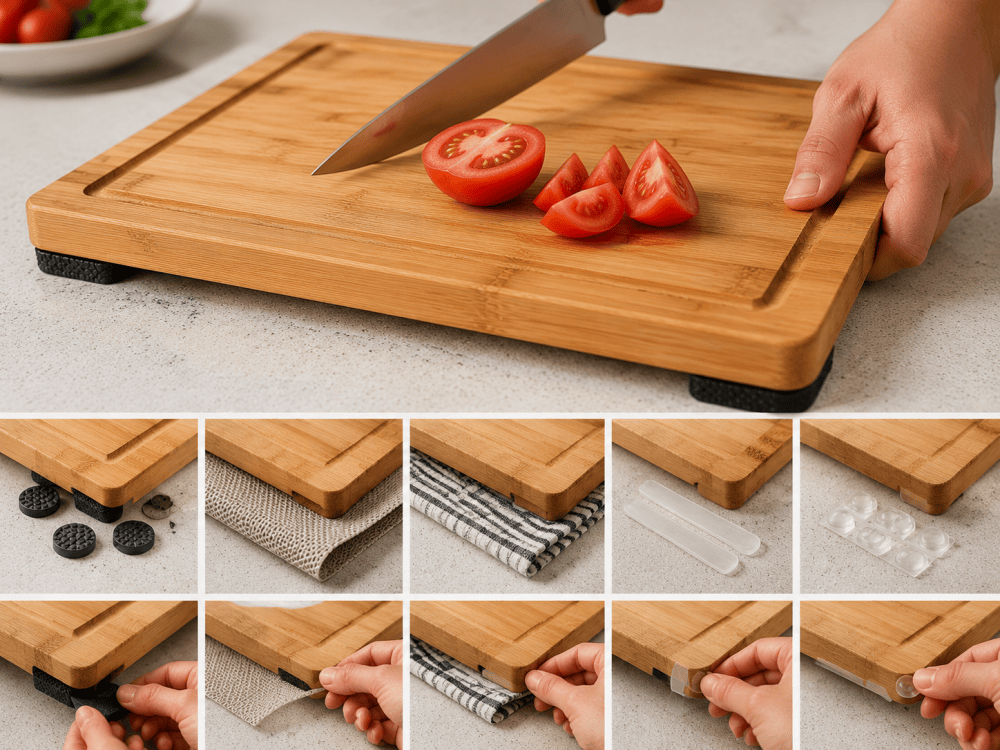
Bamboo cutting boards have become increasingly popular in modern kitchens because of their natural appearance, eco-friendly image, and affordable price.
As consumers look for sustainable kitchen products, the keyword bamboo cutting board has gained attention among home users, retailers, and kitchenware buyers.
However, many people still ask:
- Are bamboo cutting boards good?
- Is bamboo good for cutting boards?
- Are bamboo cutting boards safe?
- How do bamboo cutting boards compare with wood cutting boards?
This guide explains the complete bamboo cutting board pros and cons, including durability, hygiene, maintenance, knife performance, and purchasing considerations.

Bamboo cutting boards are a good choice for users who want an affordable, lightweight, and eco-friendly cutting surface. However, they are harder than some traditional wood boards and require proper maintenance to prevent cracking or moisture damage.
What Is a Bamboo Cutting Board?
A bamboo cutting board is made from bamboo strips that are processed, compressed, and bonded together under high pressure.
Unlike traditional solid wood boards, bamboo boards are manufactured from fast-growing bamboo plants, making them a popular sustainable kitchenware option.
Common characteristics of bamboo cutting boards include:
- Lightweight construction
- Natural wood-like appearance
- Good moisture resistance
- Affordable production cost
- Eco-friendly product positioning
Bamboo Cutting Board Pros and Cons Overview
| Advantages | Disadvantages |
|---|---|
| Renewable and eco-friendly material | Requires regular maintenance |
| Lightweight and easy to handle | Harder surface may affect knives |
| Affordable compared with premium wood | May crack if exposed to moisture |
| Natural attractive appearance | Not dishwasher friendly |
| Good durability for daily kitchen use | Quality depends on manufacturing process |
Advantages of Bamboo Cutting Boards
1. Eco-Friendly and Sustainable Material
One of the biggest reasons consumers choose a cutting board bamboo product is its environmental appeal.
Bamboo grows much faster than many traditional hardwood trees, making it a renewable material for kitchenware manufacturing.
For brands focusing on sustainable product lines, bamboo cutting boards provide strong marketing value.
2. Lightweight and Easy to Use
Compared with many solid wood cutting boards, bamboo boards are lighter and easier to move, store, and clean.
This makes them suitable for:
- Small kitchens
- Apartment living
- Daily food preparation
- Retail kitchenware sets
3. Attractive Natural Appearance
Bamboo cutting boards feature natural grain patterns that create a warm and modern kitchen style.
Many consumers choose bamboo boards not only for cutting but also for:
- Serving cheese
- Serving bread
- Food presentation
Disadvantages of Bamboo Cutting Boards
1. Requires Regular Maintenance
Although bamboo cutting boards are durable, they still require proper care to maintain their appearance and performance.
Because bamboo is a natural material, repeated exposure to water and improper cleaning may cause:
- Surface drying
- Cracking
- Warping
- Loss of smooth texture
Applying food-grade mineral oil regularly can help extend the lifespan of a bamboo cutting board.
2. Not Dishwasher Safe
One common disadvantage of bamboo cutting boards is that they should not usually be cleaned in a dishwasher.
High temperatures and long exposure to water can damage the bamboo structure and cause expansion or cracking.
For this reason, bamboo cutting boards are best cleaned by hand.
3. Can Be Hard on Knife Edges
Many users ask:
Are bamboo cutting boards good for knives?
Bamboo is harder than many traditional hardwood cutting boards, which means it may provide slightly less knife-friendly performance.
Frequent cutting on a hard bamboo surface may gradually reduce knife sharpness, especially when using high-end kitchen knives.
4. Quality Depends on Manufacturing Process
Not all bamboo cutting boards have the same quality.
The performance of a bamboo board depends on:
- Bamboo material selection
- Compression density
- Adhesive quality
- Surface finishing
- Food-contact safety standards
For wholesale buyers, choosing a reliable manufacturer is important to ensure consistent quality.
Are Bamboo Cutting Boards Safe?
One of the most common questions consumers search is:
Are bamboo cutting boards safe?
High-quality bamboo cutting boards are generally considered safe for food preparation when they are manufactured with food-grade adhesives and proper finishing processes.
However, safety depends on product quality rather than bamboo material alone.
Choose bamboo cutting boards made with food-safe materials, smooth surfaces, and proper manufacturing standards. Avoid boards with deep cracks, peeling layers, or damaged surfaces.
Factors That Affect Bamboo Cutting Board Safety
- Food-grade adhesive selection
- Proper surface sealing
- Regular cleaning and maintenance
- Replacing heavily damaged boards
How to Clean Bamboo Cutting Board?
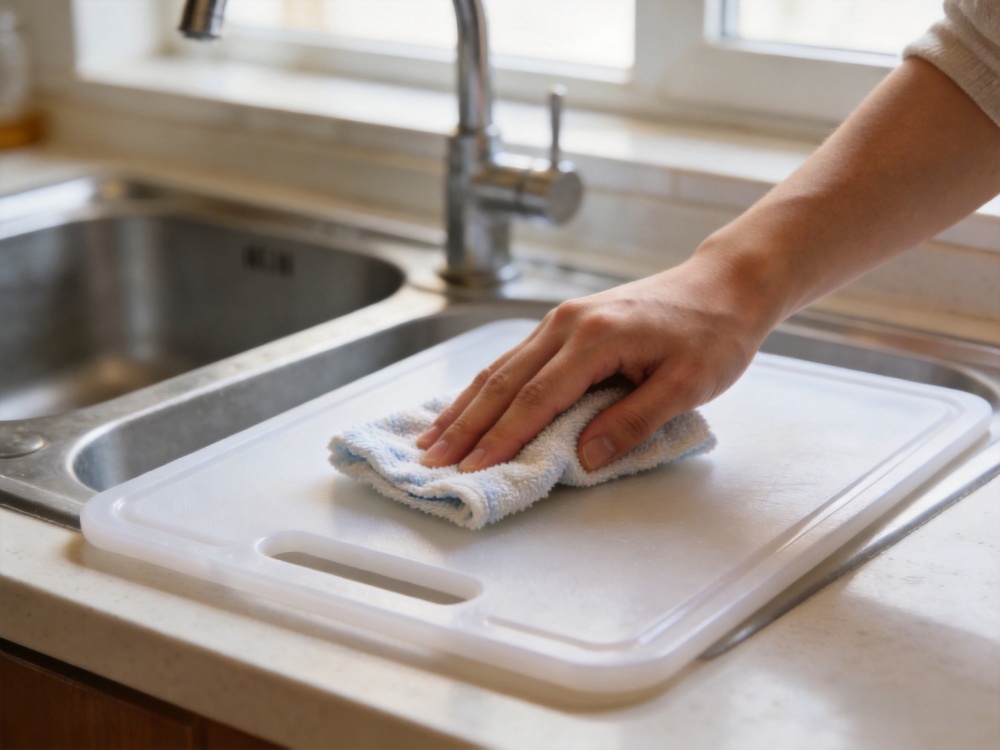
Knowing how to clean bamboo cutting board properly is essential for maintaining hygiene and extending product life.
Step 1: Remove Food Residue
After use, rinse the bamboo cutting board with warm water and remove remaining food particles.
Step 2: Wash with Mild Soap
Use a soft sponge and mild dish soap to clean the surface.
Avoid soaking the board in water for long periods.
Step 3: Dry Immediately
Dry the cutting board with a clean towel and place it vertically or in a well-ventilated area.
Step 4: Apply Mineral Oil Regularly
Food-grade mineral oil helps prevent bamboo from becoming dry and reduces the risk of cracking.
- Clean after every use
- Avoid dishwasher cleaning
- Do not leave submerged in water
- Oil regularly for long-term use
Bamboo vs Wood Cutting Board: Which Is Better?
The comparison of bamboo vs wood cutting board is one of the most common discussions when choosing a kitchen cutting surface.
| Feature | Bamboo Cutting Board | Wood Cutting Board |
|---|---|---|
| Material | Compressed bamboo strips | Natural hardwood |
| Sustainability | Excellent | Depends on wood source |
| Durability | High | High |
| Knife Friendliness | Medium | Excellent |
| Maintenance | Medium | Medium |
| Price | Affordable | Medium to Premium |
| Appearance | Natural modern style | Premium wood grain |
Bamboo vs Plastic Cutting Board
Compared with plastic cutting boards, bamboo boards offer a more natural appearance and stronger sustainability positioning.
| Feature | Bamboo | Plastic |
|---|---|---|
| Eco-Friendly | Excellent | Medium |
| Cleaning | Hand wash recommended | Usually easier |
| Knife Protection | Medium | Good |
| Commercial Use | Limited | Very common |
| Appearance | Natural premium look | Modern functional style |
Is Bamboo Good for Cutting Boards?
So, is bamboo good for cutting boards?
The answer depends on the intended use.
Bamboo cutting boards are a good choice for:
- Daily home cooking
- Eco-conscious consumers
- Affordable premium kitchenware
- Serving and food presentation
- Retail kitchen product collections
However, professional chefs who use expensive knives may prefer softer wood surfaces that provide better blade protection.
Totally Bamboo Cutting Board: Why Is It Popular?
Totally Bamboo cutting board is a popular search term among consumers looking for bamboo kitchen products.
The popularity of bamboo cutting boards is mainly driven by several market trends:
- Growing demand for sustainable kitchen products
- Preference for natural-looking kitchen accessories
- Affordable alternative to premium wood boards
- Increasing interest in eco-friendly home products
Many brands use bamboo cutting boards as part of their environmentally friendly kitchenware collections because bamboo provides a strong sustainability story while maintaining practical kitchen performance.
How to Choose the Best Bamboo Cutting Board?
When choosing the best bamboo cutting boards, consumers and buyers should consider more than just appearance.
1. Check Bamboo Quality
High-quality bamboo cutting boards should use carefully selected bamboo materials with consistent density and smooth surfaces.
Poor-quality boards may have:
- Uneven surfaces
- Visible cracks
- Rough edges
- Weak bonding
2. Consider Thickness and Size
The thickness of a bamboo cutting board affects stability and durability.
- Thin boards are lightweight and easy to store
- Medium thickness boards are suitable for daily kitchens
- Thicker boards provide better stability
3. Look for Food-Safe Manufacturing
A reliable bamboo cutting board manufacturer should pay attention to:
- Food-grade adhesive materials
- Smooth surface finishing
- Safe production processes
- Quality inspection standards
Bamboo Cutting Board Buying Guide for Wholesale Buyers
For kitchenware importers, distributors, and retailers, bamboo cutting boards remain an attractive product category because of their sustainability positioning and consumer appeal.
When sourcing bamboo cutting boards, buyers should evaluate:
- Material quality consistency
- OEM customization capability
- Packaging options
- Certification requirements
- Production capacity
Why Add Bamboo Cutting Boards to Your Product Line?
Bamboo cutting boards offer several commercial advantages:
- Strong eco-friendly marketing value
- Suitable for modern retail trends
- Competitive production cost
- Wide consumer acceptance
- Easy combination with kitchen accessory collections
Frequently Asked Questions About Bamboo Cutting Boards
Are bamboo cutting boards good?
Yes. Bamboo cutting boards are a good option for many home kitchens because they are durable, lightweight, affordable, and environmentally friendly.
However, users should maintain them properly and avoid dishwasher cleaning.
Is bamboo good for cutting boards?
Yes, bamboo is a suitable material for cutting boards because it provides good durability, moisture resistance, and a natural appearance.
However, bamboo is harder than some wood materials and may not be the best option for users who prioritize maximum knife protection.
Are bamboo cutting boards safe?
High-quality bamboo cutting boards made with food-safe materials are generally safe for food preparation.
Proper cleaning, drying, and maintenance are important for long-term hygiene.
How to clean bamboo cutting board?
Clean bamboo cutting boards by hand with warm water and mild soap, dry immediately after washing, and apply food-grade mineral oil regularly.
Avoid soaking or placing bamboo cutting boards in the dishwasher.
Is bamboo better than wood cutting boards?
Bamboo and wood cutting boards each have advantages.
Bamboo offers sustainability and affordability, while traditional hardwood boards usually provide better knife protection and premium performance.
Can bamboo cutting boards go in the dishwasher?
No. Dishwasher cleaning is not recommended because high temperatures and prolonged water exposure may damage bamboo structures.
Conclusion: Are Bamboo Cutting Boards Worth Buying?
Bamboo cutting boards are one of the most popular eco-friendly alternatives to traditional kitchen cutting surfaces.
The main advantages include sustainability, lightweight design, attractive appearance, and affordable pricing.
However, bamboo cutting boards also have some limitations, including maintenance requirements and slightly higher hardness compared with traditional wood boards.
For everyday home cooking, serving applications, and eco-conscious kitchenware collections, bamboo cutting boards are an excellent choice.
Understanding the complete bamboo cutting board pros and cons helps consumers and buyers select the right material based on safety, durability, maintenance, and kitchen needs.
Looking for High-Quality Bamboo Cutting Boards?
Kitlucy provides bamboo, wood, plastic, and customized cutting board solutions for global wholesalers, retailers, and kitchenware brands.
Related Blogs