Which Kind of Wood Cutting Board Is Better? A Complete Material Comparison Guide
Which Kind of Wood Cutting Board Is Better? A Complete Material Comparison Guide
Wood cutting boards remain one of the most popular choices for home kitchens and professional food preparation. However, many buyers and consumers still ask the same question: which kind of wood cutting board is better?
The answer depends on durability, knife friendliness, maintenance, appearance, and overall kitchen use. Different wood materials offer different advantages, making it important to understand their characteristics before choosing the right cutting board.
Why Wood Cutting Boards Remain Popular
Wood cutting boards are valued for their natural appearance, durability, and ability to protect knife edges better than harder surfaces such as glass or metal.
Wood cutting boards continue to dominate premium kitchenware markets because consumers prefer natural materials with better aesthetics and long-term usability.
Common Types of Wood Cutting Boards
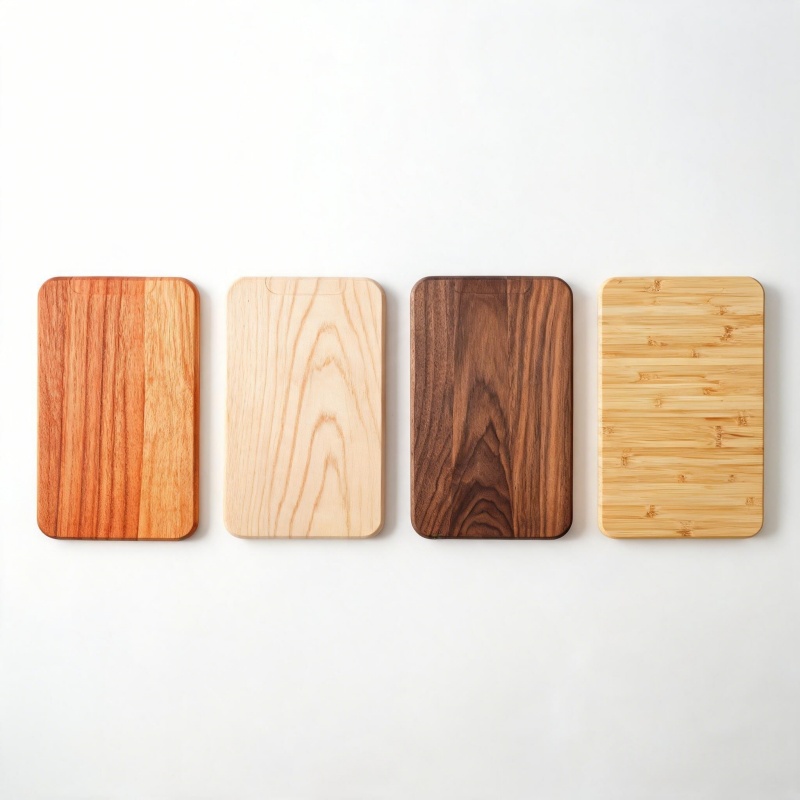
Acacia Wood Cutting Boards
Acacia wood cutting boards are widely used due to their rich grain patterns, durability, and affordability. Acacia wood is naturally resistant to moisture and suitable for daily kitchen use.
Maple Cutting Boards
Maple is one of the most traditional cutting board materials. It has a dense structure that balances durability with knife protection, making it a favorite in professional kitchens.
Walnut Cutting Boards
Walnut cutting boards are known for their dark premium appearance and softer cutting surface. They are considered more knife-friendly compared to harder woods.
Teak Cutting Boards
Teak contains natural oils that improve moisture resistance and reduce warping risks, making it suitable for humid kitchen environments.
Bamboo Cutting Boards
Bamboo is technically a grass rather than hardwood, but it is commonly categorized with wood cutting boards. Bamboo boards are lightweight, sustainable, and cost-effective.
Wood Cutting Board Comparison Table
| Material | Durability | Knife Friendly | Maintenance | Appearance |
|---|---|---|---|---|
| Acacia | High | Medium | Low | Natural Grain |
| Maple | High | High | Medium | Classic Light Wood |
| Walnut | Medium-High | Very High | Medium | Premium Dark Finish |
| Teak | High | Medium | Low | Warm Natural Tone |
| Bamboo | Medium-High | Low-Medium | Low | Clean Modern Look |
Which Wood Cutting Board Is Best for Different Needs?
Best for Durability
Maple and teak cutting boards offer excellent durability and long-term performance.
Best for Knife Protection
Walnut and maple are generally considered the most knife-friendly wood cutting board materials.
Best for Eco-Friendly Kitchens
Bamboo cutting boards are popular for environmentally conscious consumers because bamboo grows rapidly and is highly renewable.
Best for Budget Buyers
Acacia wood cutting boards offer a strong balance between affordability, appearance, and durability.
How to Choose the Right Wood Cutting Board
- Consider your cooking frequency and kitchen habits
- Choose moisture-resistant materials for humid environments
- Balance durability with knife protection
- Check maintenance requirements before purchasing
- Select suitable board size and thickness for daily use
How to Maintain a Wood Cutting Board
Clean Properly After Use
Wash the board with mild soap and warm water immediately after use.
Avoid Long-Term Water Exposure
Never soak wood cutting boards in water for extended periods.
Apply Mineral Oil Regularly
Regular oiling helps prevent drying, cracking, and warping.
Frequently Asked Questions
What is the safest wood for cutting boards?
Maple, walnut, teak, and acacia are all considered safe and commonly used food-grade wood materials.
Is bamboo better than wood for cutting boards?
Bamboo is more sustainable and affordable, while hardwood boards are usually more knife-friendly.
Which wood cutting board lasts the longest?
Maple and teak cutting boards are known for excellent long-term durability.
Conclusion
The best wood cutting board depends on your kitchen needs, budget, and maintenance preferences. Maple, walnut, acacia, teak, and bamboo all offer unique benefits for different users and market demands.
Looking for Premium Wood Cutting Boards?
We provide high-quality wood cutting boards in acacia, bamboo, walnut, and other materials with OEM and private label services for global brands and distributors.
Related Blogs