

Are Nylon Cooking Utensils Safe? What You Should Know Before Using Them
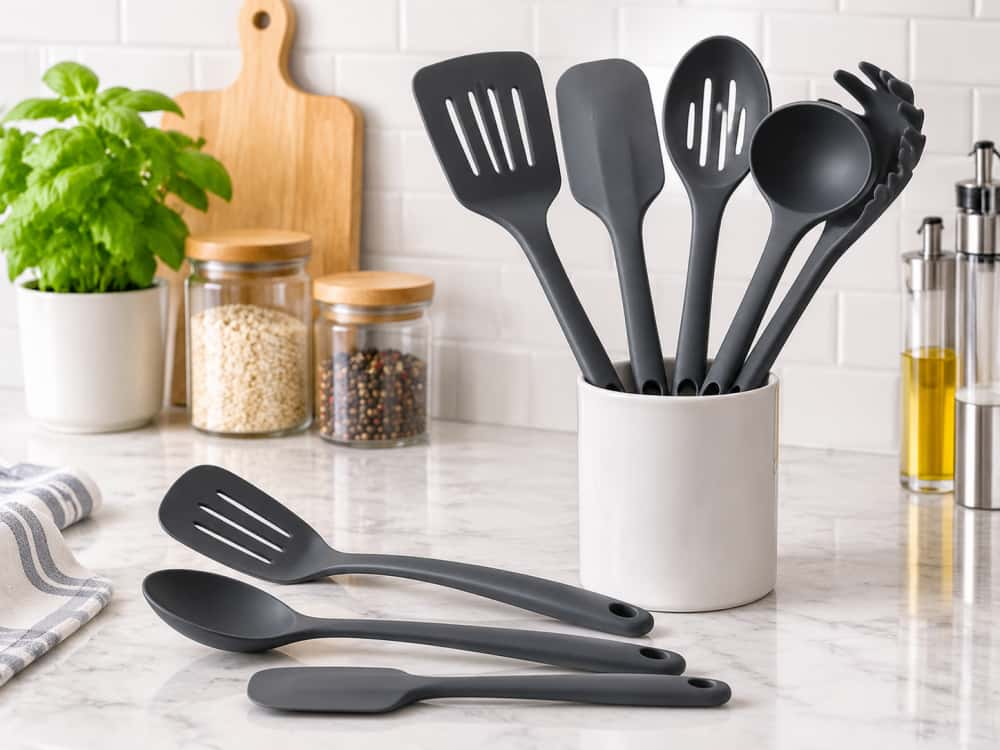
Nylon cooking utensils are widely used in modern kitchens. From spatulas and turners to ladles, serving spoons and kitchen utensil sets, nylon tools are popular because they are lightweight, practical and generally gentle on nonstick cookware. But are nylon cooking utensils safe for food preparation and everyday cooking?
The short answer is yes, properly manufactured nylon utensils designed for food contact can be suitable for everyday cooking when used within their specified temperature limits. However, not every nylon product has the same material composition, heat resistance or food-contact compliance. Choosing the right product and using it correctly are essential.
In this guide, we explain what nylon is, how food-grade nylon is evaluated, whether nylon utensils can withstand high cooking temperatures, what potential risks to consider and how to choose safe nylon kitchen utensils for home or commercial use.
Quick Answer: Are Nylon Cooking Utensils Safe?
Yes. Nylon cooking utensils can be safe when they are made from suitable food-contact materials, manufactured under appropriate quality controls and used according to their temperature and care instructions. Avoid leaving nylon utensils in hot cookware, exposing them to direct flames or using them beyond their rated temperature. Replace tools that are melted, cracked, deeply scratched or permanently deformed.
1. What Are Nylon Cooking Utensils Made Of?
Nylon is a synthetic polymer belonging to the polyamide family. It is used in many household and industrial products, including kitchen tools, food-processing components, textiles and engineering parts.
For cooking utensils, nylon is commonly selected because it combines useful mechanical properties with relatively low weight. Depending on the formulation and product design, nylon tools can provide good rigidity, impact resistance and resistance to everyday kitchen handling.
Common Types of Nylon Used in Kitchen Products
Different nylon grades have different properties. Two commonly encountered types are:
- Nylon 6: A widely used polyamide with good mechanical strength and practical processing characteristics. Its performance depends on the grade, formulation and finished product design.
- Nylon 66: Another common polyamide that generally offers higher heat resistance and stiffness than standard Nylon 6 grades, although exact performance still depends on the material formulation and manufacturing process.
Not all nylon materials are interchangeable. Additives, colorants, reinforcement, processing conditions and the quality of the raw material can all influence the final utensil's performance.
This is why the word "nylon" alone is not enough to establish whether a cooking utensil is food-safe or suitable for a particular cooking temperature.
2. Why Are Nylon Cooking Utensils Popular?
Nylon has several practical advantages that make it a common choice for kitchen utensils.
Gentle on Nonstick Cookware
Nylon utensils are generally softer than stainless steel cooking tools. When properly designed and used, they are less likely to scratch nonstick cookware surfaces during normal stirring, flipping and serving.
However, damaged utensils with sharp edges, exposed reinforcement or rough surfaces should not be used on coated cookware.
Lightweight and Easy to Handle
Nylon kitchen tools are usually lightweight, making them convenient for everyday cooking. They are easy to lift, turn and maneuver, which is useful when preparing multiple dishes.
Good Practical Durability
Suitable nylon formulations can withstand repeated everyday handling. They are often used for spatulas, slotted turners, spoons and other kitchen tools that require a combination of strength and flexibility.
Available in Different Shapes and Colors
Nylon is suitable for molding into different utensil designs. Manufacturers can develop various shapes, handle structures and colors to create coordinated kitchen utensil collections.
3. Are Nylon Cooking Utensils Food Safe?
Food-contact safety depends on the complete material formulation and the intended conditions of use, not simply on whether a product is made from nylon.
In the United States, the FDA's food-contact regulations include provisions for specific nylon resins. For example, 21 CFR §177.1500 identifies nylon resins that may be used in articles intended for food processing, handling and packaging, subject to the specifications and conditions set out in the regulation.
This does not mean that every nylon grade, colorant, additive or finished kitchen utensil automatically complies with FDA requirements. The actual formulation, manufacturing process, food-contact conditions and applicable regulatory provisions must all be considered.
What About Food-Grade Nylon?
The term "food-grade nylon" generally refers to nylon materials selected and evaluated for applications involving food contact. For a finished cooking utensil, buyers should look beyond a general material description and request evidence that the product is suitable for its intended use.
Depending on the destination market and product application, relevant evidence may include:
- Material specifications identifying the nylon grade and relevant additives.
- Food-contact compliance documentation for the intended market.
- Migration test reports where required or appropriate.
- Information about intended food types, contact time and temperature conditions.
- Traceability and quality-control information from the manufacturer.
For products sold in the European Union, plastic food-contact materials are subject to Regulation (EU) No 10/2011 and applicable amendments, alongside the general food-contact framework. Requirements include restrictions on substances and migration limits, supported by appropriate compliance documentation.
4. Can Nylon Cooking Utensils Withstand High Temperatures?
Heat resistance is one of the most important factors when choosing nylon cooking utensils.
Many commercial nylon utensils are marketed with a heat-resistance rating around 400°F (204°C), but this is not a universal rating for all nylon products. Some products have lower limits, and the actual safe-use temperature must be confirmed from the manufacturer's specifications.
For example, Calphalon lists a 400°F heat-resistance rating for its nylon utensils. This is a product-specific specification, not a temperature limit that can automatically be applied to every nylon spatula or spoon.
What Happens When Nylon Is Exposed to Excessive Heat?
When nylon utensils are exposed to temperatures beyond their intended limits, they may soften, deform, discolor or melt. Repeated overheating can also reduce their mechanical performance and shorten their useful life.
Potential warning signs include:
- Warped or bent utensil heads.
- Softened or sticky surfaces.
- Discoloration associated with heat damage.
- Cracks, bubbles or roughened areas.
- Changes in shape that affect normal use.
A utensil that has visibly melted or become deformed should not continue to be used for food preparation.
Can You Leave a Nylon Spatula in a Hot Pan?
It is better not to. Even if a nylon utensil has a relatively high stated heat-resistance rating, leaving it in contact with a hot pan for an extended period can expose it to temperatures beyond its intended conditions.
Direct contact with a heating element, open flame or very hot cookware can also create localized overheating. A safer practice is to use the utensil for stirring or turning and place it on a suitable resting surface when not in use.
5. Are Nylon Cooking Utensils Safe for Nonstick Pans?
Yes. Nylon cooking utensils are commonly used with nonstick cookware because they are generally less abrasive than metal utensils.
They can be suitable for tasks such as:
- Stirring sauces and soups.
- Turning eggs, pancakes and other delicate foods.
- Mixing ingredients in coated cookware.
- Serving food from nonstick pots and pans.
However, nylon utensils should not be treated as completely scratch-proof or damage-proof. Rough edges, broken surfaces and exposed internal components can still damage cookware.
Always inspect the utensil before use, especially if it has been exposed to high temperatures or has been used for a long time.
6. Are Nylon Utensils Safer Than Silicone or Stainless Steel?
Nylon, silicone and stainless steel are all used in kitchen utensils, but they serve somewhat different purposes. No single material is automatically the safest or best choice for every cooking task.
| Feature | Nylon Utensils | Silicone Utensils | Stainless Steel Utensils |
|---|---|---|---|
| Material type | Polyamide thermoplastic | Silicone elastomer | Metal alloy |
| Heat performance | Depends on nylon grade and product rating; overheating can cause softening or deformation. | Often suitable for higher cooking temperatures, depending on formulation and product construction. | Generally suitable for high-temperature cooking applications. |
| Nonstick cookware | Generally gentle on coated surfaces. | Generally gentle on coated surfaces. | Can scratch or damage nonstick coatings. |
| Rigidity | Usually relatively firm, depending on design. | Usually flexible, especially at the working end. | Rigid and strong. |
| Typical applications | Turners, spoons, spatulas and slotted tools. | Flexible spatulas, scrapers and cooking tools. | Ladles, tongs, whisks and turners. |
| Main consideration | Follow the product's temperature limit and replace damaged tools. | Check the silicone formulation, construction and heat rating. | Choose suitable designs for the cookware surface and intended task. |
Which Material Should You Choose?
- Choose nylon when you need lightweight, relatively rigid utensils for everyday cooking and nonstick cookware.
- Choose silicone when flexibility is important, such as scraping bowls or reaching the edges of cookware.
- Choose stainless steel when strength, rigidity and resistance to high cooking temperatures are priorities, particularly with uncoated cookware.
For many kitchens, a combination of materials is more practical than relying on a single utensil material.
7. Potential Risks of Nylon Cooking Utensils
Nylon cooking utensils can be suitable for food contact, but there are several factors consumers and buyers should understand.
1. Using Products Without Verified Food-Contact Suitability
Not every plastic product is designed for direct food contact. Industrial-grade nylon or materials with unsuitable additives should not be assumed to be appropriate for cooking utensils.
Choose products from suppliers who can identify the material and provide relevant compliance information for the intended market.
2. Exceeding the Recommended Temperature
Excessive heat can cause nylon to soften, deform or melt. Using a utensil beyond its rated temperature may also affect its material performance.
Follow the product's temperature instructions rather than relying on a general temperature figure found online.
3. Continuing to Use Damaged Utensils
Cracked, deeply scratched, melted or deformed utensils are more difficult to clean properly and may no longer perform as intended.
Damaged surfaces can also create areas where food residue accumulates. Replace utensils when their condition deteriorates.
4. Poor Manufacturing and Material Quality
The quality of a finished nylon utensil depends on more than its base polymer. Material purity, additives, colorants, molding conditions and quality control all matter.
This is particularly important for importers, retailers and kitchenware brands sourcing nylon utensil sets from manufacturers.
8. How to Use Nylon Cooking Utensils Safely
Good usage habits help protect both the utensil and the cookware. Follow these practical recommendations:
- Check the temperature rating: Confirm the manufacturer's stated maximum use temperature before cooking.
- Avoid direct flames: Keep nylon tools away from gas flames, heating elements and other direct heat sources.
- Do not leave utensils in hot cookware: Remove them from the pan when they are not needed.
- Use suitable cookware: Nylon is commonly used with nonstick cookware, provided the utensil is in good condition.
- Avoid sharp or abrasive surfaces: Do not use damaged utensils that could scratch cookware or shed fragments.
- Follow cleaning instructions: Check whether the product is dishwasher-safe before putting it into a dishwasher.
- Inspect regularly: Look for cracks, rough edges, discoloration, warping and other signs of deterioration.
9. How to Clean and Maintain Nylon Kitchen Utensils
Proper cleaning helps maintain the condition of nylon utensils and supports good kitchen hygiene.
Before First Use
Wash new nylon utensils with warm water and dishwashing detergent, then rinse thoroughly. Follow any additional instructions supplied by the manufacturer.
After Each Use
- Remove food residue as soon as practical.
- Wash with warm water and a suitable dishwashing detergent.
- Use a soft sponge or cleaning brush rather than an abrasive pad.
- Rinse thoroughly to remove detergent residue.
- Allow the utensil to dry completely before storage.
Are Nylon Cooking Utensils Dishwasher Safe?
Some nylon cooking utensils are dishwasher-safe, but this depends on the material formulation, product construction and manufacturer's testing.
Check the care label or product instructions before using a dishwasher. If the utensil has a wooden handle, glued components or other attached materials, the cleaning requirements may be different.
When Should You Replace Nylon Utensils?
Replace a nylon cooking utensil if you notice:
- Cracks or deep scratches that cannot be cleaned properly.
- Melting, warping or permanent deformation.
- Rough or sharp edges caused by damage.
- Broken sections or exposed internal components.
- Persistent unusual odors that remain after proper cleaning.
There is no single replacement schedule for all nylon utensils. Their useful life depends on the material, construction, frequency of use, cooking temperature and cleaning conditions.
10. How to Choose Safe Nylon Cooking Utensils
Whether you are buying a single spatula or sourcing a complete nylon kitchen utensil set, evaluate the product's material, performance and documentation before making a decision.
For Home Consumers
- Look for food-contact information: Choose products clearly intended for food preparation and cooking.
- Check the heat rating: Make sure the stated temperature limit matches your cooking habits.
- Inspect the construction: Look for smooth surfaces, well-finished edges and secure handle connections.
- Consider cookware compatibility: Nylon is a practical option for many nonstick pans.
- Check cleaning instructions: Confirm whether the utensil is dishwasher-safe or requires hand washing.
For Importers, Wholesalers and Private-Label Brands
Commercial buyers need to assess more than the appearance and price of nylon kitchen utensils. Material traceability, food-contact compliance, product performance and manufacturing consistency are all important parts of supplier evaluation.
Before placing a bulk order, consider the following:
- Raw material identification: Request the nylon grade, material specifications and information about relevant additives and colorants.
- Food-contact compliance: Review documentation applicable to the destination market, such as relevant FDA requirements in the United States or EU food-contact plastic regulations in Europe.
- Migration testing: Check whether test reports cover the actual finished product and its intended food-contact conditions.
- Temperature performance: Confirm the claimed heat-resistance rating and request supporting test information where appropriate.
- Product durability: Evaluate stiffness, flexibility, impact resistance, handle attachment and repeated-use performance.
- Dishwasher performance: Verify cleaning claims through suitable product testing rather than relying on the raw material description.
- Quality consistency: Check dimensions, surface finish, color consistency and production tolerances across samples and bulk orders.
- Packaging and customization: Consider product combinations, colors, branding, packaging and private-label requirements.
A reliable supplier should be able to explain the material used, the intended conditions of use and the evidence supporting the product's claims.
Frequently Asked Questions About Nylon Cooking Utensils
1. Are nylon cooking utensils toxic?
Nylon is not inherently toxic when suitable food-contact grades are used under their authorized conditions. However, the safety of a finished utensil depends on its formulation, additives, manufacturing quality and intended use. Choose products with appropriate food-contact compliance documentation.
2. Do nylon cooking utensils release chemicals when heated?
Food-contact materials can release small amounts of substances under certain conditions, which is why food-contact regulations establish requirements and migration limits. The relevant risk depends on the specific material, formulation, temperature and contact conditions. Avoid overheating nylon utensils and use them only within the manufacturer's stated temperature range.
3. Are nylon utensils BPA-free?
BPA is not the defining building block of conventional nylon polyamides. However, a BPA-free claim alone does not establish that a finished utensil is food-safe. Buyers should also consider the complete formulation, additives and applicable food-contact requirements.
4. Can nylon cooking utensils melt?
Yes. Nylon utensils can soften, deform or melt if exposed to excessive heat. Their temperature limits vary by material grade and product design, so always follow the manufacturer's instructions and keep them away from direct flames.
5. Are nylon utensils safe for nonstick cookware?
Generally, yes. Nylon utensils are commonly used with nonstick cookware because they are less abrasive than metal tools. However, avoid using utensils with cracked, rough or damaged edges that could scratch the coating.
6. Are nylon or silicone cooking utensils better?
Neither material is universally better. Nylon is often firmer and more rigid, making it useful for turners and cooking spoons. Silicone is more flexible and works well for scraping and folding. Choose according to the cooking task, cookware and product-specific heat rating.
7. Can nylon cooking utensils go in the dishwasher?
Some nylon utensils are dishwasher-safe, but not all products have the same cleaning requirements. Check the manufacturer's instructions, especially when the utensil has attached handles or multiple materials.
8. How long do nylon cooking utensils last?
There is no fixed lifespan for all nylon utensils. Product quality, frequency of use, heat exposure and cleaning practices all affect durability. Replace utensils when they become cracked, melted, deeply scratched or permanently deformed.
9. Is food-grade nylon safe for hot food?
Food-contact nylon can be suitable for hot food when the specific material and finished product are compliant for the intended temperature and contact conditions. Do not assume that every nylon product is suitable for all hot-food applications.
Looking for Reliable Nylon Kitchen Utensils for Your Brand?
Whether you are developing a nylon utensil set, sourcing cooking tools for retail or expanding a private-label kitchenware collection, material selection and product quality are essential.
Kitlucy supports kitchenware product development and OEM/ODM customization for global buyers. Contact our team to discuss nylon kitchen utensil materials, product designs, colors, packaging and customized solutions for your market.
Related Blogs