

Why Do Stainless Steel Kitchen Utensils Rust? Causes, Prevention & Care
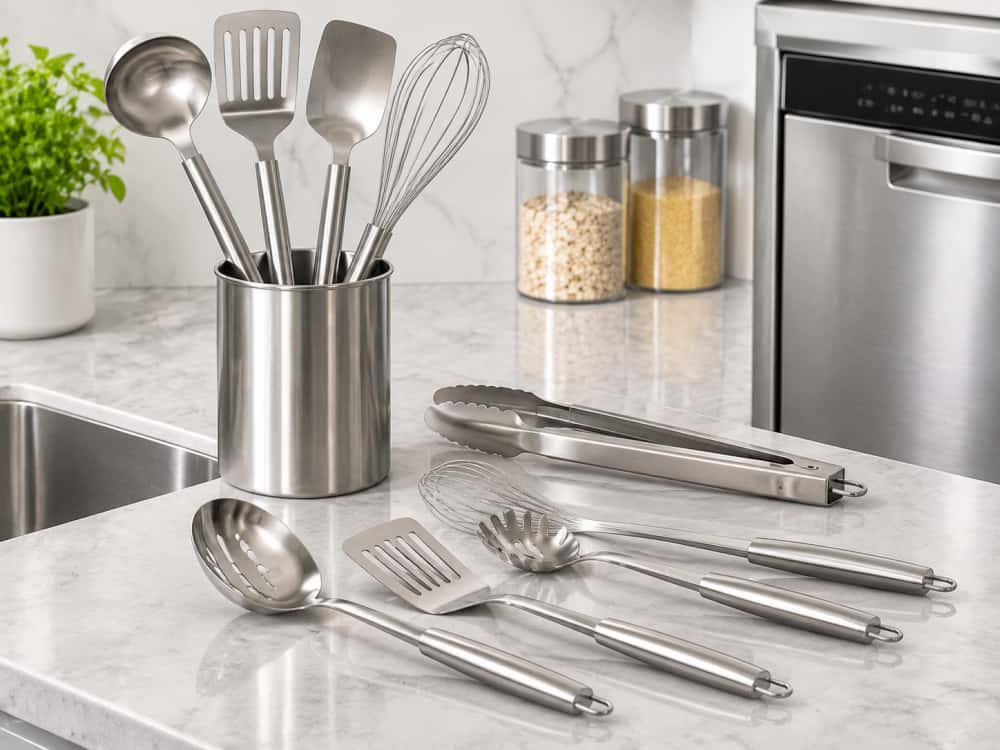
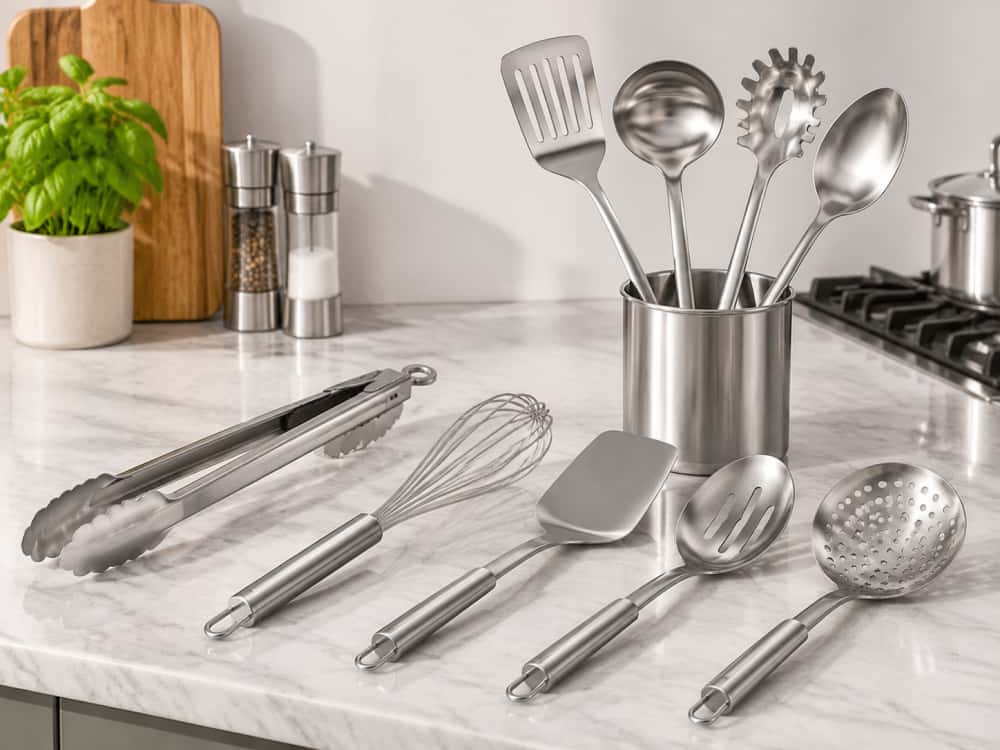
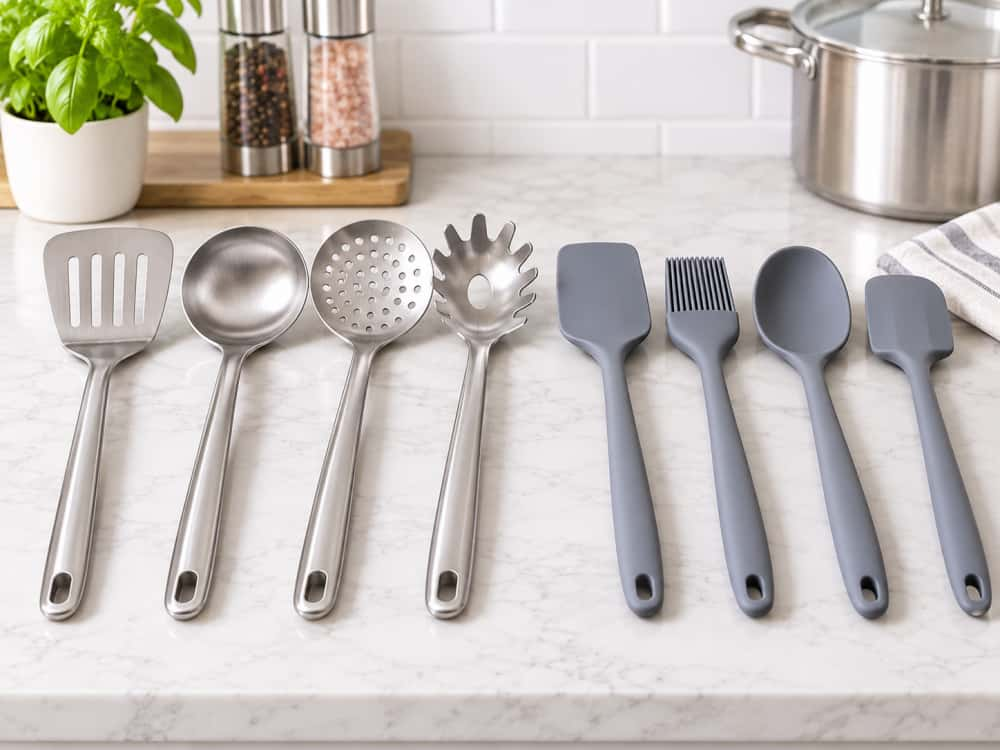
Stainless steel kitchen utensils are widely used because they are durable, practical, and resistant to corrosion. From cooking spoons and spatulas to whisks, ladles, tongs, and serving tools, stainless steel is a popular material for everyday kitchen products.
However, some people notice small brown spots, orange stains, or even visible rust on their stainless steel utensils after months of use. This often raises an important question: if stainless steel is designed to resist rust, why does it sometimes corrode?
The answer is that stainless steel is rust-resistant, not completely rust-proof. Its corrosion resistance depends on the steel grade, surface condition, cleaning habits, and surrounding environment.
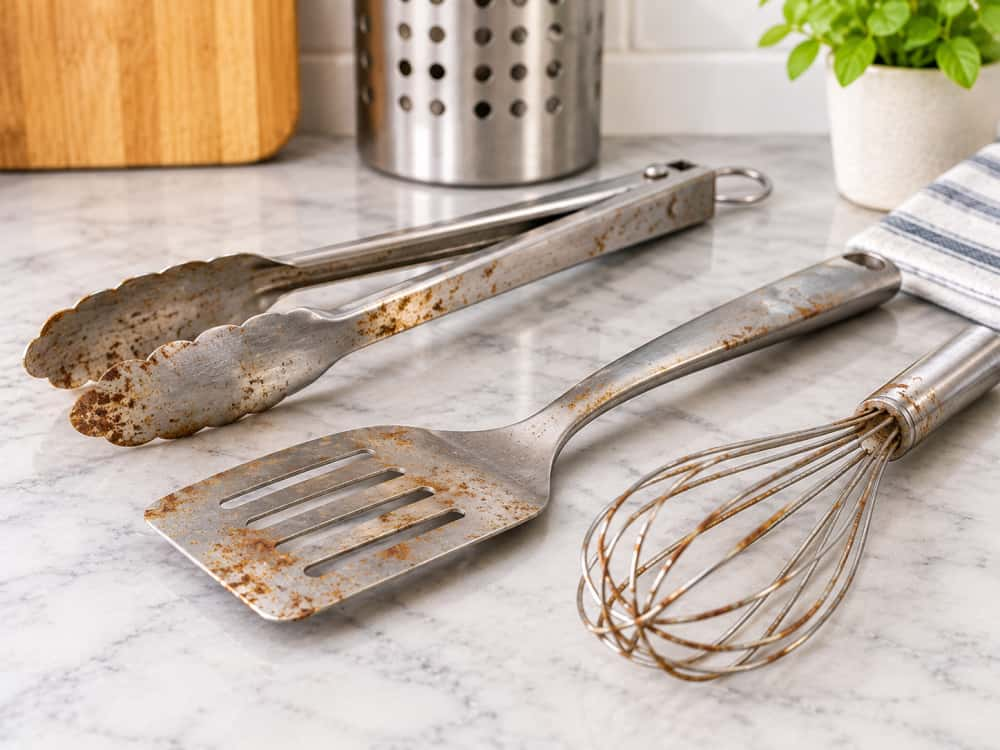
Stainless steel kitchen utensils can develop rust when their protective chromium-rich surface layer is damaged or locally weakened. Common causes include prolonged exposure to salt and chloride-containing cleaners, trapped moisture, harsh cleaning chemicals, iron contamination from other metal tools, and unsuitable stainless steel grades. Proper cleaning, drying, material selection, and manufacturing quality can significantly reduce the risk.
Why Is Stainless Steel Resistant to Rust?
To understand why stainless steel utensils rust, it helps to understand how stainless steel protects itself from corrosion.
Stainless steel contains chromium, which reacts with oxygen to form an extremely thin, transparent protective film on the metal surface. This is commonly called the passive layer or passive film.
This chromium-rich oxide layer acts as a barrier between the underlying metal and the surrounding environment. When the surface is clean and exposed to sufficient oxygen, the protective film can naturally reform if it is damaged.
This self-passivation mechanism is the main reason stainless steel performs better against corrosion than ordinary carbon steel.
Does Stainless Steel Contain Iron?
Yes. Stainless steel is an iron-based alloy. Its chromium content provides corrosion resistance, while other alloying elements, such as nickel and molybdenum, can further influence its properties.
However, the exact composition varies by grade. Different stainless steel grades therefore have different levels of corrosion resistance, strength, hardness, and formability.
This is why choosing the right material is important when manufacturing kitchen utensils.
7 Common Reasons Why Stainless Steel Kitchen Utensils Rust
Rust on stainless steel utensils does not always mean the product is poorly made. In many cases, environmental conditions or cleaning practices contribute to surface staining or corrosion.
1. Prolonged Exposure to Salt and Chlorides
Salt is one of the most common causes of localized corrosion on stainless steel surfaces.
Table salt contains sodium chloride. When salt remains on a utensil, especially in a wet environment, chloride ions can attack the passive layer and trigger localized corrosion known as pitting corrosion.
This can happen when:
- Salt residue is left on utensils after cooking.
- Salty food is allowed to dry on stainless steel surfaces.
- Utensils are stored while still wet and contaminated with food residue.
- Chloride-containing cleaning products are used improperly.
For example, a stainless steel cooking spoon used to stir a salty sauce may develop spots if it is left unwashed in the sink for a long period.
Prevention: Rinse utensils after contact with salty foods, wash them promptly, and dry them before storage.
2. Using Bleach or Harsh Chloride-Based Cleaners
Not all cleaning products are suitable for stainless steel.
Bleach and other hypochlorite-based products contain chlorine compounds that can damage the passive surface layer, particularly when they are concentrated or left in contact with stainless steel for too long.
Some strong acidic cleaners and chloride-containing chemical products can also cause staining or pitting.
For everyday kitchen cleaning, mild dishwashing detergent and clean water are generally more appropriate.
Prevention: Avoid leaving bleach, chlorine-based disinfectants, or unsuitable chemical cleaners on stainless steel utensils. Follow the product manufacturer's cleaning instructions.
3. Leaving Utensils Wet for Too Long
Moisture alone does not automatically cause stainless steel to rust. However, prolonged moisture combined with salt, food residue, and contaminants can create conditions that encourage corrosion.
Common examples include:
- Leaving utensils in a wet sink overnight.
- Storing damp cooking tools in a closed drawer.
- Allowing water to collect around handles, joints, or seams.
- Stacking wet utensils together without sufficient airflow.
Areas where moisture and food particles become trapped may be more vulnerable than smooth, exposed surfaces.
Prevention: Clean utensils after use, rinse away detergent and food residue, and allow them to dry completely before storage.
4. Contact with Ordinary Carbon Steel or Iron Particles
Sometimes, the rust visible on a stainless steel utensil does not originate from the stainless steel itself.
Small iron particles can transfer onto stainless steel surfaces through contact with ordinary steel tools, wire brushes, steel wool, or contaminated manufacturing equipment.
These particles can rust when exposed to moisture, creating brown or orange marks on the stainless steel surface.
For example, using the same steel wool pad to clean both carbon steel cookware and stainless steel utensils can transfer iron particles between surfaces.
Prevention: Use non-scratching cleaning tools intended for stainless steel. During manufacturing, keep stainless steel products separate from carbon steel grinding dust, tools, and work surfaces.
5. Choosing an Unsuitable Stainless Steel Grade
Not all stainless steel grades provide the same corrosion resistance. Selecting a grade that is unsuitable for the intended kitchen environment can increase the risk of rusting.
For example, 304 and 430 stainless steel are both commonly encountered in kitchenware, but they have different alloy compositions and corrosion performance.
Products exposed frequently to moisture, salt, and food residues need appropriate material selection rather than simply using any steel described as stainless.
Prevention: Specify the stainless steel grade according to the product's intended use, target market, and expected exposure conditions.
6. Poor Surface Finishing or Manufacturing Contamination
Manufacturing quality can influence how well stainless steel utensils resist corrosion.
Surface defects, rough areas, poorly finished joints, embedded iron particles, and residue from fabrication processes can create locations where moisture and contaminants accumulate.
For example, a cooking utensil with an unfinished joint around its handle may be harder to clean and dry than a smoothly finished product.
Prevention: Choose manufacturers that control material handling, surface finishing, cleaning, and inspection throughout production.
7. Scratches and Localized Surface Damage
Stainless steel is durable, but it is not immune to scratches or surface damage.
Using aggressive abrasive pads, rough metal brushes, or unsuitable cleaning compounds can damage the surface finish. Scratches may also trap food residue and make cleaning more difficult.
Minor surface damage does not automatically mean the utensil will rust. However, contamination and corrosive substances can make damaged or poorly cleaned areas more vulnerable.
Prevention: Use soft sponges or non-scratching cleaning pads and avoid abrasive tools that can damage the original finish.
304 vs. 430 Stainless Steel: Which Is More Resistant to Rust?
One of the most important decisions in stainless steel kitchen utensil manufacturing is selecting the right grade.
304 and 430 stainless steel are both used in kitchen-related products, but their chemical compositions and corrosion behavior are different.
| Feature | 304 Stainless Steel | 430 Stainless Steel |
|---|---|---|
| Steel Type | Austenitic stainless steel | Ferritic stainless steel |
| Chromium | Typically around 18% | Typically around 16–18% |
| Nickel | Typically contains nickel | Generally contains little or no intentional nickel addition |
| Corrosion Resistance | Generally better in many common kitchen environments | Generally lower than 304 in more aggressive chloride environments |
| Magnetic Properties | Usually non-magnetic or weakly magnetic, depending on processing | Magnetic |
| Typical Considerations | Suitable for many food-service and kitchen applications when correctly specified | Can be suitable for selected kitchen products and applications with appropriate exposure conditions |
Is 304 Stainless Steel Rust-Proof?
No. 304 stainless steel has good corrosion resistance in many everyday environments, but it is not immune to rust or corrosion.
Prolonged exposure to salt, chloride-containing cleaners, or unsuitable chemical conditions can still cause pitting and surface staining.
For kitchen utensils, 304 is often a preferred option when a balance of corrosion resistance, formability, and food-contact applications is required.
Can 430 Stainless Steel Rust?
Yes. 430 stainless steel is a ferritic stainless steel with good corrosion resistance in many mild environments, but its performance depends on the specific conditions and product design.
It may be more vulnerable than 304 to certain chloride-related corrosion conditions. It can still be appropriate for selected kitchen products when the application, finish, and maintenance requirements are considered.
How to Tell Whether Your Stainless Steel Utensils Are Rusting
Not every brown or orange mark on stainless steel indicates that the underlying metal is corroding.
Some marks are caused by external iron contamination, mineral deposits, food residue, or surface staining.
Understanding the difference can help you decide whether a utensil needs cleaning, professional inspection, or replacement.
| Appearance | Possible Cause | What to Check |
|---|---|---|
| Small orange or brown spots | Iron contamination or early localized corrosion | Check whether the marks are superficial or associated with surface pits |
| Brown stains around joints | Trapped moisture, food residue, or crevice corrosion | Inspect seams, connections, and hard-to-clean areas |
| Rainbow-colored discoloration | Heat tint or surface oxidation | Check whether the surface is smooth and free from pitting |
| Deep holes or rough pits | Localized corrosion | Inspect carefully for permanent surface damage |
| Gray or dull surface | Wear, abrasion, residue, or changes in surface finish | Check cleaning history and the condition of the original finish |
Visual inspection alone cannot always identify the exact cause of corrosion. If a utensil has deep pits, cracks, flaking material, or persistent corrosion, it should be removed from food use until its condition has been assessed.
How to Remove Rust Spots from Stainless Steel Kitchen Utensils
If you find light surface rust staining on a stainless steel utensil, you may be able to remove it with appropriate cleaning methods. The treatment depends on the severity of the stain and the utensil's surface finish.
Step 1: Wash with Mild Dish Soap
Start by washing the utensil with warm water and mild dishwashing detergent. Use a soft sponge or cloth to remove food residue and loose surface contaminants.
Step 2: Use a Suitable Stainless Steel Cleaner
If brown staining remains, use a non-abrasive cleaner specifically intended for stainless steel. Follow the cleaner's label instructions and test it on a small, inconspicuous area if the finish is decorative or coated.
Step 3: Rinse Thoroughly
Remove all cleaning product residue with clean water. Leaving chemical residue on the surface may create further staining or damage.
Step 4: Dry Completely
Use a clean, soft towel to dry the utensil. Pay particular attention to joints, seams, and handle connections.
Step 5: Inspect the Surface
Check whether the staining has disappeared and whether any pits, rough areas, or permanent surface defects remain.
If rust has penetrated the surface, caused deep pitting, or repeatedly returns, cleaning may not restore the utensil to a suitable food-contact condition. Replacement may be the safer option.
How to Prevent Stainless Steel Kitchen Utensils from Rusting
Good maintenance habits can significantly reduce the risk of rust and help stainless steel utensils retain their appearance.
1. Wash Utensils After Use
Remove food residue, salt, sauces, and acidic ingredients promptly. Do not leave utensils sitting in a sink with leftover food or salty water for extended periods.
2. Dry Before Storage
After washing, dry utensils thoroughly or allow them to air-dry in a clean, well-ventilated area. Avoid storing wet tools in enclosed drawers.
3. Avoid Chlorine-Based Cleaners
Use mild detergent for routine cleaning. Avoid prolonged contact with bleach, hypochlorite products, and other unsuitable chloride-containing chemicals.
4. Use the Right Cleaning Tools
Choose soft sponges, microfiber cloths, or non-scratching pads. Do not use cleaning tools that have been used on ordinary carbon steel if they may transfer iron particles.
5. Store Utensils Properly
Keep stainless steel kitchen tools in a dry environment. Avoid storing them in damp containers or tightly packed spaces where moisture can remain trapped.
6. Follow the Manufacturer's Care Instructions
Different stainless steel products may have different finishes, handles, joints, and decorative components. Always follow the product-specific cleaning and maintenance recommendations.
What Should Manufacturers Do to Reduce Rust Problems?
For kitchenware manufacturers, rust prevention begins long before a product reaches the consumer. Material selection, fabrication, finishing, cleaning, and quality inspection all contribute to the corrosion performance of a finished utensil.
1. Verify Stainless Steel Material Grades
Manufacturers should define the required grade in the product specification and verify incoming materials through appropriate documentation and testing.
For example, a product specification should clearly identify whether the utensil requires 304, 430, or another stainless steel grade. Generic descriptions such as "premium stainless steel" are not sufficient for reliable material control.
2. Control Manufacturing Contamination
Separate handling and fabrication areas for stainless steel and carbon steel can help reduce iron contamination.
Manufacturers should also control grinding dust, cutting debris, work surfaces, tools, and storage conditions to prevent foreign metal particles from becoming embedded in stainless steel surfaces.
3. Improve Surface Finishing
Consistent polishing and finishing can help reduce rough areas where food particles and moisture may accumulate.
Manufacturers should pay particular attention to:
- Welded and joined areas
- Handle connections
- Edges and corners
- Stamped or formed surfaces
- Areas that are difficult to clean
4. Apply Appropriate Cleaning and Passivation Processes
After fabrication, stainless steel products may require cleaning to remove manufacturing residues and free iron contamination. In some applications, a specified chemical passivation treatment may also be used to support the formation of the protective passive surface.
However, passivation is not a substitute for selecting the correct steel grade, controlling fabrication quality, or designing a product that can be cleaned properly.
5. Establish Quality Inspection Procedures
Quality control should cover more than appearance. Depending on the product and market requirements, manufacturers may need to verify:
- Material identity and traceability
- Surface finish and visible defects
- Weld and joint quality
- Cleaning and finishing consistency
- Relevant corrosion or performance test results
- Food-contact compliance documentation for the intended market
These controls are particularly important for products intended for repeated food contact and distribution in international markets.
How B2B Buyers Can Choose Reliable Stainless Steel Kitchen Utensil Suppliers
For importers, wholesalers, retailers, and private-label brands, selecting a stainless steel kitchen utensil supplier involves more than comparing prices and product designs.
Rust complaints can affect customer satisfaction, product returns, and brand reputation. Buyers should therefore evaluate material and manufacturing quality before placing large orders.
Here are five important questions to ask a potential supplier:
1. What Stainless Steel Grade Is Used?
Ask for the exact material specification rather than accepting a general claim that the product is made from stainless steel. Confirm whether different components, such as handles and functional parts, use different materials.
2. Can the Supplier Provide Material Documentation?
Depending on the project, buyers may request material certificates, supplier declarations, test reports, or independent verification of the steel grade.
3. How Are Products Finished and Cleaned?
Ask about polishing, deburring, cleaning, and any passivation processes used where applicable. These steps can influence surface condition and manufacturing consistency.
4. Are Corrosion Tests Available?
When corrosion resistance is important to the application, buyers can discuss suitable testing methods and acceptance criteria with the supplier or an independent laboratory.
Test conditions should reflect the intended product and market. A single test result should not be interpreted as proof that a utensil can never rust in every household environment.
5. Does the Supplier Have a Consistent Quality Control System?
Evaluate incoming material inspection, in-process checks, finished product inspection, packaging, and batch traceability. Approving a production sample before mass manufacturing is also a practical way to align quality expectations.
Frequently Asked Questions About Stainless Steel Utensil Rust
Can stainless steel kitchen utensils rust?
Yes. Stainless steel is corrosion-resistant, but not completely rust-proof. Salt, chlorides, unsuitable cleaning chemicals, iron contamination, poor surface conditions, and unsuitable material grades can cause staining or corrosion.
Why are my stainless steel utensils getting brown spots?
Brown spots may result from iron contamination, dried food residue, mineral deposits, or localized corrosion. Clean the surface with a suitable non-abrasive stainless steel cleaner and inspect it for pits or permanent damage.
Does 304 stainless steel rust?
Yes, 304 stainless steel can still develop rust staining or pitting under aggressive conditions, particularly with prolonged exposure to chloride-containing substances. It is more corrosion-resistant than many common stainless steel alternatives in a range of everyday environments, but it is not immune to corrosion.
Is 430 stainless steel more likely to rust than 304?
In many chloride-containing environments, 430 generally has lower corrosion resistance than 304. However, actual performance depends on the alloy composition, surface finish, product design, and exposure conditions.
Does salt make stainless steel rust?
Salt contains chloride ions that can weaken the protective passive layer and cause localized pitting corrosion, particularly when salt residue remains wet on the surface for a prolonged period.
Can stainless steel utensils go in the dishwasher?
Many stainless steel utensils are dishwasher-safe, but this depends on the product design, grade, finish, handle materials, and manufacturer's instructions. Rinse away salty or acidic food residue and avoid unsuitable chlorine-based cleaning products.
Can I use vinegar to remove rust from stainless steel?
Vinegar is acidic and should not be treated as a universal rust-removal solution for kitchen utensils. Use a cleaner specifically intended for the product's stainless steel finish and follow its instructions. Avoid prolonged exposure to unsuitable acids.
Should I continue using stainless steel utensils with rust spots?
Light surface staining may be removable, but deep pitting, cracks, rough corrosion, or recurring rust can make a utensil difficult to clean properly. If the damage is significant, stop using it for food contact and consider replacing it.
Conclusion: Stainless Steel Is Rust-Resistant, Not Rust-Proof
Stainless steel kitchen utensils are popular because they combine durability, practicality, and corrosion resistance. However, their performance depends on more than the name of the material.
Rust and corrosion can develop when chloride-containing substances attack the passive layer, moisture and food residue remain on the surface, iron particles contaminate the metal, or the selected steel grade is unsuitable for the application.
For consumers, proper cleaning, drying, and storage can help prevent many common rust problems. For kitchenware brands and B2B buyers, selecting suitable materials and working with manufacturers that control surface finishing, fabrication, and quality inspection are equally important.
Looking for Reliable Stainless Steel Kitchen Utensil Manufacturing?
Kitlucy supports kitchenware brands, wholesalers, distributors, and retailers with OEM and private-label product development solutions.
Whether you are developing stainless steel cooking utensils, complete kitchen utensil sets, or customized kitchenware products, our team can help you discuss material specifications, product design, and manufacturing requirements.
Explore our customization services or contact Kitlucy to discuss your next project.
Related Blogs