What Type of Cutting Board is Best?A Complete Guide for Home & Professional Kitchens
What Type of Cutting Board Is Best? Complete Guide for Modern Kitchens
Choosing the best cutting board is more important than many people realize. A high-quality cutting board improves food safety, protects knife edges, enhances kitchen efficiency, and supports better cooking hygiene.
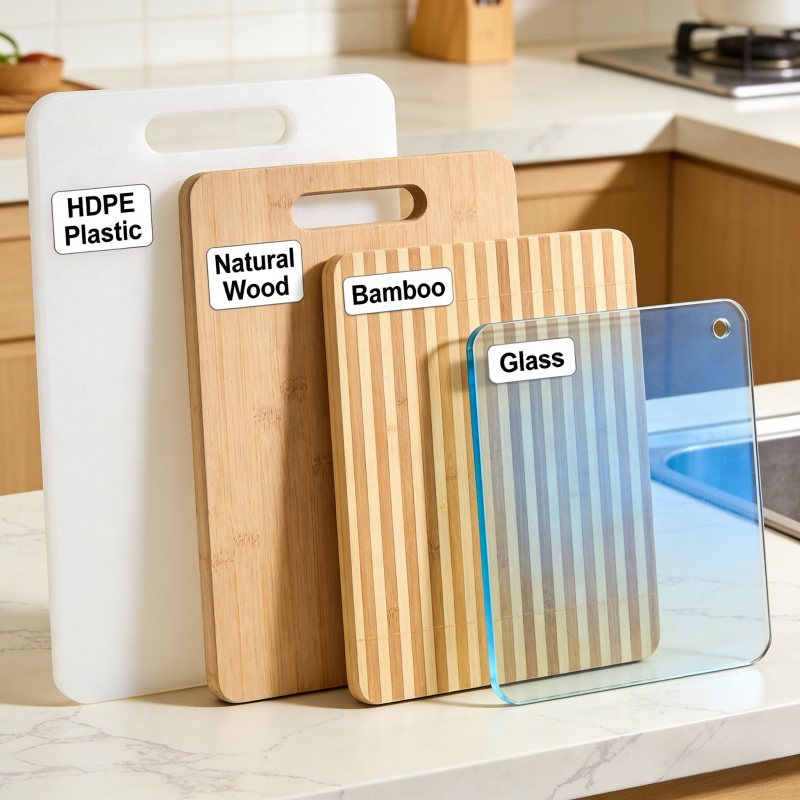
Today’s market offers many cutting board materials including wood, plastic, bamboo, and composite fiber boards. Each type has different advantages depending on cooking habits, kitchen style, maintenance preferences, and food preparation needs.

The best type of cutting board depends on your kitchen needs. Wood cutting boards are excellent for knife protection, plastic boards are easy to sanitize, bamboo offers eco-friendly benefits, and composite boards balance durability with low maintenance.
Why Choosing the Right Cutting Board Matters
Cutting boards directly affect food hygiene, knife longevity, and cooking convenience. The wrong material may dull knives quickly, trap bacteria, or become difficult to maintain over time.
- Food safety and hygiene
- Knife edge protection
- Moisture resistance
- Ease of cleaning
- Durability during daily use
- Kitchen organization and efficiency
Both home cooks and professional chefs increasingly choose cutting boards based on material performance and long-term durability.
Wood Cutting Boards
Advantages of Wood Cutting Boards
Wood cutting boards remain one of the most popular choices for premium kitchens. Materials like maple, walnut, and acacia are known for their durability and natural appearance.
- Gentle on knife edges
- Natural self-healing surface
- Premium kitchen appearance
- Long lifespan with proper care
Disadvantages of Wood Cutting Boards
- Requires regular oil maintenance
- Not dishwasher safe
- Can absorb moisture if poorly maintained
Many professional chefs prefer wood because it helps preserve knife sharpness better than harder materials.
Plastic Cutting Boards
Advantages of Plastic Cutting Boards
Plastic cutting boards are widely used in households and commercial kitchens because they are lightweight, affordable, and easy to sanitize.
Modern plastic cutting board collections now include non-slip surfaces, juice grooves, foldable designs, and color-coded systems for improved kitchen safety.
- Dishwasher safe
- Easy to clean
- Affordable and lightweight
- Suitable for color-coded food prep
- Moisture resistant
Disadvantages of Plastic Cutting Boards
- Deep knife grooves may trap bacteria
- Can develop microplastic wear over time
- May dull knives faster than wood
The USDA states that both plastic and wood cutting boards can be safely used for food preparation when properly cleaned and maintained.
Bamboo Cutting Boards
Why Bamboo Is Popular
Bamboo cutting boards have become increasingly popular because they are considered more eco-friendly than some traditional materials.
- Fast-growing renewable material
- Lightweight design
- Natural appearance
- Lower moisture absorption than some woods
Potential Drawbacks
Bamboo boards are typically harder than traditional hardwood cutting boards, which may affect knife edges slightly faster during long-term use.
Composite & Fiber Cutting Boards
Composite cutting boards are made from compressed wood fibers or resin-based materials. They combine some advantages of wood and plastic boards.
- Thin and lightweight
- Dishwasher safe
- Heat resistant
- Modern appearance
Composite boards are increasingly used in premium kitchens because of their balance between durability and convenience.
Cutting Board Material Comparison
| Material | Knife Friendly | Maintenance | Durability | Food Safety |
|---|---|---|---|---|
| Wood | Excellent | Medium | High | High |
| Plastic | Good | Easy | Medium to High | High |
| Bamboo | Medium | Low | High | High |
| Composite | Good | Easy | High | High |
Which Cutting Board Is Best for Different Uses?
Best for Professional Kitchens
Commercial kitchens often prefer food-grade plastic cutting boards because they are easy to sanitize and compatible with HACCP food safety systems.
Best for Home Kitchens
Wood and bamboo cutting boards are popular for home kitchens due to their appearance and knife-friendly surfaces.
Best for Raw Meat Preparation
Plastic cutting boards are commonly recommended for raw meat because they can be cleaned and sanitized more easily.
Best for Eco-Friendly Kitchens
Bamboo and sustainable wood cutting boards are widely chosen by environmentally conscious consumers.
Important Features to Look For
- Non-slip edges
- Juice grooves
- Food-grade certification
- Knife-friendly surface
- Easy cleaning and maintenance
- Proper thickness for stability
How Often Should You Replace a Cutting Board?
Cutting boards should be replaced when they develop:
- Deep grooves
- Cracks or warping
- Persistent odors
- Mold or discoloration
- Severe surface wear
Replacing damaged cutting boards helps maintain better kitchen hygiene and food safety.
Modern Trends in Cutting Boards
Modern kitchenware buyers increasingly prefer:
- Eco-friendly materials
- Non-slip designs
- Foldable cutting boards
- Color-coded food prep systems
- OEM custom cutting board solutions
Kitchen brands are also focusing more on sustainable materials and multifunctional cutting board designs.
Frequently Asked Questions
What type of cutting board is safest?
Both wood and food-grade plastic cutting boards are considered safe when properly cleaned and maintained.
Do plastic cutting boards harbor bacteria?
Deep grooves on worn plastic boards can trap bacteria, which is why regular replacement is important.
Are bamboo cutting boards better than wood?
Bamboo is more sustainable and lightweight, while hardwood boards are generally more knife-friendly.
Which cutting board do chefs prefer?
Many chefs prefer wood cutting boards for knife protection, while commercial kitchens often use plastic boards for sanitation convenience.
Conclusion
The best type of cutting board depends on your cooking habits, maintenance preferences, and kitchen environment. Wood boards offer premium appearance and knife protection, plastic boards provide easy cleaning and sanitation, bamboo supports eco-friendly kitchens, and composite boards balance durability with convenience.
Choosing the right cutting board helps improve food safety, cooking efficiency, and overall kitchen performance.
Looking for Professional Cutting Board Solutions?
Kitlucy offers food-grade plastic, bamboo, and multifunctional cutting boards with OEM and private label solutions for global wholesalers, retailers, and kitchenware brands.
Related Blogs