Clear Plastic Cutting Board: The Complete Buying Guide (2026)
Clear Plastic Cutting Board: The Complete Buying Guide (2026)
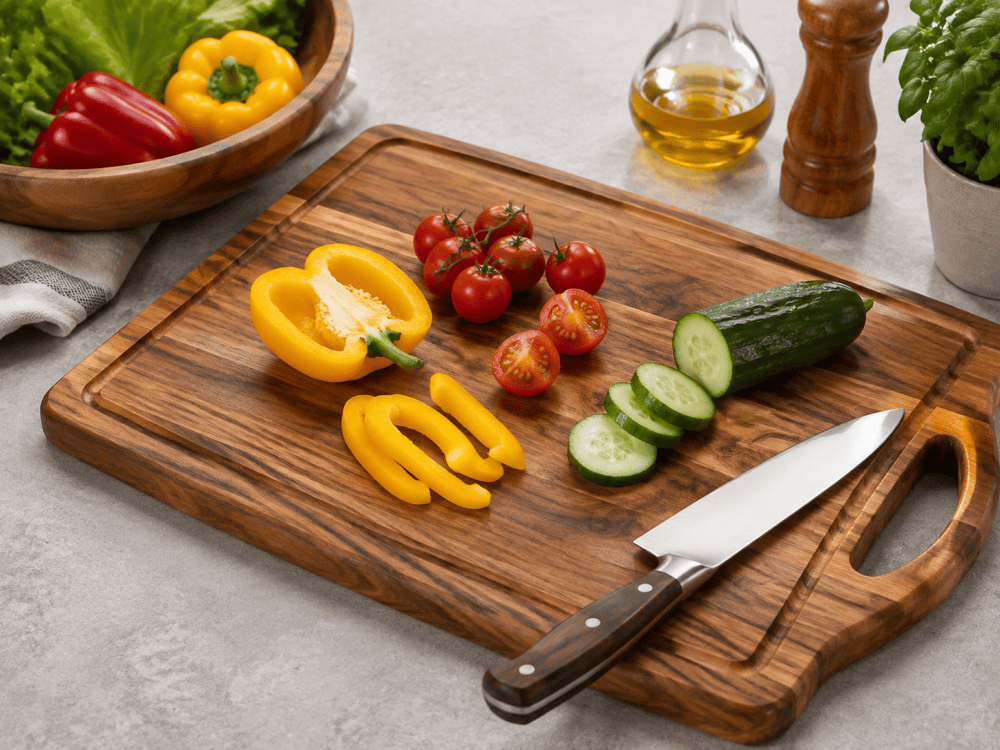
A clear plastic cutting board has become one of the fastest-growing kitchen accessories in recent years. Thanks to its clean appearance, modern aesthetic, and easy-to-inspect surface, transparent cutting boards have gained popularity among home cooks, professional chefs, food bloggers, and commercial kitchens alike.
Unlike traditional wooden cutting boards or colored plastic boards, a clear cutting board makes it easy to spot food residue, stains, and leftover moisture immediately after use. This helps improve food safety while complementing contemporary kitchen designs.
However, many buyers don't realize that not every clear plastic cutting board is made from the same material. Some are manufactured from food-grade HDPE, while others use acrylic, polypropylene, or polycarbonate—each with different performance, durability, and knife-friendliness.
In this comprehensive guide, you'll learn:
- What a clear plastic cutting board is
- The differences between HDPE, acrylic, PP, and polycarbonate
- Whether transparent cutting boards are food safe
- How different materials affect knife sharpness
- Which type is best for home kitchens and commercial use
- How to clean, maintain, and extend the life of your cutting board
- What to look for before buying one
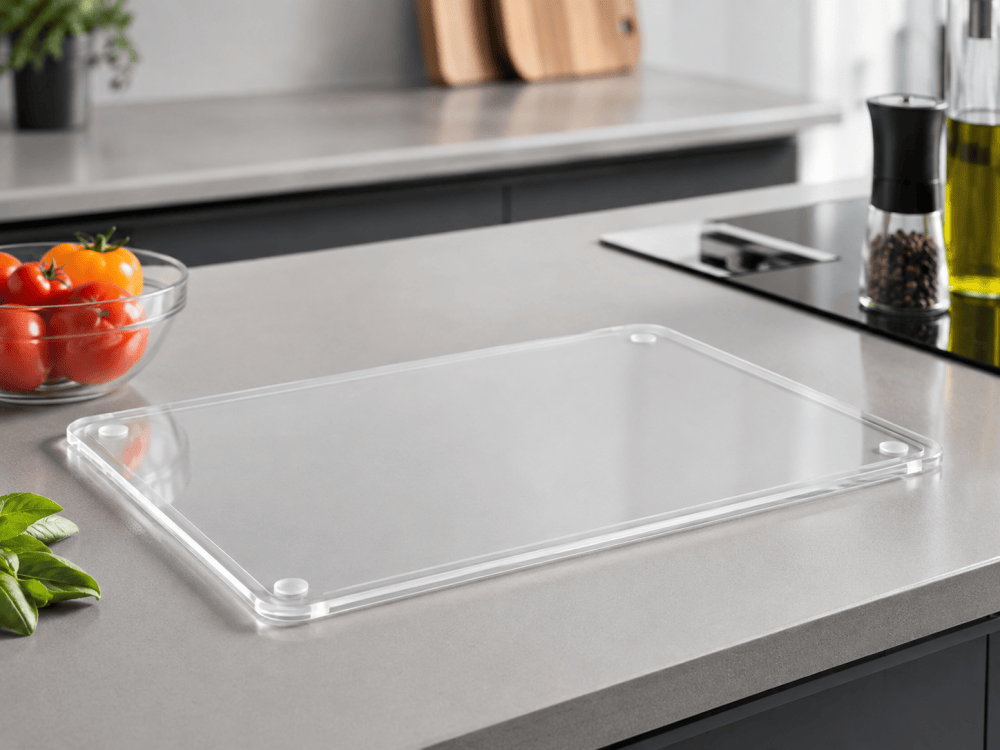
While many people assume every transparent cutting board is made from acrylic, most food-grade commercial cutting boards are actually manufactured from HDPE (High-Density Polyethylene). HDPE offers the best balance of food safety, durability, impact resistance, and knife protection, making it the preferred material for restaurants and professional kitchens worldwide.
What Is a Clear Plastic Cutting Board?
A clear plastic cutting board is a cutting surface made from transparent or semi-transparent food-grade plastic materials. Unlike wooden cutting boards, which feature visible natural grain, transparent plastic boards provide a smooth, clean appearance that allows users to inspect the surface more easily after food preparation.
Although commonly referred to as "clear plastic cutting boards," products on the market are actually manufactured from several different plastics, each offering unique advantages and limitations.
| Material | Transparency | Food Safe | Typical Applications |
|---|---|---|---|
| HDPE | Semi-transparent | ★★★★★ | Commercial kitchens, restaurants, food processing |
| Polypropylene (PP) | Translucent | ★★★★★ | Household cutting boards |
| Acrylic (PMMA) | Crystal clear | ★★★★☆ | Kitchen countertop protectors, serving boards |
| Polycarbonate (PC) | Clear | ★★★★★ | Industrial and specialty food equipment |
Understanding these material differences is essential because transparency alone does not determine cutting performance. Material hardness, flexibility, scratch resistance, and food-contact certification all influence how a cutting board performs in everyday use.
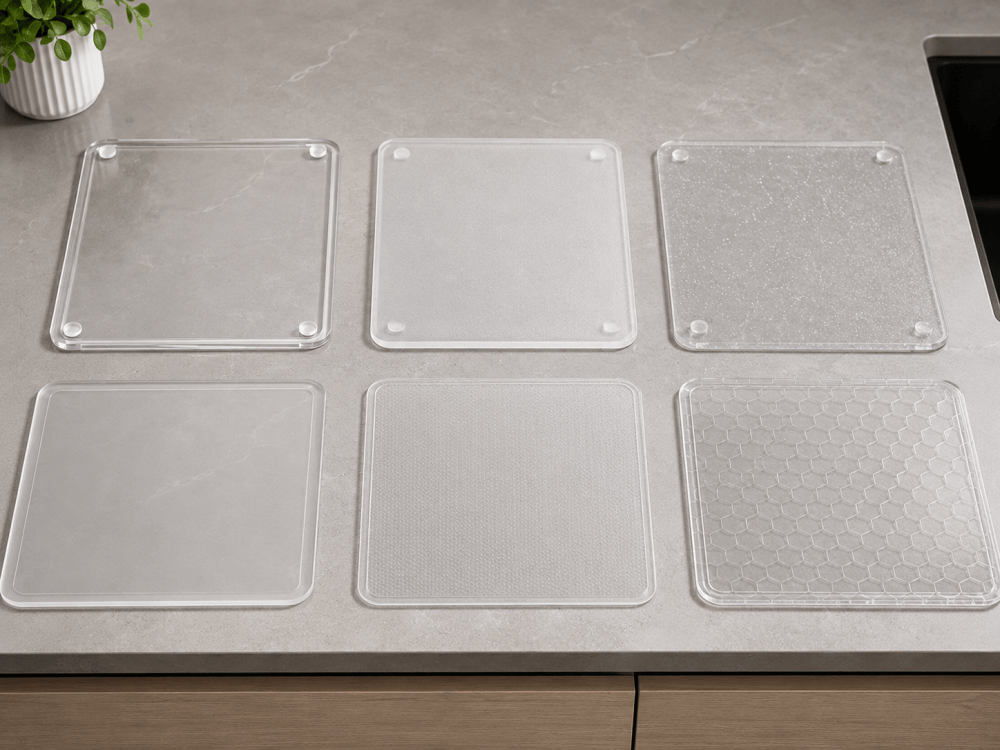
Why Are Clear Plastic Cutting Boards Becoming So Popular?
Consumer preferences have shifted dramatically toward minimalist kitchens, open shelving, and modern countertop designs. As a result, transparent kitchen accessories have become increasingly popular because they blend seamlessly into almost any interior style.
Beyond aesthetics, clear cutting boards also provide several practical advantages that explain their growing popularity among homeowners and commercial kitchens.
1. Easy Visual Inspection
Because the board is transparent, leftover food particles, grease, juice, or stains are easier to identify after cooking. This encourages more thorough cleaning and helps improve kitchen hygiene.
2. Modern Kitchen Appearance
Unlike brightly colored plastic boards, clear cutting boards complement marble countertops, quartz islands, wooden worktops, and stainless steel kitchens without disrupting the overall design.
3. Better Food Safety Awareness
Transparent surfaces make it easier to notice contamination before preparing another ingredient, reducing the risk of cross-contamination between raw meat, seafood, vegetables, and ready-to-eat foods.
4. Lightweight Yet Durable
Compared with thick wooden chopping boards, most plastic boards are lighter and easier to carry, clean, and store.
5. Suitable for Multiple Kitchen Tasks
- Vegetable preparation
- Fruit cutting
- Meat trimming
- Seafood preparation
- Bread slicing
- Pastry work
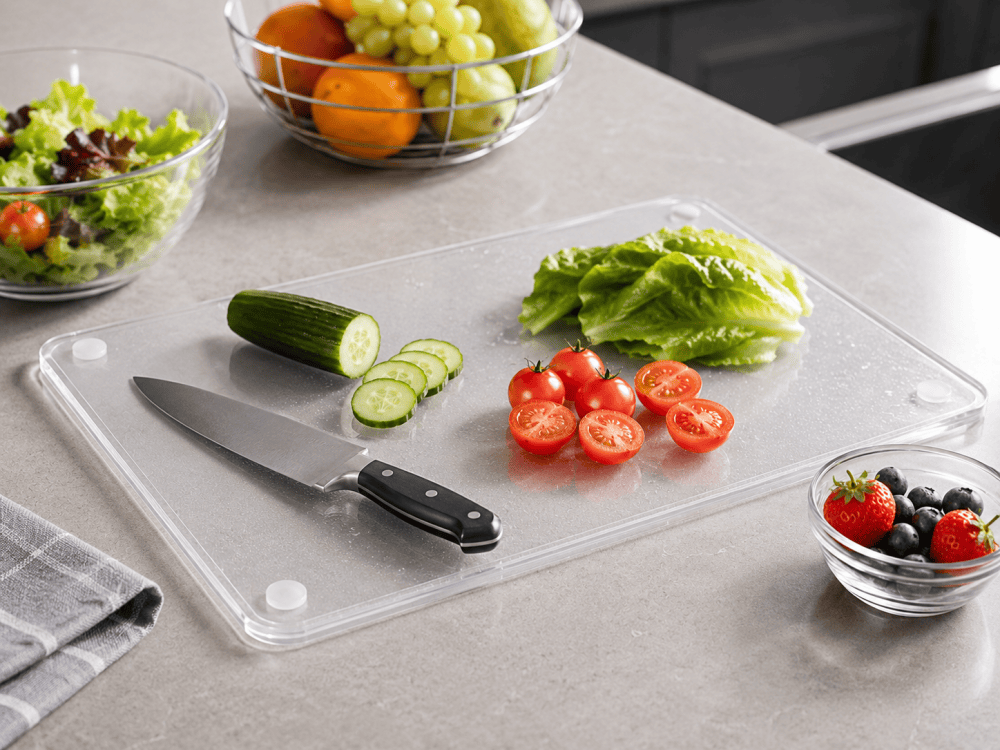
Clear Plastic Cutting Board vs Traditional Cutting Boards
Many buyers compare transparent plastic cutting boards with wood, bamboo, HDPE, and glass boards before making a purchase. Each material has its own strengths depending on cooking habits and maintenance preferences.
| Feature | Clear Plastic | Wood | Bamboo | Glass |
|---|---|---|---|---|
| Food Safety | ★★★★★ | ★★★★☆ | ★★★★☆ | ★★★★★ |
| Knife Friendliness | ★★★★☆ | ★★★★★ | ★★★★☆ | ★☆☆☆☆ |
| Cleaning Ease | ★★★★★ | ★★★☆☆ | ★★★☆☆ | ★★★★★ |
| Dishwasher Safe | Most models | No | No | Yes |
| Maintenance | Low | High | Medium | Very Low |
| Commercial Use | Excellent | Limited | Limited | Rare |
If you prioritize hygiene, easy maintenance, and everyday practicality, a food-grade HDPE clear plastic cutting board is usually the best choice. If preserving knife edges is your highest priority, a premium end-grain wooden cutting board remains the gold standard.
Are Clear Plastic Cutting Boards Safe for Food?
Yes—provided they are manufactured from certified food-grade materials.
The safest clear plastic cutting boards comply with international food-contact regulations such as FDA, LFGB, or NSF standards. These certifications ensure that the material does not release harmful chemicals into food during normal kitchen use.
However, not every transparent plastic board sold online is designed specifically for food preparation. Some inexpensive acrylic boards are intended as decorative countertop protectors rather than cutting surfaces, which is why understanding material selection is so important.
The next section explains the major material differences between HDPE, acrylic, polypropylene, and polycarbonate, helping you choose the right clear plastic cutting board for your kitchen.
HDPE vs Acrylic vs Polypropylene: Which Material Is Best?
One of the biggest misconceptions about a clear plastic cutting board is that all transparent boards are made from the same material. In reality, manufacturers use several different plastics depending on the intended application, production cost, and desired appearance.
Choosing the right material directly affects food safety, durability, knife performance, and product lifespan.
| Property | HDPE | Acrylic (PMMA) | Polypropylene (PP) | Polycarbonate (PC) |
|---|---|---|---|---|
| Food Contact Safety | ★★★★★ | ★★★★☆ | ★★★★★ | ★★★★★ |
| Transparency | ★★★☆☆ | ★★★★★ | ★★★☆☆ | ★★★★☆ |
| Impact Resistance | ★★★★★ | ★★☆☆☆ | ★★★★☆ | ★★★★★ |
| Scratch Resistance | ★★★★☆ | ★★☆☆☆ | ★★★☆☆ | ★★★★☆ |
| Knife Friendliness | ★★★★★ | ★★☆☆☆ | ★★★★☆ | ★★★☆☆ |
| Commercial Kitchen Use | Excellent | Rare | Good | Special Applications |
Although acrylic offers the highest transparency, it is significantly harder than HDPE and can chip or crack under repeated chopping. For this reason, most commercial food-service businesses choose HDPE instead of acrylic.
Polypropylene provides a cost-effective alternative for household use, while polycarbonate is mainly used where exceptional impact resistance is required rather than as a primary cutting surface.

If your goal is everyday food preparation, HDPE remains the industry standard. Acrylic is better suited for countertop protection, decorative serving, or light-duty food preparation rather than heavy chopping.
Advantages of a Clear Plastic Cutting Board
Clear plastic cutting boards continue gaining popularity because they combine practical functionality with a clean, contemporary appearance. Compared with traditional cutting boards, they provide several advantages that appeal to both homeowners and commercial kitchens.
Excellent Kitchen Hygiene
A transparent surface makes food residue much easier to spot. Juice from raw meat, vegetable fragments, herbs, or spices can be identified immediately after cooking, encouraging more thorough cleaning.
Water Resistant
Unlike wooden boards that naturally absorb some moisture, food-grade plastic boards have a non-porous surface that resists water penetration, reducing the likelihood of swelling, cracking, or warping.
Low Maintenance
- No oiling required
- No waxing required
- No sanding necessary
- Easy everyday cleaning
- Suitable for frequent washing
Lightweight and Portable
Most clear plastic cutting boards weigh significantly less than thick hardwood butcher blocks, making them easier to lift, wash, and store.
Affordable Long-Term Value
Compared with premium maple or walnut cutting boards, plastic boards generally cost less while providing many years of reliable daily performance when properly maintained.

Disadvantages You Should Know Before Buying
Although clear plastic cutting boards have many advantages, they are not perfect. Understanding their limitations helps buyers select the most appropriate cutting surface for their cooking style.
Visible Knife Marks
Because the surface is transparent, scratches become more noticeable over time than on colored cutting boards. Deep grooves may eventually require board replacement.
Frequent washing, knife contact, and dishwasher cycles can gradually reduce transparency, especially for lower-quality materials.
Not Self-Healing
Unlike end grain wooden cutting boards, plastic surfaces do not close after being cut. Knife grooves remain visible and accumulate with repeated use.
Heat Sensitivity
Plastic cutting boards should never be used as trivets or placed directly under hot cookware. Excessive heat may deform the board permanently.
| Pros | Cons |
|---|---|
| Easy to clean | Visible scratches |
| Modern appearance | Can become cloudy over time |
| Food-safe materials available | Not suitable for high temperatures |
| Lightweight | Requires replacement after heavy wear |
| Affordable | Less premium appearance than hardwood |
Does a Clear Plastic Cutting Board Damage Knives?
Knife friendliness is one of the most common concerns among buyers. Fortunately, the answer depends more on the material than on the board's transparency.
| Material | Effect on Knife Edge |
|---|---|
| HDPE | Excellent — gentle on blades |
| Polypropylene | Good |
| Polycarbonate | Moderate |
| Acrylic | Poor — relatively hard on knife edges |
| Glass | Very Poor — not recommended |
Professional chefs generally recommend HDPE because its slightly softer surface cushions the blade during cutting, helping preserve edge sharpness while still providing excellent durability.
Even the best plastic cutting board should be replaced once deep knife grooves become difficult to clean. A smooth cutting surface is essential for maintaining food safety.
How Thick Should a Clear Plastic Cutting Board Be?
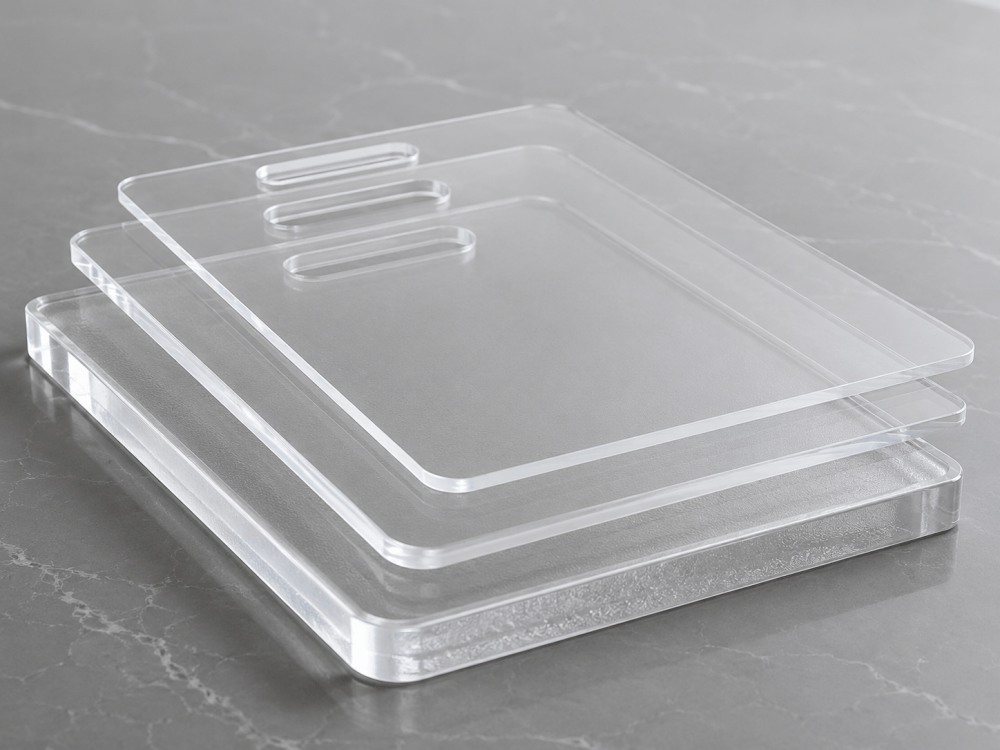
Board thickness affects stability, durability, and user experience. Thicker boards are generally preferred for heavy-duty chopping, while thinner boards are suitable for light kitchen tasks.
| Thickness | Recommended Use |
|---|---|
| 5–8 mm | Fruit, snacks, light food prep |
| 10–12 mm | Everyday household cooking |
| 15–20 mm | Professional kitchens |
| 20 mm+ | Heavy commercial food preparation |
For most households, a thickness of approximately 10–12 mm provides the best balance between durability, weight, and storage convenience. Commercial kitchens often choose thicker boards to withstand continuous daily use.
Where Are Clear Plastic Cutting Boards Commonly Used?
Thanks to their hygienic surface and versatile design, clear plastic cutting boards are used across a wide range of food preparation environments.
- Home kitchens
- Professional restaurants
- Hotels
- Catering services
- Food factories
- Bakery production
- Cooking schools
- Meal preparation businesses
Many restaurants also pair transparent cutting boards with color-coded systems, assigning separate boards to vegetables, seafood, poultry, cooked foods, and raw meat to minimize cross-contamination.
How to Clean a Clear Plastic Cutting Board Properly
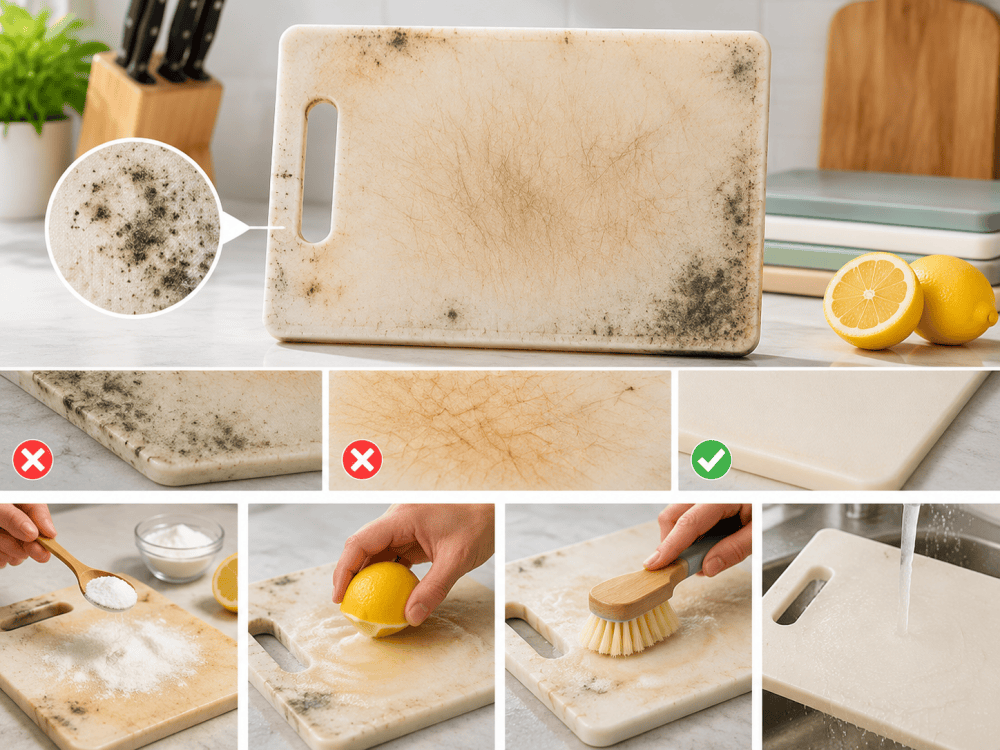
Proper cleaning is essential for maintaining the hygiene and lifespan of any clear plastic cutting board. Although food-grade plastics such as HDPE and polypropylene are non-porous, knife grooves can still trap food particles over time if the board is not cleaned thoroughly.
Cleaning your cutting board immediately after each use not only reduces bacterial growth but also helps maintain its transparent appearance.
Daily Cleaning Steps
- Rinse away loose food particles with warm water.
- Wash both sides using mild dish soap and a soft sponge.
- Pay extra attention to knife grooves where food residue may collect.
- Rinse thoroughly with clean water.
- Dry completely with a clean towel or allow the board to air dry vertically.
Sanitizing After Preparing Raw Meat
If you use your plastic cutting board for raw meat, poultry, or seafood, sanitizing the surface is recommended after every use.
- Diluted white vinegar
- Food-safe sanitizing spray
- Diluted bleach solution (following food safety guidelines)
- Commercial dishwasher (if the board is dishwasher safe)
Professional kitchens often use separate cutting boards for raw meat, seafood, vegetables, cooked foods, and fruit. This simple practice significantly reduces the risk of cross-contamination.
How to Remove Scratches and Cloudiness
Over time, every plastic cutting board develops knife marks. While light scratches are normal, deep grooves can affect both appearance and hygiene.
For Light Scratches
- Wash thoroughly to remove food residue.
- Use a plastic-safe polishing compound if recommended by the manufacturer.
- Avoid abrasive steel wool that may create additional scratches.
For Deep Knife Grooves
Once deep grooves become difficult to clean, replacing the cutting board is usually safer than attempting repairs. Commercial kitchens often replace heavily worn boards on a regular schedule to maintain food safety standards.
How to Prevent Cloudiness
- Avoid prolonged exposure to high temperatures.
- Do not place hot cookware directly on the board.
- Use gentle cleaning tools instead of abrasive pads.
- Store the board in a dry, ventilated area.
How to Choose the Best Clear Plastic Cutting Board
With hundreds of products available online, choosing the right clear plastic cutting board can be challenging. Focusing on a few key factors will help you select a board that is safe, durable, and suitable for your cooking style.
| Buying Factor | Recommendation |
|---|---|
| Material | Choose food-grade HDPE whenever possible. |
| Thickness | 10–12 mm for home use; 15 mm+ for commercial kitchens. |
| Surface | Lightly textured for improved grip. |
| Certification | FDA, LFGB, or NSF compliant. |
| Non-slip Design | Rubber feet or anti-slip edges improve stability. |
| Juice Groove | Helpful when preparing meat or juicy fruits. |
| Weight | Heavy enough for stability but easy to carry. |
| Dishwasher Compatibility | Recommended for easy maintenance. |
Who Should Buy a Clear Plastic Cutting Board?
A clear plastic cutting board is suitable for a wide range of users, especially those who value cleanliness, convenience, and a modern kitchen aesthetic.
- Home cooks preparing meals every day
- Professional chefs and restaurant kitchens
- Food bloggers and recipe creators
- Bakery and pastry professionals
- Catering companies
- Hotels and hospitality businesses
- Kitchenware retailers and distributors
Frequently Asked Questions
Are clear plastic cutting boards safe?
Yes. As long as they are manufactured from certified food-grade materials such as HDPE or polypropylene, clear plastic cutting boards are considered safe for direct food contact.
What is the best material for a clear plastic cutting board?
HDPE (High-Density Polyethylene) is widely regarded as the best choice because it offers an excellent balance of food safety, durability, impact resistance, and knife friendliness.
Is acrylic good for cutting food?
Acrylic provides exceptional transparency but is harder and more brittle than HDPE. It is better suited for serving boards or countertop protection than heavy chopping.
Do clear plastic cutting boards dull knives?
High-quality HDPE boards are gentle on knife edges. Acrylic and glass surfaces are considerably harder and may dull knives more quickly.
Can a plastic cutting board go in the dishwasher?
Many HDPE and polypropylene cutting boards are dishwasher safe, but always check the manufacturer's care instructions before washing.
How often should I replace a plastic cutting board?
Replace the board once deep knife grooves become difficult to clean or if cracks develop. Heavy commercial kitchens often replace boards more frequently than home users.
Should I use separate cutting boards for meat and vegetables?
Yes. Using dedicated cutting boards for raw meat and ready-to-eat foods is one of the simplest and most effective ways to reduce cross-contamination.
Is a wooden cutting board better than plastic?
Both have advantages. Wooden boards are generally more knife-friendly and visually appealing, while plastic boards are easier to sanitize and require less maintenance.
What size cutting board is best?
For most home kitchens, a board measuring approximately 15 × 20 inches provides ample workspace while remaining easy to clean and store.
Can clear plastic cutting boards be customized?
Yes. Many manufacturers offer OEM and private label services, including custom dimensions, colors, logos, packaging, and non-slip features for retailers and distributors.
Final Thoughts
A high-quality clear plastic cutting board combines modern aesthetics with practical performance. When manufactured from food-grade HDPE or polypropylene, it provides a hygienic, durable, and low-maintenance cutting surface suitable for both home kitchens and commercial food preparation.
Rather than choosing based solely on appearance, buyers should consider material type, thickness, food safety certification, and intended use. Investing in a well-designed cutting board improves not only kitchen efficiency but also long-term food safety.
Looking for a Trusted Clear Plastic Cutting Board Manufacturer?
Kitlucy specializes in manufacturing premium food-grade plastic cutting boards for global brands, wholesalers, and retailers. We offer OEM and private label solutions, custom sizes, logo printing, packaging design, and strict quality control to meet international food safety standards. Whether you're developing a new kitchenware collection or sourcing reliable products in bulk, our experienced team is ready to support your business.
Related Blogs