Is Acacia Wood Good for Cutting Boards? Complete Pros, Cons & Buying Guide
Is Acacia Wood Good for Cutting Boards? Complete Pros, Cons & Buying Guide
Choosing the right cutting board material is important for kitchen safety, durability, knife performance, and product value. Among different types of wooden cutting boards, acacia wood has become increasingly popular because of its natural beauty, strength, and excellent performance.
But is acacia wood good for cutting boards?
The answer is yes. Acacia wood is considered one of the best choices for premium cutting boards because it provides a good balance between durability, moisture resistance, appearance, and usability.
However, like every material, acacia wood also has advantages and limitations. Understanding its features can help consumers, kitchenware brands, and wholesale buyers make better purchasing decisions.
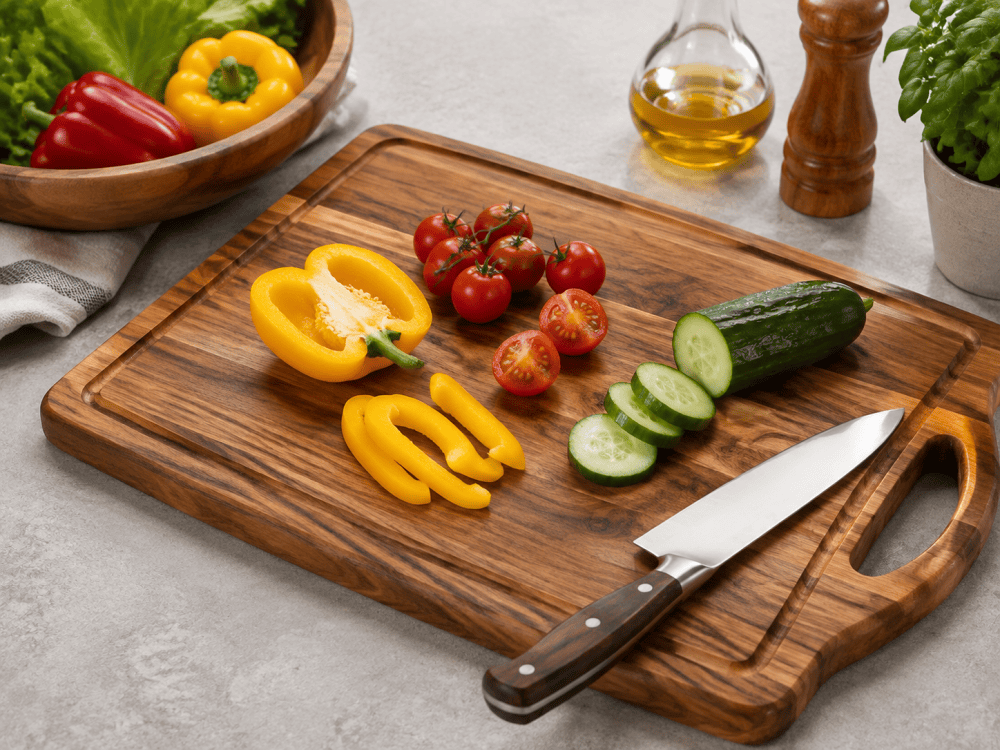
Acacia wood is an excellent cutting board material because it is durable, naturally water-resistant, attractive, and suitable for both food preparation and serving. With proper maintenance, an acacia cutting board can last for many years.
What Is Acacia Wood?
Acacia wood is a hardwood obtained from acacia trees, which grow in many regions around the world. It is widely used in furniture, home decoration, and kitchenware because of its strength and attractive grain patterns.
For cutting boards, acacia wood is valued because it combines hardness with natural moisture resistance, making it suitable for daily kitchen use.
Key Characteristics of Acacia Wood
- Dense hardwood structure
- Beautiful natural grain appearance
- Good resistance to moisture
- Strong durability for daily cutting
- Suitable for premium kitchen products
Is Acacia Wood Safe for Cutting Boards?
Yes, acacia wood is considered safe for cutting boards when properly processed and maintained. Like other food-contact wood products, the quality depends on material selection, manufacturing process, and surface treatment.
High-quality acacia cutting boards should use food-safe finishes and coatings to ensure they are suitable for direct contact with food.
Why Acacia Wood Is Suitable for Food Contact
- Natural hardwood structure
- Low moisture absorption compared with softer woods
- Smooth surface after proper finishing
- Suitable for vegetables, fruits, meat, and bread preparation
Advantages of Acacia Wood Cutting Boards
1. Excellent Durability for Daily Use
One of the biggest advantages of acacia wood cutting boards is their durability. Acacia is a dense hardwood that can withstand daily chopping, slicing, and food preparation without easily cracking or wearing out.
Compared with softer woods, acacia wood provides better resistance against scratches and knife marks, making it suitable for long-term kitchen use.
2. Natural Moisture Resistance
Acacia wood contains natural oils that help reduce moisture absorption. This characteristic makes acacia cutting boards less likely to warp or crack when properly maintained.
However, like all wooden cutting boards, acacia boards should still be dried properly after washing and should not be soaked in water for long periods.
3. Beautiful Natural Appearance
The unique grain patterns and warm colors of acacia wood make each cutting board visually different. This natural appearance allows acacia cutting boards to be used not only for food preparation but also as serving boards.
Many premium kitchenware brands choose acacia wood because it combines functionality with an attractive lifestyle design.
4. Knife-Friendly Surface
Although acacia wood is a hard material, it provides a better cutting surface compared with many harder alternatives such as glass or stone.
A quality acacia cutting board can help protect knife edges while providing enough durability for everyday cooking tasks.
5. Premium Market Appeal
For kitchenware brands and retailers, acacia wood cutting boards have strong market appeal because consumers associate natural wood products with quality, sustainability, and premium home design.
Disadvantages of Acacia Wood Cutting Boards
1. Requires Regular Maintenance
Unlike plastic cutting boards, acacia wood requires more care to maintain its appearance and performance.
Regular application of food-grade mineral oil helps prevent dryness, cracking, and surface damage.
2. Not Dishwasher Safe
Acacia wood cutting boards should not be placed in dishwashers because high temperatures and prolonged water exposure may cause warping or splitting.
3. Higher Cost Compared with Plastic Boards
Because acacia is a premium hardwood material, acacia cutting boards usually cost more than standard plastic or basic bamboo boards.
However, many consumers are willing to pay more for their durability, natural appearance, and longer lifespan.
4. May Show Color Changes Over Time
Natural wood products may gradually change color due to sunlight exposure, moisture, and usage. Proper maintenance helps preserve the original appearance.
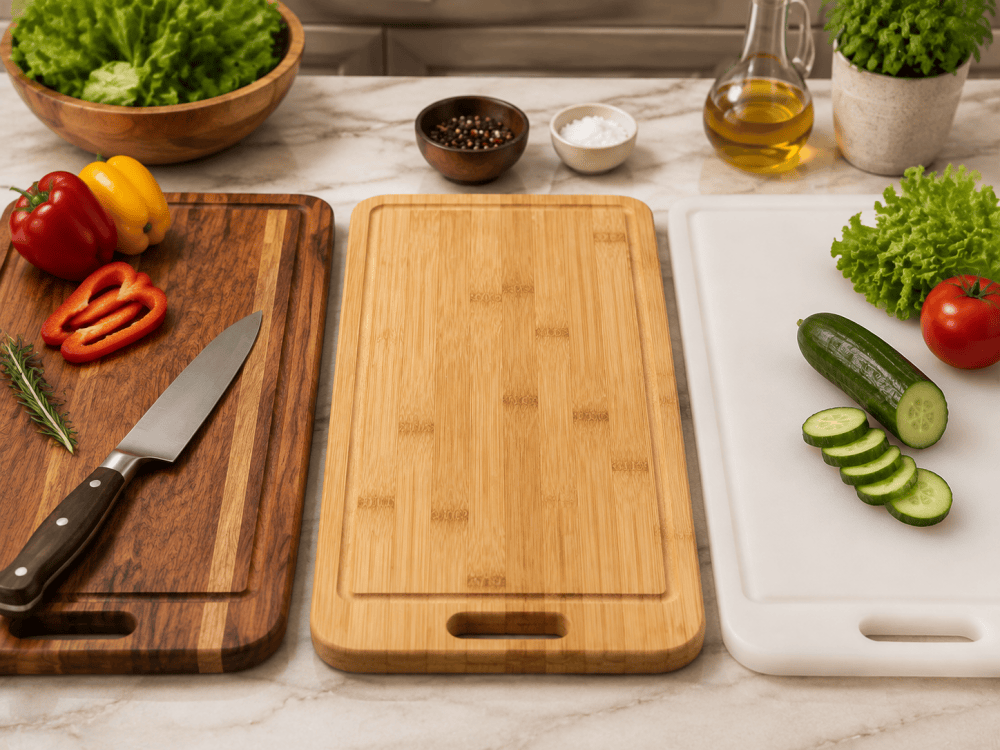
Acacia Wood vs Other Cutting Board Materials
Different cutting board materials offer different advantages. The best choice depends on usage requirements, target customers, and product positioning.
| Material | Durability | Knife Friendliness | Maintenance | Best For |
|---|---|---|---|---|
| Acacia Wood | High | Good | Medium | Premium home kitchens, serving boards |
| Bamboo | Medium-High | Medium | Low-Medium | Eco-friendly kitchen products |
| Maple Wood | High | Excellent | Medium | Professional kitchens |
| Plastic (PE/PP) | Medium | Excellent | Low | Commercial kitchens and mass retail |
| Glass | High | Poor | Low | Occasional household use |
Acacia Wood vs Bamboo Cutting Board: Which Is Better?
Acacia wood and bamboo are both popular natural cutting board materials, but they have different characteristics.
| Feature | Acacia Wood | Bamboo |
|---|---|---|
| Appearance | Premium natural grain with rich color variation | Clean and uniform appearance |
| Hardness | Harder and more durable | Slightly harder surface |
| Knife Protection | Good balance between hardness and softness | Can be slightly harder on knives |
| Price Position | Premium | More affordable |
| Market Position | High-end kitchenware | Eco-friendly and mainstream markets |
Does Acacia Wood Dull Knives?
No, acacia wood generally does not significantly damage kitchen knives when used correctly.
Compared with extremely hard surfaces such as glass, ceramic, or stone cutting boards, acacia wood provides a more balanced cutting surface that is gentler on knife edges.
However, because acacia is a dense hardwood, very aggressive cutting or using poor-quality knives may still cause faster blade wear over long periods.
How Long Does an Acacia Cutting Board Last?
A high-quality acacia cutting board can last for many years with proper care. The lifespan depends on material quality, thickness, frequency of use, and maintenance habits.
Regular oiling and proper cleaning can significantly extend the service life of an acacia wood cutting board.
- Wash with mild soap and water
- Dry immediately after cleaning
- Apply food-grade mineral oil regularly
- Avoid extreme temperature changes
- Do not soak in water
For wholesale buyers, acacia wood cutting boards are attractive because they combine premium appearance, strong durability, and high perceived product value, making them suitable for gift sets, home kitchen collections, and private label products.
How to Care for Acacia Wood Cutting Boards
Proper maintenance is essential to keep an acacia wood cutting board beautiful, hygienic, and durable for many years.
1. Wash by Hand After Use
Acacia cutting boards should be cleaned with warm water and mild dish soap after use. Avoid placing them in the dishwasher because high heat and strong water pressure may damage the wood structure.
2. Dry Immediately
After cleaning, dry the cutting board with a clean towel and place it in a well-ventilated area. Leaving a wooden cutting board wet for a long time may increase the risk of warping or cracking.
3. Apply Food-Grade Mineral Oil Regularly
Applying food-grade mineral oil helps maintain the moisture balance of acacia wood and prevents the surface from becoming dry.
For frequently used cutting boards, regular oil treatment can improve appearance and extend product lifespan.
4. Avoid Extreme Temperature Changes
Sudden temperature changes may affect natural wood materials. Avoid placing acacia cutting boards near heat sources or exposing them to excessive moisture.
Is Acacia Wood Better Than Plastic Cutting Boards?
The answer depends on the application and user requirements.
| Feature | Acacia Wood Cutting Board | Plastic Cutting Board |
|---|---|---|
| Appearance | Premium natural look | Functional and practical |
| Durability | High with proper care | Medium, may develop knife marks |
| Maintenance | Requires oiling | Easy cleaning |
| Knife Protection | Good | Excellent |
| Commercial Use | Premium restaurants and home kitchens | Professional kitchens and food preparation |
| Price | Higher | More affordable |
For consumers who value natural design and long-term durability, acacia wood is an excellent choice. For commercial kitchens that require frequent sanitation and easy replacement, plastic cutting boards may be more practical.
Wholesale Buying Guide: How to Choose Acacia Wood Cutting Boards
For kitchenware distributors, retailers, and private label brands, selecting the right acacia cutting board supplier is important for maintaining product quality and customer satisfaction.
1. Check Wood Quality
High-quality acacia cutting boards should use carefully selected wood with consistent grain, smooth surfaces, and proper drying processes.
2. Confirm Food-Safe Finishing
Buyers should confirm that suppliers use food-grade finishes and safe surface treatments suitable for direct food contact.
3. Evaluate Manufacturing Capability
Reliable manufacturers should provide:
- Stable raw material supply
- Consistent production quality
- OEM and private label support
- Customized sizes and designs
- Export experience
4. Consider Market Positioning
Different markets may require different designs:
- Premium acacia serving boards for gift markets
- Large butcher-style boards for home chefs
- Compact boards for apartment kitchens
- Customized wooden boards for private brands
Frequently Asked Questions About Acacia Wood Cutting Boards
Is acacia wood good for cutting boards?
Yes. Acacia wood is a durable hardwood with attractive grain patterns, good moisture resistance, and excellent performance for everyday kitchen use.
Is acacia wood food safe?
Yes, high-quality acacia wood cutting boards made with food-safe processing and finishes are suitable for food preparation.
Is acacia wood better than bamboo?
Acacia wood generally offers a more premium appearance and stronger durability, while bamboo is often more affordable and positioned as an eco-friendly option.
Can you cut meat on an acacia wood cutting board?
Yes. Acacia cutting boards can be used for meat, vegetables, fruits, and bread preparation when properly cleaned and maintained.
Can acacia wood cutting boards go in the dishwasher?
No. Dishwasher cleaning is not recommended because high temperatures and prolonged moisture exposure can damage natural wood.
How often should you oil an acacia cutting board?
The frequency depends on usage, but applying food-grade mineral oil regularly helps maintain the surface condition and extend lifespan.
Conclusion
So, is acacia wood good for cutting boards?
Yes. Acacia wood is one of the best choices for premium cutting boards because it combines durability, natural beauty, moisture resistance, and excellent market appeal.
Although acacia wood requires more maintenance than plastic alternatives, its long lifespan and attractive appearance make it a valuable choice for modern kitchens and premium kitchenware collections.
For kitchenware brands and wholesale buyers, acacia wood cutting boards provide strong opportunities in the growing market for natural, sustainable, and high-quality kitchen products.
Looking for Custom Acacia Wood Cutting Boards?
Kitlucy provides premium cutting boards with OEM and private label solutions for global kitchenware brands, wholesalers, and distributors. We support customized materials, sizes, designs, and packaging requirements.
Related Blogs