Eco-Friendly Cutting Board Materials Trend in 2026: What Buyers Need to Know
Eco-Friendly Cutting Board Materials Trend in 2026: What Buyers Need to Know
Eco-friendly cutting board materials are becoming a major trend in the global kitchenware market. As sustainability awareness continues to grow, both consumers and buyers are paying more attention to the environmental impact of kitchen products.
Understanding eco-friendly cutting board materials trends in 2026 can help brands, distributors, and retailers make better sourcing decisions and stay competitive in evolving markets.

Why Eco-Friendly Cutting Boards Are Gaining Popularity
Consumers today are more environmentally conscious than ever before. They are actively looking for kitchen products that reduce waste and support sustainable lifestyles.
Eco-friendly kitchenware is one of the fastest-growing product segments, with cutting boards being a key category driven by sustainability demand.
Top Eco-Friendly Cutting Board Materials in 2026
Wood Cutting Boards
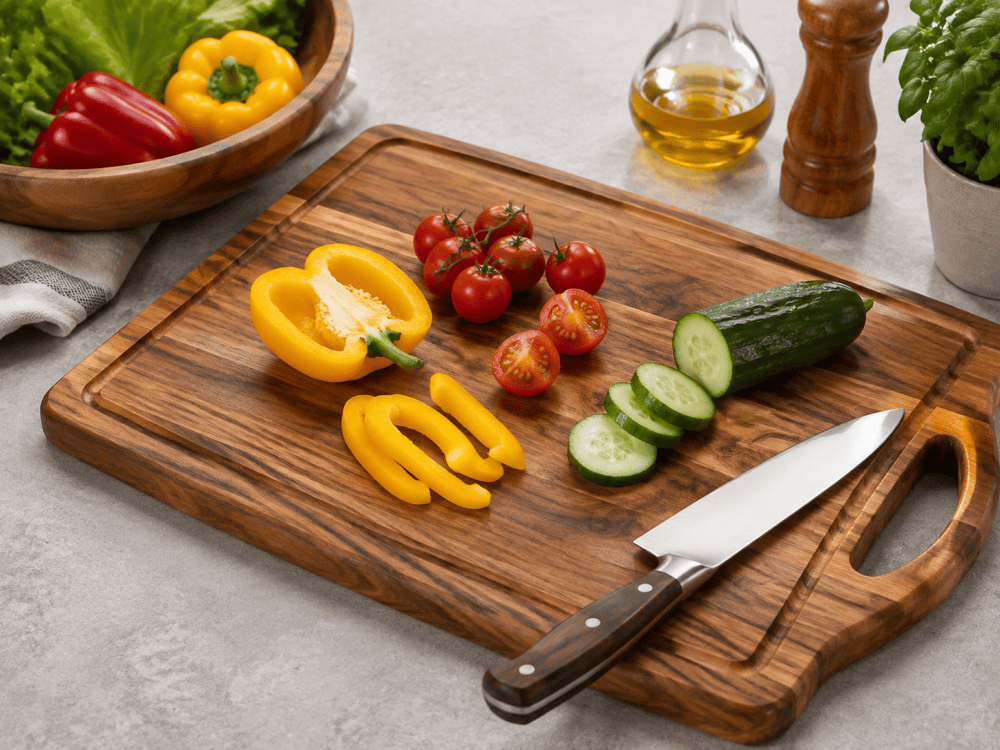
Wood remains one of the most popular eco-friendly cutting board materials. Options like acacia and maple are renewable, biodegradable, and widely accepted in global markets.
Bamboo Cutting Boards
Bamboo is considered one of the most sustainable materials due to its rapid growth cycle. Bamboo cutting boards are lightweight, durable, and cost-effective.
Recycled Plastic Cutting Boards
Recycled plastic cutting boards help reduce environmental waste while maintaining high durability. They are increasingly used in both commercial and household kitchens.
Composite and Fiber Materials
Composite cutting boards made from compressed fibers offer a balance between sustainability and performance, making them a growing trend in premium markets.
Material Comparison: Sustainability vs Performance
| Material | Eco-Friendliness | Durability | Maintenance |
|---|---|---|---|
| Wood | High | High | Medium |
| Bamboo | Very High | High | Low |
| Recycled Plastic | Medium | Very High | Low |
| Composite | Medium | High | Low |
Challenges of Eco-Friendly Cutting Board Materials
Balancing Sustainability and Durability
Some eco-friendly materials may not offer the same lifespan as traditional plastic or metal boards.
Higher Production Costs
Sustainable materials can involve higher sourcing and manufacturing costs, affecting pricing.
Maintenance Requirements
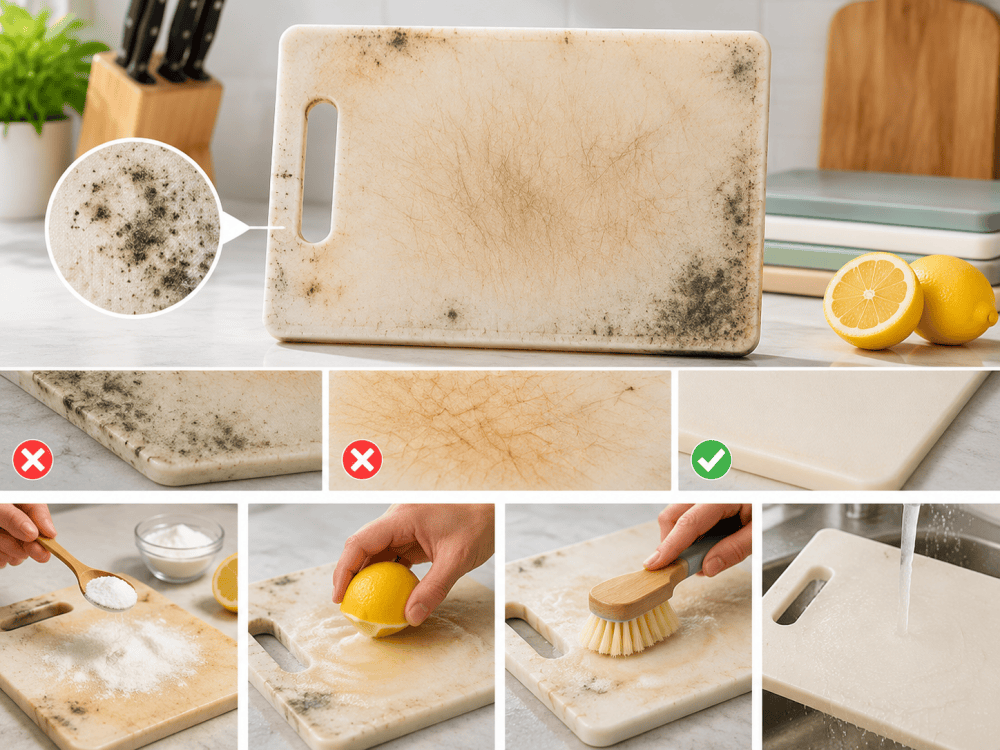
Natural materials like wood often require more maintenance compared to synthetic alternatives.
How Buyers Choose Eco-Friendly Cutting Boards
- Material sourcing and sustainability certifications
- Product durability and lifecycle
- Ease of cleaning and maintenance
- Target market positioning and pricing strategy
Future Outlook for Cutting Board Materials
The development of new materials and recycling technologies will continue to shape the eco-friendly cutting board market. Hybrid materials and improved sustainability standards are expected to become more common beyond 2026.
Frequently Asked Questions
What is the most eco-friendly cutting board material?
Bamboo and sustainably sourced wood are considered among the most eco-friendly options.
Are plastic cutting boards eco-friendly?
Traditional plastic boards are less sustainable, but recycled plastic offers a more environmentally friendly alternative.
Is wood better than plastic for the environment?
Wood is renewable and biodegradable, making it generally more eco-friendly when sourced responsibly.
Conclusion
Eco-friendly cutting board materials are shaping the future of kitchenware in 2026. By understanding material trends and performance differences, buyers can select the right products that balance sustainability, functionality, and market demand.
Looking for Eco-Friendly Cutting Board Solutions?
We offer a wide range of cutting boards including wood, plastic, and sustainable material options with OEM and private label services for global brands and distributors.
Related Blogs