Are Plastic Cutting Boards Safe? Plastic vs Wood: The Ultimate Guide (2026)
Are Plastic Cutting Boards Safe? Plastic vs Wood: The Ultimate Guide (2026)
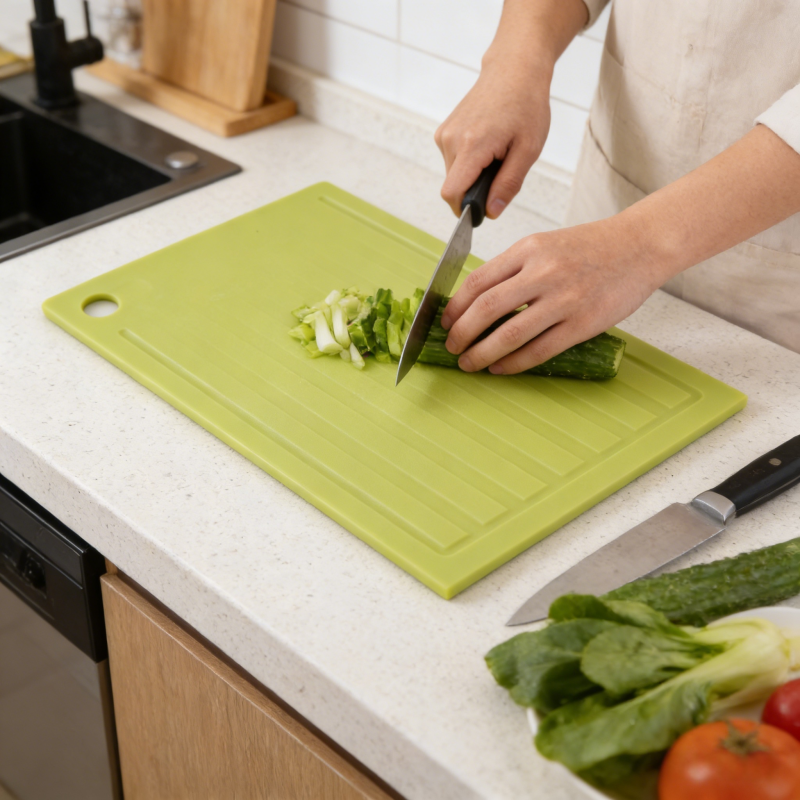
Plastic cutting boards have become one of the most common food preparation surfaces found in homes, restaurants, catering businesses, and food processing facilities around the world. Their affordability, durability, and dishwasher-safe convenience make them a practical choice for millions of users.
However, as consumers become increasingly concerned about food safety, microplastics, and chemical exposure, questions continue to arise:
- Are plastic cutting boards safe?
- Is a plastic cutting board better than wood?
- Should raw meat be prepared on plastic?
- What is the best plastic cutting board material?
- Are there safer non-plastic alternatives?
The answer is more nuanced than many people realize. Not all plastic cutting boards are manufactured using the same materials, and not all wooden boards perform equally. The safest option depends on how the board is made, how it is maintained, and how it is used in everyday cooking.
This comprehensive guide examines everything you need to know about plastic cutting boards, including their safety, hygiene, durability, commercial applications, and how they compare to wood.
Are Plastic Cutting Boards Safe?
One of the most searched questions online is:
Are plastic cutting boards safe?
The short answer is yes.
High-quality plastic cutting boards manufactured using certified food-grade materials are considered safe for direct food contact. Organizations and regulatory authorities worldwide allow their use in both domestic and commercial food preparation environments.
Plastic cutting boards made from food-grade HDPE (High-Density Polyethylene) or PP (Polypropylene) are considered safe when properly cleaned, sanitized, and replaced once deep knife grooves develop.
Safety concerns generally arise from three situations:
- Low-quality plastics that are not food grade.
- Deep knife grooves that trap bacteria.
- Poor cleaning and sanitation practices.
Therefore, the material itself is not inherently unsafe. Rather, long-term safety depends heavily on maintenance and product quality.
What Are Plastic Cutting Boards Made Of?
Modern plastic cutting boards are commonly manufactured using two primary materials:
- HDPE (High-Density Polyethylene)
- PP (Polypropylene)
Both are widely approved for food-contact applications because of their chemical stability and moisture resistance.
| Material | Common Use | Food Safe | Dishwasher Safe | Durability |
|---|---|---|---|---|
| HDPE | Commercial kitchens | Yes | Yes | Excellent |
| PP | Household cutting boards | Yes | Usually | Good |
| PVC | Not recommended | Limited | Varies | Moderate |
HDPE Cutting Boards
HDPE cutting boards are considered the gold standard in professional kitchens. They offer exceptional impact resistance, low moisture absorption, and compatibility with commercial sanitation systems.
Restaurants frequently use HDPE because it can withstand repeated washing and heavy knife use throughout busy service periods.
PP Plastic Cutting Boards
Polypropylene cutting boards are lighter and often more affordable. Many household cutting boards use PP because it combines flexibility, durability, and low production cost.
PP boards are especially common in consumer retail markets and family kitchens.
Why Do Commercial Kitchens Prefer Plastic Cutting Boards?
Walk into almost any restaurant kitchen, hotel preparation area, school cafeteria, or food processing facility, and you are likely to see plastic cutting boards being used extensively.
This preference is not accidental.
Commercial kitchens operate under strict hygiene regulations that prioritize efficiency and sanitation.
- Plastic boards are easy to sanitize.
- They can tolerate repeated dishwasher cycles.
- They cost less to replace than hardwood boards.
- They integrate into color-coded HACCP systems.
- They resist moisture absorption.
Foodservice operations often replace plastic cutting boards regularly as part of their food safety programs, ensuring optimal hygiene throughout their lifecycle.
Plastic Cutting Board for Raw Meat: Is It Better?
Another common question consumers ask is:
Should you use a plastic cutting board for raw meat?
Many food safety experts recommend plastic cutting boards specifically for preparing raw meat, poultry, and seafood.
The primary reason is sanitation.
Plastic boards can typically be washed using hot water or commercial dishwashers at temperatures sufficient to eliminate harmful bacteria.
Additionally, color-coded systems help reduce cross-contamination.
| Board Color | Recommended Use |
|---|---|
| Red | Raw meat |
| Blue | Seafood |
| Yellow | Raw poultry |
| Green | Fruits and vegetables |
| White | Dairy and bakery |
Using separate boards for different food categories significantly reduces the risk of transferring harmful microorganisms between ingredients.
Large Plastic Cutting Boards: Why Size Matters
Large plastic cutting boards have grown increasingly popular among both professional chefs and home cooks.
A larger work surface provides several practical advantages:
- More room for ingredient preparation.
- Reduced mess and spillage.
- Improved cutting efficiency.
- Greater stability during use.
- Better workflow in busy kitchens.
For families that cook frequently or entertain guests, investing in a large plastic cutting board can dramatically improve meal preparation convenience.
Recommended Sizes
| User Type | Recommended Size |
|---|---|
| Small households | 30 × 20 cm |
| Family kitchens | 40 × 30 cm |
| Professional chefs | 50 × 35 cm |
| Commercial foodservice | 60 × 45 cm or larger |
Do Plastic Cutting Boards Release Microplastics?
One of the newest concerns influencing consumer purchasing decisions is the possibility of microplastic generation.
Every cutting surface experiences wear over time. As knives repeatedly contact plastic boards, tiny fragments of material can be removed from the surface.
Current scientific research is still evaluating the health implications of these microscopic particles.
While evidence remains inconclusive regarding direct health risks from typical kitchen exposure, experts generally recommend:
- Replacing heavily worn boards.
- Avoiding extremely cheap plastic products.
- Selecting certified food-grade materials.
- Maintaining proper board hygiene.
If your plastic cutting board develops deep grooves, excessive roughness, or visible deterioration, replacement is recommended regardless of the material type.
Plastic vs Wood Cutting Board: Which Is Better?
Perhaps the biggest debate among home cooks and professional chefs is whether a plastic cutting board or a wooden cutting board is the better choice.
The truth is that neither material is universally superior. Each offers unique advantages depending on how it is used, maintained, and prioritized in the kitchen.
If hygiene and convenience are your primary concerns, plastic often comes out ahead. If aesthetics, knife preservation, and sustainability matter more, wood may be the preferred option.
Understanding the strengths and weaknesses of both materials allows you to select the best cutting board for your cooking habits.
Wood vs Plastic Cutting Board: Side-by-Side Comparison
| Feature | Plastic Cutting Board | Wooden Cutting Board |
|---|---|---|
| Food Safety | Excellent when sanitized properly | Excellent with proper maintenance |
| Dishwasher Safe | Yes | No |
| Knife Friendliness | Moderate | Excellent |
| Maintenance | Low | Moderate to High |
| Moisture Resistance | Excellent | Moderate |
| Appearance | Functional | Premium and natural |
| Commercial Use | Very common | Less common |
| Lifespan | Good | Excellent |
| Environmental Impact | Depends on recyclability | Renewable resource |
| Cost | Lower | Higher |
Plastic boards excel in sanitation and convenience, while wooden boards are often preferred for knife protection, longevity, and visual appeal.
Wood or Plastic Cutting Board: Which Is Safer?
Food safety researchers have studied cutting board materials for decades. Surprisingly, both wood and plastic can be safe choices when maintained correctly.
Many consumers assume plastic is automatically more hygienic because it is non-porous. While this offers advantages, the complete picture is more complex.
Plastic Safety Advantages
- Can withstand dishwasher sanitation.
- Compatible with bleach-based disinfectants.
- Does not absorb liquids.
- Easy to inspect visually.
- Supports color-coded food preparation systems.
Wood Safety Advantages
- Certain hardwoods exhibit natural antibacterial activity.
- Dense grain structures trap and neutralize microbes.
- Knife marks tend to self-heal, especially in end grain boards.
- Less likely to develop severe surface scarring.
Ultimately, cleaning practices matter more than the material itself.
A dirty plastic board is unsafe. A poorly maintained wooden board is equally problematic.
Wooden Cutting Boards vs Plastic: What Do Chefs Prefer?
Professional chefs often use both materials simultaneously because different kitchen tasks require different strengths.
Why Chefs Use Plastic Boards
- Preparing raw chicken.
- Handling seafood.
- Processing large quantities of meat.
- Following HACCP procedures.
- Fast-paced restaurant environments.
Why Chefs Use Wooden Boards
- Fine knife work.
- Vegetable preparation.
- Bread slicing.
- Presentation purposes.
- Open kitchen aesthetics.
Many culinary professionals consider owning both materials the ideal solution.
Use plastic cutting boards for raw proteins and wooden boards for fruits, vegetables, bread, and daily knife-intensive tasks.
Are Wooden Cutting Boards Better for Knives?
One of the strongest arguments in favor of wood is its ability to preserve knife sharpness.
Wood fibers provide a softer, more forgiving surface compared to synthetic plastics.
When a knife contacts wood, the fibers compress slightly under pressure. This reduces impact stress on the blade edge.
Plastic, particularly harder HDPE boards, provides less cushioning and may contribute to gradual dulling over time.
Knife Friendliness Ranking
| Material | Knife Friendliness |
|---|---|
| End Grain Hardwood | Excellent |
| Edge Grain Hardwood | Very Good |
| Bamboo | Moderate |
| PP Plastic | Moderate |
| HDPE Plastic | Moderate |
| Glass | Poor |
For those investing in premium knives, wooden boards often provide better long-term value.
Best Plastic Cutting Board: What Features Matter Most?
Not all plastic cutting boards offer the same performance.
If you are searching for the best plastic cutting board, consider the following characteristics before purchasing.
1. Food-Grade Certification
Choose products manufactured from certified food-contact materials such as HDPE or PP.
Avoid unknown plastics without traceable sourcing.
2. Adequate Thickness
Thin boards can warp, flex excessively, and wear out faster.
Recommended thickness:
- Household use: 8–12 mm
- Heavy-duty home use: 12–15 mm
- Commercial kitchens: 15–25 mm
3. Non-Slip Features
Rubber feet or textured surfaces improve stability and reduce accident risks during cutting.
4. Juice Grooves
Integrated channels help collect liquids from meats, fruits, and vegetables.
5. Dishwasher Compatibility
Easy sanitation remains one of plastic's biggest advantages.
Large Plastic Cutting Boards: Are Bigger Boards Better?
Large plastic cutting boards continue gaining popularity among serious home cooks.
They provide:
- More preparation space.
- Improved workflow.
- Less countertop mess.
- Better ingredient organization.
- Enhanced cutting safety.
However, larger boards also require additional storage space and may be heavier to handle.
The ideal size depends on cooking frequency and kitchen dimensions.
Best Non Plastic Cutting Board Alternatives
Consumers seeking sustainable or natural alternatives often search for the best non plastic cutting board.
Several excellent options exist.
Maple Cutting Boards
- Dense hardwood.
- Excellent knife friendliness.
- Long lifespan.
- Traditional butcher block material.
Walnut Cutting Boards
- Rich appearance.
- Softer than maple.
- Gentle on knife edges.
- Premium aesthetic appeal.
Teak Cutting Boards
- High moisture resistance.
- Natural oils enhance durability.
- Suitable for humid environments.
- Luxurious appearance.
Bamboo Cutting Boards
- Renewable resource.
- Budget-friendly.
- Lightweight.
- Slightly harder on knives.
| Non-Plastic Alternative | Knife Friendly | Maintenance | Sustainability |
|---|---|---|---|
| Maple | Excellent | Moderate | Good |
| Walnut | Excellent | Moderate | Good |
| Teak | Very Good | Moderate | Moderate |
| Bamboo | Moderate | Low | Excellent |
Many households achieve the best balance by using both materials: plastic boards for raw proteins and hardwood boards for everyday food preparation.
Plastic vs Wood Cutting Board: Which Should You Buy?
Choosing between plastic and wood ultimately depends on your priorities.
| If You Value... | Choose... |
|---|---|
| Dishwasher convenience | Plastic |
| Commercial food safety systems | Plastic |
| Knife longevity | Wood |
| Premium aesthetics | Wood |
| Lower upfront cost | Plastic |
| Sustainability | Wood |
| Heavy raw meat preparation | Plastic |
| Multi-purpose home cooking | Both |
How to Clean Plastic Cutting Boards Properly
No matter how durable or food-safe a cutting board is, improper cleaning can compromise kitchen hygiene. One of the biggest advantages of a plastic cutting board is that it is relatively easy to sanitize compared to many natural materials.
Regular cleaning not only removes food residue but also helps reduce the risk of bacterial contamination and extends the board's lifespan.
Daily Cleaning Steps
- Rinse the board immediately after use to prevent food residue from drying.
- Wash thoroughly with warm water and mild dish soap.
- Scrub the surface using a soft brush or sponge.
- Pay extra attention to knife grooves and textured areas.
- Rinse completely and allow the board to air dry vertically.
Deep Cleaning and Sanitizing
After preparing raw meat, poultry, or seafood, deeper sanitation is recommended.
- Place dishwasher-safe plastic cutting boards in the dishwasher using a high-temperature cycle.
- Use diluted bleach solutions according to food safety guidelines.
- Apply food-safe sanitizing sprays when necessary.
- Allow the board to dry completely before storing.
Dishwasher-safe plastic cutting boards provide a major hygiene advantage because high temperatures help eliminate bacteria more effectively than hand washing alone.
When Should You Replace a Plastic Cutting Board?
Even the best plastic cutting board will eventually wear out. Unlike wood, plastic surfaces cannot self-heal after repeated knife use.
Over time, grooves become deeper and may trap food particles that are increasingly difficult to remove.
Signs It's Time to Replace Your Board
- Deep knife cuts across the surface.
- Persistent stains or discoloration.
- Warping or bending.
- Rough surfaces that are difficult to clean.
- Permanent odors that remain after washing.
Replacing worn cutting boards is an important part of maintaining food safety, particularly in busy kitchens.
Common Mistakes That Make Plastic Cutting Boards Unsafe
Plastic cutting boards are considered safe, but improper use can reduce their effectiveness and increase contamination risks.
Using the Same Board for Everything
Preparing raw chicken and then slicing fresh vegetables on the same board without sanitizing can lead to cross-contamination.
Ignoring Deep Knife Grooves
Many consumers continue using heavily worn boards for years. Deep grooves can trap food debris and become harder to sanitize.
Storing Boards While Wet
Stacking wet boards together can encourage odor buildup and bacterial growth.
Buying Extremely Cheap Products
Low-quality plastic boards may not use certified food-grade materials and often wear out faster.
The safest cutting board is not necessarily the newest technology—it is the one that is properly cleaned, regularly inspected, and replaced when necessary.
Frequently Asked Questions About Plastic Cutting Boards
Are plastic cutting boards safe?
Yes. Plastic cutting boards made from food-grade HDPE or polypropylene are considered safe for food preparation when properly maintained and replaced once heavily worn.
Do plastic cutting boards harbor bacteria?
All cutting boards can harbor bacteria if not cleaned correctly. Plastic boards are easier to sanitize because they are non-porous and dishwasher safe.
What is the best plastic cutting board material?
HDPE (High-Density Polyethylene) is generally considered the best plastic cutting board material due to its durability, impact resistance, and widespread use in commercial kitchens.
Are plastic cutting boards dishwasher safe?
Most HDPE and PP plastic cutting boards are dishwasher safe. Always check the manufacturer's care instructions before cleaning.
What is the best plastic cutting board for home use?
A medium-thickness HDPE or PP cutting board with non-slip features and dishwasher compatibility is ideal for most households.
Is a plastic cutting board for raw meat recommended?
Yes. Plastic cutting boards are widely recommended for preparing raw meat because they can be sanitized effectively and incorporated into color-coded food safety systems.
What is the best non plastic cutting board?
Maple, walnut, and teak cutting boards are among the most popular non-plastic alternatives because of their durability and knife-friendly surfaces.
Wood or plastic cutting board: which is better?
Plastic offers easier sanitation and lower maintenance, while wood is gentler on knives and often preferred for aesthetics. Many households benefit from using both.
Do plastic cutting boards dull knives?
Plastic boards can dull knives slightly faster than quality hardwood boards, although regular sharpening minimizes this difference.
Are large plastic cutting boards worth it?
Yes. Large plastic cutting boards provide more preparation space, improve efficiency, and help keep countertops cleaner during meal preparation.
Final Verdict: Are Plastic Cutting Boards Safe?
After examining the evidence, the answer is clear: plastic cutting boards are safe when they are made from certified food-grade materials and properly maintained.
Their ease of cleaning, dishwasher compatibility, affordability, and suitability for commercial food safety systems explain why they remain one of the most widely used cutting surfaces in the world.
At the same time, wooden cutting boards continue to offer advantages in knife friendliness, longevity, and aesthetics. Rather than viewing the choice as plastic versus wood, many professional chefs and experienced home cooks use both materials strategically.
| Best Choice For | Recommended Material |
|---|---|
| Raw meat preparation | Plastic (HDPE) |
| Commercial kitchens | Plastic (HDPE) |
| Low-maintenance households | Plastic (PP/HDPE) |
| Premium knife care | Hardwood |
| Elegant presentation | Wood |
| Maximum versatility | Use both materials |
Choosing the right cutting board ultimately comes down to your cooking habits, maintenance preferences, and food safety priorities.
Looking for Reliable Plastic Cutting Board Manufacturers?
Kitlucy supplies food-grade plastic cutting boards manufactured from high-quality HDPE and PP materials for global distributors, retailers, and private-label brands.
Our OEM and ODM services support custom sizes, thicknesses, colors, logo printing, and packaging solutions tailored to your market requirements.
Whether you need large plastic cutting boards, plastic cutting boards for raw meat, or customized kitchen solutions, our team is ready to help you build products your customers can trust.
Explore OEM & Custom Services
Browse Our Cutting Board Collection
Contact Our Team Today
Related Blogs