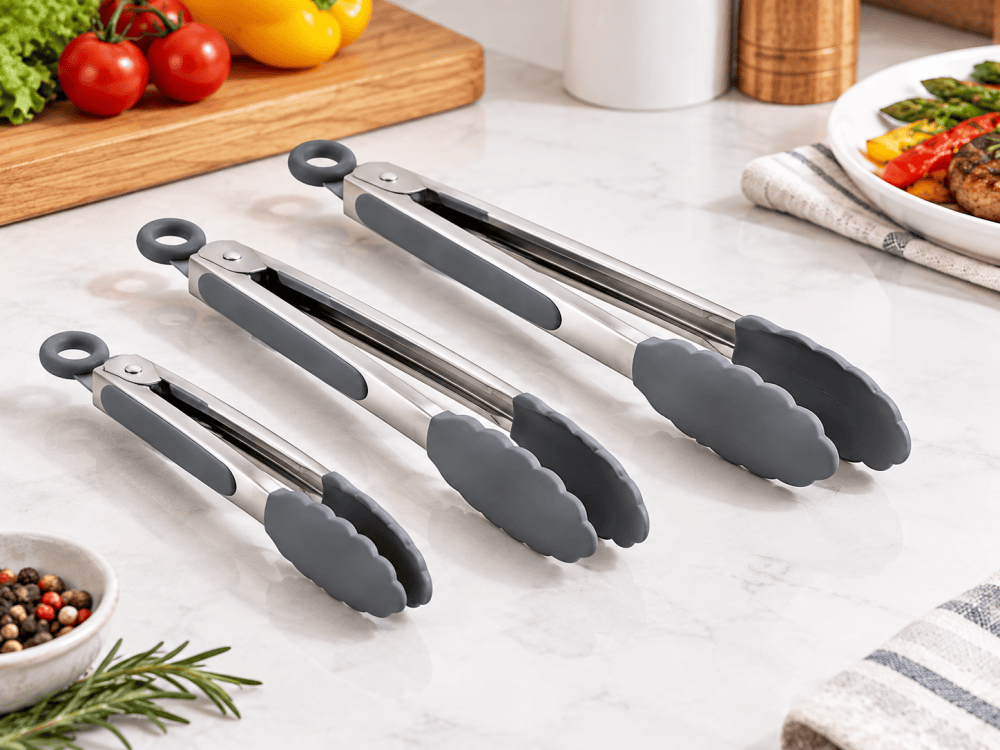
Non-Toxic Cooking Utensils: How to Choose Safe Materials for a Healthier Kitchen
Best Non-Toxic Cooking Utensils: A Complete Guide to Safe Kitchen Tools
As consumers become more conscious about food safety and healthy living, interest in non toxic cooking utensils continues to grow. Many people are now asking important questions such as "What cooking utensils are non toxic?", "What are the safest non toxic cooking utensils?", and "Which materials should I avoid?"
The truth is that cooking utensils come into direct contact with food every day. Poor-quality plastics, unstable coatings, or uncertified materials may degrade over time, especially when exposed to high temperatures. Choosing the right utensils helps reduce potential chemical exposure while improving cooking performance and product longevity.
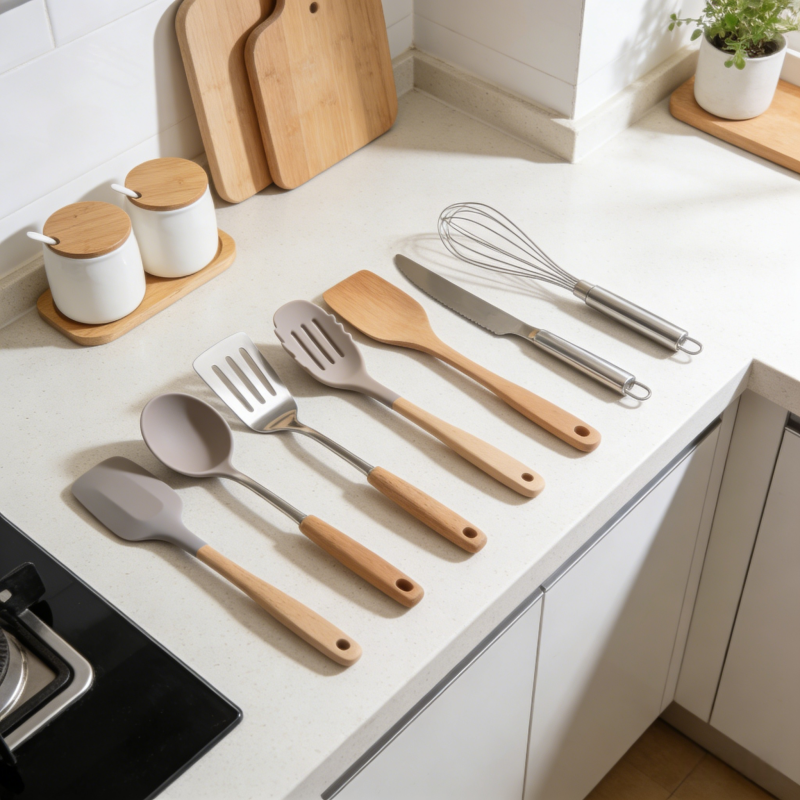
In this comprehensive guide, we will compare the most popular non-toxic utensil materials, explain their advantages and disadvantages, and help buyers, retailers, and homeowners choose the best non toxic cooking utensils for everyday use.
The safest non toxic cooking utensils are generally made from high-quality stainless steel, LFGB-certified food-grade silicone, and natural hardwoods such as teak, acacia, olive wood, or maple.
Why Are Non-Toxic Cooking Utensils Important?
Cooking utensils interact with food under conditions that can accelerate material breakdown, including:
- High cooking temperatures
- Steam and moisture exposure
- Acidic foods
- Cooking oils and fats
- Frequent dishwasher cleaning
- Long-term daily use
If a utensil is manufactured using low-quality materials, repeated exposure to these conditions may cause cracking, warping, discoloration, odor absorption, or chemical migration.
For this reason, many health-conscious consumers now prefer non toxic cooking utensils sets manufactured from certified food-contact materials.
What Makes a Cooking Utensil Truly Non-Toxic?
A truly non-toxic utensil should meet several criteria:
- Food-contact safe
- BPA-free
- Free from harmful plasticizers
- Heat stable during cooking
- Corrosion resistant
- No chemical odor release
- Compliant with FDA or LFGB standards
Unfortunately, many inexpensive products claim to be "safe" without providing certification or material transparency.
Best Materials for Non-Toxic Cooking Utensils
1. Stainless Steel Cooking Utensils
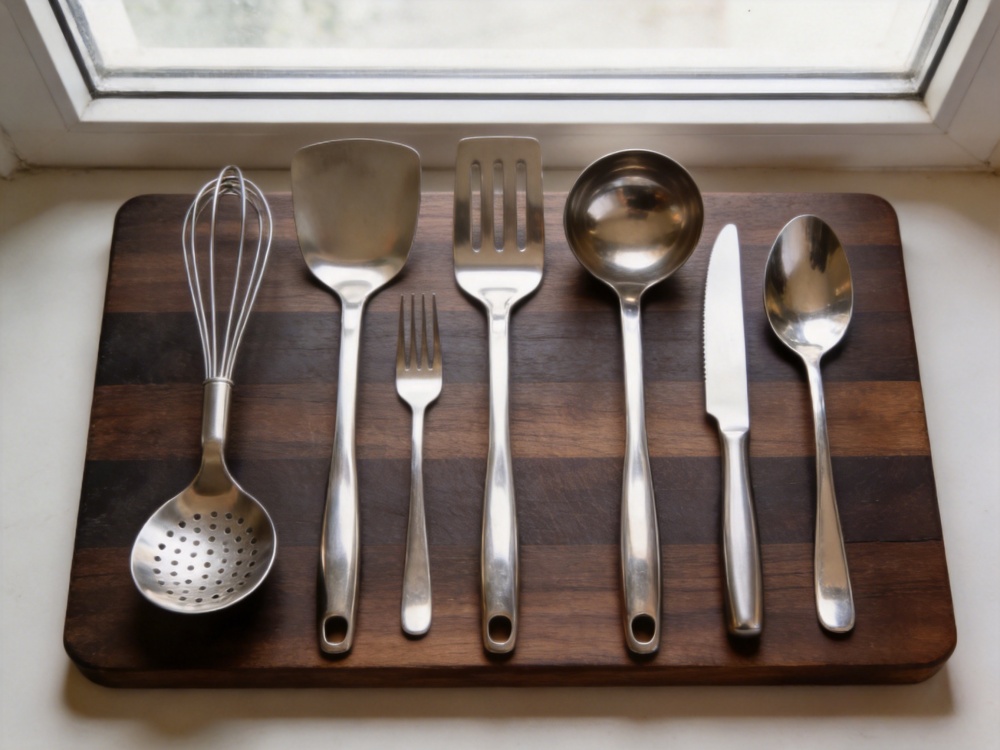
When consumers search for the best non toxic cooking utensils, stainless steel consistently ranks among the top recommendations.
Premium stainless steel utensils offer excellent durability and food safety while requiring minimal maintenance.
Advantages of Stainless Steel Utensils
- Extremely durable
- Non-reactive with most foods
- Rust resistant
- Dishwasher safe
- Long lifespan
- No BPA or plastic additives
- Professional kitchen standard
Potential Limitations
- Can scratch non-stick cookware
- Conducts heat
- Usually heavier than silicone utensils
For stainless steel cookware owners, stainless steel utensils remain one of the safest and longest-lasting kitchen tool options available.
2. Food-Grade Silicone Cooking Utensils
High-quality food-grade silicone has become one of the fastest-growing categories in modern kitchenware.
However, not all silicone products are equal.
The safest options use LFGB certified silicone or premium FDA-approved food-grade silicone formulations.
- Heat resistant up to 230°C (446°F)
- Flexible and gentle on cookware
- BPA-free
- Non-stick friendly
- Easy to clean
Modern non toxic silicone cooking utensils are especially popular for:
- Spatulas
- Turners
- Scrapers
- Baking tools
- Kitchen utensil sets
3. Natural Wooden Cooking Utensils
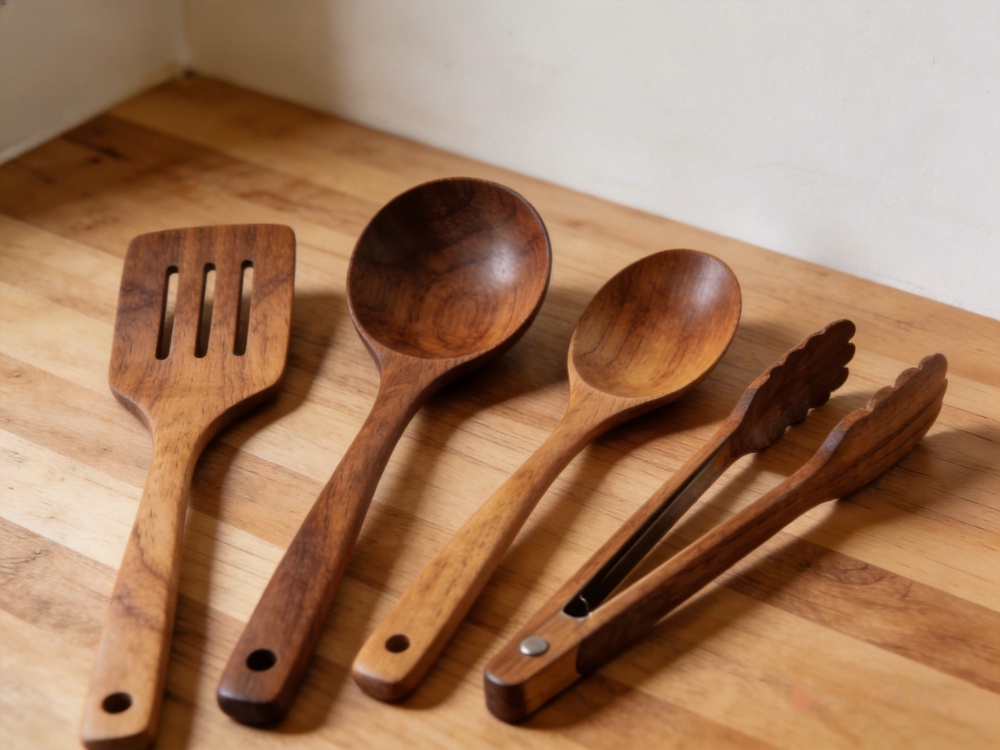
For consumers seeking a more sustainable and traditional option, non toxic wooden cooking utensils remain one of the most popular choices. Wooden utensils have been used for centuries because they are naturally food-safe, lightweight, and gentle on cookware.
Unlike metal utensils, wood does not conduct heat, making it comfortable to handle during extended cooking sessions. It also helps protect expensive cookware surfaces from scratches.
Benefits of Wooden Cooking Utensils
- Natural and renewable material
- Gentle on cookware surfaces
- Comfortable to hold
- Does not become hot quickly
- Attractive natural appearance
- Suitable for non-stick cookware
Potential Drawbacks
- Requires regular maintenance
- Should not be soaked in water
- May crack if improperly stored
- Not ideal for dishwasher cleaning
When properly cared for, quality wooden utensils can last for many years while remaining one of the safest non-toxic options available.
Best Wood for Kitchen Utensils
Not all wood species perform equally in kitchen environments. The best wood for cooking utensils combines durability, moisture resistance, food safety, and attractive grain patterns.
| Wood Type | Durability | Water Resistance | Food Safety | Popularity |
|---|---|---|---|---|
| Teak | Excellent | Excellent | Excellent | ★★★★★ |
| Acacia | Excellent | Very Good | Excellent | ★★★★★ |
| Olive Wood | Excellent | Very Good | Excellent | ★★★★☆ |
| Maple | Very Good | Good | Excellent | ★★★★☆ |
| Beech | Good | Moderate | Excellent | ★★★★☆ |
Acacia Wood Kitchen Utensils: Why They Are So Popular
Among all wooden utensil materials, acacia wood kitchen utensils have become one of the fastest-growing product categories worldwide.
Acacia offers an ideal balance between durability, appearance, and affordability. Its dense grain structure helps resist moisture absorption while maintaining long-term structural stability.
Advantages of Acacia Wood Utensils
- Naturally antibacterial properties
- Beautiful grain patterns
- Excellent durability
- Good moisture resistance
- Sustainable sourcing options
- Premium appearance for retail markets
Because of these benefits, acacia is frequently used in premium kitchen utensil sets, cutting boards, serving trays, and kitchen accessories.
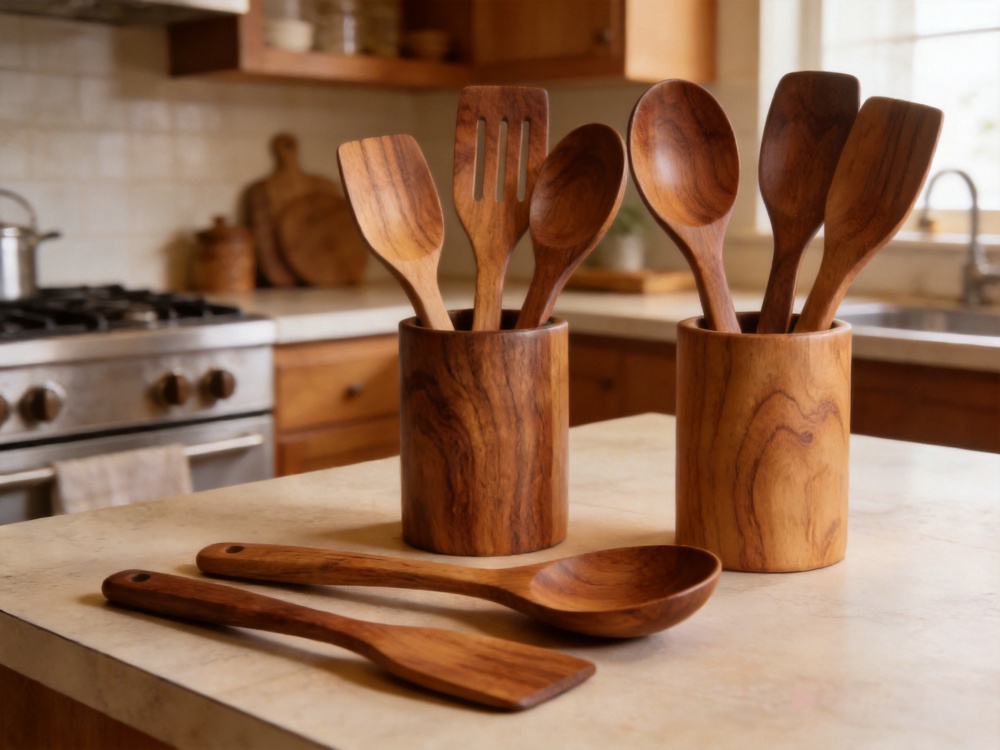
Teak Wood Utensils: Premium Performance for Long-Term Use
Many experts consider teak one of the best materials for non toxic wooden cooking utensils.
Teak naturally contains oils that help protect the wood from moisture, making it highly resistant to cracking, warping, and water damage.
This natural durability makes teak particularly attractive for consumers looking for long-lasting kitchen tools.
Why Teak Performs So Well
- Natural oil content
- Excellent water resistance
- High dimensional stability
- Long service life
- Premium visual appeal
For consumers seeking the best non toxic wooden cooking utensils, teak and acacia are generally considered the two strongest options due to their durability, food safety, and moisture resistance.
Are Bamboo Cooking Utensils Non-Toxic?
Bamboo utensils are often marketed as environmentally friendly alternatives to traditional wood utensils.
Because bamboo grows rapidly and requires fewer resources than many hardwood species, it is considered a renewable material.
Advantages of bamboo utensils include:
- Lightweight design
- Renewable resource
- Affordable pricing
- Natural appearance
- Gentle on cookware
However, buyers should verify the adhesives and finishes used during manufacturing, as these can impact overall food safety.
Materials You Should Avoid
Understanding which materials to avoid is just as important as knowing which materials are safest.
Low-Quality Plastic Utensils
Cheap plastics may soften, crack, or release unwanted substances when exposed to high temperatures.
Unknown Silicone Products
Silicone products without FDA or LFGB certification may contain fillers that reduce performance and safety.
Damaged Non-Stick Coated Utensils
Peeling or scratched coatings can introduce unwanted particles into food and should be replaced immediately.
Poorly Manufactured Wooden Utensils
Low-quality finishes, chemical treatments, or unstable wood species can reduce the safety and lifespan of wooden utensils.
Comparing the Safest Non-Toxic Cooking Utensil Materials
| Material | Food Safety | Heat Resistance | Durability | Cookware Friendly | Maintenance |
|---|---|---|---|---|---|
| 304 Stainless Steel | ★★★★★ | ★★★★★ | ★★★★★ | ★★☆☆☆ | Easy |
| LFGB Silicone | ★★★★★ | ★★★★★ | ★★★★☆ | ★★★★★ | Easy |
| Teak Wood | ★★★★★ | ★★★★☆ | ★★★★★ | ★★★★★ | Moderate |
| Acacia Wood | ★★★★★ | ★★★★☆ | ★★★★★ | ★★★★★ | Moderate |
| Bamboo | ★★★★☆ | ★★★★☆ | ★★★★☆ | ★★★★★ | Moderate |
Non Toxic Cooking Utensils Made in USA: Are They Better?
One frequently searched keyword is "non toxic cooking utensils made in USA."
Many consumers associate domestic manufacturing with higher quality standards and stricter regulatory oversight.
While some excellent USA-made utensils exist, manufacturing location alone does not guarantee safety.
More important factors include:
- Material certifications
- Food-contact compliance testing
- Manufacturing quality control
- Supplier transparency
- Third-party testing documentation
In reality, many globally recognized kitchenware brands manufacture products internationally while maintaining extremely high safety standards through rigorous testing and certification programs.
How to Choose the Best Non Toxic Cooking Utensils Set
When purchasing a non toxic cooking utensils set, consider the following factors:
- Material certifications (FDA, LFGB)
- Heat resistance requirements
- Compatibility with cookware
- Ease of cleaning
- Storage options
- Handle comfort
- Long-term durability
A well-designed utensil set typically includes spatulas, serving spoons, ladles, skimmers, tongs, and turners to cover most everyday cooking tasks.
FDA vs LFGB: Which Certification Is Better for Non-Toxic Cooking Utensils?
One of the most important indicators of utensil safety is certification. Two of the most widely recognized standards in the kitchenware industry are FDA and LFGB.
The FDA standard is commonly used for products sold in the United States, while LFGB is considered one of the strictest food-contact testing standards in Europe.
| Certification | Region | Testing Strictness | Industry Reputation |
|---|---|---|---|
| FDA | United States | High | Excellent |
| LFGB | Germany / EU | Very High | Premium Standard |
For buyers seeking the safest non toxic silicone cooking utensils, LFGB-certified silicone products are generally considered the premium option because they undergo more stringent sensory and migration testing.
If you are sourcing kitchen utensils for retail, e-commerce, Amazon, or private label projects, always request FDA or LFGB certification reports from your supplier.
Hidden Chemicals Consumers Want to Avoid
Modern consumers are increasingly concerned about hidden chemicals in everyday kitchen products. When evaluating cooking utensils, buyers often look for products free from:
- BPA (Bisphenol A)
- Phthalates
- PFAS ("Forever Chemicals")
- Heavy Metals
- Industrial Fillers
- Unverified Plasticizers
High-quality manufacturers now emphasize material transparency and certification because consumers are actively searching for safer alternatives.
How to Test Whether a Cooking Utensil Is Truly Non-Toxic
While laboratory testing is the most reliable method, consumers can look for several practical indicators:
1. Check Certification Documentation
Reliable manufacturers can provide FDA, LFGB, or food-contact compliance reports.
2. Evaluate Heat Performance
Quality utensils maintain their shape, color, and texture after repeated exposure to cooking temperatures.
3. Check for Strong Odors
Strong chemical smells may indicate poor-quality materials or excessive additives.
4. Review Manufacturer Transparency
Reputable suppliers openly disclose material specifications, testing standards, and compliance information.
What Cooking Utensils Are Non Toxic?
This is one of the most frequently searched questions online.
The safest options generally include:
- 304 stainless steel cooking utensils
- 316 stainless steel cooking utensils
- LFGB-certified silicone utensils
- FDA-approved food-grade silicone utensils
- Teak wood utensils
- Acacia wood utensils
- Olive wood utensils
- Natural bamboo utensils from reputable suppliers
Consumers who combine stainless steel, silicone, and wood utensils often achieve the best balance of durability, cookware protection, and food safety.
Common Myths About Non-Toxic Cooking Utensils
Myth #1: All Plastic Utensils Are Unsafe
Not necessarily. High-quality food-grade plastics manufactured to FDA standards can be safe when used appropriately.
Myth #2: Wooden Utensils Harbor Dangerous Bacteria
Research has shown that many hardwoods possess natural antibacterial properties when properly maintained.
Myth #3: Stainless Steel Is Always Better Than Silicone
Each material serves different purposes. Silicone excels with non-stick cookware, while stainless steel performs better for heavy-duty cooking tasks.
Myth #4: Expensive Always Means Safer
Certification, material quality, and manufacturing standards are more important than price alone.
Future Trends in Non-Toxic Kitchenware
The global kitchenware industry is evolving rapidly as consumers prioritize health, sustainability, and product transparency.
Key trends include:
- LFGB-certified silicone products
- Premium hardwood utensil collections
- Plastic-free kitchen tools
- Sustainable packaging solutions
- BPA-free certified materials
- Eco-friendly kitchenware collections
- Private-label healthy kitchen brands
These trends are driving innovation in both household and commercial kitchen products.
OEM & Private Label Non-Toxic Cooking Utensils
For distributors, retailers, Amazon sellers, and kitchenware brands, non-toxic kitchen utensils represent one of the fastest-growing product categories.
Consumers increasingly seek kitchen products that combine safety, durability, and sustainability, creating strong opportunities for private-label brands.
Kitlucy supports OEM and ODM kitchenware manufacturing projects with:
- Food-grade material sourcing
- FDA and LFGB compliant products
- Custom logo branding
- Private-label packaging
- Product design development
- Global export support
Learn more about our OEM solutions here:
👉 Customized Kitchenware Manufacturing Services
Frequently Asked Questions (FAQ)
What are the safest non toxic cooking utensils?
High-quality stainless steel, LFGB-certified silicone, teak wood, and acacia wood utensils are generally considered the safest options.
What cooking utensils are non toxic?
Utensils made from food-grade stainless steel, certified silicone, and natural hardwoods are among the most trusted non-toxic choices.
Are silicone cooking utensils non toxic?
Yes. High-quality FDA or LFGB-certified silicone utensils are considered safe and stable under normal cooking temperatures.
Are wooden cooking utensils safe?
Yes. Properly manufactured wooden utensils made from hardwood species such as teak or acacia are widely regarded as safe kitchen tools.
Which is better: wooden or silicone utensils?
Both have advantages. Wooden utensils offer natural aesthetics and sustainability, while silicone provides superior flexibility and heat resistance.
Can stainless steel utensils leach chemicals?
High-quality food-grade stainless steel is highly stable and generally does not release harmful substances during normal cooking use.
What certifications should I look for?
FDA, LFGB, BPA-Free, and food-contact compliance certifications are among the most important indicators.
How long do non-toxic cooking utensils last?
With proper care, stainless steel utensils may last decades, while quality silicone and hardwood utensils can provide many years of reliable service.
Related Reading
Conclusion
Choosing the best non toxic cooking utensils is about more than convenience—it is an investment in food safety, cooking performance, and long-term health. The safest options typically include premium stainless steel, certified food-grade silicone, and natural hardwood utensils made from teak, acacia, or olive wood.
By understanding certifications, material performance, and manufacturing quality, consumers can confidently select kitchen tools that support healthier cooking while delivering exceptional durability.
Looking for Reliable Non-Toxic Cooking Utensils Manufacturing?
Kitlucy specializes in manufacturing high-quality kitchen utensils using food-safe materials including stainless steel, food-grade silicone, bamboo, and premium hardwoods. We provide OEM, ODM, and private-label solutions for global brands, retailers, wholesalers, and e-commerce sellers.
Or explore our OEM services: Customized Kitchenware Solutions
Related Blogs