HDPE Cutting Board Guide: Safety, Uses, Benefits
HDPE Cutting Board Guide: Safety, Uses, Benefits & How to Choose the Best HDPE Chopping Board
HDPE cutting boards have become one of the most widely used food preparation surfaces in both commercial and residential kitchens. From restaurants and butcher shops to home kitchens, chefs and consumers rely on HDPE chopping boards because they are durable, hygienic, affordable, and easy to maintain.
However, many people still have questions such as:
- What exactly is an HDPE cutting board?
- Are HDPE cutting boards safe for food?
- Are HDPE chopping boards better than wood?
- Do HDPE boards harbor bacteria?
- What are HDPE cutting board sheets used for?
- How do you choose the best HDPE cutting board?
This comprehensive guide answers all of these questions. Whether you're a home cook, restaurant owner, distributor, or kitchenware brand looking for custom HDPE cutting boards, understanding the properties and applications of HDPE can help you make a smarter purchasing decision.
What Is an HDPE Cutting Board?
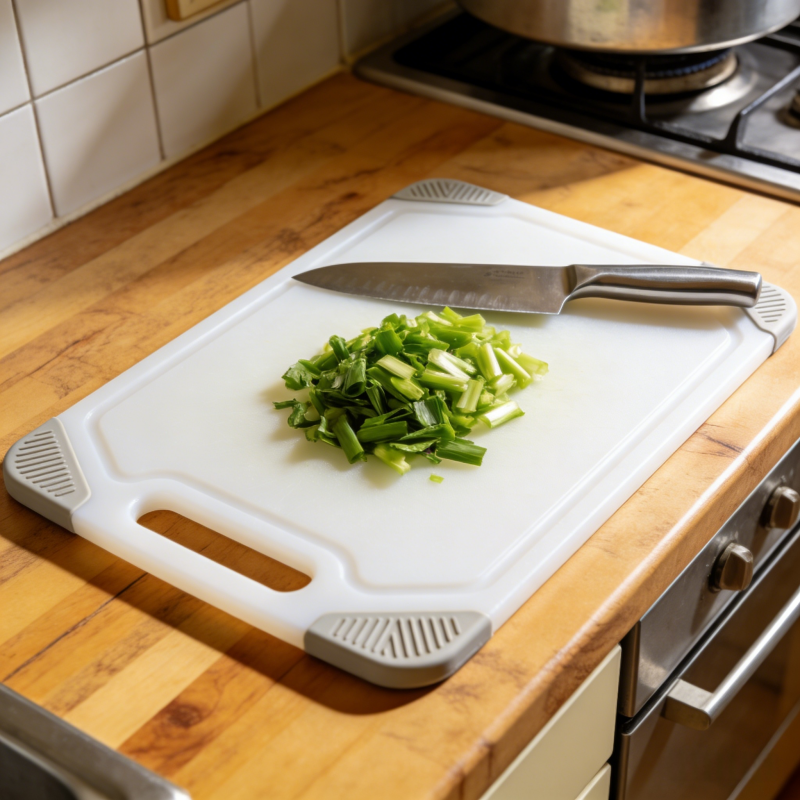
An HDPE cutting board is a cutting surface manufactured from High-Density Polyethylene (HDPE), a food-grade thermoplastic polymer widely recognized for its durability and chemical stability.
HDPE is one of the most commonly used plastics in food-contact applications. It is found in products such as:
- Milk jugs
- Food storage containers
- Water supply pipes
- Food processing equipment
- Commercial chopping boards
Because of its excellent resistance to moisture and chemicals, HDPE has become the preferred material for commercial kitchen cutting boards.
Unlike natural materials such as wood, HDPE plastic cutting boards offer a consistent, non-porous surface that can withstand repeated washing and heavy food preparation tasks.
HDPE cutting boards are widely accepted by restaurants, butcher shops, catering companies, and institutional kitchens because they balance food safety, durability, and cost-effectiveness better than many alternative materials.
What Does HDPE Mean?
HDPE stands for High-Density Polyethylene.
Polyethylene itself is one of the world's most widely used plastics. It comes in several forms, including:
| Material | Full Name | Typical Uses |
|---|---|---|
| LDPE | Low-Density Polyethylene | Plastic bags, squeeze bottles |
| HDPE | High-Density Polyethylene | Cutting boards, milk containers, pipes |
| UHMWPE | Ultra-High Molecular Weight Polyethylene | Industrial wear parts |
The "high-density" structure means HDPE molecules are tightly packed together, giving the material enhanced:
- Impact resistance
- Rigidity
- Chemical resistance
- Durability
- Moisture resistance
These characteristics make HDPE particularly suitable for kitchen environments where cutting boards experience constant contact with knives, water, detergents, and food acids.
HDPE Cutting Board Material Properties
Understanding the properties of HDPE cutting board material explains why it performs so well in commercial food preparation environments.
| Property | HDPE Performance |
|---|---|
| Food Contact Safety | Excellent |
| Moisture Absorption | Extremely Low |
| Chemical Resistance | Excellent |
| Impact Strength | High |
| Warp Resistance | High |
| Dishwasher Compatibility | Yes |
| Cost Efficiency | Excellent |
| Maintenance Requirement | Low |
One of the most important advantages is HDPE's extremely low water absorption rate. Since the material does not readily absorb moisture, it reduces the likelihood of swelling, cracking, or structural deterioration.
Its chemical resistance also allows it to withstand cleaning agents and sanitizers commonly used in professional kitchens.
Are HDPE Cutting Boards Food Safe?
Yes. High-quality HDPE cutting boards manufactured from certified food-grade resin are considered safe for food preparation.
In fact, HDPE is one of the most widely approved materials used in food processing industries around the world.
Food-grade HDPE does not normally release harmful chemicals into food under standard kitchen conditions.
This makes HDPE plastic cutting boards suitable for preparing:
- Raw meat
- Poultry
- Seafood
- Vegetables
- Fruit
- Bread and baked goods
FDA Compliance
Many HDPE cutting boards sold internationally are manufactured using FDA-compliant materials.
FDA food-contact compliance generally indicates that the material has been evaluated for safe use with food under intended conditions.
LFGB Certification
For European markets, premium HDPE chopping boards may also comply with LFGB requirements.
LFGB testing is often considered one of the strictest food-contact standards in the world.
Products meeting LFGB requirements undergo migration testing to ensure consumer safety.
Not all plastic cutting boards are equal. Always choose products manufactured using certified food-grade HDPE resin and request testing documentation when sourcing commercial quantities.
Why Commercial Kitchens Prefer HDPE Chopping Boards
Walk into almost any professional kitchen, and you are likely to find HDPE chopping boards being used throughout food preparation areas.
Their popularity is not accidental.
Commercial kitchens require cutting surfaces that can withstand:
- Heavy daily usage
- Frequent washing
- Strict sanitation procedures
- High staff turnover
- Cross-contamination prevention protocols
HDPE boards meet these requirements exceptionally well.
Unlike premium hardwood boards that require oiling and careful maintenance, HDPE cutting boards can simply be washed, sanitized, and returned to service.
This efficiency saves both labor costs and replacement expenses.
Industries That Commonly Use HDPE Cutting Boards
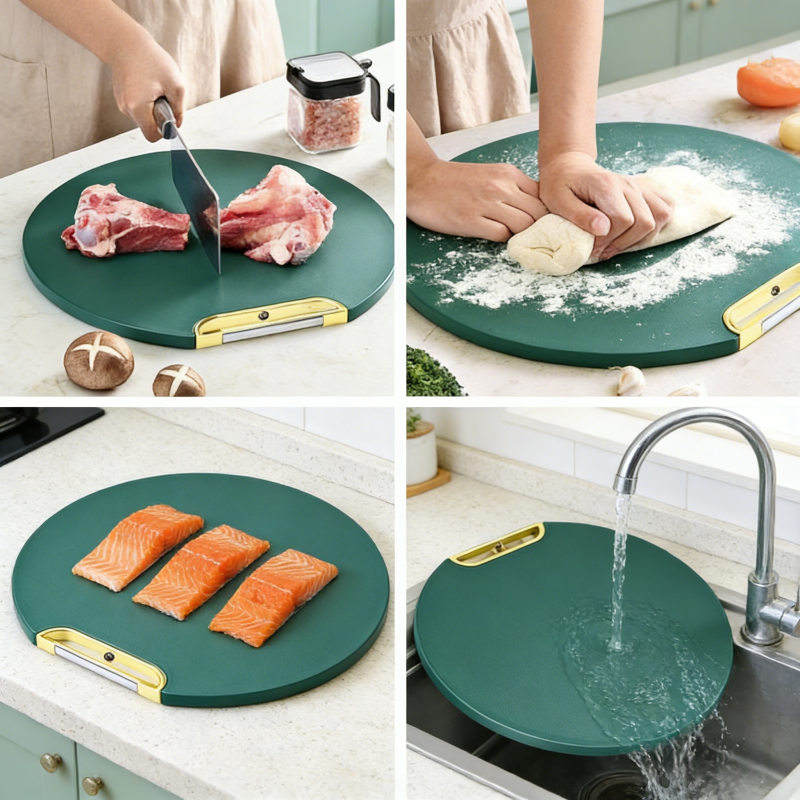
HDPE cutting boards are widely adopted across multiple sectors of the food industry.
- Restaurants: Daily food preparation and portioning.
- Butcher Shops: Meat cutting and trimming operations.
- Seafood Markets: Moisture-resistant preparation surfaces.
- Catering Companies: Portable and easy-to-clean equipment.
- Institutional Kitchens: Schools, hospitals, and cafeterias.
- Food Processing Plants: High-volume production environments.
Their versatility is one of the major reasons HDPE chopping boards continue to dominate commercial kitchen applications worldwide.
HDPE Cutting Board vs Wood: Which Is Better?
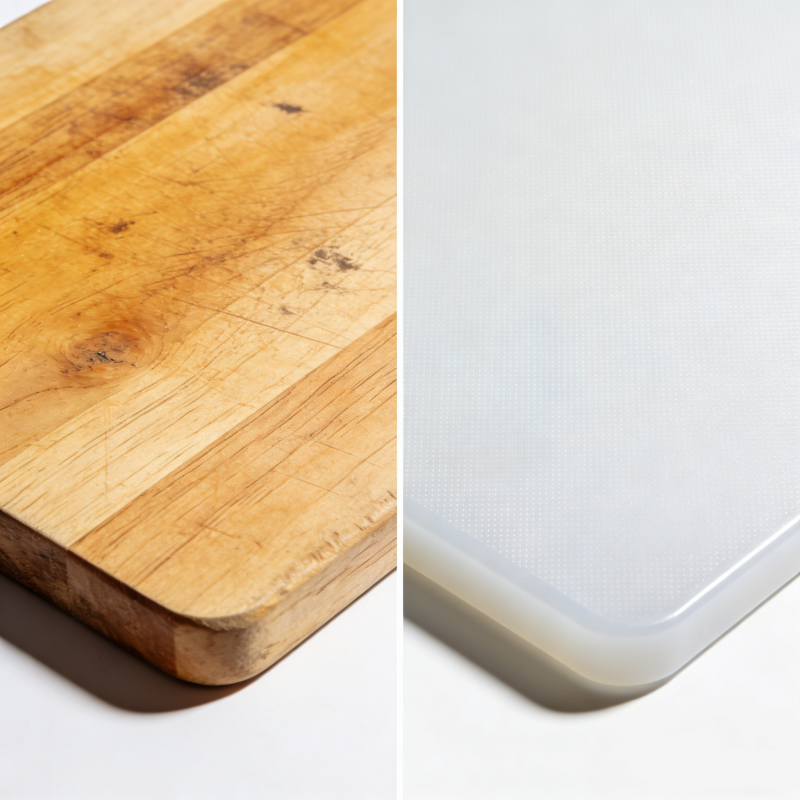
One of the most common questions buyers ask is whether an HDPE cutting board is better than a traditional wooden cutting board. The answer depends largely on how the board will be used.
Wooden boards have long been appreciated for their natural beauty and knife-friendly surfaces, while HDPE chopping boards dominate commercial kitchens due to their hygiene and ease of maintenance.
| Feature | HDPE Cutting Board | Wood Cutting Board |
|---|---|---|
| Food Safety | Excellent | Excellent |
| Dishwasher Safe | Yes | No |
| Knife Friendliness | Good | Excellent |
| Maintenance | Low | High |
| Moisture Resistance | Excellent | Moderate |
| Commercial Use | Very Common | Less Common |
| Appearance | Functional | Premium |
| Cost | Affordable | Medium to High |
For restaurants and foodservice operations, HDPE plastic cutting boards generally provide the most practical solution. However, home cooks who value aesthetics and knife preservation may still prefer hardwood boards.
If hygiene, efficiency, and low maintenance are your priorities, HDPE is often the better choice. If appearance and knife friendliness matter most, wood may be preferable.
HDPE vs Bamboo Cutting Boards
Bamboo cutting boards have become increasingly popular among environmentally conscious consumers. However, bamboo and HDPE serve different user needs.
| Feature | HDPE | Bamboo |
|---|---|---|
| Sustainability | Moderate | Excellent |
| Durability | Excellent | Good |
| Dishwasher Safe | Yes | No |
| Water Resistance | Excellent | Moderate |
| Maintenance | Low | Moderate |
| Commercial Applications | Very Common | Limited |
Bamboo appeals to eco-conscious households because it is a renewable resource. However, bamboo boards require more maintenance and are generally less suitable for high-volume commercial kitchens.
HDPE chopping boards remain the preferred choice when operational efficiency and sanitation are the primary concerns.
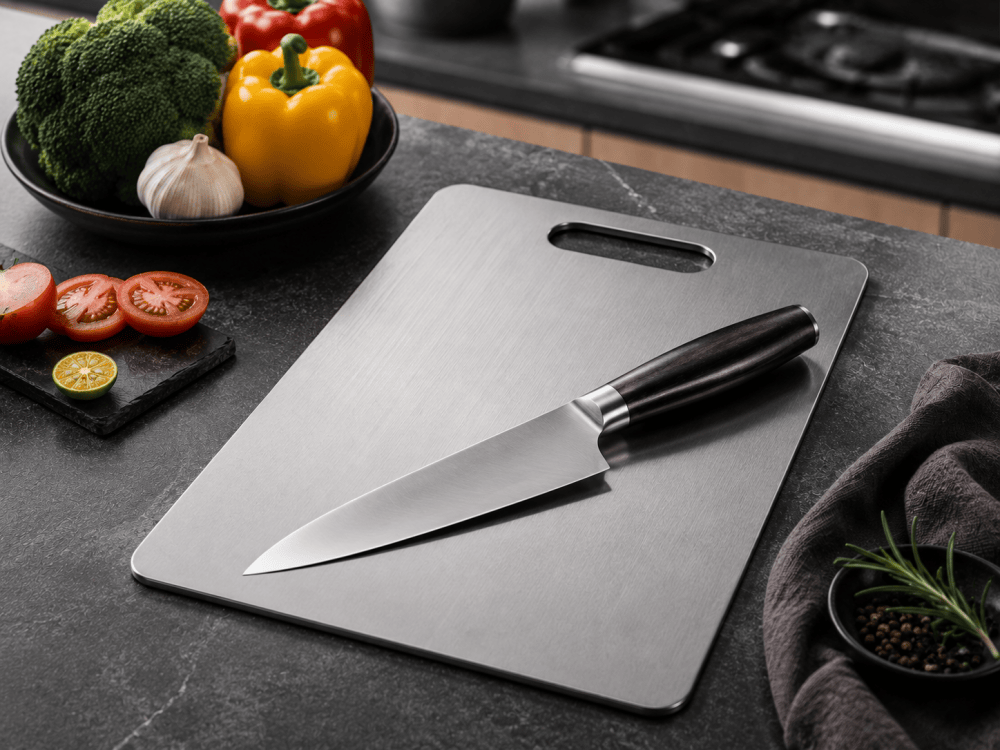
HDPE vs Stainless Steel Cutting Boards
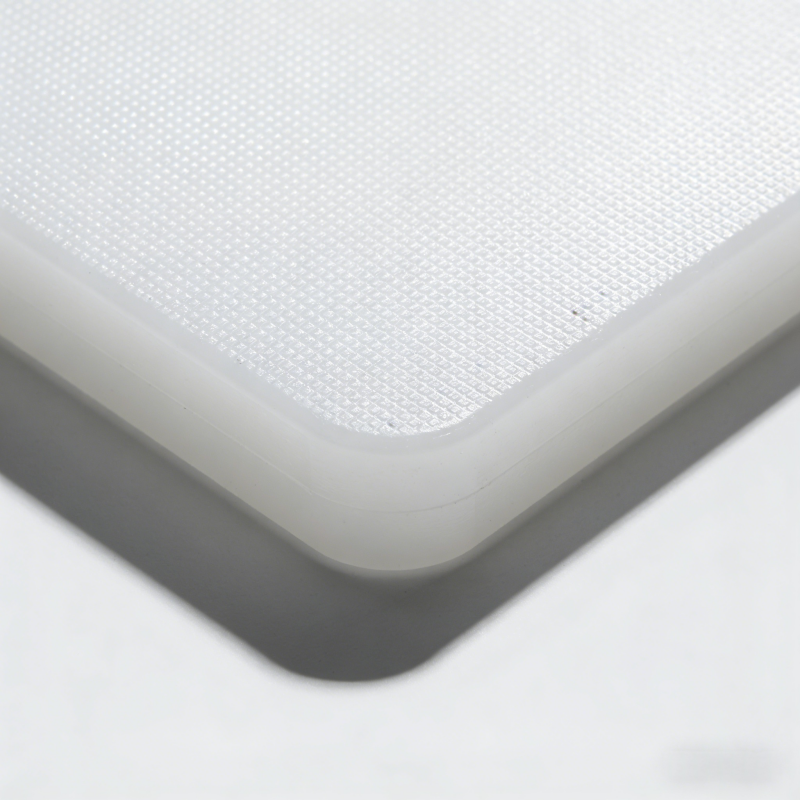
Stainless steel cutting boards have gained attention in recent years due to concerns surrounding bacteria and microplastics. However, they remain a niche product compared to HDPE cutting boards.
| Feature | HDPE | Stainless Steel |
|---|---|---|
| Food Safety | Excellent | Excellent |
| Knife Wear | Moderate | High |
| Surface Noise | Low | High |
| Weight | Lightweight | Heavy |
| Cost | Affordable | Higher |
| Commercial Use | Extensive | Limited |
While stainless steel offers outstanding durability and hygiene, it can significantly dull knives and may not provide the user experience most cooks prefer.
For this reason, HDPE cutting boards continue to dominate the foodservice industry.
HDPE Plastic Cutting Boards vs PP Cutting Boards
Many consumers assume that all plastic cutting boards are identical. In reality, the differences between HDPE and polypropylene (PP) can influence performance and longevity.
Since both materials are commonly used by kitchenware manufacturers, understanding their characteristics is essential when selecting products.
| Feature | HDPE | PP |
|---|---|---|
| Impact Resistance | Excellent | Good |
| Rigidity | High | Moderate |
| Flexibility | Lower | Higher |
| Heat Resistance | Good | Very Good |
| Commercial Applications | Extensive | Moderate |
| Cost | Moderate | Moderate |
| Heavy-Duty Use | Excellent | Good |
HDPE cutting boards are generally favored for demanding commercial applications due to their superior impact resistance and durability.
PP boards, meanwhile, may appeal to home users seeking lightweight solutions.
What Are HDPE Cutting Board Sheets?
One of the fastest-growing search terms in this category is HDPE cutting board sheets.
Unlike finished cutting boards, HDPE cutting board sheets refer to raw HDPE panels that can be fabricated into customized products.
Manufacturers, distributors, and industrial buyers often purchase HDPE sheets to create:
- Custom cutting boards.
- Food processing surfaces.
- Meat preparation stations.
- Machine wear components.
- Industrial worktops.
- OEM kitchen products.
HDPE sheets provide tremendous flexibility for private-label brands because they can be cut, routed, engraved, and customized according to market requirements.
Common HDPE Cutting Board Sheet Thicknesses
Thickness selection depends on the intended application.
| Thickness | Typical Applications |
|---|---|
| 1/4 inch (6 mm) | Light-duty household use |
| 1/2 inch (12 mm) | General food preparation |
| 3/4 inch (19 mm) | Commercial kitchens |
| 1 inch (25 mm) | Heavy-duty butcher stations |
| 1.5 inches (38 mm) | Industrial food processing |
Thicker HDPE chopping boards offer increased stability, reduced warping, and longer service life under demanding conditions.
How HDPE Cutting Board Sheets Are Manufactured
Food-grade HDPE sheets are typically produced through extrusion processes that transform polyethylene resin into uniform panels.
The production process generally includes:
- Food-grade resin selection.
- High-temperature extrusion.
- Cooling and stabilization.
- Precision cutting.
- Surface finishing.
- Quality inspection.
Premium manufacturers conduct additional testing to verify compliance with international food-contact standards.
How Long Do HDPE Cutting Boards Last?
The lifespan of an HDPE cutting board depends largely on usage intensity and maintenance practices.
Under normal household conditions, a high-quality HDPE board can last several years.
Commercial kitchens may replace boards more frequently due to heavy use and strict food safety protocols.
| Environment | Expected Lifespan |
|---|---|
| Home Kitchens | 3–7 Years |
| Restaurants | 1–3 Years |
| Butcher Shops | 6–24 Months |
| Industrial Processing | Varies by Usage |
Deep knife grooves should be monitored carefully. Once the surface becomes excessively worn, replacement is recommended to maintain hygiene standards.
Do HDPE Cutting Boards Harbor Bacteria?
This remains one of the most debated topics surrounding plastic cutting boards.
HDPE itself is non-porous and resistant to moisture absorption. However, repeated knife use eventually creates grooves that may trap food particles.
Fortunately, the risk can be minimized through proper cleaning practices:
- Wash immediately after use.
- Use hot water and detergent.
- Sanitize regularly.
- Separate raw meat and produce boards.
- Replace heavily scarred boards.
When properly maintained, HDPE chopping boards continue to meet the hygiene requirements of commercial kitchens worldwide.
How to Choose the Best HDPE Cutting Board
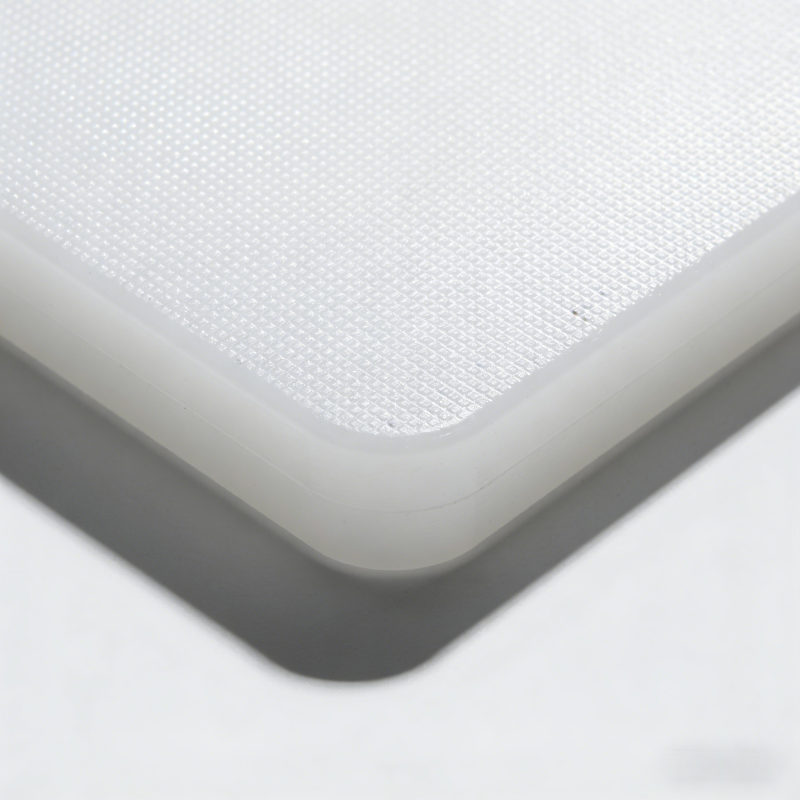
With so many HDPE cutting boards available on the market, choosing the right one can feel overwhelming. The best HDPE chopping board depends on how and where it will be used.
Whether you are purchasing for a home kitchen, restaurant, butcher shop, or private-label brand, focusing on the following factors will help ensure you select a cutting board that offers the right balance of safety, durability, and functionality.
1. Choose the Right Size
Size is one of the first considerations when selecting an HDPE cutting board.
| Board Size | Best For |
|---|---|
| Small (20–30 cm) | Fruit, herbs, quick prep |
| Medium (30–40 cm) | Everyday home cooking |
| Large (40–50 cm) | Meal preparation and family cooking |
| Extra Large (50 cm+) | Restaurants, butchers, foodservice |
Commercial kitchens typically prefer large HDPE chopping boards because they provide greater working space and improve operational efficiency.
2. Consider Thickness
Thickness directly affects durability and stability.
- 6–8 mm: Lightweight household use.
- 10–15 mm: General kitchen applications.
- 20–25 mm: Heavy-duty commercial use.
- 30 mm+: Butcher blocks and industrial applications.
Thicker HDPE cutting boards are less likely to warp and generally offer a longer service life.
3. Look for Food-Grade Certification
Always verify that the board is manufactured using certified food-grade HDPE resin.
Reputable suppliers often provide documentation demonstrating compliance with:
- FDA food-contact requirements.
- LFGB standards.
- EU food safety regulations.
- Third-party migration testing.
If you are sourcing HDPE cutting boards for retail or commercial distribution, requesting food-contact certificates and test reports can reduce compliance risks and improve customer confidence.
Why Are HDPE Chopping Boards Color Coded?
One of the reasons HDPE chopping boards dominate professional kitchens is their compatibility with color-coded food safety systems.
Color coding helps reduce cross-contamination by assigning specific boards to different food categories.
| Color | Food Category |
|---|---|
| Red | Raw meat |
| Blue | Raw seafood |
| Green | Vegetables and fruits |
| Yellow | Cooked poultry |
| Brown | Root vegetables |
| White | Dairy and bakery products |
This system is widely used in HACCP food safety programs and is especially valuable in busy commercial kitchens where multiple employees share equipment.
Custom HDPE Cutting Boards for OEM Brands
As demand for private-label kitchenware continues to grow, custom HDPE cutting boards have become a major opportunity for distributors and kitchenware brands.
Unlike natural materials, HDPE sheets are easy to fabricate and customize, allowing brands to create products tailored to their target markets.
Common OEM customization options include:
- Custom sizes and thicknesses.
- Color matching.
- Logo engraving or embossing.
- Juice grooves.
- Non-slip feet.
- Handle cutouts.
- Retail packaging design.
- Multi-board sets.
For wholesalers and importers, customized HDPE chopping boards provide an effective way to differentiate product offerings while maintaining competitive pricing.
Common Applications of HDPE Cutting Boards
Because of their versatility, HDPE plastic cutting boards are used across numerous industries.
- Restaurants.
- Hotels.
- Institutional kitchens.
- Food factories.
- Butcher shops.
- Seafood processing facilities.
- Catering businesses.
- Home kitchens.
- Private-label retail brands.
Their combination of durability and affordability makes them suitable for both professional and consumer markets.
Frequently Asked Questions About HDPE Cutting Boards
Are HDPE cutting boards dishwasher safe?
Yes. Most HDPE cutting boards can be cleaned safely in household and commercial dishwashers.
Do HDPE cutting boards dull knives?
HDPE is moderately knife-friendly. While it may dull blades slightly faster than end grain wood, it is gentler than stainless steel.
How often should HDPE chopping boards be replaced?
Replace boards when knife grooves become deep enough to trap food residue that cannot be adequately cleaned.
Can HDPE cutting boards be resurfaced?
Some commercial boards can be resurfaced through sanding or planing, although replacement is often more economical.
Are HDPE cutting boards BPA free?
Food-grade HDPE does not typically contain BPA, making it a safe choice for food preparation.
What is the difference between PE and HDPE cutting boards?
PE refers to polyethylene broadly, while HDPE specifically refers to high-density polyethylene, the most common food-grade option.
Can HDPE boards be used for raw meat?
Yes. HDPE boards are widely used for raw meat preparation in commercial kitchens.
Are HDPE cutting board sheets food safe?
Yes, provided they are manufactured from certified food-grade resin.
Why are white HDPE cutting boards so common?
White boards make food debris easier to identify and are often assigned to bakery and dairy preparation tasks.
What is the best HDPE cutting board thickness?
For most households, 10–15 mm works well. Commercial kitchens often prefer 20–25 mm boards.
Conclusion
HDPE cutting boards continue to set the standard for commercial food preparation because they deliver an outstanding combination of hygiene, durability, affordability, and ease of maintenance.
Whether you're equipping a busy restaurant, supplying institutional kitchens, or launching your own kitchenware brand, food-grade HDPE chopping boards provide a practical solution that meets modern food safety requirements.
By choosing certified materials, selecting the appropriate size and thickness, and replacing heavily worn boards when necessary, users can maximize both performance and safety for years to come.
Looking for Custom HDPE Cutting Board Manufacturers?
Kitlucy specializes in manufacturing food-grade HDPE cutting boards for wholesalers, distributors, and private-label brands worldwide. We offer customized sizes, colors, logo branding, packaging solutions, and OEM/ODM support to help you build a competitive kitchenware product line.
Explore our OEM solutions:
Customized OEM Service →
Browse our cutting board collections:
PP & Plastic Cutting Boards →
Contact our team for quotations and samples:
Contact Us →
Related Blogs