Custom Antibacterial Cutting Board Manufacturer: The Complete OEM Guide for Global Brands
Custom Antibacterial Cutting Board Manufacturer: The Complete OEM Guide for Global Brands
As food safety standards continue to evolve, antibacterial cutting boards have become one of the fastest-growing categories in the global kitchenware market. From household kitchens to restaurants, hotels, hospitals, and food processing facilities, buyers are looking for cutting boards that offer enhanced hygiene, long-lasting durability, and reliable food-contact safety.
For importers, wholesalers, retailers, and private-label brands, partnering with an experienced custom antibacterial cutting board manufacturer is no longer just about purchasing products—it is about building a competitive product line that meets international regulations while satisfying consumer demand.
This comprehensive guide explains how antibacterial cutting boards work, compares the latest antibacterial technologies, explores the best food-grade materials, and provides practical advice on selecting a trustworthy OEM manufacturer for your business.
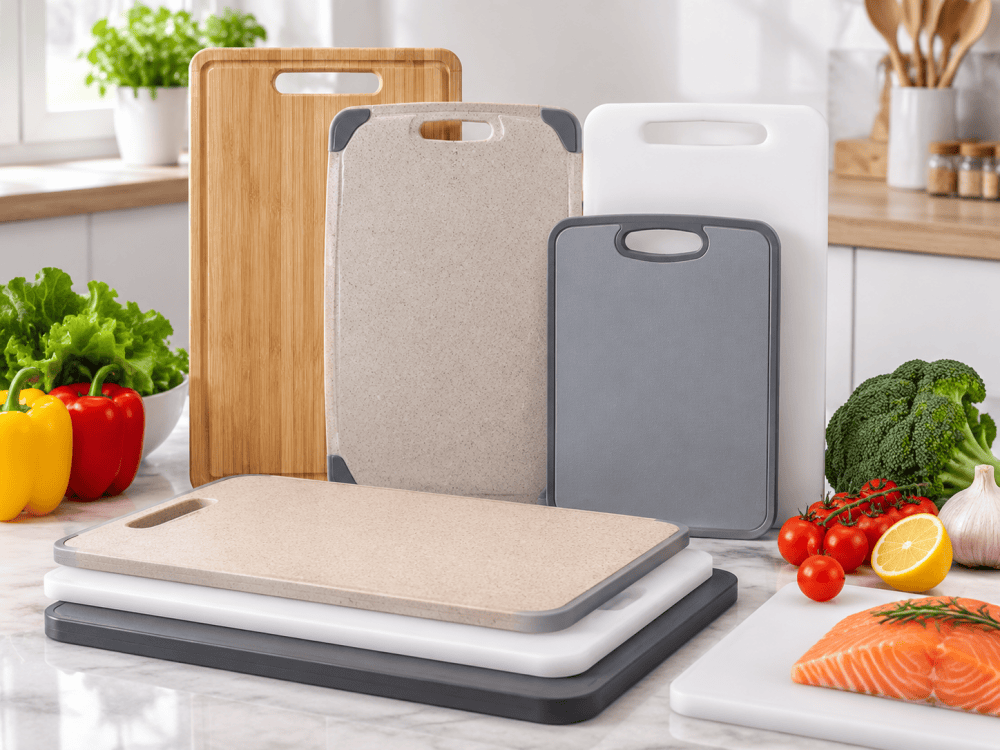
According to global kitchenware market trends, consumers increasingly prioritize hygiene, food safety, and easy maintenance when choosing cutting boards. As a result, antibacterial cutting boards have become a rapidly expanding product category for retailers, supermarkets, hospitality suppliers, and private-label brands.
What Is an Antibacterial Cutting Board?
An antibacterial cutting board is designed to help inhibit the growth of bacteria on its surface through specialized material technology or antimicrobial additives. Unlike conventional plastic cutting boards, antibacterial models incorporate protective technologies that continuously reduce microbial activity throughout the product's service life.
It is important to understand that an antibacterial cutting board does not sterilize food or completely eliminate bacteria. Instead, it helps reduce bacterial growth between cleanings, providing an additional layer of protection alongside proper kitchen hygiene practices.
Today's antibacterial cutting boards are commonly manufactured using materials such as:
- Food-grade HDPE (High-Density Polyethylene)
- Food-grade Polypropylene (PP)
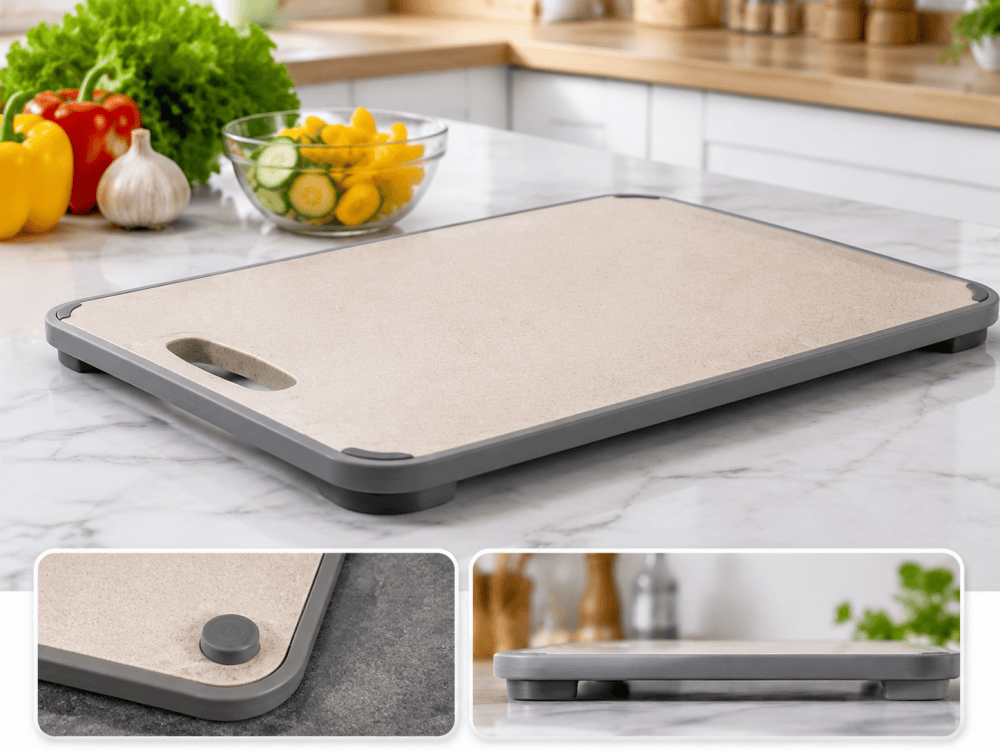
- Wheat straw composite materials
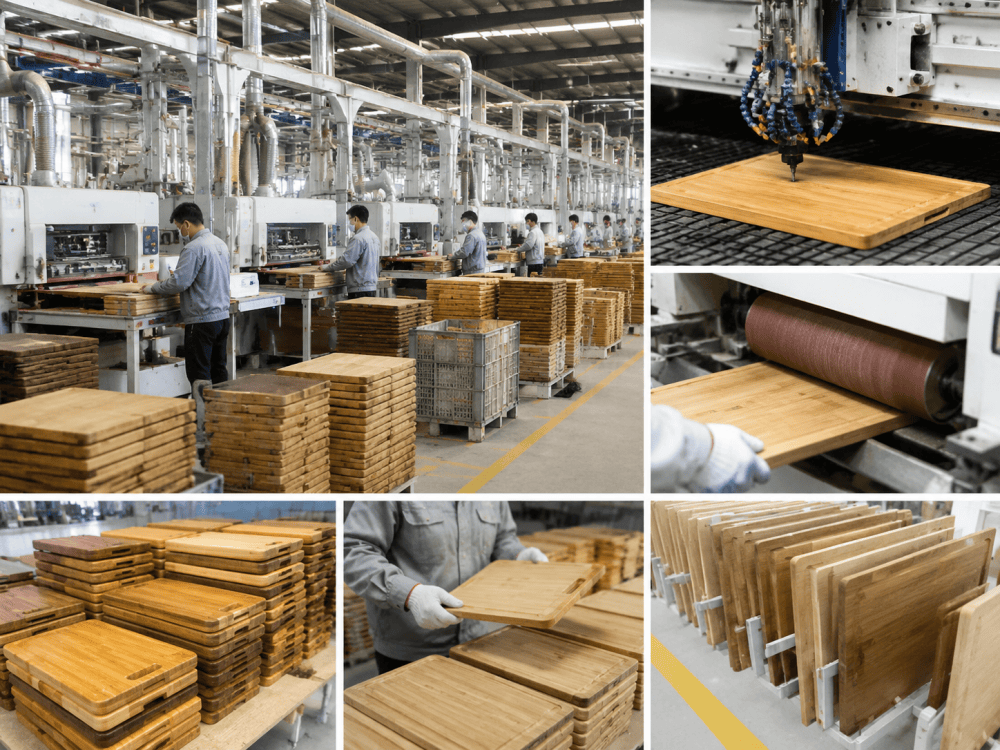
- Bamboo composite boards
- Stainless steel hybrid cutting boards
Many premium manufacturers permanently incorporate antimicrobial agents into the raw material during production rather than applying them as temporary surface coatings. This approach provides more consistent long-term antibacterial performance.

Why Is the Global Demand for Antibacterial Cutting Boards Growing?
Growing awareness of food safety has dramatically increased demand for hygienic kitchen products across both residential and commercial markets. Consumers today are more informed about cross-contamination, foodborne illnesses, and proper kitchen sanitation than ever before.
Several market trends are driving this demand:
- Higher household hygiene standards after the COVID-19 pandemic
- Stricter food safety regulations in restaurants and food service businesses
- Growing preference for food-grade certified kitchen products
- Increasing popularity of antibacterial household products
- Expansion of private-label kitchenware brands worldwide
Commercial buyers are particularly interested in antibacterial cutting boards because they help reinforce food safety protocols while offering a compelling marketing advantage to end consumers.
| Market Sector | Why Antibacterial Boards Are Popular |
|---|---|
| Home Kitchens | Improved food safety and easier maintenance |
| Restaurants | Supports hygiene management procedures |
| Hotels | High-frequency food preparation |
| Hospitals | Strict sanitation requirements |
| Food Processing | Enhanced contamination control |
| Retail Brands | Higher consumer appeal and product differentiation |
Many retailers are upgrading traditional HDPE cutting boards to antibacterial versions because consumers increasingly perceive antimicrobial products as premium kitchen essentials. This creates higher product value and stronger brand positioning in competitive retail markets.
How Does an Antibacterial Cutting Board Work?
One of the most common misconceptions is that antibacterial cutting boards instantly kill all bacteria. In reality, modern antimicrobial technology works by interfering with bacterial growth and reproduction, making it more difficult for microorganisms to multiply on the cutting surface.
Depending on the manufacturing process, antibacterial protection may be achieved through embedded antimicrobial particles, metallic ions, or specialized food-safe additives that remain active throughout the life of the board.
Unlike disinfectants that require repeated application, these technologies are incorporated directly into the material during manufacturing, allowing the protective effect to remain effective even after years of washing and daily use.
The Most Common Antibacterial Technologies
Different manufacturers use different antimicrobial solutions depending on product positioning, target markets, and certification requirements. Understanding these technologies helps buyers select the most appropriate solution for their customers.
1. Silver Ion Technology
Silver ion technology is currently the most widely adopted antibacterial solution in premium kitchenware. Silver ions disrupt bacterial cell membranes and interfere with microbial metabolism, preventing bacteria from reproducing effectively.
Because the silver particles are integrated throughout the material rather than coated on the surface, the antibacterial effect remains effective even after years of normal household use.
- Long-lasting antibacterial performance
- Food-contact safe when properly manufactured
- Widely accepted in international markets
- Suitable for premium retail products
2. Zinc-Based Antimicrobial Technology
Some manufacturers use zinc-based antimicrobial additives to provide broad-spectrum bacterial protection. These additives are generally more economical than silver ions while still offering effective microbial resistance for everyday kitchen applications.
- Cost-effective solution
- Stable during injection molding
- Suitable for large-volume production
3. Copper-Based Antibacterial Technology
Copper naturally exhibits antimicrobial properties and has been used for centuries in hygiene-sensitive environments. Modern manufacturers sometimes incorporate copper-based additives into cutting board materials to help inhibit bacterial growth.
Although less common than silver-ion technology, copper-based solutions are gaining attention in premium commercial kitchen products.
For most OEM projects targeting Europe and North America, food-grade HDPE combined with permanent silver-ion technology offers the best balance of food safety, durability, antibacterial performance, and consumer acceptance.
Do Antibacterial Cutting Boards Really Work?
Yes—but it's important to understand their purpose. Antibacterial cutting boards are designed to reduce the growth of bacteria on the board itself, not to replace regular cleaning or eliminate all microorganisms instantly.
When combined with proper washing, drying, and safe food handling practices, an antibacterial cutting board can provide an additional level of hygiene that is especially valuable in high-use kitchens.
For commercial buyers, the biggest advantage lies in combining certified food-grade materials, proven antimicrobial technology, and consistent manufacturing quality to deliver a product that meets both regulatory requirements and consumer expectations.
Best Materials for Antibacterial Cutting Boards
Choosing the right material is one of the most important decisions when developing an antibacterial cutting board. While antimicrobial technology enhances hygiene, the base material determines the board's durability, knife friendliness, moisture resistance, and overall service life.
Professional manufacturers typically recommend food-grade materials that comply with international food-contact regulations while maintaining excellent mechanical performance during years of daily use.
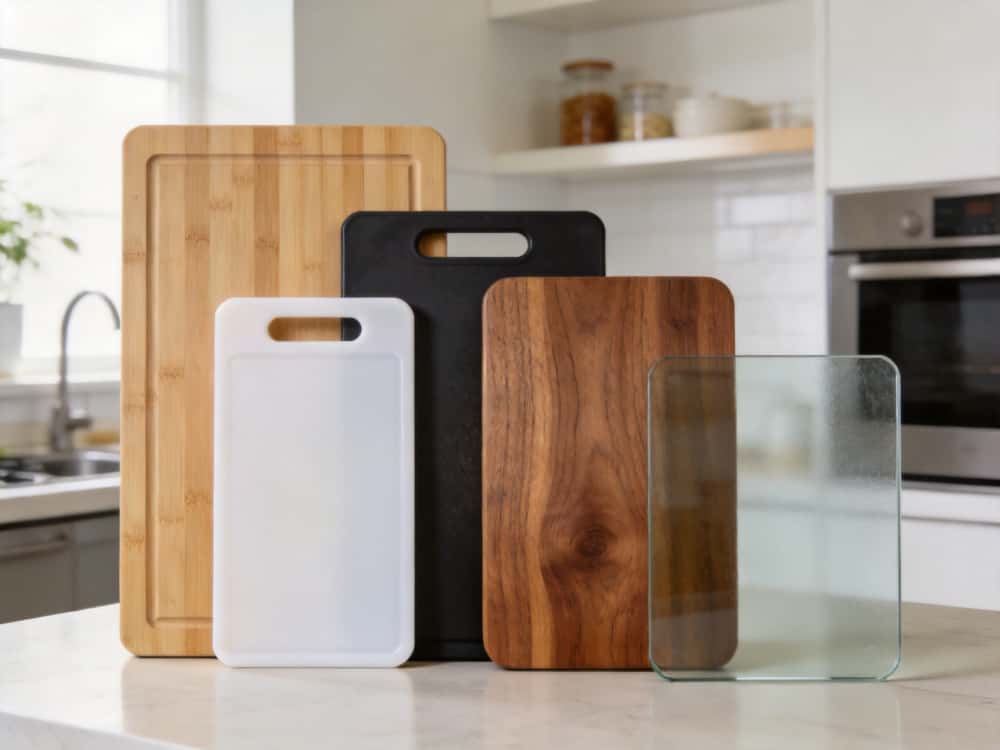
1. HDPE (High-Density Polyethylene)
HDPE is by far the most widely used material for antibacterial cutting boards. It combines excellent impact resistance, low moisture absorption, chemical stability, and cost efficiency, making it the preferred choice for commercial kitchens and private-label brands worldwide.
- Food-grade and BPA-free
- Compatible with silver-ion additives
- Excellent impact resistance
- Easy to clean and sanitize
- Suitable for dishwasher cleaning
- Long production lifespan
Because HDPE has a non-porous structure, liquids cannot easily penetrate the surface, helping reduce bacterial accumulation when combined with proper cleaning practices.
2. Polypropylene (PP)
Polypropylene offers another excellent option for antibacterial cutting boards. It is lightweight, chemically stable, and resistant to moisture. PP is commonly used for household kitchen products where lower weight is preferred.
- Lightweight
- Food-contact safe
- Cost-effective
- Good chemical resistance
3. Wheat Straw Composite
As consumers become increasingly environmentally conscious, wheat straw composite cutting boards have gained popularity. These products combine natural plant fibers with food-grade polymers to reduce plastic usage while maintaining durability.
Many OEM buyers choose wheat straw products for eco-friendly product lines targeting European retailers.
4. Bamboo Composite
Bamboo provides a natural appearance while offering relatively good antibacterial characteristics. Composite bamboo boards are often marketed as sustainable alternatives for environmentally conscious consumers.
However, bamboo generally requires more maintenance than HDPE and may absorb moisture over extended use if not properly manufactured.
5. Stainless Steel Hybrid Boards
Some premium manufacturers now produce hybrid cutting boards that combine stainless steel with food-grade plastic. These products appeal to consumers seeking maximum hygiene and modern aesthetics.
| Material | Food Safety | Durability | Maintenance | Best Application |
|---|---|---|---|---|
| HDPE | ★★★★★ | ★★★★★ | ★★★★★ | Commercial Kitchens |
| PP | ★★★★★ | ★★★★☆ | ★★★★★ | Household Use |
| Wheat Straw Composite | ★★★★☆ | ★★★★☆ | ★★★★☆ | Eco Retail |
| Bamboo Composite | ★★★★☆ | ★★★★☆ | ★★★☆☆ | Premium Home Kitchens |
| Stainless Steel Hybrid | ★★★★★ | ★★★★★ | ★★★★★ | Professional Kitchens |
For most OEM projects, food-grade HDPE remains the preferred material because it offers the ideal combination of durability, hygiene, affordability, and compatibility with permanent antibacterial additives.
Advantages of Antibacterial Cutting Boards
Compared with conventional cutting boards, antibacterial models provide additional value for both commercial buyers and end users.
- Helps reduce bacterial growth on the surface.
- Supports modern food safety practices.
- Improves consumer confidence in kitchen hygiene.
- Suitable for both home and professional kitchens.
- Easy to clean and maintain.
- Long-lasting antibacterial protection when manufactured correctly.
- Higher perceived value for retail brands.

Potential Limitations
Although antibacterial cutting boards offer many benefits, buyers should also understand their limitations.
- They do not replace regular cleaning.
- Deep knife grooves should still be monitored.
- Antibacterial technology cannot prevent cross-contamination caused by improper food handling.
- Premium antimicrobial additives increase production cost.
Educating consumers about proper maintenance helps maximize the effectiveness and lifespan of antibacterial products.
Where Are Antibacterial Cutting Boards Used?
Today, antibacterial cutting boards are used across a wide range of industries where hygiene and food safety are critical.
Home Kitchens
Families appreciate antibacterial cutting boards because they are easy to clean, durable, and help support safer everyday food preparation.
Restaurants
Restaurants use antibacterial HDPE cutting boards to support food safety procedures while withstanding heavy daily use.
Hotels
Large hotel kitchens prepare hundreds of meals every day, making hygienic food preparation equipment essential.
Hospitals
Hospital food service departments require strict hygiene management. Antibacterial cutting boards provide an additional layer of protection alongside sanitation protocols.
Schools and Cafeterias
Educational institutions increasingly select food-grade antibacterial chopping boards because they are durable, economical, and easy to sanitize.
Food Processing Facilities
Food manufacturers often integrate antibacterial cutting boards into HACCP-based production systems to help improve operational hygiene.
| Industry | Main Requirement | Recommended Material |
|---|---|---|
| Restaurant | Heavy-duty daily use | HDPE |
| Hotel | High hygiene standards | HDPE + Silver Ion |
| Hospital | Maximum sanitation | HDPE / Stainless Steel Hybrid |
| Retail | Product appearance | Wheat Straw Composite |
| Food Factory | Food safety compliance | HDPE |
Demand for custom antibacterial cutting boards continues to grow among supermarkets, kitchenware brands, Amazon sellers, and hospitality suppliers. Buyers increasingly seek products that combine certified food-grade materials, modern antimicrobial technology, and sustainable packaging to strengthen their market competitiveness.
How Antibacterial Cutting Boards Are Manufactured
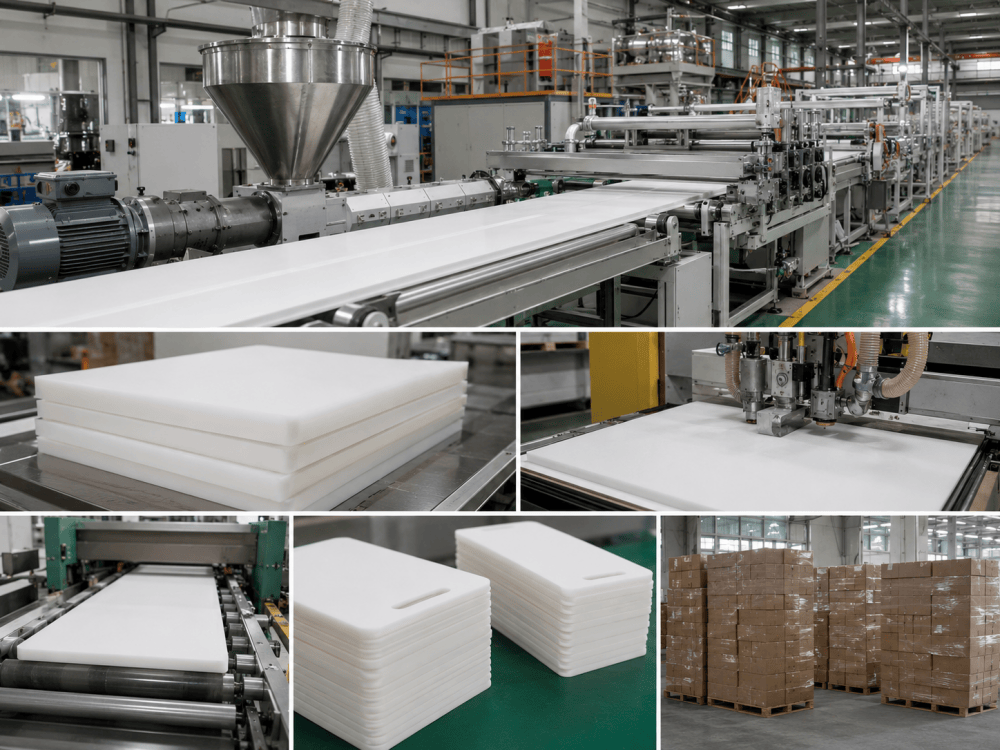
Producing a high-quality antibacterial cutting board requires more than simply adding antimicrobial agents to plastic. A reliable manufacturer must combine premium raw materials, advanced production equipment, strict quality control, and internationally recognized food safety standards to ensure consistent product performance.
The manufacturing process directly affects the cutting board's durability, antibacterial effectiveness, appearance, and overall lifespan.
Step 1: Selecting Food-Grade Raw Materials
Production begins with certified food-grade materials such as HDPE or polypropylene. These raw materials must comply with food-contact regulations and provide excellent impact resistance, low water absorption, and long-term stability.
For premium products, manufacturers also prepare antimicrobial additives such as silver-ion or zinc-based compounds before production.
Step 2: Mixing Antibacterial Additives
Instead of applying a temporary antibacterial coating, experienced manufacturers blend antimicrobial agents directly into the plastic pellets before molding. This creates permanent antibacterial protection throughout the entire board rather than only on the surface.
- Uniform distribution of antibacterial particles
- Long-lasting performance
- No peeling or coating wear
- Consistent quality across production batches
Step 3: Injection or Compression Molding
The mixed material is molded into the required shape using precision production equipment. During this stage, manufacturers can produce a wide variety of custom sizes, colors, textures, juice grooves, and anti-slip features.
Step 4: Surface Finishing
After molding, the boards undergo trimming, polishing, edge finishing, and surface inspection to ensure a smooth appearance and comfortable handling.
Step 5: Quality Inspection
Each batch is inspected for dimensions, weight, appearance, color consistency, impact resistance, and antibacterial performance before packaging.
Embedding antibacterial technology directly into the material provides significantly better long-term performance than surface-coated products, making it the preferred solution for OEM and private-label kitchenware brands.
International Certifications to Look For
Professional buyers should always verify that a manufacturer can provide internationally recognized certifications for both food safety and manufacturing quality.
| Certification | Purpose | Importance |
|---|---|---|
| FDA | Food-contact compliance (USA) | ★★★★★ |
| LFGB | Food-contact compliance (Germany/EU) | ★★★★★ |
| BPA Free | Consumer safety | ★★★★★ |
| SGS Testing | Third-party verification | ★★★★☆ |
| ISO 9001 | Quality management | ★★★★☆ |
| ISO 22196 | Antibacterial performance testing | ★★★★★ |
Requesting test reports before placing large-volume orders helps reduce sourcing risks and ensures the products meet your target market's regulatory requirements.
How to Choose the Right Antibacterial Cutting Board Manufacturer
Not every supplier offering antibacterial cutting boards has the same level of manufacturing capability. Choosing the right OEM partner can significantly impact product quality, delivery reliability, and long-term business success.
Evaluate Manufacturing Experience
Manufacturers with years of experience in kitchenware production are generally better equipped to maintain consistent quality and solve technical challenges.
Check Customization Capabilities
A professional supplier should support:
- Custom dimensions
- Custom colors
- Logo printing or laser engraving
- Private-label packaging
- Retail-ready barcodes and labels
- Color-coded commercial systems
Review Production Capacity
Reliable manufacturers should maintain stable production schedules, automated equipment, and sufficient monthly output to support large international orders.
Confirm Quality Control Procedures
Ask suppliers about raw material inspection, in-process quality checks, finished product testing, and traceability systems before making a purchasing decision.
Selecting the lowest-priced supplier often leads to inconsistent quality. Instead, prioritize manufacturers with proven OEM experience, international certifications, and transparent quality management systems.
Questions Buyers Should Ask Before Placing an OEM Order
- Are your raw materials certified food-grade?
- Which antibacterial technology do you use?
- Can you provide FDA and LFGB test reports?
- Do you offer custom logo and packaging?
- What is your minimum order quantity (MOQ)?
- Can you develop custom molds?
- What colors and sizes are available?
- How long is the production lead time?
- Do you perform antibacterial performance testing?
- Can you provide samples before mass production?
Frequently Asked Questions
Do antibacterial cutting boards completely eliminate bacteria?
No. They help inhibit bacterial growth on the board's surface but should always be used together with proper cleaning and food handling practices.
What is the best material for an antibacterial cutting board?
Food-grade HDPE remains the most popular material because it combines durability, hygiene, affordability, and compatibility with antimicrobial additives.
How long does the antibacterial effect last?
When antimicrobial agents are integrated into the raw material during manufacturing, the antibacterial protection typically lasts throughout the normal lifespan of the cutting board.
Can antibacterial cutting boards go in the dishwasher?
Most HDPE and polypropylene antibacterial cutting boards are dishwasher safe. Always follow the manufacturer's care instructions.
Do silver ions wear off over time?
No. When incorporated throughout the material, silver ions continue providing antibacterial protection even after repeated washing.
Can I customize the cutting board with my logo?
Yes. Most OEM manufacturers offer laser engraving, silk-screen printing, embossing, and customized retail packaging.
What industries use antibacterial cutting boards?
Restaurants, hotels, hospitals, schools, supermarkets, catering companies, food factories, and household kitchens all commonly use antibacterial cutting boards.
What certifications should I request from a supplier?
FDA, LFGB, BPA Free, SGS testing reports, ISO 9001, and ISO 22196 are among the most valuable certifications for international buyers.
What is the typical MOQ for OEM orders?
MOQ varies depending on product specifications and customization requirements. Many manufacturers offer flexible quantities for private-label projects.
Why are antibacterial cutting boards becoming more popular?
Growing awareness of food safety, stricter hygiene regulations, and increasing consumer demand for healthier kitchen products continue to drive global market growth.
Conclusion
Antibacterial cutting boards have become an essential product category for today's kitchenware industry. By combining food-grade materials, advanced antimicrobial technology, and strict manufacturing standards, they offer a practical solution for improving hygiene in both residential and commercial kitchens.
For importers, wholesalers, retailers, and private-label brands, partnering with an experienced custom antibacterial cutting board manufacturer provides access to reliable quality, flexible customization, and scalable production capacity. Choosing a supplier with proven OEM experience and internationally recognized certifications helps ensure long-term product success in competitive global markets.
Partner with Kitlucy for Custom Antibacterial Cutting Boards
Kitlucy specializes in manufacturing premium food-grade antibacterial cutting boards for global brands, wholesalers, distributors, and retailers. We offer OEM and private-label solutions with custom sizes, colors, logo printing, packaging design, and advanced silver-ion antibacterial technology. Backed by strict quality control and international certifications, we help you bring safe, innovative, and market-ready kitchen products to your customers worldwide. Contact our team today to discuss your next OEM project.
Related Blogs