What Is PP5 Plastic? Is PP5 Plastic Microwave Safe? A Complete Guide
What Is PP5 Plastic? Is PP5 Plastic Microwave Safe? A Complete Guide
If you have ever looked at the bottom of a food container, kitchen bowl, storage box, or plastic package, you may have noticed a recycling symbol with the number 5. This number identifies PP5 plastic, one of the most widely used plastics for food storage and household products.
But what exactly is PP5 plastic? Is PP5 plastic microwave safe? Can polypropylene containers be used for hot food? And does the PP5 recycling symbol automatically mean that a plastic container is safe for microwave use?
This guide explains what PP5 plastic means, its properties, common kitchen applications, microwave safety, food-contact considerations, and recycling information.
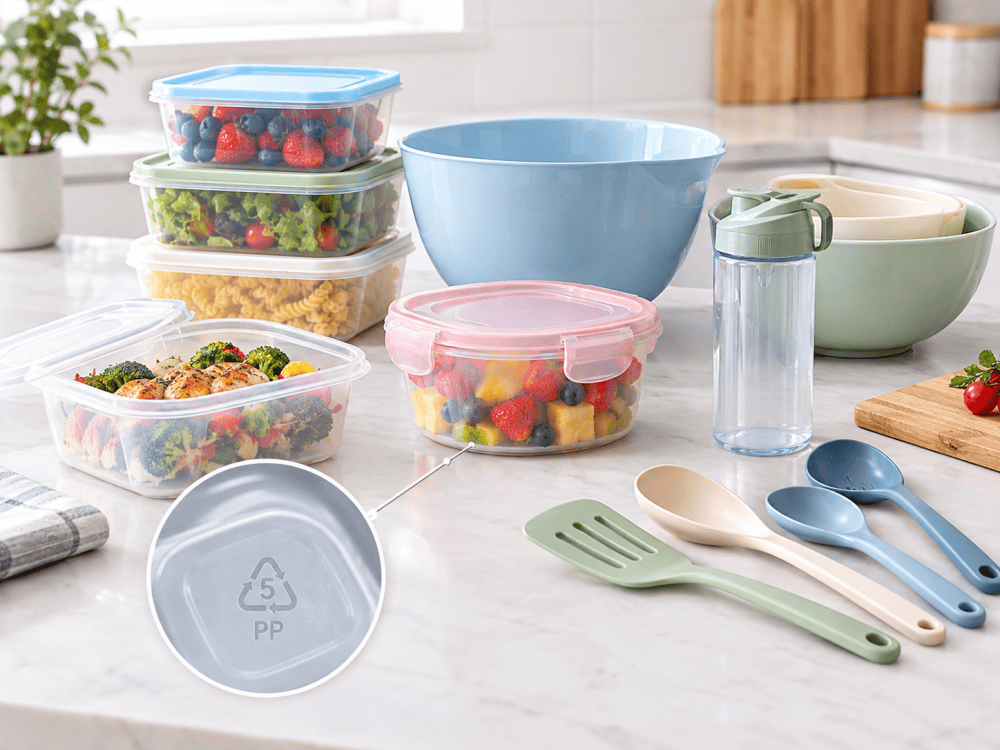
Quick answer: PP5 refers to polypropylene (PP), a plastic identified by recycling code 5. Polypropylene is commonly used for food containers, kitchenware, packaging, and household products because of its useful combination of durability, chemical resistance, and heat resistance.
However, PP5 does not automatically mean that every product is microwave safe. A polypropylene container should only be used in a microwave when the product or manufacturer specifically indicates that it is suitable for microwave use.
What Is PP5 Plastic?
PP5 plastic is polypropylene plastic identified by the recycling identification code 5. The abbreviation PP stands for polypropylene, a thermoplastic polymer widely used in consumer products and food-contact applications.
When you see a triangle recycling symbol containing the number 5, it generally indicates that the product is made primarily from polypropylene.
PP is popular for kitchen and food-storage products because it can offer:
- Good durability
- Low density and lightweight construction
- Good resistance to many household chemicals
- Useful heat resistance compared with many common plastics
- Good moisture resistance
- Flexibility in product design and manufacturing
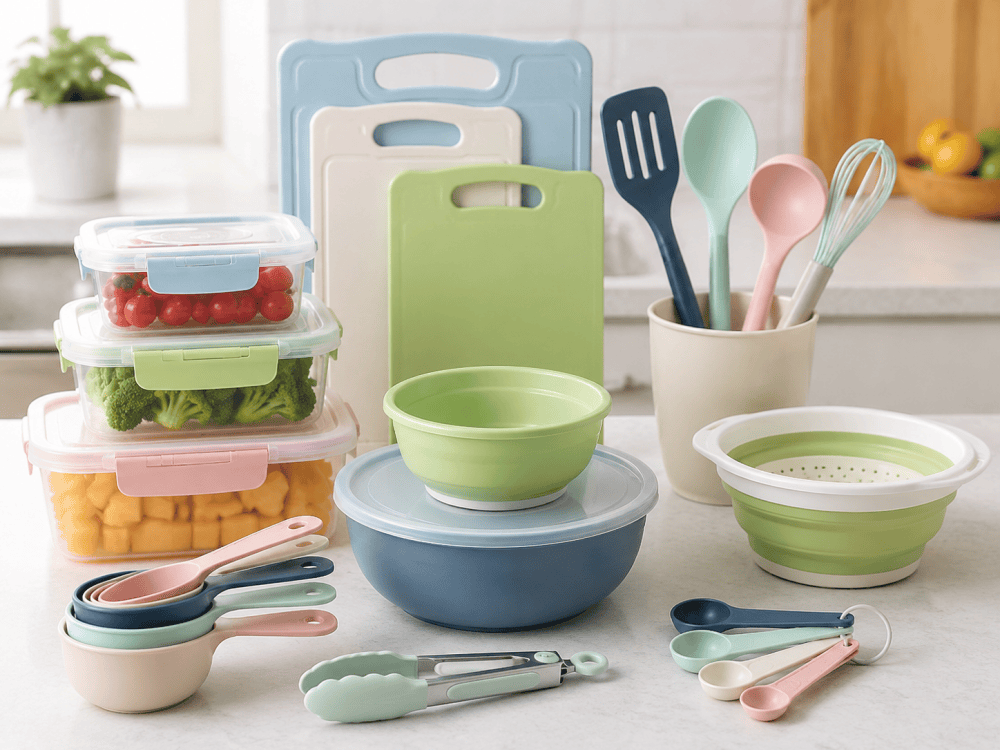
These properties make polypropylene suitable for many everyday products, including food containers, kitchen bowls, storage containers, packaging, and some kitchen utensils.
What Does the Number 5 on Plastic Mean?
The number 5 is a plastic identification code associated with polypropylene. It is primarily used to identify the material type rather than to provide a complete statement about how a finished product should be used.
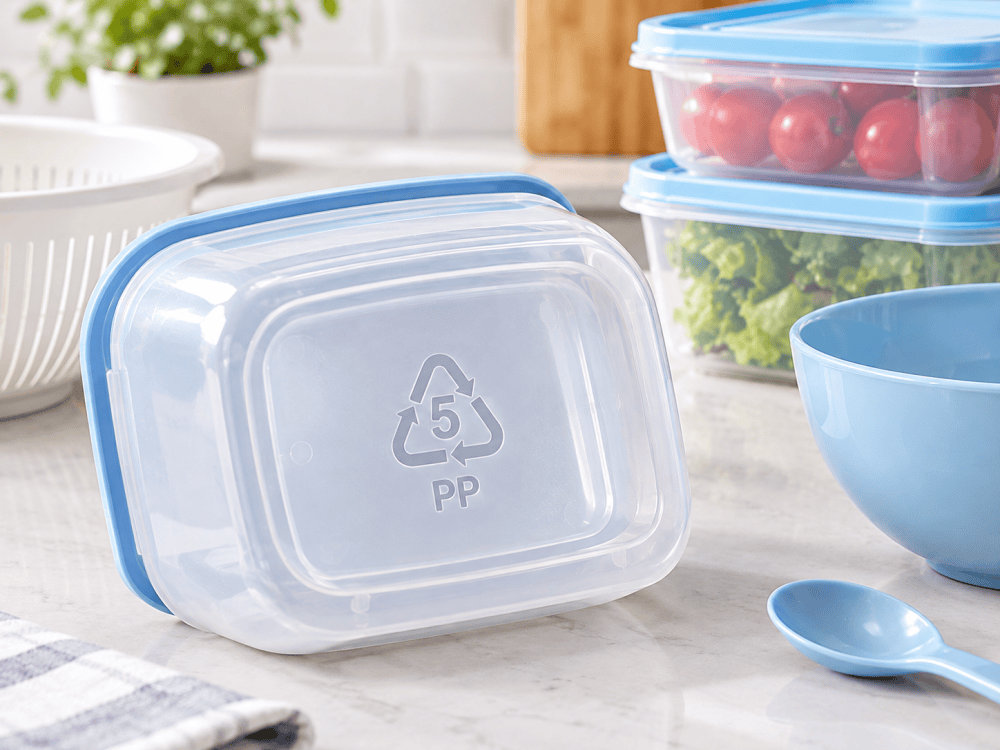
Important: A PP5 symbol tells you that the product is made from polypropylene, but it does not by itself confirm that the product is microwave safe, dishwasher safe, oven safe, or suitable for every type of food-contact application.
The final performance of a plastic product depends on more than the resin type. Product design, additives, thickness, manufacturing process, temperature, and intended application can all affect how the finished item should be used.
Is PP5 the Same as Polypropylene?
Yes. In most consumer product labeling, PP5 refers to polypropylene identified by recycling code 5.
You may therefore see several terms describing essentially the same material:
- PP5 plastic
- PP plastic
- Polypropylene
- Polypropylene plastic
- Plastic PP5
For example, a product description may say "PP5 food container," "polypropylene kitchen container," or simply "PP food storage box."
Why Is PP5 Plastic Commonly Used in Kitchen Products?
Polypropylene has several properties that make it useful for kitchenware and food-storage products.
1. Good Heat Resistance
Polypropylene generally has better heat resistance than many other common commodity plastics. This is one reason it is frequently used for food containers and kitchen products.
However, heat resistance varies between products. A container designed for cold food storage should not automatically be assumed to be suitable for hot food or microwave heating.
2. Lightweight
PP has a relatively low density, allowing manufacturers to produce lightweight containers, bowls, storage products, and kitchen accessories.
3. Good Chemical Resistance
Polypropylene has useful resistance to many household chemicals and common substances, which can be beneficial for food-storage applications.
4. Durable for Everyday Use
PP products can withstand normal handling and repeated everyday use when properly designed and manufactured.
5. Flexible Product Design
Polypropylene can be processed into different shapes, sizes, colors, and product structures. This makes it suitable for both simple household products and customized kitchenware.
Is PP5 Plastic Microwave Safe?
This is one of the most common questions about polypropylene.
PP5 plastic can be suitable for microwave applications, but the PP5 recycling code alone does not guarantee that a specific product is microwave safe.
The safest approach is to check the manufacturer's instructions, product packaging, or microwave-safe symbol before placing a PP5 container in a microwave.
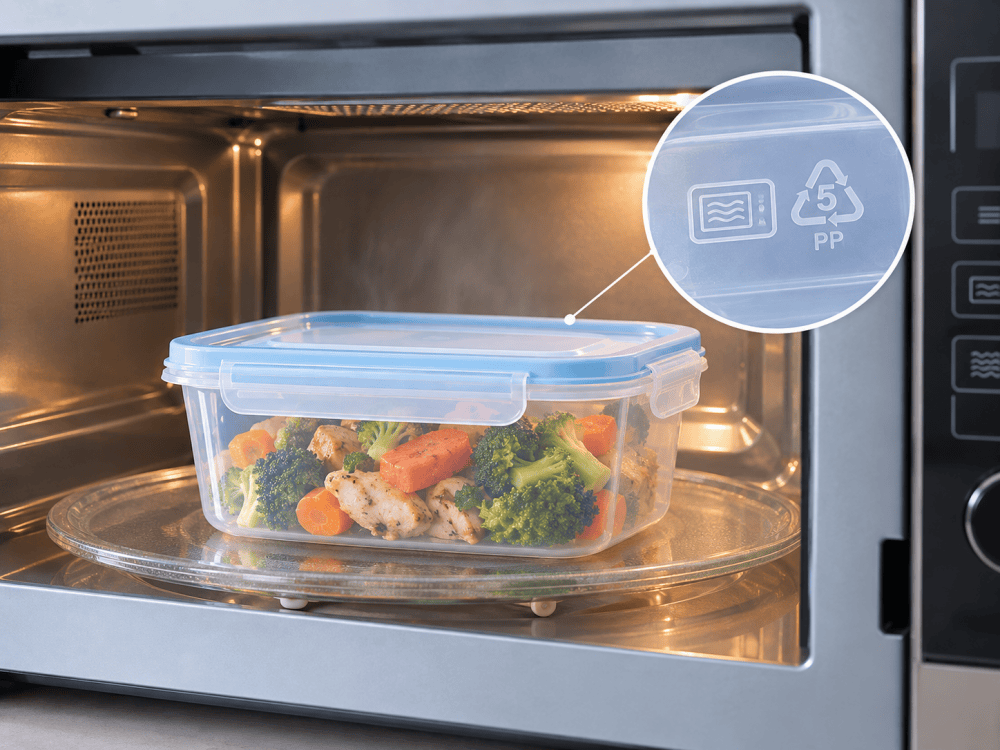
PP5 ≠ automatic microwave approval.
The material is polypropylene, which can have useful heat resistance, but microwave suitability is a property of the finished product and its intended use, not simply the recycling number.
Why Can Some PP5 Plastic Products Be Used in the Microwave?
Polypropylene is often selected for microwave-compatible food containers because of its relatively good resistance to heat compared with many other commonly used plastics.
During microwave heating, however, the container can be exposed to hot food, steam, localized heating, and repeated temperature changes.
A properly designed microwave-safe PP container is manufactured and tested for its intended application. The product may also include instructions about heating time, food type, lid use, and temperature limitations.
Therefore, the correct question is not simply:
"Is PP5 microwave safe?"
It is better to ask:
"Is this specific PP5 container designed and labeled for microwave use?"
How to Tell If a PP5 Plastic Container Is Microwave Safe
Before using a PP5 container in a microwave, check the product itself and its packaging.
Look for a Microwave-Safe Symbol
Some products display a microwave symbol or wording such as "microwave safe" or "suitable for microwave use."
Check the Manufacturer's Instructions
If the packaging or product instructions specify microwave use, follow the stated conditions carefully.
Check the Lid
The container and lid may not necessarily have identical heat-performance characteristics. A lid may require ventilation, partial opening, or removal during heating.
Check for Product-Specific Temperature Limits
If a manufacturer provides temperature or heating limits, do not exceed them.
Do Not Assume Based Only on the Recycling Code
A recycling code identifies the primary plastic material. It does not replace the manufacturer's instructions for use.
Can PP5 Plastic Be Used for Hot Food?
Many polypropylene products are designed for food storage and can be suitable for hot food, depending on the specific product.
However, not every PP5 item has the same temperature performance. A thin packaging film, food container, kitchen bowl, and reusable storage box may have very different designs and intended uses.
If you are buying PP5 kitchen products for commercial use, ask the supplier for:
- Material specification
- Intended application
- Temperature performance information
- Food-contact compliance documentation where applicable
- Microwave-use information if microwave use is required
- Product testing information when necessary
PP5 Plastic vs Other Common Plastics
| Plastic Code | Common Material | Typical Applications | General Characteristics |
|---|---|---|---|
| 1 | PET | Beverage bottles, food packaging | Lightweight and widely used for packaging |
| 2 | HDPE | Bottles, containers, packaging | Durable and chemically resistant |
| 3 | PVC | Pipes, packaging, various products | Versatile plastic with many formulations |
| 4 | LDPE | Bags, films, flexible packaging | Flexible and lightweight |
| 5 | PP | Food containers, kitchenware, packaging | Good chemical resistance and useful heat resistance |
| 6 | PS | Packaging, disposable products | Rigid or foamed depending on formulation |
| 7 | Other | Various specialty plastics | Includes plastics outside codes 1–6 |
Is PP5 Plastic Food Safe?
Polypropylene is widely used in food-contact products, but the recycling code itself does not establish that every PP5 product is automatically suitable for food contact.
For food containers and kitchenware, buyers should consider the specific material formulation and finished product, as well as applicable food-contact requirements in the destination market.
For commercial sourcing, it is better to request the appropriate food-contact documentation from the supplier rather than relying only on the "PP5" marking.
Can PP5 Plastic Go in the Dishwasher?
Some PP5 products are dishwasher safe, but this depends on the product design and manufacturer's instructions.
Repeated exposure to high temperatures, detergents, and mechanical washing can affect plastic products differently depending on their formulation and construction.
If dishwasher use is important, look for a dishwasher-safe marking or confirm the manufacturer's instructions before using the product in a dishwasher.
Is PP5 Plastic Recyclable?
Polypropylene is associated with recycling code 5 and can be recyclable where appropriate collection and recycling systems exist.
However, the presence of a recycling symbol does not necessarily mean that every local recycling program accepts every PP5 product.
Local recycling rules can vary depending on the country, region, municipality, and recycling facility.
For this reason, consumers should check local recycling instructions before placing PP5 packaging or containers into a recycling collection system.
What Does "Sacchetto PP5 Raccolta Plastica" Mean?
If you search for "sacchetto PP5 raccolta plastica", you may encounter Italian-language information related to PP5 plastic bags or packaging and plastic collection.
In Italian:
- sacchetto = bag
- raccolta plastica = plastic collection
- PP5 = polypropylene, plastic identification code 5
The exact recycling instructions depend on the local waste-collection system. A PP5 label identifies the material as polypropylene, but consumers should follow their local recycling rules for bags, packaging, and other polypropylene products.
Common Uses of PP5 Plastic in the Kitchen
Because of its combination of durability, lightweight construction, chemical resistance, and heat performance, polypropylene is used in many kitchen and food-storage products.
- Food storage containers
- Plastic kitchen bowls
- Food preparation containers
- Storage boxes
- Kitchen organizers
- Food packaging
- Reusable lunch containers
- Kitchen accessories
- Some cooking utensils
- Some microwave-compatible food containers
PP5 Plastic for Kitchenware Manufacturing
For kitchenware brands and distributors, polypropylene can be a practical material for developing different types of plastic kitchen products.
Depending on the product, manufacturers and suppliers can develop PP kitchenware in different:
- Sizes
- Shapes
- Colors
- Surface finishes
- Product combinations
- Packaging formats
For private-label kitchenware projects, buyers should clearly define the intended application before production. For example, a container designed for room-temperature food storage may have different requirements from a container intended for microwave heating.
The material specification, product structure, food-contact requirements, temperature performance, and packaging should therefore be confirmed before mass production.
How to Choose PP5 Plastic Kitchen Products
1. Confirm the Material
Make sure the supplier clearly identifies the product material and whether it is polypropylene or another plastic formulation.
2. Define the Intended Use
Tell the supplier whether the product will be used for cold food, hot food, food storage, microwave heating, dishwasher cleaning, or another application.
3. Ask About Food-Contact Requirements
For food-contact products, request applicable compliance documentation for the target market.
4. Confirm Temperature Performance
If the product will be exposed to heat, confirm its tested or specified temperature performance instead of assuming that all PP5 products have the same limit.
5. Test Samples Before Bulk Production
For commercial orders, sample testing can help confirm whether the finished product performs as expected under its intended conditions.
Frequently Asked Questions About PP5 Plastic
What is PP5 plastic?
PP5 plastic refers to polypropylene identified by plastic recycling code 5. It is commonly used for food containers, kitchenware, packaging, and household products.
Is PP5 plastic microwave safe?
Some PP5 products are designed for microwave use, but the PP5 code alone does not guarantee microwave safety. Always check the product's microwave-safe marking or manufacturer's instructions.
Can PP5 plastic go in the microwave?
A PP5 container may be suitable for microwave use if the finished product is specifically designed and labeled for microwave heating. Do not rely on the recycling code alone.
Is polypropylene the same as PP5?
PP5 is the plastic identification code associated with polypropylene. PP is the common abbreviation for polypropylene.
Is PP5 plastic safe for food?
Polypropylene is widely used for food-contact products, but the PP5 code alone does not confirm that every product is suitable for food contact. The finished product should meet the applicable requirements for its intended use.
Can PP5 plastic go in the dishwasher?
Some PP5 products are dishwasher safe, but this depends on the product. Check the manufacturer's instructions before putting a PP5 product in the dishwasher.
Is PP5 plastic recyclable?
PP5 identifies polypropylene, which can be recyclable where suitable collection and recycling systems are available. Local recycling acceptance varies, so check local instructions.
What products are commonly made from PP5 plastic?
Common applications include food containers, kitchen bowls, storage containers, food packaging, household products, and some kitchen utensils.
Final Thoughts: Is PP5 Plastic a Good Choice?
PP5 plastic, or polypropylene, is a widely used plastic for food storage, kitchenware, packaging, and household products. Its lightweight construction, durability, chemical resistance, and useful heat resistance make it a practical material for many applications.
However, the most important point to remember is that the PP5 recycling code identifies the material but does not define every possible use of the finished product.
If you are asking whether PP5 plastic is microwave safe, the answer is: it can be, but only use a PP5 product in the microwave when the manufacturer specifically indicates that the finished product is suitable for microwave use.
For consumers, always follow the product instructions. For kitchenware brands and B2B buyers, confirm the material specification, food-contact requirements, temperature performance, testing, and intended application with the supplier before production.
Looking for PP Kitchenware for Your Brand?
Kitlucy provides plastic kitchenware and customized kitchen products for global retailers, distributors, wholesalers, and private-label brands. From material selection and product design to colors, packaging, and bulk production, we can support different kitchenware sourcing requirements.
Related Blogs