Why 304 Stainless Steel Cutting Boards Lead Modern Kitchens (Pros & Buyer Guide)
Why 304 Stainless Steel Cutting Boards Lead Modern Kitchens (Pros & Buyer Guide)
Modern kitchens are evolving toward higher standards of hygiene, durability, and sustainability. As a result, traditional cutting board materials such as plastic and wood are being re-evaluated by both consumers and professional buyers.
Among the available options, 304 stainless steel cutting boards are rapidly gaining attention for their non-porous surface, long lifespan, and premium positioning. This article explores why they are becoming a leading choice in global markets.
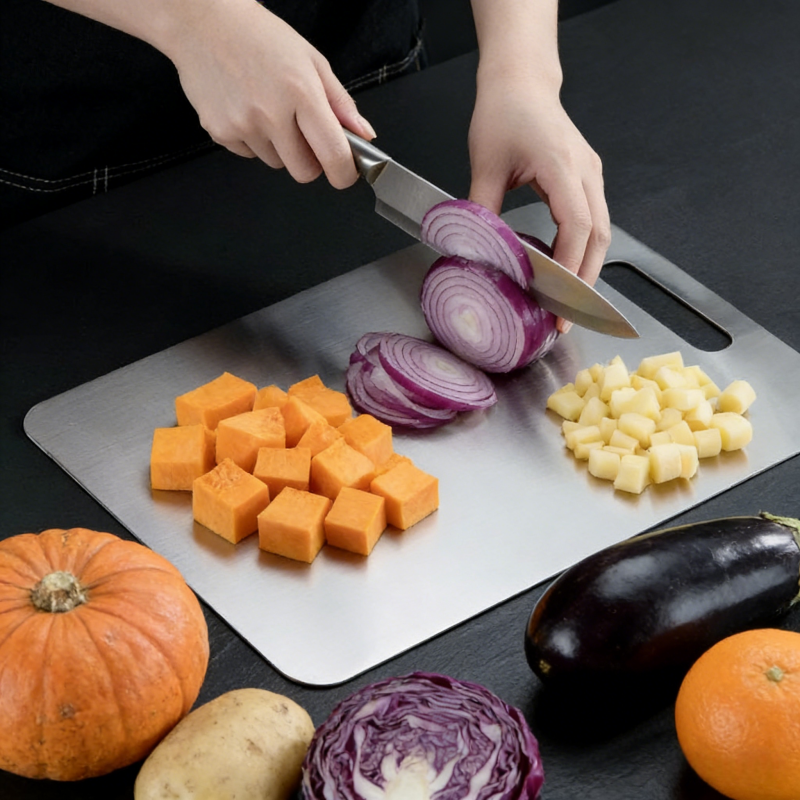
The Shift Toward Hygienic Kitchen Surfaces
Food safety has become a key concern in both home and commercial kitchens. Cutting boards, as one of the most frequently used tools, play a critical role in preventing contamination.
Non-porous materials are increasingly preferred in kitchenware because they reduce bacterial growth and improve hygiene control during food preparation.
Limitations of Traditional Materials
While wood and plastic cutting boards are widely used, they present several long-term issues:
- Knife grooves trap food particles and bacteria
- Moisture absorption increases contamination risks
- Odors and stains accumulate over time
What Makes 304 Stainless Steel Unique?
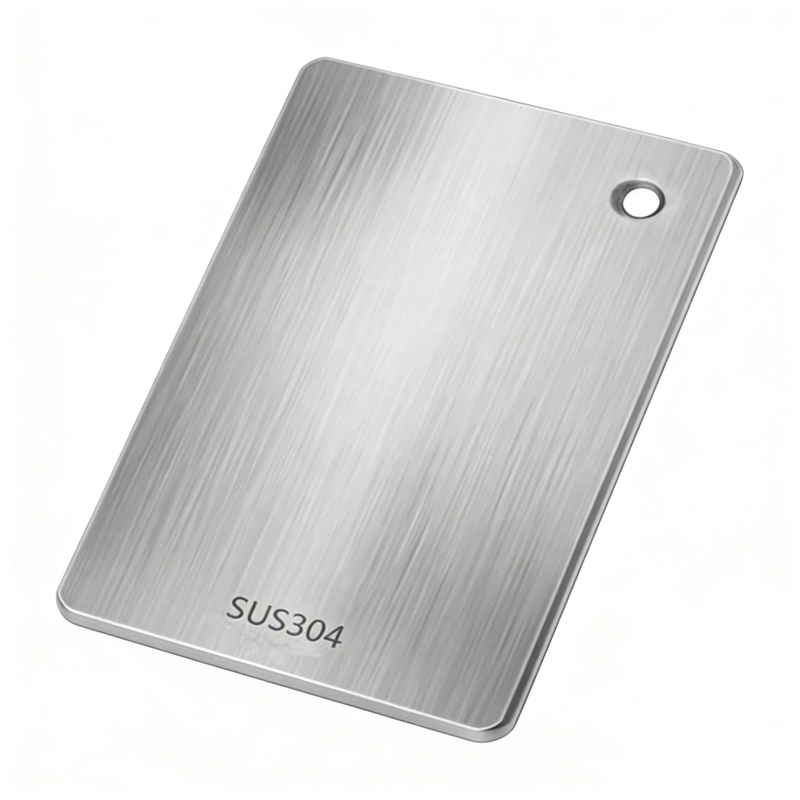
304 stainless steel is a widely used food-grade material in kitchen equipment and food processing industries. It typically contains approximately 18% chromium and 8% nickel, which provide excellent corrosion resistance and structural strength.
Key Material Advantages
- Non-porous surface prevents absorption of liquids and bacteria
- Highly resistant to rust and corrosion
- Easy to clean and maintain
- Odor-resistant and stain-resistant
Performance Comparison with Other Cutting Board Materials
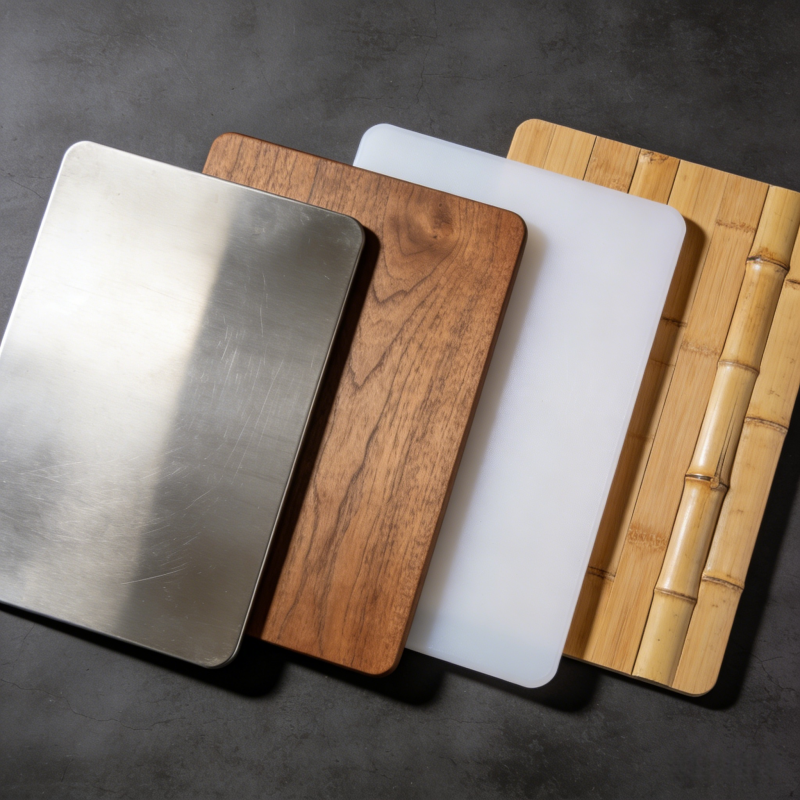
| Material | Hygiene Level | Durability | Maintenance |
|---|---|---|---|
| 304 Stainless Steel | Very High | Very High | Easy |
| Plastic (HDPE) | Medium | High | Medium |
| Wood | Medium | High | High |
| Bamboo | Medium | High | Medium |
Durability and Long-Term Value
Compared to traditional materials, stainless steel cutting boards are designed for long-term use. They do not crack, warp, or degrade under normal kitchen conditions.
This makes them a cost-effective solution for buyers looking to reduce replacement frequency and improve product lifespan in both retail and commercial applications.
Do Stainless Steel Cutting Boards Damage Knives?
This is one of the most frequently searched questions when evaluating metal cutting boards. Because stainless steel is harder than wood or plastic, it can increase friction between the blade and the surface.
Understanding the Impact
Repeated contact between a knife edge and a hard surface may lead to faster edge wear compared to softer materials. This is especially noticeable during heavy chopping or prolonged use.
How Modern Designs Improve Usability
- Brushed surface finishes reduce friction between blade and board
- Anti-slip bases improve cutting stability and safety
- Edge design can help reduce impact force during chopping
Recommended Usage
- Use for raw meat, fish, and odor-heavy ingredients
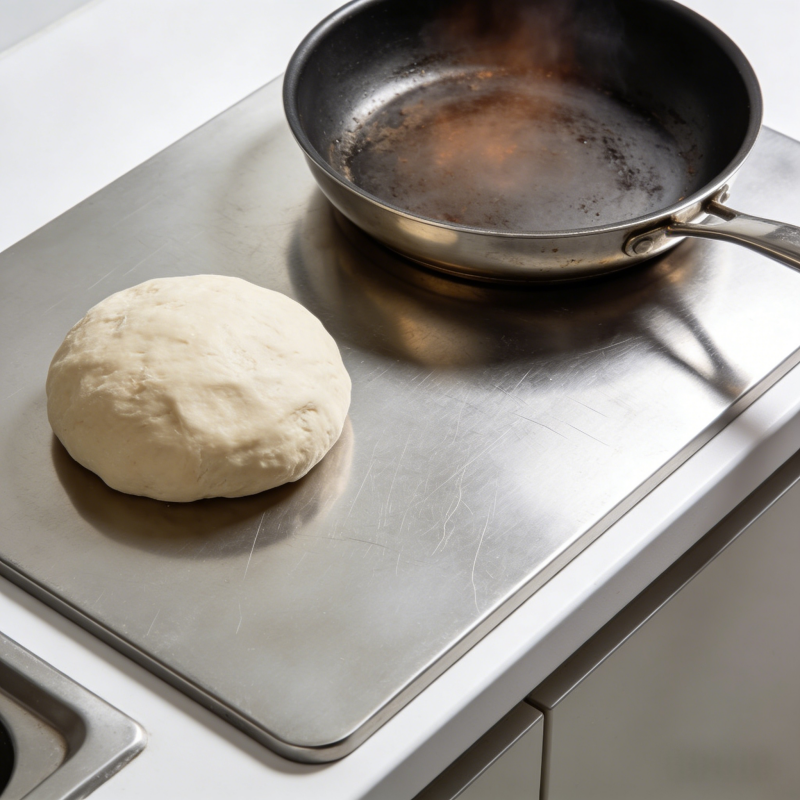
- Use for dough preparation and temperature-sensitive tasks
- Combine with softer boards for fine slicing tasks
Multi-Functional Use in Modern Kitchens
Stainless steel cutting boards are not limited to cutting tasks. Their material properties allow for multiple kitchen applications:
- Heat-resistant surface for hot cookware
- Cold surface for pastry and baking preparation
- Serving tray for modern food presentation
Eco-Friendly and Sustainable Choice
Sustainability is becoming a major factor in purchasing decisions. Unlike plastic boards that require frequent replacement, stainless steel offers a long lifecycle and is fully recyclable.
This helps reduce kitchen waste and supports environmentally responsible product lines.
Why Buyers Are Choosing Stainless Steel Cutting Boards
Global distributors and retailers are increasingly adding stainless steel cutting boards to their product portfolios due to:
- Growing demand for hygienic kitchen products
- Premium positioning in mid-to-high-end markets
- Long lifespan and reduced replacement costs
- Alignment with modern kitchen design trends
Frequently Asked Questions About Stainless Steel Cutting Boards
Are stainless steel cutting boards safe?
Yes, when made from food-grade materials such as 304 stainless steel, they are safe, non-toxic, and widely used in food processing environments.
Are stainless steel cutting boards noisy?
They may produce more sound compared to wood or plastic boards during chopping, but this can be reduced with anti-slip bases and stable surfaces.
Are stainless steel cutting boards slippery?
Modern designs often include anti-slip feet or textured surfaces to improve stability during use.
Conclusion
304 stainless steel cutting boards represent a modern solution that combines hygiene, durability, and sustainability. While they may not replace all traditional materials, they are becoming an essential addition to modern kitchens.
Looking for Stainless Steel Cutting Board Manufacturers?
We offer high-quality 304 stainless steel cutting boards with OEM and private label services for global distributors and brands. Contact us to develop your product line.
Related Blogs