Best Cutting Board Brands in 2026: Materials, Prices & Features Compared
Best Cutting Board Brands in 2026: Materials, Prices & Features Compared
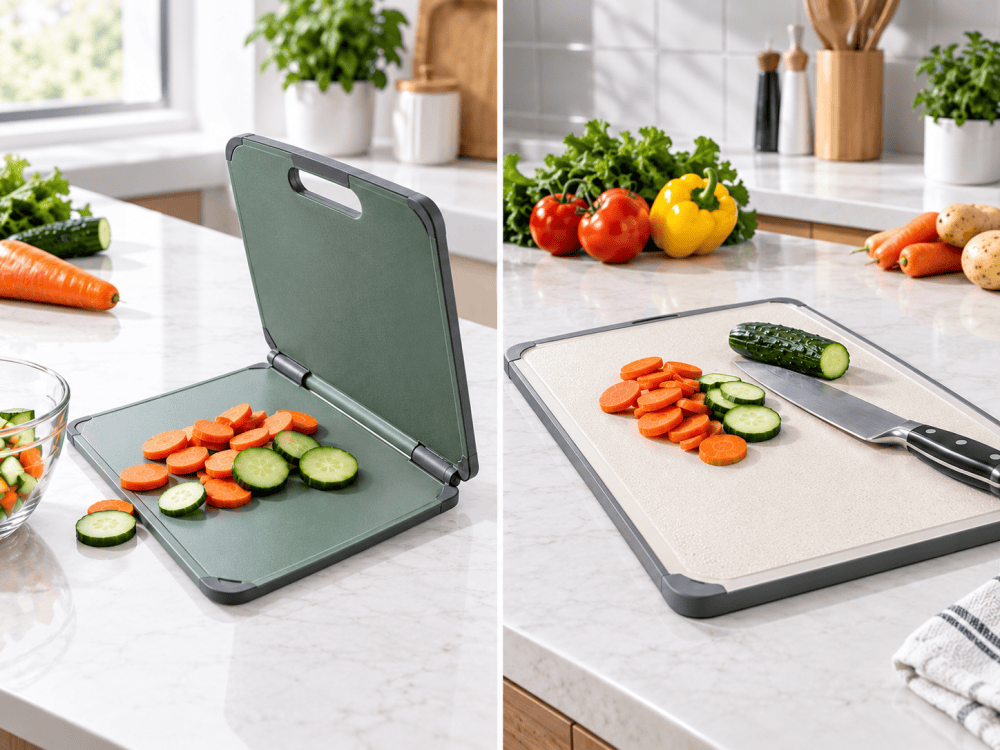
Choosing a cutting board is no longer simply about finding a flat surface for chopping food. In 2026, consumers can choose from plastic, hardwood, bamboo, paper composite, rubber and other materials, while brands compete through different combinations of durability, knife friendliness, maintenance, design and price.
For kitchenware buyers, retailers and private-label brands, understanding the leading cutting board brands can provide useful insight into current product positioning and consumer preferences.
In this guide: We compare leading cutting board brands and representative products across material, price, features, positioning and target users. The comparison includes established names such as John Boos, OXO, Epicurean and Joseph Joseph, together with other brands that are frequently featured in current cutting board reviews and marketplace selections.
Price note: Cutting board prices vary according to size, material, construction and retailer. Prices shown in this article are approximate 2026 market snapshots and may change over time.
Table of Contents
- Quick Comparison of the Best Cutting Board Brands
- Best Cutting Board Brands in 2026
- Cutting Board Materials Compared
- Cutting Board Price Comparison
- Most Important Cutting Board Features
- How Cutting Board Brands Are Positioned
- What B2B Buyers Can Learn
- What Manufacturers Should Consider
- Frequently Asked Questions
Quick Comparison of the Best Cutting Board Brands in 2026
The table below provides a high-level comparison of representative products and market positioning. Current 2026 reviews consistently highlight several different material categories rather than a single universal "best" material.
| Brand | Representative Material | Approx. Price Range | Key Features | Best For |
|---|---|---|---|---|
| John Boos | Hard maple / hardwood | $60–$300+ | Thick construction, reversible designs, edge-grain and end-grain options | Premium home kitchens and professional users |
| OXO Good Grips | Plastic | $15–$30+ | Non-slip features, juice grooves, dishwasher-safe designs | Everyday home cooking |
| Epicurean | Paper composite | $15–$30+ | Lightweight, dishwasher safe, stain and odor resistant | Low-maintenance kitchens |
| Joseph Joseph | Plastic / composite | $25–$50+ | Space-saving storage, color coding, multi-board systems | Modern kitchens and small spaces |
| Teakhaus | Teak wood | $50–$150+ | Durable hardwood, large work surfaces, premium appearance | Premium wood board buyers |
| Sonder Los Angeles | Walnut / hardwood | $70–$200+ | End-grain construction, premium wood selection, handcrafted positioning | Design-conscious home cooks |
| Boardsmith | Maple / walnut / cherry | $100–$300+ | Thick end-grain construction, handcrafted positioning | Professional and premium users |
| Gorilla Grip | Plastic | $10–$25+ | Non-slip borders, multi-piece sets, juice grooves | Value-focused consumers |
Best Cutting Board Brands in 2026
1. John Boos
John Boos Cutting Boards
John Boos is one of the most recognizable names in premium wooden cutting boards. Its products are strongly associated with maple, thick construction and professional kitchen use.
Current 2026 reviews continue to position John Boos maple boards as a benchmark for traditional wooden cutting boards. One current comparison lists the John Boos Maple Edge Grain board as its overall choice, with a 20 × 15-inch model priced around $130.
Hardwood Maple Premium ProfessionalWhy it stands out: John Boos competes through material quality, thickness, craftsmanship and long-established brand recognition rather than low price.
2. OXO Good Grips
OXO Good Grips Cutting Boards
OXO occupies a different position from John Boos. Instead of focusing on premium hardwood, the brand is strongly associated with practical plastic kitchen tools and ergonomic design.
Current 2026 testing from Bon Appétit names the OXO Good Grips Plastic Utility Cutting Board as its best plastic cutting board, while other 2026 reviews also highlight OXO's carving and cutting boards for features such as juice grooves and non-slip stability.
Plastic Non-Slip Juice Groove Dishwasher SafeWhy it stands out: OXO demonstrates how ergonomic design and practical functionality can create a premium position even within the plastic cutting board category.
3. Epicurean
Epicurean Cutting Boards
Epicurean is known for paper-composite cutting boards that occupy an interesting middle ground between traditional wood and plastic.
Food Network's 2026 testing selected an Epicurean board as its best overall cutting board, highlighting its lightweight construction, stain and odor resistance, dishwasher-safe design and heat resistance.
Paper Composite Lightweight Dishwasher SafeWhy it stands out: Epicurean's biggest differentiation is the material itself. The paper-composite construction creates a recognizable product identity that is difficult to achieve with a generic plastic board.
4. Joseph Joseph
Joseph Joseph Cutting Boards
Joseph Joseph approaches cutting boards from a design and organization perspective. Its Nest-style cutting board systems are particularly relevant for consumers who want multiple boards without using much storage space.
Current 2026 product roundups continue to feature Joseph Joseph's Nest Boards as a space-saving multi-board solution.
Space Saving Multi-Piece Set Color CodedWhy it stands out: The brand sells a complete usage experience rather than just a cutting surface. Storage and organization become part of the product value proposition.
5. Teakhaus
Teakhaus Cutting Boards
Teakhaus focuses on teak cutting boards and premium hardwood construction. Teak provides a distinctive appearance and is commonly positioned toward buyers looking for a durable natural wood surface.
Teak Natural Wood Premium6. Sonder Los Angeles
Sonder Los Angeles Cutting Boards
Sonder Los Angeles emphasizes premium hardwoods and end-grain construction, targeting consumers who want a cutting board that functions as both kitchen equipment and a countertop display piece.
Bon Appétit's 2026 cutting board testing selected the Sonder Los Angeles Alfred end-grain walnut board as its best wood cutting board.
Walnut End Grain Premium Design7. Boardsmith
Boardsmith Cutting Boards
Boardsmith operates at the high end of the cutting board market, focusing on thick, handcrafted end-grain boards made from premium hardwoods such as maple, walnut and cherry.
Its products are particularly relevant to professional chefs and serious home cooks who view a cutting board as a long-term kitchen investment.
Handcrafted End Grain Hardwood8. Gorilla Grip
Gorilla Grip Cutting Boards
Gorilla Grip is an example of a brand competing in the value-focused plastic cutting board segment. Its product strategy emphasizes non-slip performance, practical features and multi-piece sets.
Plastic Value Non-Slip Set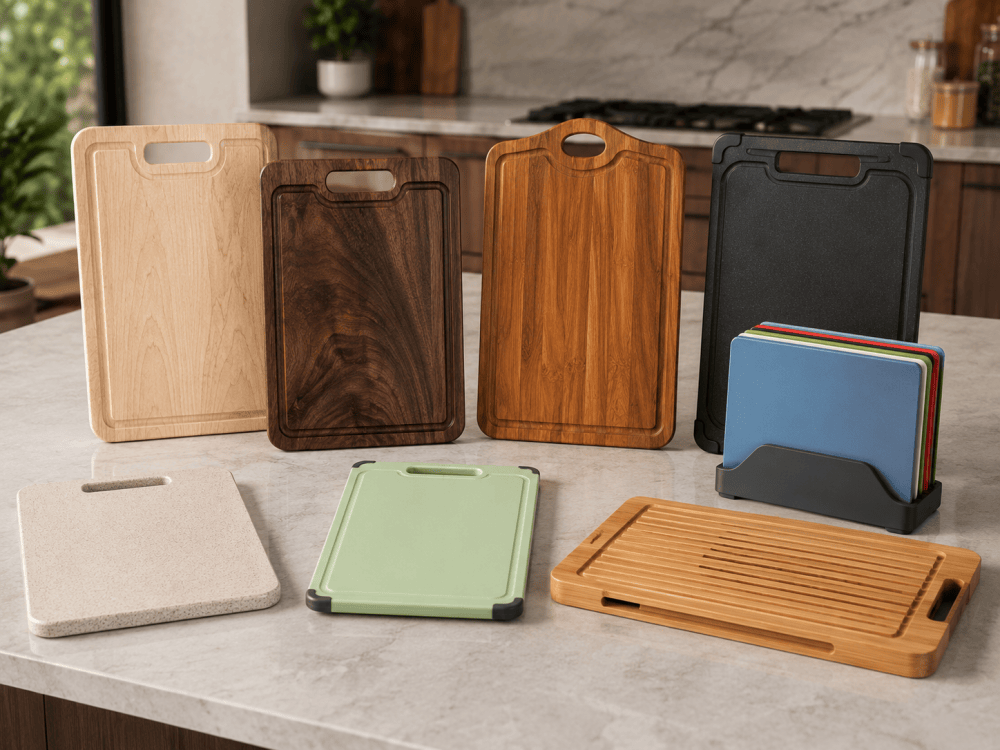
Cutting Board Materials Compared
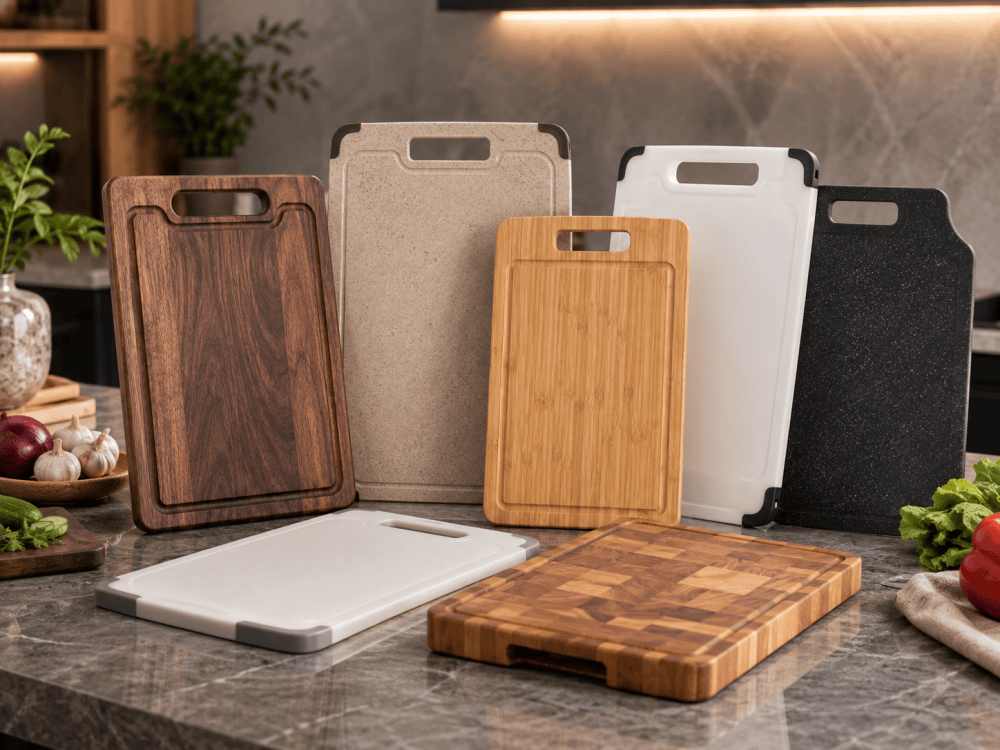
One of the biggest differences between leading brands is the material strategy they use. Current 2026 testing shows that wood, plastic, composite and rubber boards each have distinct strengths.
| Material | Main Advantages | Potential Limitations | Typical Market Position |
|---|---|---|---|
| Hardwood | Premium appearance, durable, comfortable cutting surface | Requires more care and usually should not be put in a dishwasher | Premium |
| Plastic | Affordable, lightweight, easy to clean, many colors and shapes | Can develop visible knife grooves over time | Budget to premium |
| Bamboo | Lightweight, attractive natural appearance, renewable material | Care requirements vary; construction quality matters | Mass market to premium |
| Paper Composite | Lightweight, low maintenance, dishwasher friendly | Harder surface may not appeal to every knife user | Mid-range / premium |
| Rubber | Stable, knife-friendly and suitable for professional preparation | Usually more expensive | Professional / premium |
Cutting Board Price Comparison in 2026
The current market shows a very wide price spectrum. A basic plastic cutting board may cost only a few dollars, while premium hardwood end-grain boards can cost several hundred dollars.
| Price Segment | Typical Products | Common Materials | Target Customer |
|---|---|---|---|
| Under $10 | Basic single boards | Plastic | Budget shoppers |
| $10–$30 | Everyday boards and multi-piece sets | Plastic, bamboo, composite | Mass-market consumers |
| $30–$75 | Premium sets and mid-range wood boards | Bamboo, hardwood, composite | Upgrading consumers |
| $75–$150 | Large premium hardwood boards | Maple, walnut, teak | Serious home cooks |
| $150+ | Large end-grain and handcrafted boards | Premium hardwoods | Professional and enthusiast markets |
This price structure is important for product developers because it demonstrates that the cutting board market is not one single category. There are multiple consumer segments with different expectations for materials, features and packaging.
Most Important Cutting Board Features in 2026
1. Stability and Non-Slip Performance
A cutting board that moves during chopping can be frustrating and potentially unsafe. Plastic brands such as OXO and Gorilla Grip therefore use non-slip elements as important product differentiators.
2. Juice Grooves
Juice grooves are particularly popular on meat and carving boards. They provide additional functionality while also creating visible product differentiation.
3. Reversible Design
Reversible boards effectively provide two usable surfaces. This is common among both premium wooden boards and practical plastic designs.
4. Dishwasher Compatibility
Plastic and composite boards often have a major convenience advantage because many are designed for dishwasher cleaning. Epicurean, for example, uses dishwasher-safe paper-composite construction as part of its product proposition.
5. End-Grain Construction
End-grain construction is strongly associated with premium wooden cutting boards. It is one of the features used by brands such as John Boos, Boardsmith and Sonder Los Angeles to differentiate higher-priced products.
6. Storage and Organization
Joseph Joseph demonstrates another approach: turning storage into a selling point. Multi-board sets with stands can appeal to consumers with limited kitchen space.
7. Color and Visual Design
For mass-market and private-label products, color can be a relatively simple way to differentiate otherwise similar cutting boards. Coordinated colors can also support food-preparation organization.
How the Leading Brands Position Their Cutting Boards
| Brand Strategy | Example Brands | Main Differentiator | Opportunity for New Brands |
|---|---|---|---|
| Traditional Premium | John Boos | Hardwood, craftsmanship and durability | Premium wood construction and distinctive packaging |
| Functional Plastic | OXO | Ergonomics and convenience | Anti-slip, juice groove and ergonomic designs |
| Composite Innovation | Epicurean | Alternative material | New sustainable or hybrid materials |
| Space-Saving Design | Joseph Joseph | Storage and organization | Compact sets and integrated storage |
| Premium Wood | Teakhaus, Sonder | Natural hardwood and appearance | Specialty wood species and premium craftsmanship |
| Value Plastic | Gorilla Grip | Features at accessible prices | Multi-piece sets and practical features |
What B2B Buyers Can Learn from the Best Cutting Board Brands
For retailers, importers and private-label brands, studying established cutting board brands is useful because their products reveal how material, functionality and price work together.
Different Materials Create Different Price Opportunities
A basic PP cutting board and a handcrafted walnut end-grain board are technically both cutting boards, but they serve completely different markets.
This means B2B buyers should define the target retail price before selecting the material and construction.
Features Should Match the Target Customer
A budget supermarket product may not need an expensive end-grain construction. Instead, a practical PP board with a non-slip edge and competitive packaging may provide better value.
A premium kitchenware brand may require thicker construction, custom colors, special materials and upgraded packaging.
Sets Can Increase Perceived Value
Multi-piece cutting board sets allow brands to offer multiple sizes and create a stronger retail proposition. This strategy is particularly useful for e-commerce where product bundles can be visually communicated through product photography.
Customization Is a Major Opportunity
Private-label brands can differentiate their cutting boards through:
- Custom board dimensions
- Custom colors
- Logo printing or embossing
- TPR edge colors
- Custom handle shapes
- Juice groove design
- Packaging design
- Color-coded sets
- Custom product molds
What Should Cutting Board Manufacturers Consider?
1. Build Products Around a Clear Market Position
A manufacturer should know whether the product is designed for discount retail, supermarkets, Amazon, specialty kitchen stores, hospitality or premium lifestyle brands.
2. Develop Multiple Material Options
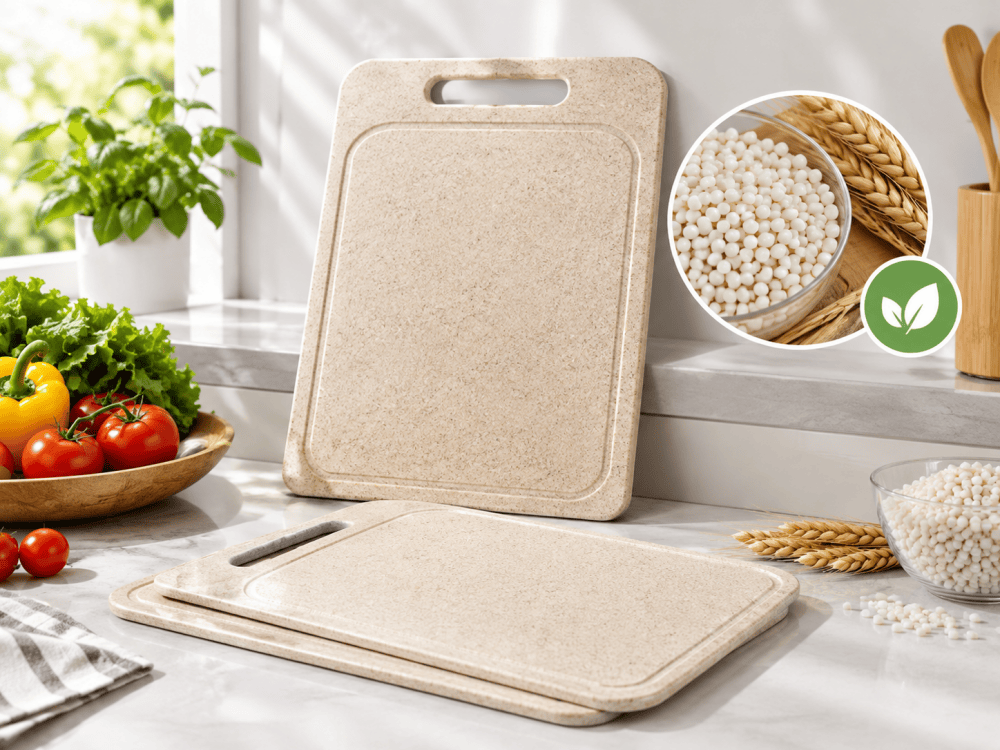
Offering PP, wheat straw PP, bamboo, wood and other suitable materials can help a manufacturer serve different customer segments.
3. Combine Function With Visual Differentiation
A cutting board should not only perform well. It also needs to look distinctive enough to attract attention online and on retail shelves.
4. Consider Complete Product Solutions
For B2B customers, the product itself is only one part of the project. Packaging, labeling, color matching, product photography and shipping configuration can also affect the final retail proposition.
5. Support OEM and ODM Development
OEM and ODM capabilities allow brands to move beyond generic products and develop cutting boards around their own specifications and market positioning.
Which Cutting Board Brand Is Best for You?
| If You Want... | Consider |
|---|---|
| A premium traditional wooden board | John Boos |
| A practical plastic board | OXO Good Grips |
| A lightweight composite board | Epicurean |
| A space-saving cutting board set | Joseph Joseph |
| A premium teak board | Teakhaus |
| A premium walnut end-grain board | Sonder Los Angeles |
| A handcrafted professional board | Boardsmith |
| A value-oriented plastic set | Gorilla Grip |
There is no single cutting board brand that is best for every buyer. The right choice depends on material preference, budget, kitchen size, maintenance requirements and intended use.
Frequently Asked Questions
There is no universal best brand. Current 2026 testing and reviews highlight different brands for different categories, including John Boos for premium wood, OXO for plastic and Epicurean for composite materials.
The best material depends on the application. Plastic is convenient and easy to clean, hardwood provides a premium natural surface, bamboo offers a lightweight natural option, and composite materials can provide a balance of durability and low maintenance.
Premium cutting boards can justify higher prices through thicker construction, premium hardwoods, end-grain designs, craftsmanship and longer-term positioning. However, a higher price does not automatically make a board better for every consumer.
Generally, basic plastic cutting boards are available at lower prices than premium hardwood boards. However, branded plastic products with advanced features can also reach mid-range or premium price points.
Successful brands usually combine appropriate materials, practical functionality, consistent product quality, recognizable design and clear market positioning. Strong branding and packaging can also help products compete in crowded online marketplaces.
Yes. OEM and ODM cutting board manufacturers can typically support custom sizes, colors, materials, logos, packaging, product structures and new mold development depending on the manufacturer's capabilities.
Final Thoughts
The cutting board market in 2026 is highly segmented. John Boos and other premium wood specialists compete through hardwood quality and craftsmanship, while OXO focuses on practical plastic design, Epicurean differentiates through composite materials and Joseph Joseph emphasizes organization and space-saving design.
This variety creates opportunities for both established brands and new private-label products. Rather than competing only on price, successful cutting board products can differentiate through material selection, functional features, visual design, packaging and customization.
For B2B buyers, the key lesson is simple: the best cutting board is the one that matches the target market, retail price and consumer expectations.
Looking for a Cutting Board OEM & ODM Manufacturer?
Kitlucy provides OEM, ODM and wholesale solutions for cutting boards and kitchenware. We support different product materials, sizes, colors, structures and packaging requirements to help brands develop products for different retail markets.
From standard cutting boards to customized private-label projects, our team can support product development, customization and bulk production according to your requirements.
Explore Cutting Board SolutionsRelated Blogs