Non Slip Cutting Board Guide: Design, Materials & Wholesale Buying Tips (2026)
Non Slip Cutting Board Guide: Design, Materials & Wholesale Buying Tips (2026)
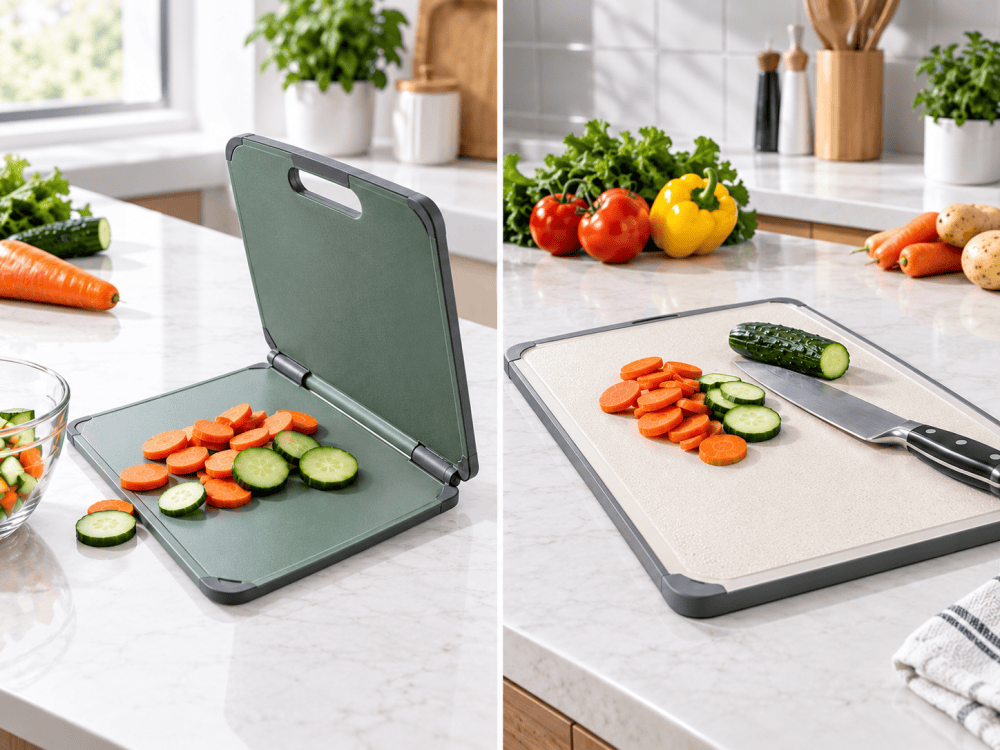
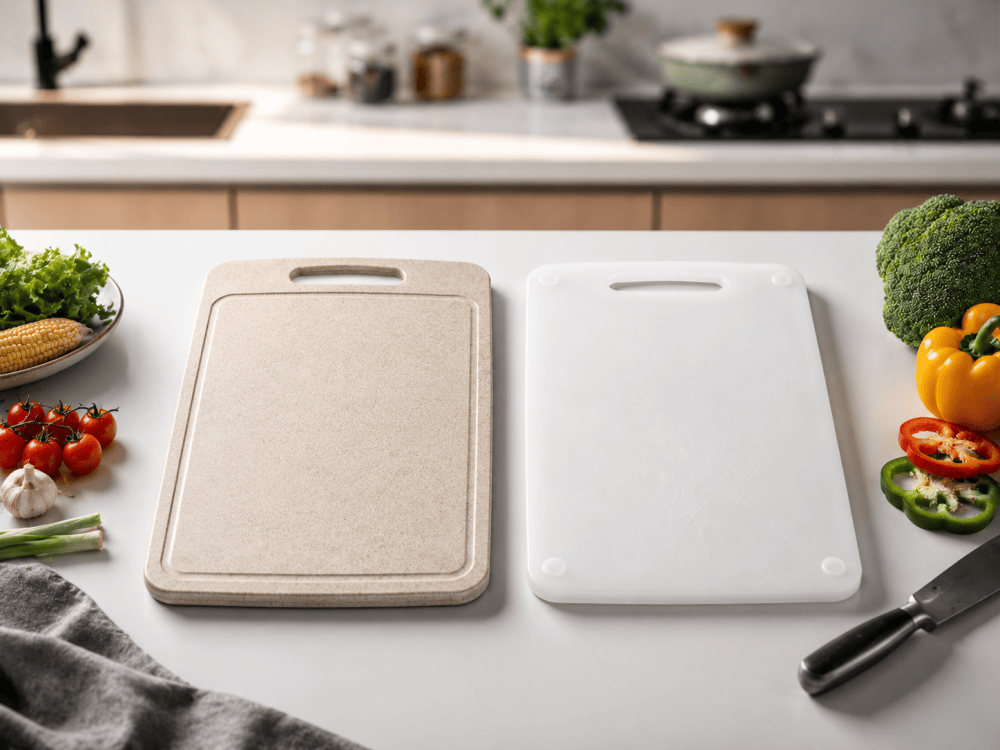
A non slip cutting board has become one of the fastest-growing kitchenware products worldwide. Unlike traditional cutting boards that may move during food preparation, anti-slip cutting boards are designed with special structures and materials to improve stability, safety, and user experience.
For kitchenware importers, distributors, retailers, and private-label brands, understanding non slip cutting board design, materials, and market trends can help identify products with stronger selling potential.
With increasing consumer demand for safer and more functional kitchen tools, cutting boards with anti-slip features are becoming a popular upgrade from standard models.
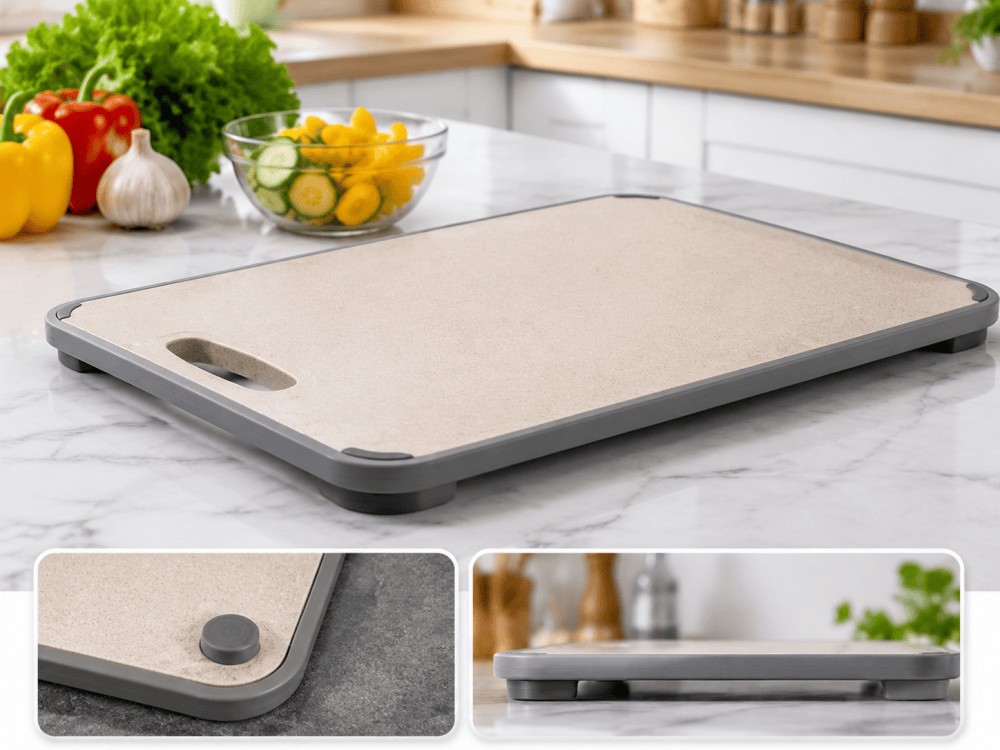
Non slip cutting boards combine safety and convenience, making them highly attractive for modern households, professional kitchens, and retail kitchenware markets.
Why Are Non Slip Cutting Boards Becoming More Popular?
Traditional cutting boards often slide on smooth countertops, especially when cutting hard vegetables, meat, or large ingredients. This movement not only affects cutting efficiency but may also increase safety risks.
A non slip cutting board solves this problem by adding anti-slip structures that improve contact with the countertop and keep the board stable during use.
Main Reasons Behind Growing Demand
- Improved kitchen safety
- Better cutting control
- More comfortable daily cooking experience
- Suitable for elderly users and professional kitchens
- Higher perceived product value
What Makes a Cutting Board Non Slip?
The anti-slip performance of a cutting board depends on its structure, material selection, and surface design. High-quality manufacturers usually combine multiple features to achieve better stability.
1. Rubber or TPR Anti-Slip Feet
One of the most common designs is adding rubber or TPR feet to the bottom of the cutting board. These materials increase friction between the board and countertop, reducing unwanted movement.
Advantages of TPR Anti-Slip Feet:
- Excellent grip performance
- Suitable for smooth kitchen surfaces
- Improves user safety
- Provides better product differentiation
2. Silicone Anti-Slip Edges
Some premium cutting boards use silicone edges or silicone corners to improve stability while maintaining a modern appearance.
This design is popular in high-end kitchenware markets because it combines functionality with attractive product appearance.
3. Anti-Slip Textured Surface
Certain cutting boards feature textured surfaces that provide additional grip for ingredients while cutting.
Textured designs are especially useful for multifunctional cutting boards used for meat preparation, vegetables, and food transfer.
4. Weight and Thickness Design
Board thickness and weight also affect stability. Heavier cutting boards naturally move less, making them suitable for professional kitchens and frequent use.
Common Anti-Slip Cutting Board Designs
| Design | Features | Application |
|---|---|---|
| Rubber Feet Design | Strong countertop grip | Home kitchens, restaurants |
| TPR Edge Design | 360° anti-slip protection | Premium retail products |
| Silicone Corner Design | Modern appearance and stability | High-end kitchenware |
| Weighted Structure | Maximum stability | Professional kitchens |
| Textured Surface | Better ingredient control | Multifunctional cutting boards |
Benefits of Using a Non Slip Cutting Board
Enhanced Kitchen Safety
A stable cutting surface helps users maintain better knife control and reduces unexpected movement during cutting.
Improved Cutting Efficiency
Professional chefs and home cooks can prepare ingredients faster because they do not need to constantly reposition the board.
Better Ergonomic Experience
Anti-slip designs reduce hand pressure and improve comfort during long food preparation tasks.
Higher Retail Value
Compared with basic cutting boards, non slip models provide visible functional improvements, making them easier to market and sell at higher price points.
Non Slip Cutting Board Materials: Which Material Is Best?
Material selection plays an important role in the performance, durability, and market positioning of a non slip cutting board. Different materials provide different advantages in terms of hygiene, appearance, cost, and application scenarios.
For wholesale buyers and kitchenware brands, choosing the right material is essential for meeting target market expectations and creating competitive products.
PE Non Slip Cutting Boards: Ideal for Commercial Kitchens
Polyethylene (PE) cutting boards are widely used in professional kitchens because of their excellent durability, moisture resistance, and food-contact safety.
Advantages of PE Cutting Boards
- High impact resistance
- Low water absorption
- Easy to clean and maintain
- Suitable for frequent commercial use
- Compatible with anti-slip feet and rubber designs
PE cutting boards are commonly selected by restaurants, hotels, catering companies, and food-processing businesses. When combined with TPR or rubber anti-slip structures, they provide excellent stability during heavy-duty preparation.
PP Non Slip Cutting Boards: Lightweight Retail Solution
Polypropylene (PP) is a popular choice for household cutting boards because it offers lightweight performance, good durability, and flexible design possibilities.
Why Brands Choose PP Cutting Boards
- Lightweight and easy for consumers to use
- Suitable for colorful product designs
- Cost-effective for retail markets
- Easy to combine with silicone or TPR anti-slip components
- Suitable for multifunctional kitchen products
PP non slip cutting boards are especially popular in online retail channels because they can be developed into attractive designs such as foldable cutting boards, double-sided cutting boards, and space-saving models.
Wood Non Slip Cutting Boards: Premium Natural Design
Wooden cutting boards remain popular in premium kitchen markets because of their natural appearance and strong lifestyle appeal.
Materials such as acacia, maple, walnut, and beech are commonly used for high-end cutting boards.
Advantages of Wooden Cutting Boards
- Premium appearance
- Knife-friendly surface
- Strong consumer appeal
- Suitable for gift and premium kitchen markets
For non slip wooden cutting boards, manufacturers usually add rubber feet, silicone pads, or anti-slip bases to improve stability while maintaining the natural appearance.
Bamboo Non Slip Cutting Boards: Eco-Friendly Market Choice
Bamboo cutting boards are gaining popularity due to increasing consumer interest in sustainable kitchen products.
Benefits of Bamboo Cutting Boards
- Renewable material
- Lightweight structure
- Natural appearance
- Suitable for eco-friendly product lines
However, buyers should pay attention to adhesive quality, surface treatment, and food-contact compliance when sourcing bamboo cutting boards for international markets.
Stainless Steel Non Slip Cutting Boards: Premium Hygiene Performance
Stainless steel cutting boards are preferred by buyers who prioritize hygiene, durability, and professional performance.
Advantages of Stainless Steel Cutting Boards
- Excellent corrosion resistance
- Very easy to sanitize
- Long product lifespan
- Suitable for professional kitchens
- Premium market positioning
Many stainless steel cutting boards use silicone anti-slip edges or rubber bases to improve countertop stability and user comfort.
Material Comparison of Non Slip Cutting Boards
| Material | Main Advantages | Target Market |
|---|---|---|
| PE | Durable, hygienic, commercial performance | Restaurants, food service |
| PP | Lightweight, affordable, versatile design | Household retail |
| Wood | Natural appearance, premium value | High-end kitchen market |
| Bamboo | Eco-friendly and sustainable | Green lifestyle market |
| Stainless Steel | Maximum hygiene and durability | Professional kitchens |
How Wholesale Buyers Choose Non Slip Cutting Boards
For distributors and private-label brands, selecting the right non slip cutting board requires evaluating more than just appearance. Product design, quality, compliance, and market positioning all influence sales performance.
1. Evaluate Anti-Slip Performance
The most important feature is whether the cutting board remains stable during actual use. Buyers should check:
- Grip strength of rubber feet
- Durability of TPR components
- Stability on different countertop materials
- Resistance to slipping after repeated washing
2. Check Material Safety
Because cutting boards directly contact food, buyers should confirm that materials meet food-contact safety requirements.
- FDA compliance for US markets
- LFGB compliance for European markets
- Food-grade raw material documentation
- Migration testing reports
3. Consider Product Differentiation
The kitchenware market is highly competitive. Functional designs help brands create stronger product value.
Popular upgraded features include:
- Juice groove design
- Double-sided structure
- Foldable design
- Handle design
- Storage-friendly structure
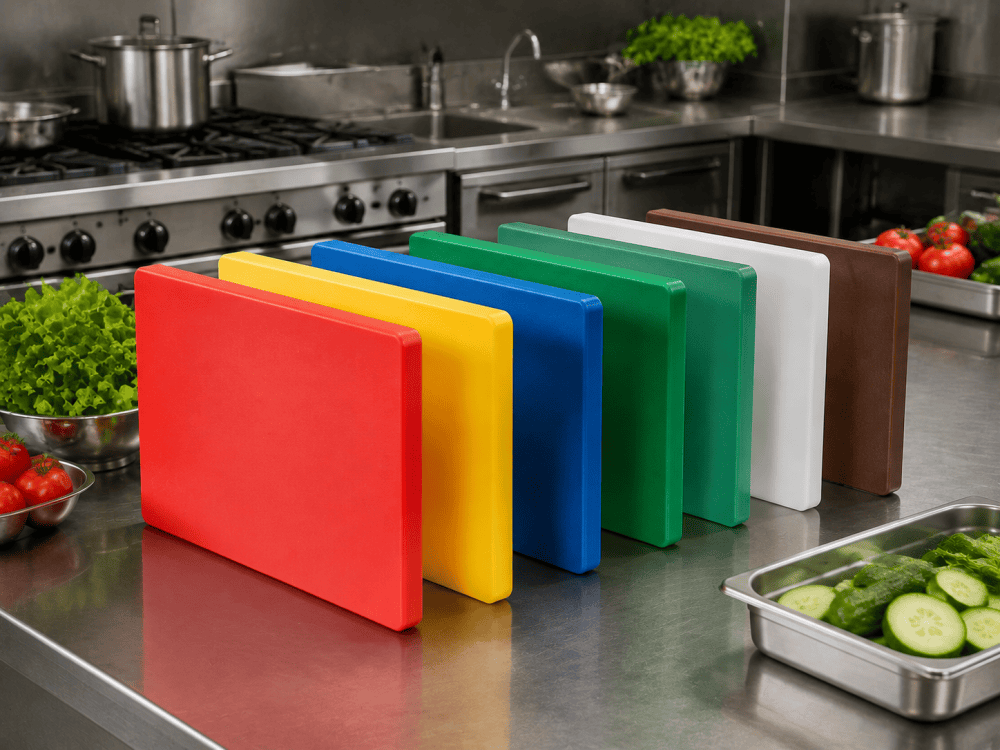
- Color-coded surfaces
OEM Customization Options for Non Slip Cutting Boards
For brands and retailers, OEM customization provides opportunities to create unique products that match specific market needs.
Common Customization Services Include:
- Custom sizes and shapes
- Private logo printing
- Customized colors
- Material combinations
- Packaging customization
- New structural development
For example, a brand targeting premium consumers may choose a bamboo cutting board with silicone anti-slip feet, while a commercial kitchen supplier may prefer PE boards with strong rubber bases.
Common Quality Problems in Non Slip Cutting Boards
Anti-Slip Parts Falling Off
Low-quality rubber feet or silicone pads may detach after repeated use or washing. Reliable manufacturers should ensure strong bonding and durability testing.
Material Warping
Poor material selection or unstable production processes can cause cutting boards to bend or deform over time.
Weak Food Safety Control
Using non-food-grade materials may create compliance problems during export inspection and certification testing.
Poor Surface Finishing
Rough edges, uneven surfaces, or poor finishing can negatively affect user experience and product reviews.
The best non slip cutting board suppliers should provide not only attractive designs but also stable materials, reliable anti-slip performance, food safety compliance, and OEM development support.
Why Non Slip Cutting Boards Are a Growing Market Trend in 2026
The global kitchenware market is moving toward safer, more functional, and more user-friendly products. Consumers are no longer looking for basic kitchen tools only; they prefer products that solve real problems and improve daily cooking experiences.
A non slip cutting board represents this trend perfectly. By combining traditional cutting functions with safety-focused design, it provides additional value compared with standard flat cutting boards.
Trend 1: Kitchen Safety Becomes a Major Buying Factor
With more consumers focusing on safe cooking environments, products that improve stability and reduce accidents are gaining attention.
Anti-slip cutting boards help users maintain better control while cutting, making them especially attractive for families, elderly users, and professional kitchens.
Trend 2: Functional Upgrades Increase Product Value
Basic cutting boards face strong price competition. Adding functional features allows brands to create differentiated products and achieve better market positioning.
Popular upgraded cutting board features include:
- Non-slip rubber feet
- TPR anti-slip edges
- Juice groove design
- Double-sided cutting surfaces
- Foldable structures
- Built-in handles
- Storage-friendly designs
Trend 3: Online Retail Requires Better Product Differentiation
For e-commerce platforms, product appearance and functional benefits directly influence purchase decisions. Non slip cutting boards provide clear selling points that are easy to demonstrate through images and videos.
Compared with ordinary cutting boards, anti-slip designs allow brands to highlight:
- Better stability
- Safer cooking experience
- Premium product design
- Improved user convenience
How to Choose a Reliable Non Slip Cutting Board Manufacturer
Selecting the right supplier is essential for maintaining product quality and building a successful kitchenware brand. Buyers should evaluate manufacturers based on production capability, quality control, customization ability, and export experience.
1. Check Manufacturing Capability
A professional cutting board manufacturer should have experience producing different materials and structures, including plastic, bamboo, wood, stainless steel, and multifunctional designs.
2. Evaluate Quality Control Systems
Reliable suppliers should have strict quality inspections covering:
- Raw material inspection
- Dimension accuracy
- Surface finishing
- Anti-slip component strength
- Packaging quality
3. Confirm Export Experience
Manufacturers familiar with international markets understand different requirements for product safety, documentation, packaging, and shipping.
4. Review OEM Development Ability
For private-label brands, suppliers should be able to support product customization from concept development to final production.
Non Slip Cutting Board Supplier Checklist for Buyers
| Evaluation Item | What Buyers Should Check |
|---|---|
| Material Quality | Food-grade materials and stable supply chain |
| Anti-Slip Design | Strong grip performance and durable components |
| Certification | FDA, LFGB, or other food-contact compliance |
| Customization | OEM sizes, colors, logos, packaging |
| Production Capacity | Stable mass production capability |
| Export Experience | Knowledge of international markets |
Frequently Asked Questions
What is a non slip cutting board?
A non slip cutting board is a cutting board designed with anti-slip features such as rubber feet, silicone edges, TPR materials, or textured surfaces to prevent movement during food preparation.
Are anti slip cutting boards safer?
Yes. They improve stability during cutting and help reduce unexpected movement, creating a safer cooking environment.
What is the best material for a non slip cutting board?
The best material depends on the application. PE and PP are popular for commercial and household markets, while wood and bamboo are preferred for premium and eco-friendly products.
Are non slip cutting boards suitable for restaurants?
Yes. Professional kitchens often prefer stable cutting surfaces because they improve workflow efficiency and safety.
How do rubber feet improve cutting board stability?
Rubber and TPR materials increase friction between the board and countertop, reducing sliding during use.
Can non slip cutting boards be customized?
Yes. Manufacturers can customize sizes, colors, materials, structures, logos, and packaging for private-label projects.
Do non slip cutting boards need FDA certification?
For products exported to the US market, buyers often request food-contact compliance documentation such as FDA-related material compliance.
Do European buyers require LFGB certification for cutting boards?
Many European buyers prefer LFGB-certified products because of strict food-contact safety expectations, especially in premium kitchenware markets.
How can buyers test anti-slip performance?
Buyers can evaluate grip strength, stability on different countertop surfaces, durability after repeated washing, and long-term performance.
Why are non slip cutting boards good for private-label brands?
They offer clear product differentiation, stronger selling points, and opportunities for customized designs that help brands compete in crowded markets.
Conclusion
Non slip cutting boards are becoming an important category in the global kitchenware market because they combine safety, functionality, and modern design. Compared with traditional cutting boards, anti-slip models provide a better user experience and stronger market appeal.
For wholesalers, distributors, and private-label brands, choosing the right material, functional design, and reliable manufacturing partner is essential for developing successful cutting board products.
As kitchenware trends continue to evolve in 2026, cutting boards with anti-slip features, food-grade materials, and customized designs will continue to attract consumers and create new opportunities for global suppliers.
Looking for Non Slip Cutting Board Manufacturers?
Kitlucy provides high-quality non slip cutting boards with customizable materials, designs, colors, and packaging solutions for global kitchenware brands, wholesalers, and distributors.
Our cutting board solutions include:
- PP non slip cutting boards
- PE commercial cutting boards
- Double sided cutting boards
- Cutting boards with juice groove
- Customized OEM kitchen cutting boards
Explore our cutting board collection:
//www.kitlucy.com/cutting-boards.html
Contact us for OEM and wholesale solutions:
//www.kitlucy.com/contact-us.html
Related Blogs