How to Disinfect Cutting Boards: Complete Guide for Wood and Plastic Boards
How to Disinfect Cutting Boards: Complete Guide for Wood and Plastic Boards
Learn how to disinfect cutting boards safely, including the best methods for wood and plastic boards, how to remove bacteria after raw meat, and how to prevent cross-contamination in your kitchen.
Cutting boards are used every day for preparing vegetables, fruits, meat, poultry, seafood, and ready-to-eat foods. Because they come into direct contact with food, keeping them clean is an important part of kitchen hygiene.
But knowing how to disinfect a cutting board is not always as simple as washing it with soap and water. Different cutting board materials require different care, and some cleaning methods that work well for plastic may damage wood.
In this complete guide, you will learn how to disinfect cutting boards properly, including how to disinfect a wood cutting board, how to sanitize plastic cutting boards, and when it is time to replace an old board.
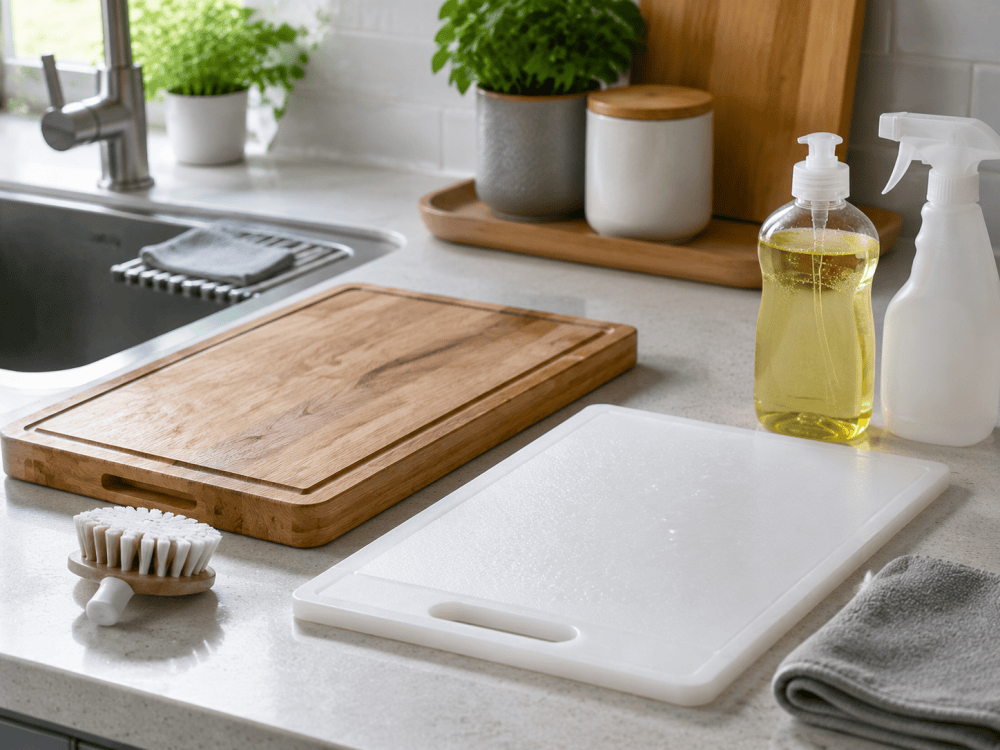
To disinfect a cutting board, first remove food residue and wash the surface thoroughly with hot water and dish soap. After cleaning, sanitize the board using a food-safe method suitable for its material. Plastic boards can generally tolerate stronger sanitizing methods, while wood cutting boards should be cleaned carefully and protected from excessive moisture.
How to Disinfect a Cutting Board: The Basic Process
If you are looking for the simplest answer to how to disinfect cutting board, the process usually involves two important stages: cleaning and sanitizing.
- Remove food residue from the board.
- Wash the surface with hot water and dish soap.
- Scrub knife marks and textured areas thoroughly.
- Rinse away the cleaning solution.
- Sanitize using a method suitable for the cutting board material.
- Allow the board to dry completely before storing or reusing it.
The most important point is that a cutting board should be cleaned before it is disinfected or sanitized. Food particles, grease, and other residue can remain inside surface scratches and knife grooves. If these are not removed first, the sanitizing process may be less effective.
Cleaning vs Disinfecting vs Sanitizing a Cutting Board
These three terms are often used interchangeably, but they do not mean exactly the same thing.
| Process | Main Purpose | Typical Method |
|---|---|---|
| Cleaning | Removes visible food residue, grease, and dirt | Soap, water, sponge, or brush |
| Sanitizing | Reduces microorganisms to safer levels | Food-safe sanitizing solution or heat |
| Disinfecting | Uses a stronger process intended to destroy or inactivate more microorganisms | Appropriate disinfecting products or processes |
For everyday food preparation, many people use the phrase "disinfect a cutting board" when they are actually looking for a safe sanitizing method.
For practical kitchen use, the most important routine is:
- Clean the board thoroughly after use.
- Sanitize it when necessary, especially after raw meat or seafood.
- Dry it completely before storage.
When Should You Disinfect Cutting Boards?
You do not necessarily need to perform the same deep sanitizing routine after every piece of fruit or bread. However, cutting boards should receive extra attention after preparing foods that may increase the risk of cross-contamination.
You should disinfect or sanitize cutting boards especially after:
- Raw meat
- Raw poultry
- Raw seafood
- Egg residue
- Preparing food for vulnerable individuals
- Handling foods with strong odors or sticky residue
In commercial kitchens, sanitation routines may be more frequent because cutting boards are used continuously throughout the day.
One of the easiest ways to reduce cross-contamination is to use separate cutting boards for raw meat and ready-to-eat foods. A color-coded cutting board system can make food separation easier in both commercial and household kitchens.
How to Disinfect Plastic Cutting Boards
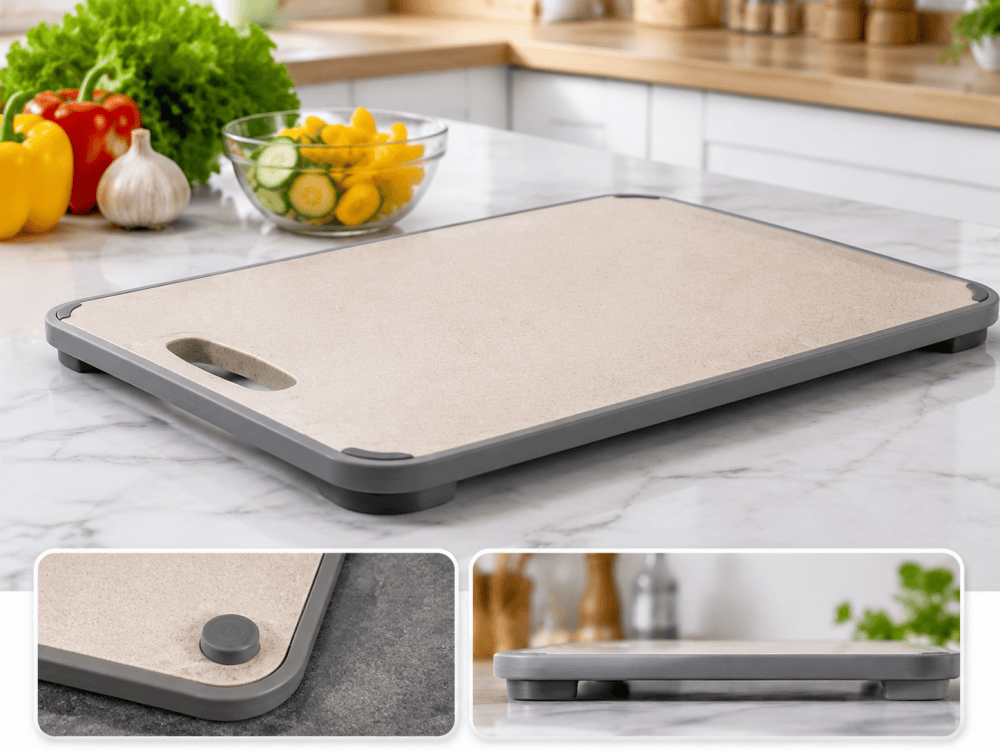
Plastic cutting boards are popular because they are generally easy to clean, moisture-resistant, and available in materials such as PP and HDPE.
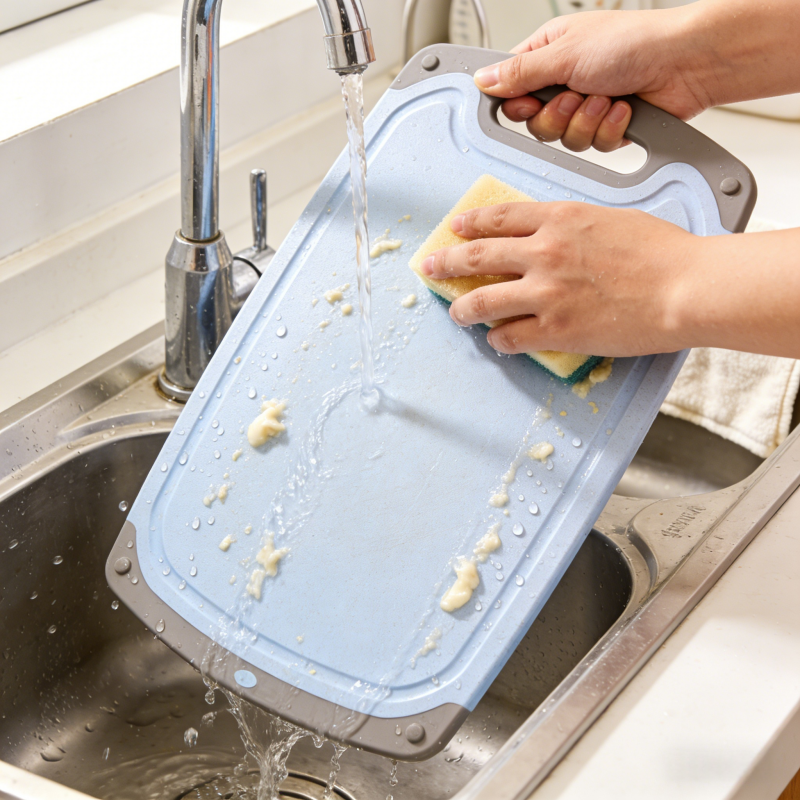
To disinfect a plastic cutting board, start by washing it thoroughly with hot water and dish soap. Pay particular attention to deep knife marks because food residue can remain inside the grooves.
Step-by-Step Method for Plastic Cutting Boards
- Remove any remaining food particles.
- Wash the board with hot water and dish soap.
- Use a brush to scrub knife grooves and textured surfaces.
- Rinse thoroughly.
- Apply an appropriate food-safe sanitizing method according to the product instructions.
- Rinse if required by the sanitizing product.
- Allow the board to air dry completely.
Many plastic cutting boards are also dishwasher safe, but this depends on the material and product design. Always check the manufacturer's care instructions before using a dishwasher.
Why Plastic Boards Are Popular in Commercial Kitchens
Commercial kitchens often use plastic cutting boards because they can be manufactured in multiple colors, are easy to replace, and work well with organized food preparation systems.
- Easy to clean
- Moisture resistant
- Available in color-coded designs
- Suitable for many commercial kitchen environments
- Often compatible with dishwasher cleaning
However, heavily worn plastic cutting boards should still be replaced. Deep knife grooves can make thorough cleaning more difficult over time.
How to Disinfect Wood Cutting Boards
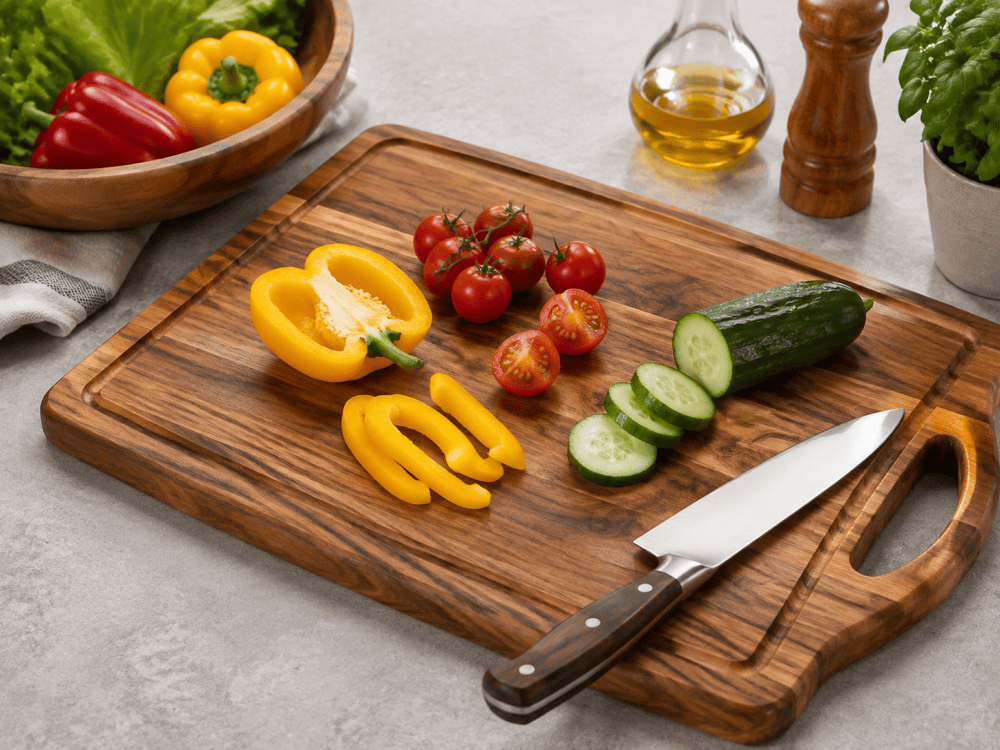
One of the most searched questions is how to disinfect wood cutting board. Wooden boards require more careful cleaning because wood should not be soaked in water or exposed to excessive moisture for long periods.
Whether you are trying to learn how to disinfect a wooden cutting board or how to clean a wood cutting board after raw meat, the key is to clean the surface thoroughly while avoiding prolonged soaking.
Step 1: Remove Food Residue
Use a brush, scraper, or paper towel to remove visible food particles from the surface.
Step 2: Wash with Warm Water and Mild Dish Soap
Use a sponge or soft brush to scrub the cutting surface. Focus on areas with visible knife marks or food residue.
Step 3: Rinse Quickly
Do not soak the board in a sink of water. Excessive moisture can contribute to warping, cracking, or splitting over time.
Step 4: Use a Wood-Safe Sanitizing Method When Needed
When additional sanitation is necessary, use a food-safe method suitable for wooden surfaces. Follow the instructions of the product being used and avoid leaving excessive liquid on the board.
Step 5: Dry the Board Immediately
After washing, dry the board with a clean towel and allow it to continue air drying in a well-ventilated position.
For long-term maintenance, wooden cutting boards may also require periodic conditioning with a food-safe mineral oil or board oil to help maintain the surface.
How to Disinfect Wood Cutting Boards Safely
Many people search for how to disinfect wood cutting board because wooden boards require different care from plastic cutting boards.
Wood is a natural material, so it should not be soaked in water or exposed to harsh cleaning methods for extended periods. However, a wooden cutting board can still be cleaned and sanitized effectively with the right process.
Step 1: Wash the Board First
Before disinfecting, remove all visible food residue and grease.
- Use warm running water
- Apply mild dish soap
- Scrub the surface with a clean sponge or brush
- Pay special attention to knife marks and grooves
- Rinse the board thoroughly
Do not leave a wooden cutting board submerged in water. Extended soaking can cause the wood to absorb moisture, which may lead to warping, cracking, or splitting.
Step 2: Sanitize the Surface
After cleaning, you can use an appropriate sanitizing method to reduce microorganisms on the surface.
For general household cleaning, mild sanitizing approaches may include:
- A food-safe sanitizing solution used according to the product instructions
- A properly diluted bleach solution when appropriate for the product and followed by thorough rinsing
- Hydrogen peroxide-based cleaning products suitable for food-contact surfaces
Always follow the instructions on the cleaning or sanitizing product. Do not assume that natural ingredients alone provide reliable sanitation.
Step 3: Dry the Board Completely
After cleaning and sanitizing, drying is essential.
- Pat the board dry with a clean towel
- Stand the board upright or on its side
- Allow air to circulate around both sides
- Do not store the board while it is still damp
Proper drying helps prevent moisture-related damage and reduces the risk of mold growth.
Step 4: Condition the Wood When Necessary
Cleaning removes moisture and may gradually dry out the surface of a wooden cutting board. Food-grade cutting board oil or conditioner can help maintain the wood after the board has been fully cleaned and dried.
Cleaning, sanitizing, and conditioning are different processes. Oil is used to help maintain the wood and does not replace proper cleaning or sanitation.
Can You Disinfect a Wooden Cutting Board With Vinegar?
Vinegar is commonly used in household cleaning, and many people use it to help remove odors or provide a light surface clean. However, vinegar should not automatically be treated as a complete replacement for an approved food-contact sanitizer when reliable disinfection is required.
If you are dealing with raw meat residue or a board that requires thorough sanitation, a cleaning and sanitizing method appropriate for food-contact surfaces is generally the more reliable choice.
For this reason, the safest routine is:
- Clean the board with soap and water.
- Apply an appropriate sanitizing method.
- Allow the required contact time.
- Rinse if required by the product instructions.
- Dry the board completely.
How to Disinfect Plastic Cutting Boards
Plastic cutting boards are generally easier to sanitize because materials such as HDPE and PP are non-porous and moisture-resistant.
However, deep knife grooves can develop over time, creating areas that are more difficult to clean thoroughly.
Basic Cleaning Method
- Remove food residue immediately after use
- Wash with hot or warm water and dish soap
- Scrub both sides of the board
- Focus on deep knife marks
- Rinse thoroughly
Sanitizing After Raw Meat or Seafood
After preparing raw poultry, meat, or seafood, additional sanitation may be appropriate.
Use a food-safe sanitizing product or properly prepared sanitizing solution according to the manufacturer's instructions. The required concentration and contact time are important, so stronger is not necessarily better.
Clean first, then sanitize. Applying sanitizer directly to a surface covered with grease or food residue may reduce the effectiveness of the sanitizing process.
Can Plastic Cutting Boards Go in the Dishwasher?
Many plastic cutting boards are dishwasher safe, but not all products are designed for high dishwasher temperatures. Always check the manufacturer's care instructions.
High-quality commercial plastic cutting boards are often designed for repeated washing, which makes them popular in busy kitchens and food preparation environments.
How to Disinfect Silicone Cutting Boards
Silicone cutting boards are generally easy to clean because silicone has a flexible, water-resistant surface.
For routine care:
- Wash with dish soap and warm water
- Scrub food residue from the surface
- Use an appropriate food-safe sanitizing method when needed
- Allow the board to dry completely
Many silicone kitchen products are dishwasher safe, but users should still check the individual product instructions.
How to Disinfect Cutting Boards After Raw Chicken
Raw chicken requires special attention because poultry juices can contaminate the cutting board, sink, knife, countertop, and nearby kitchen surfaces.
After cutting raw chicken, follow this process:
1. Remove the Chicken and Food Residue
Place the chicken in its appropriate cooking container and remove visible residue from the board.
2. Wash the Board Thoroughly
Use dish soap, water, and a brush or sponge to scrub the entire surface.
3. Sanitize the Board
Use a suitable food-contact sanitizing method according to the product directions.
4. Clean Nearby Surfaces
Also clean any surfaces that may have come into contact with raw chicken, including:
- Knives
- Countertops
- Sink surfaces
- Faucet handles
- Kitchen tools
5. Wash Your Hands
Wash your hands thoroughly after handling raw poultry and before touching other foods or surfaces.
How to Remove Odors From a Cutting Board
A cutting board may retain odors even after visible food residue has been removed. Garlic, onions, fish, and strong spices are common causes.
For Wooden Cutting Boards
Light odor treatment methods may include:
- Coarse salt with gentle scrubbing
- Lemon for surface deodorizing
- Thorough washing followed by complete drying
These methods may help reduce odors, but they should not be treated as substitutes for proper sanitation when a board has been exposed to raw meat or other high-risk food residues.
For Plastic Cutting Boards
Persistent odors may indicate that food particles have entered deep knife grooves. Thorough cleaning with a brush can help, but heavily damaged boards may eventually need replacement.
How Often Should You Disinfect a Cutting Board?
The frequency depends on how the cutting board is used.
| Cutting Board Use | Recommended Cleaning Approach |
|---|---|
| Vegetables and fruit | Wash thoroughly after use |
| Raw meat or poultry | Clean and sanitize after use |
| Raw seafood | Clean and sanitize after use |
| Commercial food preparation | Follow the applicable kitchen sanitation procedures |
In a busy commercial kitchen, cutting boards may need to be cleaned and sanitized multiple times during the day.
Common Mistakes to Avoid When Disinfecting Cutting Boards
1. Using a Dirty Board for Ready-to-Eat Food
Never use the same unwashed cutting board for raw meat and ready-to-eat foods such as bread, fruit, or cooked meat.
2. Soaking Wooden Cutting Boards
Wood absorbs water. Long soaking periods can cause damage and shorten the life of the board.
3. Applying Sanitizer Before Cleaning
Food residue and grease should be removed first. A dirty surface may prevent a sanitizing solution from working effectively.
4. Storing the Board While Damp
Moisture trapped during storage can contribute to odors, mold, and material damage.
5. Continuing to Use a Heavily Damaged Board
Deep cracks and grooves may become difficult to clean thoroughly. Replacement is often the better option when a cutting board becomes severely worn.
Which Cutting Board Material Is Easiest to Disinfect?
| Material | Cleaning Ease | Sanitizing Ease | Key Consideration |
|---|---|---|---|
| Plastic | Easy | Easy | Replace when deeply grooved |
| Wood | Moderate | Moderate | Avoid soaking and dry thoroughly |
| Silicone | Easy | Easy | Check product care instructions |
| Commercial HDPE | Easy | Easy | Suitable for color-coded systems |
There is no single material that is automatically the most hygienic in every situation. Proper cleaning, correct sanitation, complete drying, and timely replacement are all important.
Use Separate Cutting Boards to Prevent Cross-Contamination
Properly disinfecting cutting boards is important, but preventing contamination in the first place is even better.
One of the most effective kitchen hygiene practices is to use separate cutting boards for different types of food.
A common system separates cutting boards into categories such as:
- Raw meat
- Raw poultry
- Seafood
- Vegetables and fruits
- Ready-to-eat foods
In commercial kitchens, these categories are often identified using different board colors.
Why Color-Coded Cutting Boards Are Useful
A color-coded cutting board system helps kitchen staff quickly identify which board should be used for different ingredients.
This can help:
- Reduce cross-contamination risks
- Improve food preparation organization
- Make staff training easier
- Support kitchen hygiene procedures
- Reduce confusion during busy food preparation periods
Color-coded boards are particularly useful in restaurants, catering businesses, schools, hospitals, and other commercial food preparation environments.
When Should You Replace a Cutting Board?
Even if you know how to disinfect cutting boards properly, every cutting board eventually reaches the end of its useful life.
Replace a cutting board if you notice:
- Deep knife grooves that are difficult to clean
- Cracks or splitting
- Persistent food odors
- Visible mold growth
- Severe staining or discoloration
- Warping that makes the board unstable
- A damaged surface that cannot be effectively cleaned
Deep Knife Grooves Are a Common Warning Sign
Plastic cutting boards gradually develop knife marks through repeated use. Light surface marks are normal, but deep grooves can become more difficult to clean effectively.
When a plastic board becomes heavily damaged, replacing it is usually more practical than attempting to restore it.
Cracked Wooden Cutting Boards Should Be Checked Carefully
Small surface marks are normal on a wood cutting board. However, deep cracks or splits can make cleaning and drying more difficult.
If the board is severely cracked, warped, or has persistent mold growth, replacement may be necessary.
A cutting board does not need to look completely new to remain usable. The main concern is whether the surface can still be cleaned thoroughly and whether the board remains structurally stable.
How to Store Cutting Boards After Cleaning
Proper storage is another important part of cutting board hygiene.
Before storing a cutting board, make sure it is completely dry.
Best Storage Practices
- Allow the board to air dry completely
- Store it vertically when possible
- Allow airflow around the board
- Keep the storage area dry and clean
- Avoid stacking wet boards together
Vertical storage is particularly helpful because it allows both sides of the board to dry more effectively.
Why You Should Not Store a Cutting Board While Wet
A damp cutting board stored in a closed cabinet can retain moisture for a long period. This may contribute to unpleasant odors and create conditions that encourage mold growth.
Wooden boards require particular attention because wood can absorb moisture if it remains wet.
How to Keep Cutting Boards Sanitary Every Day
Learning how to disinfect a cutting board is important, but good hygiene is easier when cleaning becomes part of your normal kitchen routine.
For most households, a simple routine can include:
- Wash the cutting board immediately after use.
- Use separate boards for raw meat and ready-to-eat foods.
- Sanitize the board after handling raw meat, poultry, or seafood.
- Allow the board to dry completely.
- Inspect the board regularly for deep damage or cracks.
- Replace heavily damaged boards when necessary.
These basic practices can significantly improve everyday kitchen hygiene.
Cutting Board Hygiene Tips for Commercial Kitchens
Commercial kitchens usually have more demanding sanitation requirements because cutting boards may be used repeatedly throughout the day.
Restaurants, food manufacturers, catering companies, and other food-service businesses should establish clear procedures for:
- Cleaning cutting boards
- Sanitizing food-contact surfaces
- Separating raw and ready-to-eat foods
- Storing clean cutting boards
- Inspecting board condition
- Replacing damaged cutting boards
- Training employees on sanitation procedures
Choose Cutting Boards Designed for the Application
For high-use environments, commercial buyers often consider:
- Material durability
- Ease of cleaning
- Size and thickness
- Color-coded systems
- Food-contact requirements
- Dishwasher compatibility where required
High-quality plastic boards made from materials such as PP or HDPE can be practical options for many commercial applications because they are durable, moisture resistant, and available in multiple colors.
For brands and distributors looking for customized products, factors such as size, material, color, logo, packaging, and private-label requirements can also be important.
Frequently Asked Questions About How to Disinfect Cutting Boards
How do you disinfect a cutting board?
First remove food residue and wash the board thoroughly with soap and water. After cleaning, use an appropriate food-safe sanitizing method suitable for the cutting board material, then allow the board to dry completely.
How do you disinfect cutting boards after raw chicken?
After preparing raw chicken, thoroughly wash the board with soap and water to remove food residue. Then sanitize it using a suitable food-safe method and clean any nearby surfaces that may have been contaminated by poultry juices.
How do you disinfect a wood cutting board?
Wash the wooden cutting board with warm water and mild dish soap, scrub the surface, and rinse it quickly without soaking. When additional sanitation is needed, use a food-safe method suitable for wooden surfaces and dry the board completely.
Can you use bleach on a wooden cutting board?
Bleach-based sanitizing methods may be used in some food-safety applications, but excessive or improper use can affect wood. If using a bleach-based product, follow the applicable product instructions and food-contact safety guidance. Do not mix bleach with other cleaning products.
Does vinegar disinfect a cutting board?
Vinegar is commonly used for household cleaning and deodorizing, but it should not automatically be considered a replacement for an approved food-safe sanitizing method when reliable sanitation is required.
Can I disinfect a cutting board with boiling water?
High heat can damage some cutting board materials. Boiling water may cause wood to warp or crack, while certain plastic boards may deform. Always follow the manufacturer's recommended care instructions for the specific board material.
How often should I disinfect cutting boards?
Cutting boards should be thoroughly cleaned after every use. Additional sanitation is especially important after handling raw meat, poultry, seafood, or other foods that may create a higher cross-contamination risk.
Are wooden cutting boards hygienic?
Wooden cutting boards can be used hygienically when they are properly cleaned, thoroughly dried, and maintained. Avoid prolonged soaking and replace boards that become severely cracked, damaged, or difficult to clean.
When should you throw away a cutting board?
Replace a cutting board when it develops severe cracks, deep damage, persistent mold, warping, or grooves that make the surface difficult to clean thoroughly.
Choosing the Right Cutting Board for Easier Cleaning
Different cutting board materials offer different advantages.
| Material | Best For | Cleaning Consideration |
|---|---|---|
| Plastic | Daily and commercial food preparation | Easy to clean and sanitize, but replace when heavily grooved |
| Wood | Knife-friendly food preparation | Requires careful drying and should not be soaked |
| Silicone | Flexible kitchen applications | Easy to clean; check manufacturer care instructions |
| HDPE / PP | Commercial and color-coded systems | Moisture resistant and practical for frequent use |
The best choice depends on how frequently the board is used, the type of food being prepared, knife preferences, and maintenance requirements.
Wholesale and OEM Cutting Board Solutions
For kitchenware distributors, retailers, brands, and commercial buyers, cutting board hygiene starts with selecting the right material and product design.
Kitlucy provides professional cutting board solutions for different market needs, including plastic cutting boards, PP cutting boards, customized cutting board sets, and other kitchenware products.
Our cutting board solutions can support requirements such as:
- Material selection
- Custom sizes and shapes
- Color customization
- Color-coded cutting board systems
- Logo and private-label customization
- Customized packaging
Explore our Cutting Board Collection to discover more product options.
For customized kitchenware projects, visit our Kitchenware Customization Service.
Looking for Hygienic Cutting Board Solutions?
Kitlucy provides cutting board solutions for global wholesalers, retailers, kitchenware brands, and commercial buyers. From material selection and color-coded systems to private-label packaging, we support customized kitchenware sourcing for different market needs.
Conclusion: How to Disinfect Cutting Boards Safely
Knowing how to disinfect cutting boards is an important part of safe food preparation, especially after handling raw meat, poultry, or seafood.
The most important principle is to choose a cleaning and sanitizing method that matches the cutting board material. Plastic boards can generally tolerate more intensive washing, while wooden boards require careful cleaning and thorough drying to prevent moisture damage.
For everyday kitchen hygiene, remember these key steps:
- Clean the cutting board after every use.
- Sanitize it when necessary.
- Use separate boards for different food categories.
- Allow boards to dry completely.
- Replace boards that become severely damaged.
By following these practices, you can maintain cleaner cutting boards, reduce cross-contamination risks, and extend the useful life of your kitchen tools.
Related Blogs