How to Make a Cutting Board: DIY Steps and Professional Manufacturing Guide
How to Make a Cutting Board: DIY Guide, Best Materials & Professional Manufacturing Tips
Discover how cutting boards are made, the best materials for durability and food safety, and why professional manufacturing creates longer-lasting kitchen products.
Cutting boards are one of the most frequently used tools in every kitchen. Whether you are a woodworking enthusiast building a DIY project or a kitchenware brand exploring OEM production, understanding how to make a cutting board helps you choose better materials, designs, and manufacturing methods.
In this guide, we explain how to make a cutting board step by step, compare popular cutting board materials, and reveal how professional factories manufacture durable cutting boards for global kitchenware brands.
What Is the Best Material for a Cutting Board?
Before making a cutting board, choosing the right material is critical. Different materials affect durability, knife friendliness, maintenance, and food safety.
| Material | Durability | Knife Friendly | Maintenance | Popular Use |
|---|---|---|---|---|
| Maple Wood | Very High | Excellent | Moderate | Professional kitchens |
| Walnut Wood | High | Excellent | Moderate | Premium cutting boards |
| Bamboo | High | Moderate | Low | Eco-friendly kitchens |
| PP Plastic | High | Good | Easy | Commercial food prep |
| Silicone | Moderate | Soft Surface | Very Easy | Flexible kitchen boards |
Wood cutting boards remain one of the most searched kitchen products because they provide a balance between durability, knife protection, and natural appearance.
You can also explore professional cutting board solutions for commercial kitchens and wholesale projects.
Materials Needed to Make a Wooden Cutting Board
Most DIY cutting boards are made from hardwood because hardwood resists deep knife marks and provides long-term stability.
- Hardwood lumber: Maple, walnut, cherry, or teak are popular options.
- Food-safe wood glue: Used to securely join multiple wood strips.
- Mineral oil or beeswax: Protects the board from moisture and cracking.
- Sandpaper: Required for smoothing the board surface.
- Clamps: Hold glued pieces together during curing.

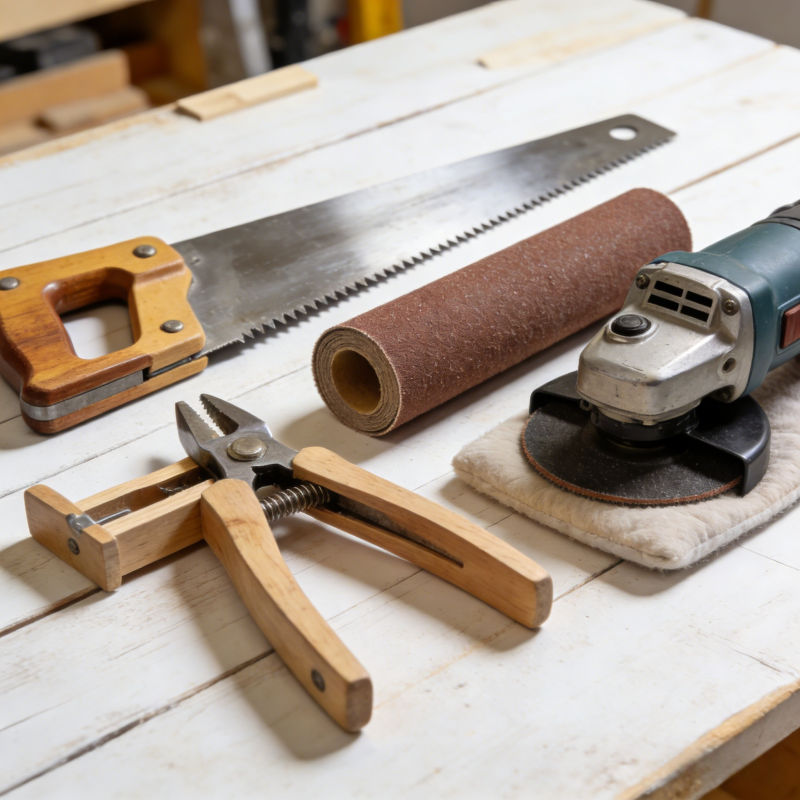
Tools Required for DIY Cutting Board Production
Professional-looking cutting boards require accurate cutting and smooth finishing.
- Table saw or circular saw for cutting wood.
- Router for juice grooves and rounded edges.
- Orbital sander for smooth finishing.
- Clamps for stable glue bonding.
- Food-safe finishing cloths or brushes.
Step-by-Step Guide: How to Make a Cutting Board
1. Select and Prepare the Wood
Choose kiln-dried hardwood with low moisture content. Moisture imbalance is one of the biggest causes of cutting board warping and cracking.
Hardwoods like maple and walnut are highly recommended because they balance durability and knife protection.
2. Cut the Wood Strips
Measure and cut wood strips evenly. Accurate sizing helps improve glue strength and creates a professional appearance.
3. Glue and Clamp the Wood
Apply food-safe wood glue evenly between each strip and clamp tightly. Let the board cure for at least 12–24 hours for maximum bonding strength.
Professional factories use hydraulic clamping systems and industrial food-safe adhesives to ensure stronger bonding consistency compared with most DIY setups.
4. Sand the Surface Smooth
Start sanding with coarse grit and gradually move to finer grit. Smooth surfaces help reduce bacteria buildup and improve user comfort.
5. Add Juice Grooves or Handles
Modern cutting board designs often include:
- Juice grooves for collecting liquids
- Non-slip edges for kitchen safety
- Integrated handles for easy storage
- Double-sided surfaces for ingredient separation
These features improve both functionality and Google SEO keyword relevance for “modern cutting board designs.”
6. Apply Food-Safe Finish
Apply mineral oil, beeswax, or food-grade oil to protect the board against water absorption and drying.

Common DIY Cutting Board Mistakes
- Using softwood instead of hardwood.
- Skipping food-safe finishing oil.
- Improper glue curing time.
- Uneven sanding that traps bacteria.
- Using untreated wet wood that warps later.
Many online DIY tutorials overlook food-contact safety standards, which is why professionally manufactured cutting boards often perform better over long-term kitchen use.
DIY vs Professional Cutting Board Manufacturing
| Feature | DIY Cutting Board | Factory Manufacturing |
|---|---|---|
| Precision | Depends on skill level | High CNC accuracy |
| Consistency | Varies | Uniform quality control |
| Food Safety | Depends on materials | Certified food-safe production |
| Production Volume | Low | Large-scale OEM production |
| Customization | Limited | Logo, color, packaging, size customization |
How Professional Factories Manufacture Cutting Boards
Professional cutting board factories use advanced manufacturing systems including:
- Precision CNC cutting
- Industrial sanding systems
- Injection molding for plastic boards
- Food-grade quality inspection
- Automated polishing and packaging lines
Plastic cutting boards are typically manufactured through injection molding using food-safe PP materials. This process ensures consistent thickness, high durability, and easier sanitation.
Kitchenware brands also prefer professional OEM factories because they can customize:
- Private label logos
- Retail packaging
- Custom colors
- Unique shapes
- Non-slip or juice groove designs
Why Kitchenware Brands Choose OEM Cutting Board Manufacturers
Global distributors and retailers increasingly rely on OEM manufacturers because professional production offers:
- Stable product quality
- Lower manufacturing cost
- Food safety compliance
- Faster bulk production
- Reliable long-term supply chains
Kitlucy specializes in OEM kitchenware manufacturing including:
For custom kitchenware manufacturing and wholesale projects, you can also explore our OEM & ODM kitchenware services.
How to Maintain a Wooden Cutting Board
Proper maintenance significantly extends cutting board lifespan.
- Wash with warm water and mild soap.
- Never soak wooden boards for long periods.
- Apply food-grade mineral oil monthly.
- Store in dry, ventilated areas.
- Sanitize regularly with vinegar or lemon.
Proper maintenance prevents cracking, bacterial growth, and odor absorption.
Final Thoughts
Learning how to make a cutting board helps users better understand kitchen product quality, materials, and manufacturing standards. DIY cutting boards are excellent woodworking projects, but professional manufacturing provides greater consistency, durability, and food safety for commercial kitchen use.
As kitchenware trends continue evolving, modern cutting boards now combine ergonomic design, non-slip safety, hygienic surfaces, and sustainable materials to meet both home and professional cooking needs.
Looking for Professional Cutting Board Manufacturing?
Kitlucy provides OEM and ODM cutting board manufacturing services for global kitchenware brands, wholesalers, and distributors. Contact us today to discuss custom cutting board projects, private-label packaging, and bulk kitchenware production.
Related Blogs