

Smart Cutting Board Designs for Modern Kitchens: 5 Features to Look For
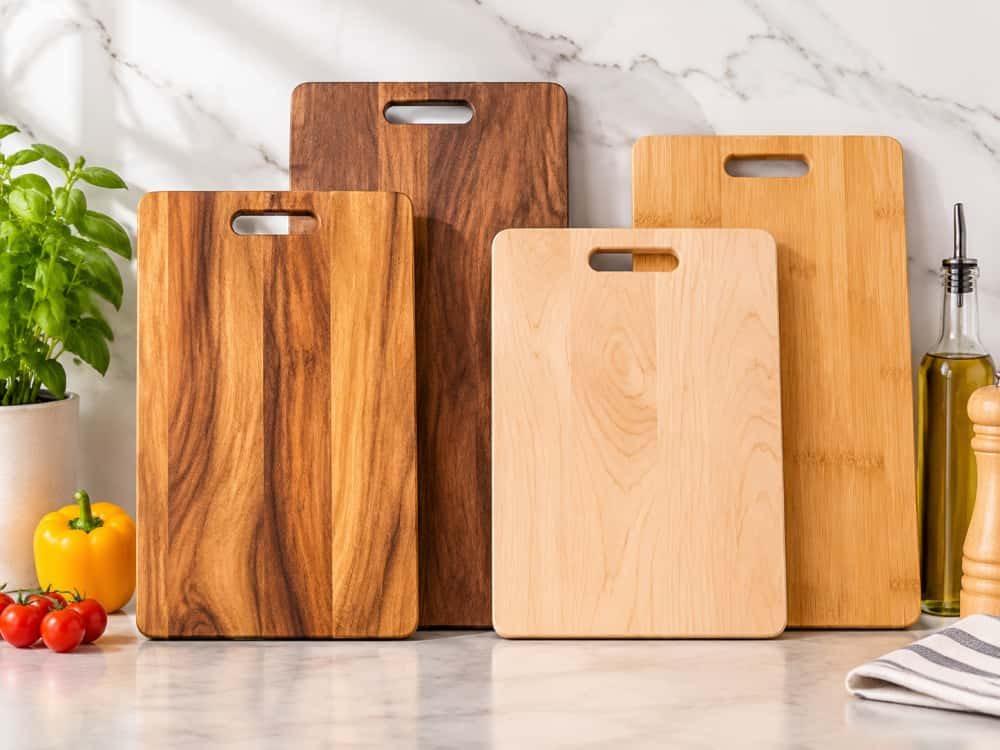
A cutting board is one of the most frequently used tools in any kitchen, but traditional designs do not always meet the needs of modern households. Limited storage space, food hygiene, kitchen safety, and everyday convenience have encouraged manufacturers to develop more functional cutting board designs.
From color-coded cutting board sets to foldable TPU boards and non-slip PP designs, today's options offer different solutions for food preparation, storage, and kitchen organization. Understanding these features can help consumers choose the right board and help kitchenware buyers identify products that fit different market needs.
What Makes a Cutting Board Design Smart?
A smart cutting board is not necessarily an electronic or complicated product. In kitchenware, smart design often means improving the way people prepare, handle, clean, and store food.
A well-designed cutting board should address practical problems in everyday cooking. For example, a non-slip base can help reduce unwanted movement, a foldable surface can make transferring ingredients easier, and a compact design can save storage space.
When evaluating modern cutting boards, consider these important design elements:
- Food organization: Different boards or colors can help separate food preparation tasks.
- Convenience: Flexible or foldable designs can simplify transferring chopped ingredients.
- Storage efficiency: Slim profiles and compact shapes can fit smaller kitchens.
- Stability: Non-slip features can help keep the board in position during use.
- Ease of handling: Lightweight construction can make carrying and washing more convenient.
1. Color-Coded Cutting Boards for Better Food Organization
Separate Food Preparation Tasks with Different Colors
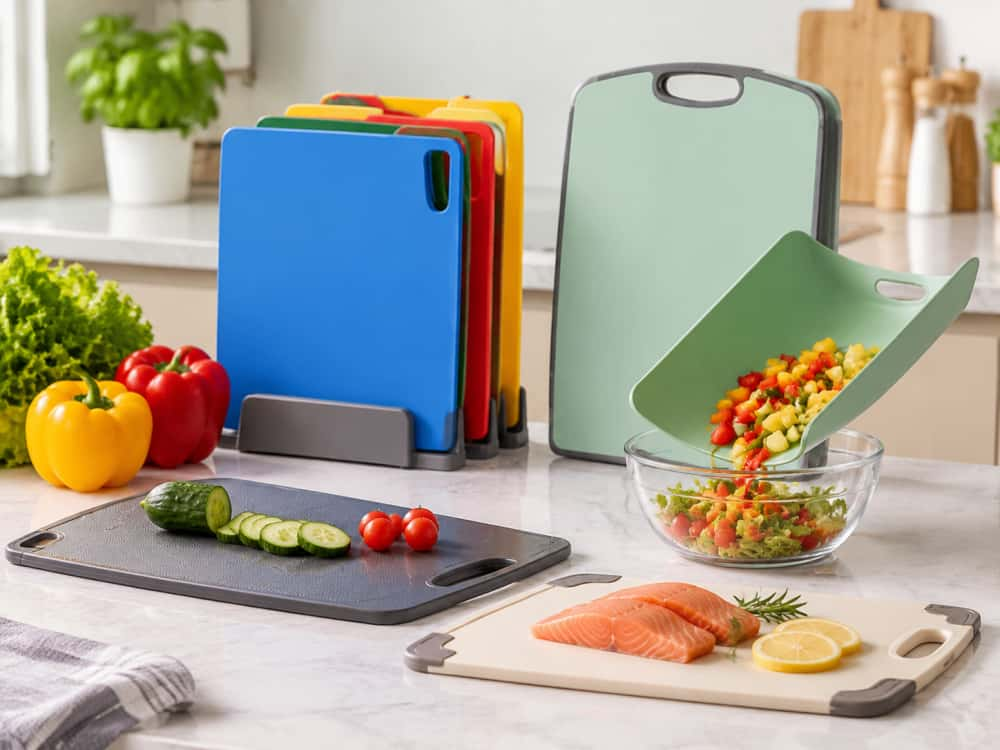
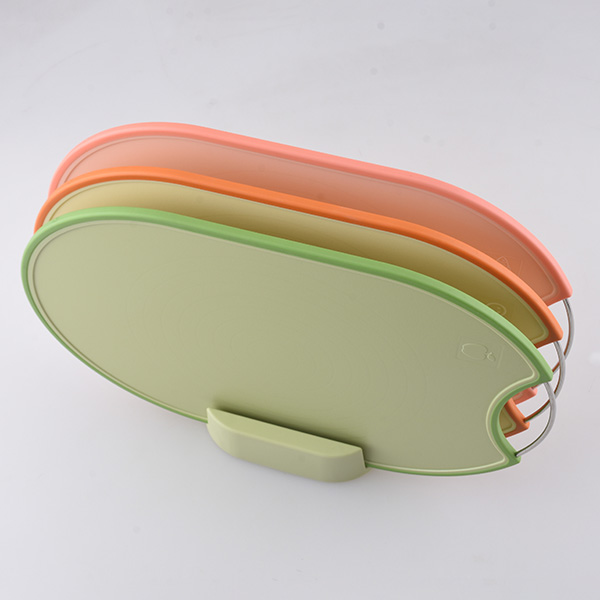
Color-coded cutting boards use different colors to help users distinguish between food preparation tasks. Instead of using the same board for every ingredient, households and professional kitchens can assign specific boards to different food categories.
For example, a kitchen may use separate boards for raw meat, seafood, vegetables, and cooked or ready-to-eat foods. This makes food preparation more organized and can help reduce the risk of cross-contamination when combined with proper cleaning and handling practices.
Color-coded systems are particularly useful in busy kitchens where multiple ingredients are prepared throughout the day. They can also make it easier for different kitchen staff members to follow consistent food preparation procedures.
Explore our color-coded cutting board sets for different kitchen organization needs.
What Buyers Should Consider
- Clear and easy-to-distinguish color combinations.
- Different board sizes for different preparation tasks.
- Suitable materials for the intended food-contact application.
- Easy-to-clean surfaces and convenient storage.
- Consistent color and product quality across the complete set.
2. Foldable Cutting Boards for Easy Food Transfer
Make Ingredient Handling More Convenient
One common inconvenience during food preparation is transferring chopped ingredients from a cutting board into a pot, pan, or mixing bowl. Ingredients can spill onto the countertop or fall outside the cookware when the board is lifted and tilted.
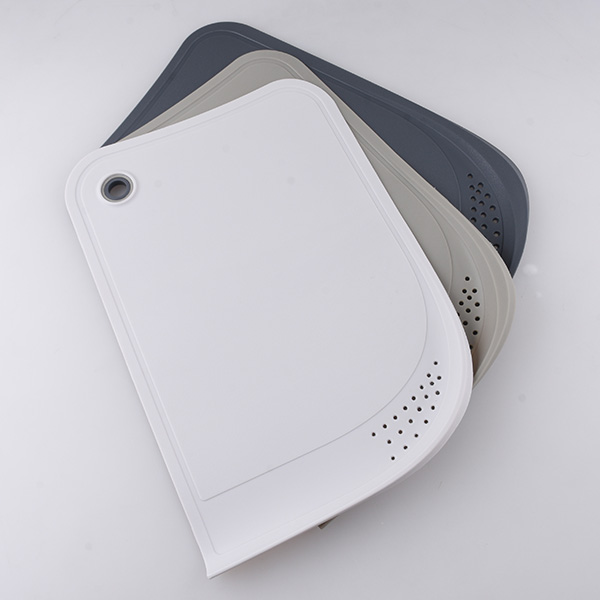
Foldable cutting boards are designed to make this step easier. Their flexible construction allows users to bend or fold the board so that chopped vegetables, fruits, and other ingredients can be directed into a container more conveniently.
TPU (thermoplastic polyurethane) is one material used in flexible cutting board designs. Its flexibility makes it suitable for products that need to bend during ingredient transfer. However, the actual flexibility and performance depend on the product's thickness, formulation, and construction.
A foldable design can also be useful in kitchens where storage space is limited, particularly when the board has a slim profile.
Discover our foldable TPU cutting board sets for flexible food preparation solutions.
What Buyers Should Consider
- Flexibility suitable for the intended ingredient-transfer function.
- Appropriate thickness and structural strength.
- Comfortable handling and easy-to-grip edges.
- Surface resistance to normal cutting and washing conditions.
- Clear care instructions for cleaning and storage.
3. Space-Saving Cutting Boards for Compact Kitchens
Designed for Better Kitchen Storage
Not every kitchen has enough cabinet or countertop space for large kitchen accessories. This is especially true in apartments, small homes, dormitories, and compact urban kitchens.
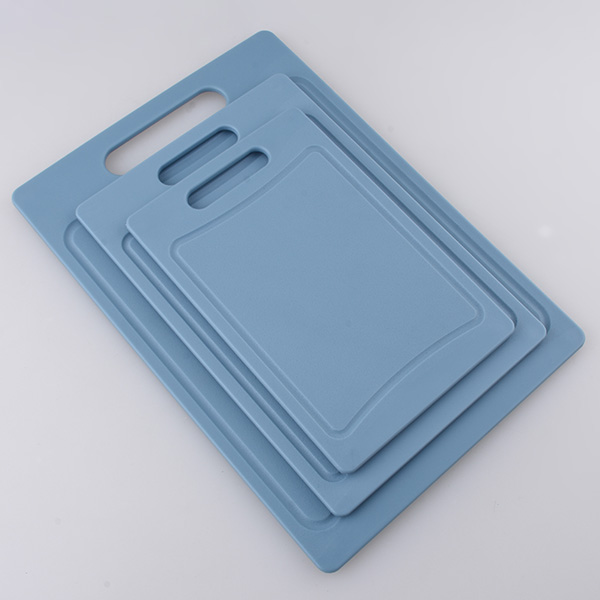
Space-saving cutting boards focus on making storage easier without sacrificing the basic functions of a preparation surface. Slim profiles, compact dimensions, hanging holes, and practical shapes can help users organize their kitchen more efficiently.
Some designs are also suitable for vertical storage, allowing users to keep the board in a cabinet organizer or on a kitchen hook when it is not in use.
These features make compact cutting boards useful for households that want to keep countertops clear and kitchen tools easy to access.
View our space-saving cutting boards for compact kitchen applications.
What Buyers Should Consider
- Compact dimensions that still provide sufficient cutting space.
- Slim construction for easier storage.
- Hanging or vertical storage options where appropriate.
- Easy access and convenient handling.
- Suitable board thickness and stability for everyday use.
4. Non-Slip Cutting Boards for More Stable Food Preparation
Reduce Unwanted Movement During Cutting
A cutting board that moves across the countertop can make food preparation uncomfortable and may increase the risk of accidents. Stability is therefore an important consideration when choosing a cutting board.
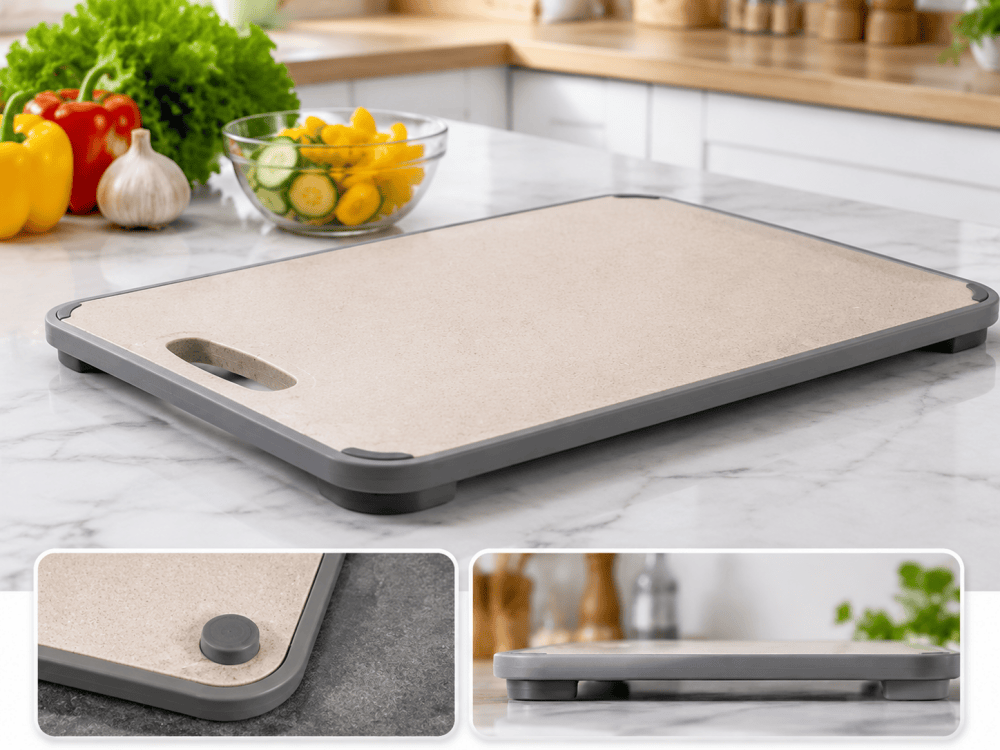
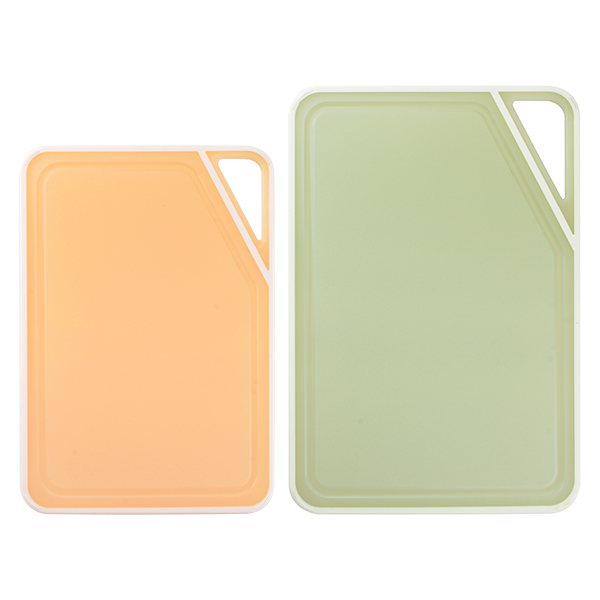
Non-slip cutting boards are designed with features that help reduce movement during use. Depending on the product, these may include textured surfaces, non-slip edges, rubber feet, or other grip-enhancing structures.
PP (polypropylene) is commonly used in kitchenware products because it can be molded into different shapes and designs. A PP cutting board may incorporate edge details or additional non-slip components to improve its positioning on a countertop.
The effectiveness of a non-slip design depends on the contact surface, countertop condition, board construction, and the quality of its grip features. Users should always place the board on a clean, stable surface.
Explore our non-slip PP cutting boards for everyday food preparation.
What Buyers Should Consider
- Grip features that help reduce movement on common countertop surfaces.
- Stable board construction and appropriate thickness.
- Comfortable edges and practical handling.
- Easy cleaning around textured areas and attached components.
- Consistent performance during repeated everyday use.
5. Lightweight Cutting Boards for Everyday Convenience
Easy to Carry, Wash, and Store
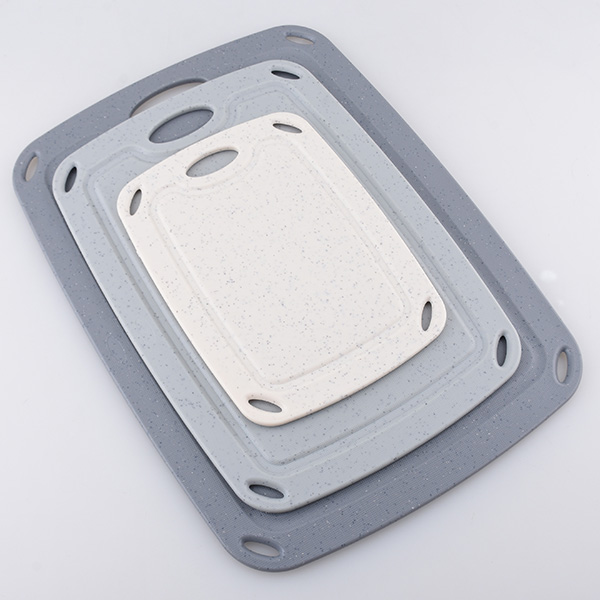
A cutting board is often moved between the countertop, sink, storage cabinet, and dining area. A lightweight design can make these everyday tasks easier, especially for users who prefer kitchen tools that are simple to handle.
Lightweight cutting boards are available in different materials and constructions. Their lower weight can make them convenient for everyday meal preparation, quick cleaning, and storage.
However, lightweight construction should not come at the expense of stability. A board should still have sufficient rigidity and a suitable base or grip structure for its intended use.
For consumers, the balance between weight, thickness, and cutting surface size is more important than simply choosing the lightest available product.
Take a look at our lightweight cutting boards for convenient everyday kitchen use.
What Buyers Should Consider
- Easy handling without excessive bending or flexing.
- A practical balance between weight and thickness.
- Sufficient cutting area for common kitchen tasks.
- Convenient cleaning and storage.
- Material suitability for the intended food preparation application.
How to Choose the Right Cutting Board Design
Different cutting board designs solve different problems. A product that works well for a small apartment kitchen may not be the best choice for a professional kitchen or a large family.
The following comparison can help consumers and buyers understand the main differences between these designs.
| Cutting Board Design | Main Function | Suitable Applications | Key Buying Consideration |
|---|---|---|---|
| Color-Coded | Organizes different food preparation tasks | Professional kitchens and organized household cooking | Color identification and set configuration |
| Foldable TPU | Helps transfer chopped ingredients | Everyday cooking and compact kitchens | Flexibility, thickness, and handling |
| Space-Saving | Improves storage efficiency | Apartments and smaller kitchens | Dimensions and storage options |
| Non-Slip PP | Helps reduce board movement | Daily food preparation | Grip design and stability |
| Lightweight | Makes carrying and washing easier | Everyday household use | Weight, rigidity, and cutting area |
Important Factors Beyond Cutting Board Design
Functional features are important, but buyers should also evaluate the material, hygiene requirements, and long-term product performance. A convenient design is only valuable when the product is suitable for its intended use.
1. Material and Food-Contact Suitability
Cutting boards are made from different materials, including PP, PE, TPU, wood fiber composites, and natural wood. Each material has different physical characteristics and care requirements.
Buyers should confirm that the material formulation and any coatings, colorants, or additional components are appropriate for the intended food-contact application. Food-contact compliance should be supported by relevant documentation for the target market.
2. Cleaning and Maintenance
A cutting board should be easy to clean after normal food preparation. Pay attention to surface texture, corners, grooves, attached components, and areas where food residues may accumulate.
Cleaning instructions should be based on the actual product construction. Do not assume that every plastic, TPU, or composite cutting board is dishwasher safe.
3. Stability and Durability
Board thickness, material stiffness, edge construction, and grip features all influence the user experience. A flexible board may be convenient for transferring ingredients, while a more rigid board may be preferable for heavier cutting tasks.
Buyers should evaluate the complete product under its intended conditions rather than relying on a single material description.
4. Size, Shape, and Storage
The ideal cutting board size depends on the available workspace and the types of food being prepared. Small boards are convenient for quick tasks, while larger boards provide more room for preparing multiple ingredients.
Product dimensions, thickness, hanging options, and storage requirements should all be considered when developing a cutting board collection.
What Should Kitchenware Buyers Look for When Sourcing Cutting Boards?
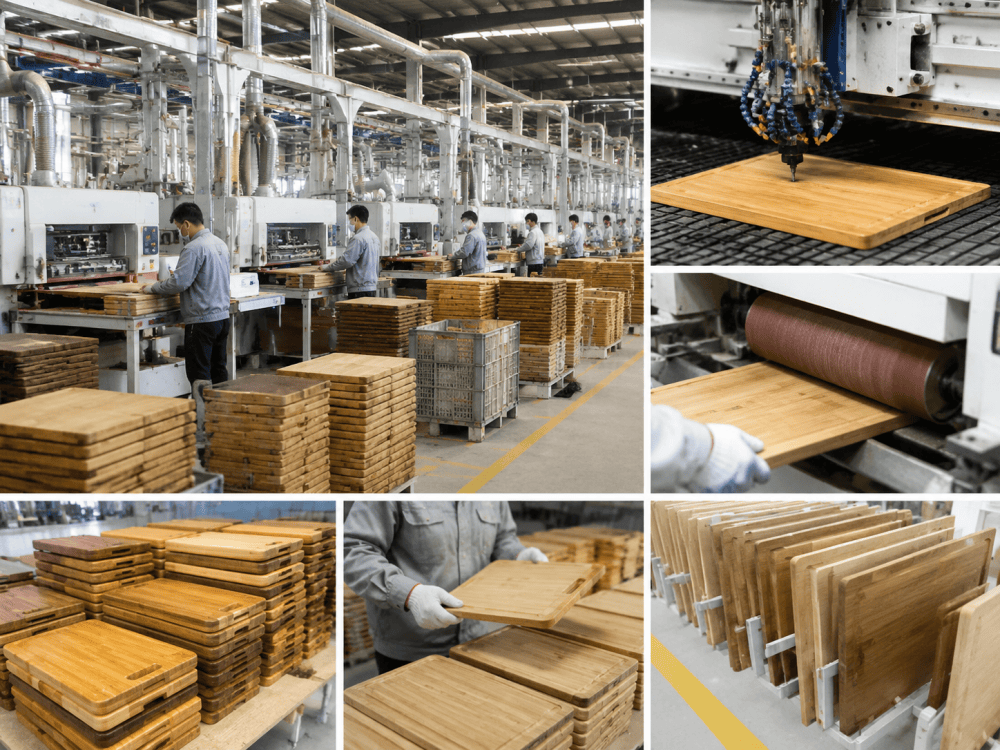
For importers, wholesalers, retailers, and private-label brands, choosing the right cutting board is also a product development decision. Functional design, target customers, material specifications, and retail positioning should work together.
Identify the Target Market
Different customer groups have different priorities. Apartment users may prefer compact and easy-to-store products, while professional kitchens may place more emphasis on food organization, cleaning procedures, and practical set configurations.
Evaluate the Material and Product Construction
Ask the manufacturer for detailed material specifications. For products with non-slip edges, flexible sections, coatings, or attached components, review the construction of each part rather than focusing only on the main board material.
Check Product Quality and Performance
Depending on the product design, quality evaluation may include:
- Dimensions, thickness, and weight consistency.
- Surface finish and edge quality.
- Board stability on suitable countertop surfaces.
- Flexibility and repeated bending performance for foldable designs.
- Cleaning and maintenance performance.
- Durability of non-slip components and attached accessories.
- Relevant food-contact testing and documentation.
Consider OEM and Private Label Opportunities
For brands developing their own kitchenware collections, customization may include board dimensions, colors, shapes, material options, set combinations, packaging, and logo application.
Working with an experienced kitchenware manufacturer can help buyers coordinate product specifications and develop a collection that fits their target market.
Frequently Asked Questions
What is the most practical cutting board design for a modern kitchen?
It depends on the user's needs. Color-coded boards help organize food preparation, foldable boards make ingredient transfer easier, space-saving boards simplify storage, non-slip boards help improve stability, and lightweight boards are convenient to handle.
Are foldable TPU cutting boards good for everyday use?
Foldable TPU cutting boards can be convenient for chopping and transferring ingredients. Their suitability for everyday use depends on the material formulation, thickness, flexibility, and product construction.
Do color-coded cutting boards prevent cross-contamination?
Color-coded systems help users separate food preparation tasks, which can reduce the risk of cross-contamination when used correctly. However, color alone does not prevent contamination. Boards must still be cleaned and sanitized appropriately.
Why are non-slip cutting boards useful?
Non-slip features help reduce unwanted movement during cutting. This can make food preparation more stable and comfortable, although the board should always be placed on a clean and suitable countertop.
Which cutting board is best for a small kitchen?
Compact and space-saving cutting boards are useful for small kitchens. Lightweight designs and boards with practical hanging or vertical storage options can also help make better use of limited space.
What materials are commonly used in modern cutting boards?
Common materials include polypropylene (PP), polyethylene (PE), thermoplastic polyurethane (TPU), wood fiber composites, and natural wood. The right material depends on the product's intended function, food-contact suitability, cleaning requirements, and design.
What should importers consider when buying cutting boards in bulk?
Importers should evaluate material specifications, product dimensions, quality consistency, food-contact documentation, cleaning requirements, packaging, customization options, and the manufacturer's production capabilities.
Conclusion: Functional Design Makes a Difference
Modern cutting boards are no longer limited to a simple flat surface. Features such as color-coded systems, foldable structures, compact storage designs, non-slip components, and lightweight construction can make everyday food preparation more convenient and organized.
For consumers, the right choice depends on kitchen space, cooking habits, cleaning preferences, and the type of food being prepared. For kitchenware buyers, these design features also offer opportunities to develop more targeted product collections for different customer groups.
The most successful cutting board products combine practical functionality with suitable materials, consistent manufacturing quality, and user-friendly maintenance.
Looking for Innovative Cutting Board Solutions?
Kitlucy offers a range of cutting board options for global kitchenware brands, wholesalers, and distributors. Whether you are developing color-coded sets, foldable TPU boards, non-slip PP designs, or customized cutting board collections, our team can help discuss suitable product and OEM/ODM solutions.
Contact us to discuss your target market, product specifications, customization requirements, and packaging needs.
Contact KitlucyRelated Blogs