Rubber vs Plastic Cutting Boards: Which Is Better for Kitchen Safety and Durability?
Rubber vs Plastic Cutting Boards: Which Is Better for Kitchen Safety and Durability?
Professional chef insights, hygiene comparison, knife protection analysis, and buying guide for modern kitchens.
Choosing the right cutting board material is more important than many people realize. A cutting board directly affects kitchen hygiene, knife lifespan, food safety, cutting comfort, and long-term maintenance costs.
While plastic cutting boards remain one of the most common options in home kitchens, rubber cutting boards have become increasingly popular in professional culinary environments. Many chefs now consider rubber boards one of the best cutting surfaces because they offer a balanced combination of durability, knife protection, and hygiene.
In this guide, we compare rubber vs plastic cutting boards in detail and explain why commercial kitchens, culinary schools, and serious home cooks are increasingly switching to rubber cutting boards.
What Is a Rubber Cutting Board?
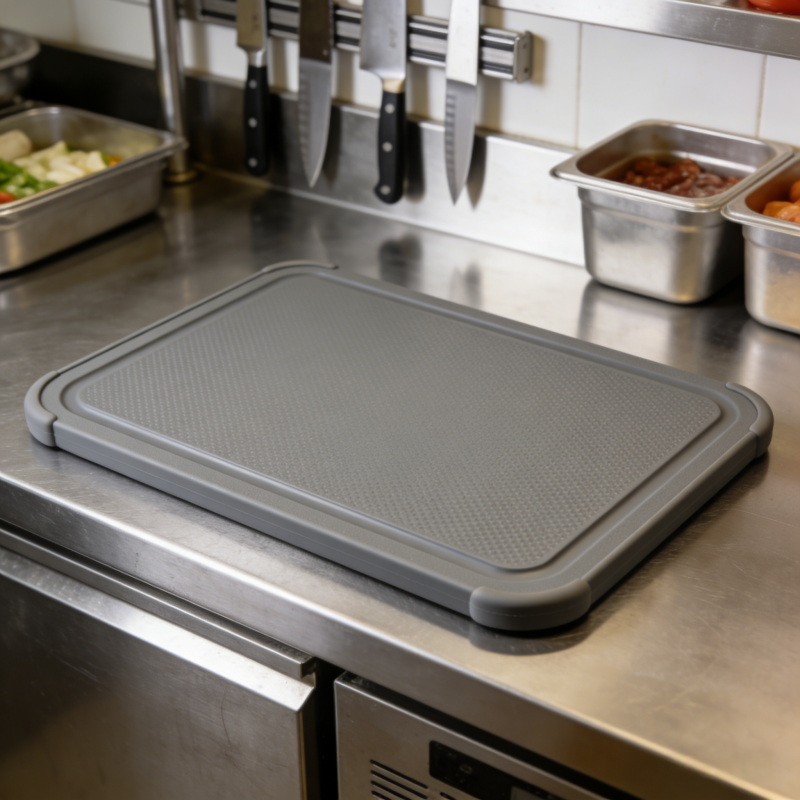
Rubber cutting boards are typically made from high-density synthetic rubber designed for commercial food preparation environments. Unlike ordinary soft rubber products, professional rubber cutting boards are engineered to provide a dense, resilient, and highly durable cutting surface.
The slightly elastic structure helps absorb knife impact while maintaining excellent stability during cutting.
Professional kitchens often choose rubber cutting boards because they:
- Reduce knife wear
- Provide strong countertop grip
- Resist cracking and warping
- Offer long service life
- Perform well under heavy daily use
What Are Plastic Cutting Boards Made Of?
Plastic cutting boards are commonly manufactured from food-grade polyethylene (PE) or polypropylene (PP). These materials are lightweight, affordable, moisture-resistant, and easy to mass produce.
Plastic boards are extremely popular in both home kitchens and food-service operations because they are:
- Budget-friendly
- Easy to clean
- Available in multiple colors
- Lightweight and portable
- Suitable for color-coded food preparation systems
However, lower-quality plastic boards can develop deep knife grooves over time, which may trap food particles and bacteria.
Rubber vs Plastic Cutting Boards Comparison
| Feature | Rubber Cutting Board | Plastic Cutting Board |
|---|---|---|
| Knife Protection | Excellent | Moderate |
| Slip Resistance | Very High | Moderate |
| Durability | Very High | Moderate to High |
| Weight | Heavy | Lightweight |
| Hygiene Performance | High | High |
| Maintenance | Easy | Very Easy |
| Commercial Kitchen Use | Very Popular | Very Popular |
| Price Range | Premium | Affordable |
Why Professional Chefs Prefer Rubber Cutting Boards
One major reason chefs prefer rubber cutting boards is knife preservation. Professional knives are expensive tools, and excessive blade wear increases sharpening frequency and maintenance costs.
Rubber boards provide a softer, more forgiving cutting surface compared with many hard plastic boards.
Benefits for Professional Kitchens
- Less knife edge damage
- Better cutting comfort during long prep sessions
- Stable non-slip performance
- Reduced board movement during heavy chopping
- Longer board lifespan under commercial use
Many sushi chefs and professional culinary schools prefer rubber cutting boards because they combine excellent knife protection with commercial-grade durability and hygienic performance.
Are Rubber Cutting Boards More Hygienic?
Both rubber and plastic cutting boards can be hygienic when properly cleaned and maintained. However, cutting board condition over time is extremely important.
As plastic boards develop deep knife grooves, bacteria and food residues may become more difficult to remove completely.
High-density rubber boards tend to resist deep scoring better than many low-cost plastic boards, helping maintain a smoother cutting surface for longer periods.
Food Safety Tips
- Clean boards immediately after use
- Use separate boards for raw meat and vegetables
- Replace heavily damaged boards
- Sanitize regularly
- Allow boards to dry completely before storage
Rubber Cutting Board Advantages
Excellent Knife Friendliness
The resilient surface helps preserve blade sharpness and reduces knife chipping risks.
Superior Stability
Rubber naturally grips countertops better than many lightweight plastic boards.
Long-Term Durability
Commercial-grade rubber boards can last for years even in demanding kitchen environments.
Professional Appearance
Rubber boards are often associated with premium culinary equipment and professional kitchens.
Plastic Cutting Board Advantages
Affordable Pricing
Plastic cutting boards are widely available at multiple price levels, making them accessible for most households.
Lightweight Design
Plastic boards are easier to carry, wash, and store.
Color-Coding Systems
Commercial kitchens frequently use color-coded plastic cutting boards to reduce cross-contamination risks.
Dishwasher Compatibility
Many plastic boards are dishwasher-safe, simplifying cleaning routines.
Which Cutting Board Lasts Longer?
High-quality rubber cutting boards generally last longer than standard plastic boards because they resist deep knife damage more effectively.
However, premium thick polyethylene plastic boards can also offer excellent durability when properly maintained.
The actual lifespan depends on:
- Material quality
- Board thickness
- Frequency of use
- Knife type
- Cleaning methods
- Kitchen environment
Best Choice for Home Kitchens
For most households, both rubber and plastic cutting boards can work well depending on cooking habits.
Choose Rubber Cutting Boards If You:
- Use high-end kitchen knives
- Cook frequently
- Want professional-grade tools
- Prefer maximum stability
- Value long-term durability
Choose Plastic Cutting Boards If You:
- Need lightweight boards
- Prefer lower cost options
- Want dishwasher-safe convenience
- Use multiple color-coded boards
- Need portable kitchen tools
Wholesale & OEM Cutting Board Solutions
As global demand for professional kitchen tools continues growing, both rubber and plastic cutting boards remain important product categories for distributors, retailers, and private-label kitchenware brands.
Kitlucy specializes in manufacturing practical kitchenware products including:
- Plastic cutting boards
- PP cutting boards
- Kitchen utensil sets
- Baking tools
- OEM kitchenware products
Explore our Cutting Board Collection and OEM Kitchenware Services.
Frequently Asked Questions
Are rubber cutting boards safe?
Yes. Food-grade rubber cutting boards are widely used in commercial kitchens and are considered safe when properly cleaned and maintained.
Do rubber cutting boards dull knives?
No. Rubber cutting boards are generally considered one of the most knife-friendly cutting surfaces available.
Are plastic cutting boards hygienic?
Yes. Plastic boards are hygienic when cleaned correctly, although heavily scratched boards should eventually be replaced.
Why do chefs use rubber cutting boards?
Chefs prefer rubber boards because they protect knife edges, resist slipping, and offer strong long-term durability.
Looking for Professional Cutting Board Manufacturing?
Kitlucy provides wholesale kitchenware manufacturing, OEM cutting board production, and customized kitchen solutions for global distributors and private-label brands.
Related Blogs