Wheat Straw Cutting Board Pros and Cons: Is It Safe and Practical?
Wheat Straw Cutting Board Pros and Cons: Is It Safe and Practical?
Wheat straw cutting boards have become increasingly popular as eco-friendly alternatives to traditional plastic and wooden boards. Made from agricultural byproducts, they are often marketed as sustainable, lightweight, and affordable kitchen solutions.
But are they really worth it? Understanding the advantages and limitations of wheat straw cutting boards can help buyers and distributors make better decisions. This guide explores their key pros and cons, safety, and practical applications.
What Is a Wheat Straw Cutting Board?
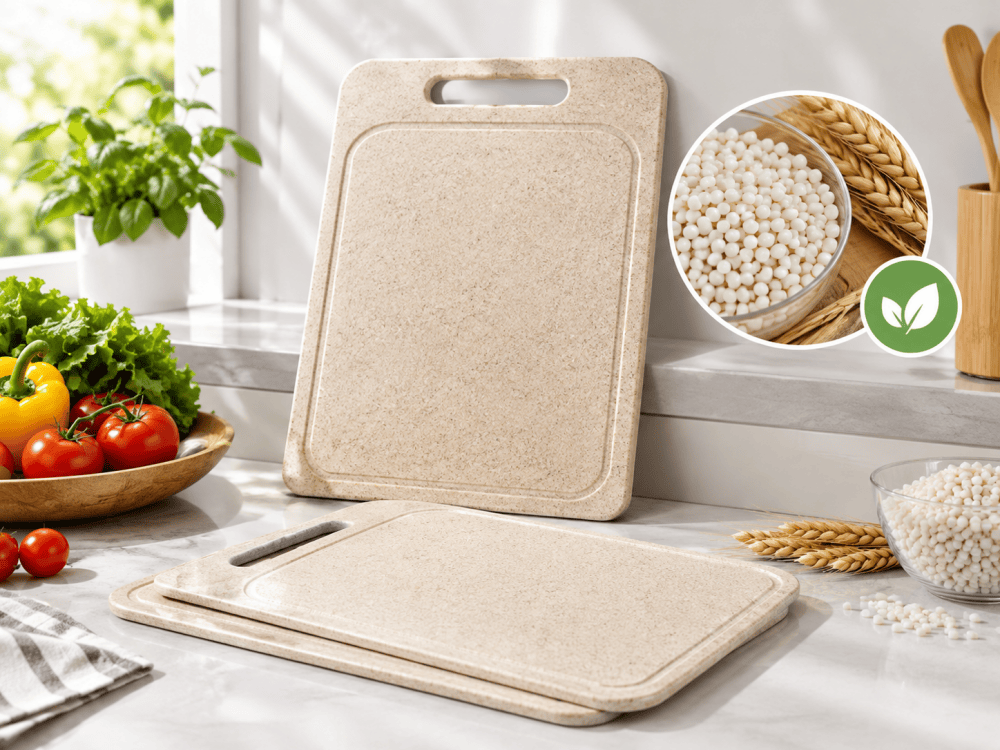
A wheat straw cutting board is made from wheat husk fibers combined with food-grade plastic materials such as polypropylene (PP). This composite structure reduces plastic usage while improving product strength and usability.
Wheat straw cutting boards are not fully natural products. They combine plant fibers with polymers to achieve a balance between sustainability and durability.
Pros of Wheat Straw Cutting Boards
Eco-Friendly Material
Wheat straw is a renewable agricultural byproduct, making these cutting boards a more sustainable option compared to fully plastic alternatives.
Lightweight and Easy to Use
These boards are lighter than wood or thick plastic boards, making them convenient for everyday kitchen tasks and easy to handle.
Cost-Effective for Mass Markets
Wheat straw cutting boards are typically affordable, making them suitable for retail distribution, promotional products, and entry-level kitchenware lines.
Odor and Stain Resistance
Compared to some wooden boards, wheat straw boards are less likely to absorb odors or stains when used for fruits and vegetables.
Cons of Wheat Straw Cutting Boards
Lower Durability
Due to their composite structure, these boards are not as durable as solid wood or high-density plastic boards, especially under heavy use.
Not Suitable for Heavy Cutting
They are not ideal for cutting bones or frozen foods, as the surface can develop scratches and grooves more easily.
Heat Sensitivity
Wheat straw boards can warp or deform when exposed to high temperatures, making them unsuitable for dishwashers or hot cookware.
Contains Plastic Components
Although eco-friendly, they still contain plastic materials, which may not meet the expectations of buyers looking for fully biodegradable products.
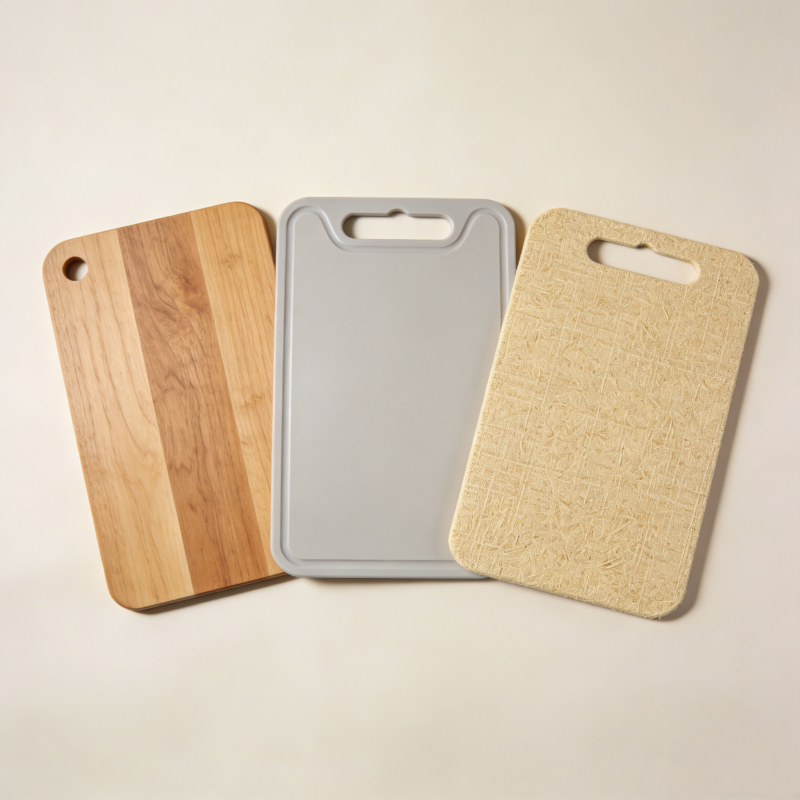
Wheat Straw vs Other Cutting Board Materials
| Material | Durability | Eco-Friendly Level | Best Application |
|---|---|---|---|
| Wheat Straw | Medium | Moderate | Light daily use |
| Wood | High | High | Home & professional kitchens |
| Plastic (HDPE) | High | Low | Commercial kitchens |
| Bamboo | High | High | Eco-focused consumers |
Are Wheat Straw Cutting Boards Safe?
Yes, wheat straw cutting boards are generally safe when produced using food-grade materials and proper manufacturing standards. Many suppliers comply with international certifications such as FDA and LFGB.
However, quality can vary, so it is important for buyers to choose reliable manufacturers and verify product certifications.
Who Should Choose Wheat Straw Cutting Boards?
These cutting boards are suitable for:
- Eco-conscious consumers looking for affordable alternatives
- Retailers focusing on sustainable product lines
- Promotional or entry-level kitchenware markets
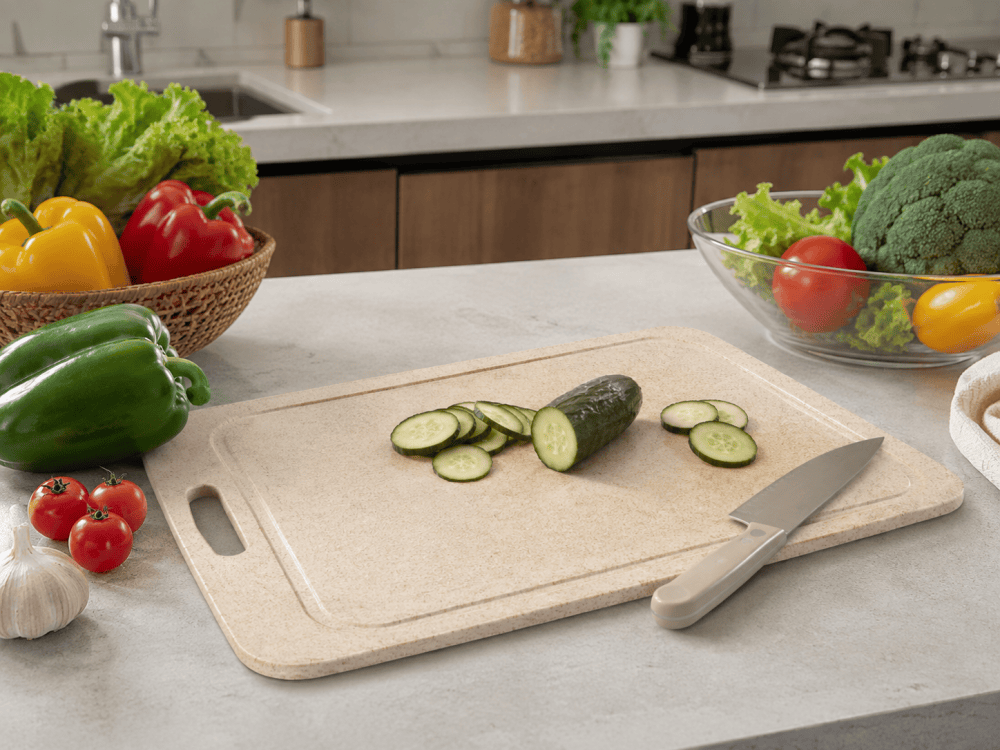
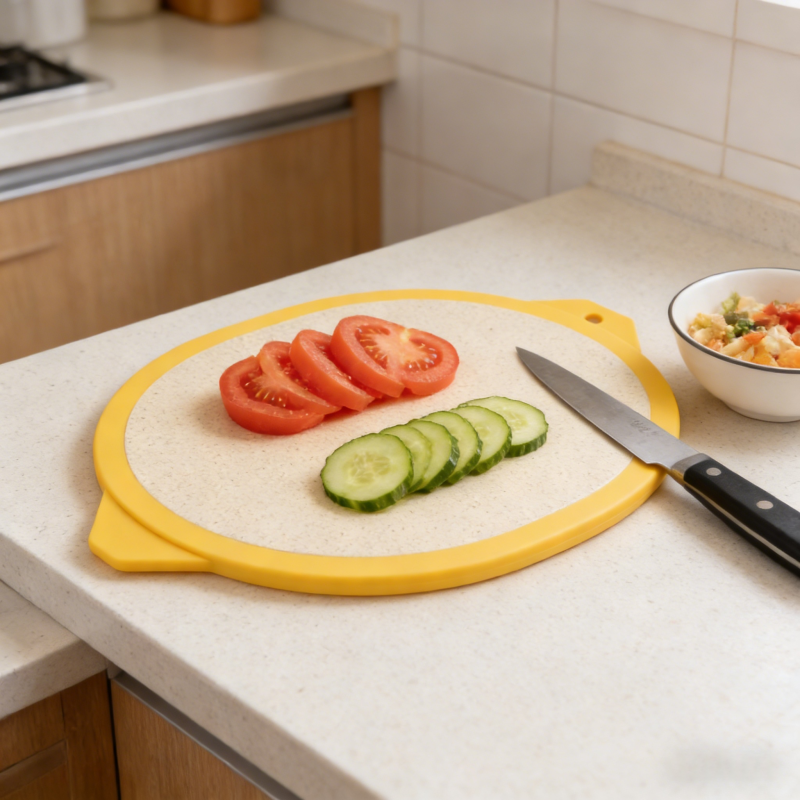
- Light-duty kitchen tasks such as cutting fruits and vegetables
Frequently Asked Questions About Wheat Straw Cutting Boards
Are wheat straw cutting boards biodegradable?
They are partially biodegradable due to plant fiber content, but not fully biodegradable because they contain plastic components.
Can wheat straw cutting boards go in the dishwasher?
No, high temperatures may cause warping or damage. Hand washing is recommended.
Do wheat straw cutting boards damage knives?
No, their relatively soft surface is gentle on knife edges, similar to standard plastic boards.
Conclusion
Wheat straw cutting boards offer a balance between sustainability, affordability, and functionality. While they may not replace high-end wooden or heavy-duty plastic boards, they are a practical choice for light kitchen use and eco-friendly product lines.
Looking for Eco-Friendly Cutting Board Solutions?
We provide a variety of cutting boards including wheat straw, plastic, and wood options, with OEM and private label services available for global buyers and distributors. Contact us to explore customized solutions.
Related Blogs