How Long Do Wheat Straw Cutting Boards Last?
How Long Do Wheat Straw Cutting Boards Last?
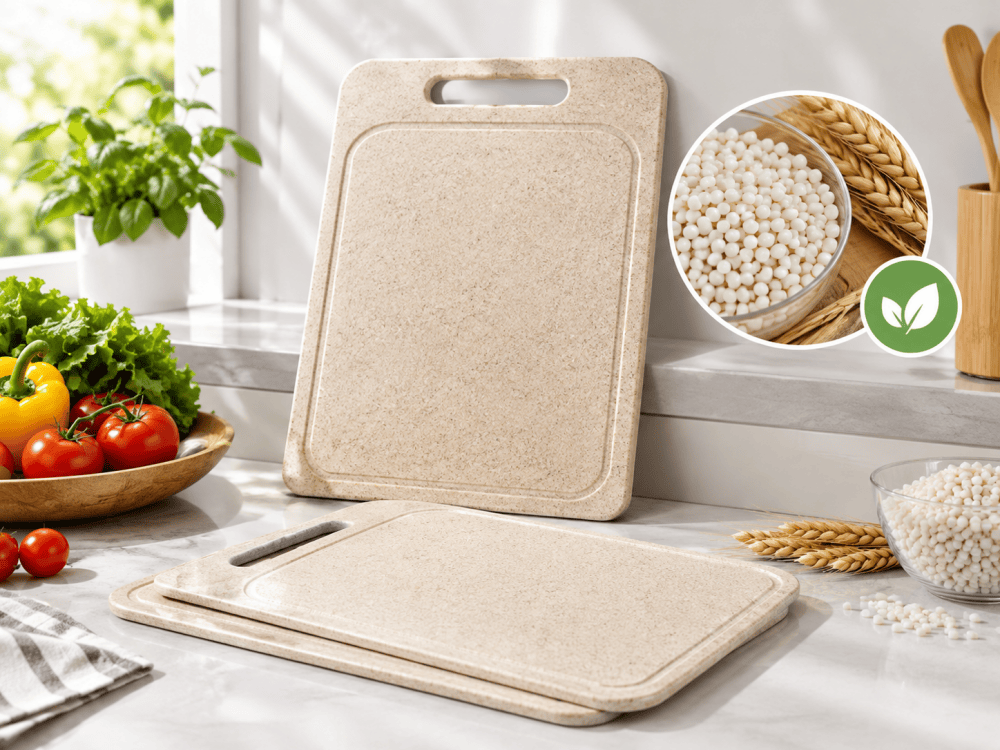
Wheat straw cutting boards have become increasingly popular as an alternative to conventional plastic cutting boards. They are lightweight, easy to clean, and often made from a composite material that combines wheat straw fiber with polypropylene (PP).
But one practical question matters before buying one: How long does a wheat straw cutting board actually last?
There is no universal lifespan for every wheat straw cutting board. How long one lasts depends on the quality of the material, board thickness, manufacturing process, frequency of use, knife habits, cleaning method, heat exposure, and how heavily the board is used.
For normal household food preparation, a well-made wheat straw PP cutting board can remain useful for a considerable period when it is properly maintained. However, cutting boards are consumable kitchen tools, and they should be replaced once the surface becomes excessively worn, deeply grooved, cracked, warped, or difficult to clean.
What Determines the Lifespan of a Wheat Straw Cutting Board?
The durability of a wheat straw cutting board is influenced by several factors. Two boards that look similar may perform very differently if they use different material formulations, thicknesses, surface finishes, or manufacturing processes.
The following factors have the biggest impact on how long a wheat straw PP cutting board remains practical.
1. Material Quality
Material quality is one of the most important factors.
Wheat straw cutting boards are commonly made by combining wheat straw fiber with polypropylene. The quality and consistency of both components can affect the strength, rigidity, surface performance, and long-term stability of the finished board.
A poorly formulated composite may be more susceptible to warping, cracking, surface deterioration, or inconsistent performance.
For this reason, buyers should not evaluate durability based only on the words “wheat straw cutting board.” The actual material formulation and manufacturing quality matter.
2. Board Thickness
Thickness can have a major effect on stability and long-term use.
A very thin cutting board may be lightweight and easy to store, but it may provide less rigidity during repeated cutting. A thicker board generally offers greater structural stability, although it may also be heavier and require more storage space.
The ideal thickness depends on the intended use. A lightweight board designed for fruits and vegetables does not necessarily need the same construction as a larger board intended for frequent meal preparation.
3. Frequency of Use
A cutting board used several times every day will naturally experience more wear than one used occasionally.
For example, a household that prepares meals daily may create knife marks more quickly than a household that uses the board only a few times per week.
Therefore, lifespan should always be considered in relation to usage frequency rather than simply calendar time.
4. Cutting Habits
How you use a cutting board can have a significant effect on its surface condition.
Wheat straw PP boards are generally intended for everyday food preparation. They are not designed to replace heavy-duty chopping blocks.
Repeatedly cutting bones, very hard frozen foods, or other materials outside the board's intended application can cause excessive surface damage.
Using an appropriate knife and cutting technique can also help reduce unnecessary wear.
5. Cleaning and Washing
Regular cleaning is essential for both hygiene and long-term product condition.
Most wheat straw PP cutting boards can be cleaned with warm or hot water and dish soap, depending on the manufacturer's instructions.
If a board is dishwasher safe, repeated dishwasher cycles may still expose it to higher temperatures and mechanical stress than ordinary hand washing. The effect depends on the specific material formulation and board construction.
For this reason, buyers should always follow the cleaning instructions supplied with the specific product.
6. Heat Exposure
Excessive heat can affect the shape and dimensional stability of plastic-based products.
A cutting board should not be used as a hot trivet unless it has specifically been designed and tested for that purpose.
Avoid placing extremely hot cookware, baking trays, or other high-temperature objects directly on a standard cutting board.
How Long Can a Wheat Straw Cutting Board Last?
It is difficult to provide one exact lifespan that applies to every wheat straw cutting board. Manufacturing quality and usage conditions vary too much.
Instead of promising a specific number of years, it is more useful to think in terms of usage intensity and surface condition.
| Usage Level | Typical Situation | What to Monitor |
|---|---|---|
| Light use | Occasional cooking, fruits and vegetables | Surface scratches, stains, general condition |
| Regular household use | Daily meal preparation | Knife marks, grooves, warping, stains and odors |
| Heavy household use | Frequent daily chopping and meal preparation | Deep grooves, surface wear, cracks and structural changes |
| Commercial or intensive use | Frequent food preparation throughout the day | Rapid surface wear, sanitation requirements and structural damage |
The key point is that calendar age alone does not determine whether a cutting board should be replaced. A lightly used board can remain in good condition longer than a heavily used board of the same material.

Signs That Your Wheat Straw Cutting Board Needs to Be Replaced
Instead of waiting for a specific time period, inspect the actual condition of the cutting board.
Replacement should be considered when the board develops significant physical damage or becomes difficult to clean effectively.
Deep Knife Grooves
Knife marks are normal on many plastic-based cutting boards. However, deep grooves can become difficult to clean thoroughly and may indicate that the board has reached the end of its practical service life.
Deep Scratches and Severe Surface Wear
If the cutting surface has extensive scratches, rough areas, or significant material wear, replacing the board is generally a better choice than continuing to use it.
Cracks or Splits
A cracked cutting board should be replaced. Cracks can make cleaning more difficult and may allow food residue to accumulate in areas that are difficult to reach.
Warping
A severely warped board may no longer sit securely on the countertop.
A board that moves or rocks while cutting can be inconvenient and may increase the risk of accidents during food preparation.
Persistent Odor or Staining
Some staining and odor can occur during normal use, particularly when preparing strongly colored or aromatic foods. If strong odors or contamination remain after proper cleaning, consider replacing the board.
How to Make a Wheat Straw Cutting Board Last Longer
Good maintenance can help preserve the cutting surface and extend the practical life of a wheat straw PP cutting board.
- Clean the board after each use. Wash the surface thoroughly after food preparation and follow the manufacturer's cleaning recommendations.
- Dry it properly. Allow the board to dry completely after washing instead of leaving it continuously wet.
- Avoid excessive heat. Do not place hot cookware directly on a standard cutting board unless the product is specifically designed for that purpose.
- Use the board for its intended purpose. Avoid using a lightweight cutting board for bones, frozen foods, or extremely heavy chopping unless the manufacturer specifically recommends it.
- Use separate boards when appropriate. Consider using separate boards for raw meat and ready-to-eat foods to reduce cross-contamination risks.
- Inspect the surface regularly. Look for deep grooves, cracks, warping, or other signs of excessive wear.
- Follow dishwasher instructions. If the board is dishwasher safe, use the manufacturer's recommended dishwasher settings and placement.
Does a Wheat Straw Cutting Board Last Longer Than a Plastic Cutting Board?
Not necessarily.
Wheat straw PP and traditional plastic cutting boards can both provide good everyday performance, but their lifespan depends heavily on the exact material and construction.
A high-quality conventional PP or HDPE cutting board may last longer than a poorly manufactured wheat straw composite board. Likewise, a well-designed wheat straw PP board can provide long-term household service when properly used.
The more useful comparison is therefore not simply:
“Wheat straw vs plastic — which lasts longer?”
Instead, ask:
“Which board has the right material quality, thickness, construction, and maintenance requirements for my intended use?”
This approach provides a much more realistic assessment of durability.
Does Dishwasher Use Shorten the Life of a Wheat Straw Cutting Board?
Dishwasher use can affect the long-term condition of plastic-based products, but the degree of impact depends on the specific product.
Repeated exposure to elevated temperatures, water, detergents, and mechanical movement can contribute to dimensional changes or surface wear in some products.
However, a wheat straw PP cutting board that has been specifically designed and tested for dishwasher use may perform well under normal dishwasher conditions.
For consumers, the safest approach is simple: check whether the specific cutting board is labeled dishwasher safe and follow the manufacturer's instructions.
For B2B buyers, dishwasher-cycle testing can be an important part of product validation before launching a private-label cutting board.
How Does Thickness Affect Cutting Board Durability?
Thickness is particularly important when developing a cutting board for retail or wholesale markets.
A thicker board generally has greater structural stability and can feel more substantial during cutting. However, increasing thickness also increases material usage, weight, packaging volume, and potentially shipping costs.
For this reason, manufacturers usually select thickness based on the intended positioning of the product.
| Product Positioning | Typical Design Focus |
|---|---|
| Compact kitchen board | Lightweight, easy storage, small food preparation tasks |
| Everyday household board | Balance of thickness, stability, weight and price |
| Premium household board | Higher perceived quality, larger size and enhanced features |
| Heavy-duty board | Greater structural stability and suitability for intensive food preparation |
How to Choose a Durable Wheat Straw PP Cutting Board
If durability is your main concern, look at more than the material name.
Check the Material Formulation
Ask the supplier about the material composition and manufacturing specifications. Consistent material quality can have a major effect on finished-product performance.
Check the Board Thickness
Choose a thickness appropriate for the intended application. A compact vegetable board does not require the same construction as a large household preparation board.
Inspect the Surface Finish
The cutting surface should be smooth and consistent, without obvious defects, cracks, rough areas, or molding problems.
Look at the Edges and Corners
Well-finished edges can improve handling and reduce the likelihood of premature damage.
Consider Non-Slip Features
A stable cutting board is easier to use safely. Non-slip feet, textured surfaces, or other anti-slip features can improve stability depending on the product design.
Ask About Testing
For B2B buyers, ask about relevant testing for food contact, dishwasher performance, dimensional stability, and other requirements applicable to the target market.
When Should You Replace a Wheat Straw Cutting Board?
A simple inspection checklist can help determine whether a board should remain in use.
- Is the cutting surface still relatively smooth?
- Are knife grooves shallow rather than deep?
- Are there no visible cracks or splits?
- Does the board remain flat on the countertop?
- Can it still be cleaned effectively?
- Are there no persistent odors after proper cleaning?
- Is the board still stable during cutting?
If the answer to several of these questions is no, replacing the cutting board is a sensible choice.
Wheat Straw Cutting Board Lifespan: Consumer vs B2B Considerations
For household consumers, the main concerns are usually durability, cleaning, appearance, and ease of use.
For retailers, importers, and private-label brands, the evaluation is broader.
A B2B buyer should consider:
- Material consistency between production batches
- Board thickness and dimensional tolerance
- Warping resistance
- Surface finish
- Dishwasher performance
- Food-contact compliance
- Packaging protection
- Quality control standards
- Expected usage environment
- Product positioning and target retail price
These factors can have a significant effect on customer satisfaction and product return rates.
Frequently Asked Questions
How long do wheat straw cutting boards last?
There is no fixed lifespan that applies to every wheat straw cutting board. A well-made board can provide long-term household use, while heavy usage or poor maintenance may accelerate wear. The best indicator is the board's physical condition rather than a specific number of years.
Do wheat straw cutting boards wear out?
Yes. Like other cutting boards, wheat straw PP boards can develop knife marks, scratches, and grooves through repeated use. Excessive surface damage is a sign that the board may need to be replaced.
Do wheat straw cutting boards crack?
They can crack if exposed to excessive stress, impact, heat, or poor handling. Material formulation and manufacturing quality also affect resistance to cracking.
Do wheat straw cutting boards warp?
Warping can occur under certain conditions, particularly with excessive heat or unsuitable cleaning conditions. Proper product design and following the manufacturer's care instructions can help reduce the risk.
Can you put a wheat straw cutting board in the dishwasher?
Some wheat straw PP cutting boards are dishwasher safe, while others may require hand washing. Always check the instructions for the specific product rather than assuming that every wheat straw cutting board has the same dishwasher rating.
How do I know when to replace my wheat straw cutting board?
Replace it when it develops deep grooves, severe scratches, cracks, significant warping, persistent contamination, or other damage that makes it difficult to clean or use safely.
Are thicker wheat straw cutting boards more durable?
Thickness can improve structural stability, but it does not automatically guarantee longer service life. Material quality, construction, usage, and maintenance are also important.
Final Verdict
So, how long do wheat straw cutting boards last?
There is no single number that applies to every product. The practical lifespan of a wheat straw PP cutting board depends on material quality, board thickness, manufacturing consistency, frequency of use, cutting habits, cleaning methods, dishwasher exposure, and heat.
For everyday household cooking, a well-designed wheat straw cutting board can be a practical and durable kitchen tool. However, it should be treated as a replaceable food-preparation surface rather than a permanent kitchen fixture.
The best way to extend its life is to clean it properly, avoid excessive heat, use it for appropriate food-preparation tasks, and inspect the surface regularly.
For retailers and kitchenware brands, durability should be evaluated through actual product testing and quality control rather than relying solely on the material name. A well-developed wheat straw PP cutting board can offer a useful combination of lightweight handling, practical performance, and plant-fiber material positioning for modern kitchenware collections.
Looking for Durable Wheat Straw Cutting Boards?
Kitlucy supports OEM and ODM cutting board projects for retailers, wholesalers, importers, and private-label brands. We can support customization of sizes, shapes, colors, features, packaging, and product specifications for different markets.
Explore OEM & ODM SolutionsRelated Blogs